

 Peržiūrėti realaus dydžio版
 Pasidalinti
 Dalintis
 Išsamiau
 Vadovas

 Atsisiųsti
 Panašūs eksponatai
 Rentgeno spindulių nuotrauka
 Automatinė diorama
 问答
问答 Statistika
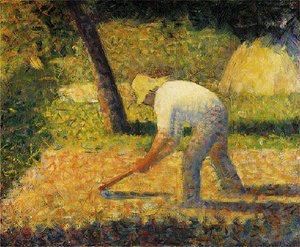
The Stone Breaker


Seurat's 'The Stone Breaker' depicts rural labor with scientific precision. Explore his early work & Neo-Impressionism – a poignant glimpse of everyday life.
 Skaityti daugiau
Atraskite Žoržą Sera (1859–1891), Pointilizmo ir neimpresionizmo pradininką! Ištykite 'Sekmadienį Grand Žatos saloje' ir jo revoliucinę spalvų teoriją, atspindinčią moderniąją epochą. Pirkti ranka nutapytus reprodukcionius!
Giclée / Meno spausdinimas
Muziejų lygio „giclée“ arba drobos spausdinimas: greita gamyba ir lankstios apdailos parinktys. ( Pirkti rankų darbo tapybą Perejti prie skaitmeninių vaizdų)




P118B €10

P118H €10

P118W €10

P438Z €10

P508JH €12

P508YH €12

P805H €10

P805Z €10

P919BZ €10

P919G €10

P919XJ €10

P959ZH €10

P968JZ €12

W106C €8

W218G €10

W218JH €8

W218Y €10

W307PJ €10

W316G €10

W316PJ €8

W316Y €10

W398PJ €8

W4111J €10

W500HY €15

W500JH €15

W692G €12

W849H €8

W940BG €15

W953PJ €8




Standartinis dydis
pagal užsakymą
CM
INCH
Pasirinkite iš mūsų nustatytų dydžių, atitinkančių originalaus meno kūrinio proporcijas.
Loading sizes...

plotis
aukštis
Įveskite jums reikiamą plotį ir aukštį, kad atvaizdas derėtų prie jūsų rėmo ar sienos. Spausdiną galima tik sumažinti, bet nepadidinti virš originalaus paveikslėlio dydžio, todėl keičiant proporcijas, dalis vaizdo prarandama. Prieš spausdinimą atsiųsime jums skaitmeninį maketą patvirtinimui. Šioje puslapio nuotraukoje matomas pjūvis nėra tikslus – jį rodo tik maketas.
Pristatymas visame pasaulyje () per 2 weeks, o ne įprastas 4/5 savaičių laikotarpis. (7 lapkritis)

Nemokamas greitasis pristatymas visame pasaulyje

Aukštos kokybės lininis drobė

Pilnas siuntimo draudimas

Muitinės mokesčių grąžinimo garantija

Tikro spalvų atitikimo garantija

100 dienų grąžinimo politika (tik esant įtaigoms)

100% pinigų grąžinimo garantija

Nuolaida dideliems užsakymams
 Stiklo variantas prieinamas tik pasirinkus dydį iki 110 cm

The Stone Breaker
Giclée / Meno spausdinimas
Reprodukcijos matmenys
-


Bendroji kaina
€ 62
The Stone Breaker: A Glimpse into Labor and Modernity
Painted in Le Raincy, northeast of Paris, The Stone Breaker is a poignant oil sketch on panel (a "croqueton") created by Georges Seurat between 1880 and 1883. This early work offers a fascinating window into the artist's developing style and his engagement with social themes, albeit in a uniquely detached manner. It stands as one of several small-scale depictions of laborers – reapers, gardeners, haymakers, and stonebreakers – toiling amidst the sunlit fields and roads surrounding Paris.
Subject Matter and Influences
Seurat’s choice of working-class subjects reflects an initial influence from Jean-François Millet, a renowned 19th-century painter known for his depictions of rural life. However, Seurat diverged significantly from Millet's approach. Unlike Millet, who often imbued his peasant scenes with social commentary and a sense of hardship, Seurat aimed for objective representation. In The Stone Breaker, he presents the anonymous worker shattering rocks for road construction without explicitly commenting on the difficulties of his labor. This aligns Seurat more closely with Gustave Courbet, who had depicted the same subject thirty years prior. Seurat, like Courbet, believed in portraying ordinary individuals and their work as worthy subjects without resorting to sentimental narratives or emotional embellishment.
Style and Technique: A Foundation for Neo-Impressionism
While seemingly straightforward, The Stone Breaker reveals Seurat’s burgeoning interest in formal artistic concerns. The painting showcases a move beyond the purely observational style of Impressionism. Seurat's technique, though not yet fully developed into his signature Pointillist method, demonstrates an early exploration of color contrasts and compositional rhythms. Art critic Duncan Phillips recognized this work as laying "foundations on which the entire edifice of… new painting (was) based," highlighting Seurat’s innovative approach to line and form. The visible brushstrokes and somewhat loose style hint at the Impressionistic influences while simultaneously foreshadowing his later, more systematic application of color theory.
Historical Context and Symbolism
The Stone Breaker emerged during a period of rapid industrialization and urbanization in France. While Seurat avoids overt social commentary, the depiction of manual labor resonates with broader anxieties about the changing nature of work and the rise of modern society. The painting’s quiet solitude and focus on repetitive tasks evoke a sense of both industry and perhaps a touch of melancholy, reflecting the often-unseen realities of working life. The choice to depict an anonymous worker further emphasizes the universality of labor and its role in shaping the landscape.
Emotional Impact and Lasting Legacy
Despite its seemingly detached observation, The Stone Breaker possesses a subtle emotional power. The painting invites viewers to contemplate the dignity of labor and the quiet perseverance of those who perform essential tasks often overlooked. It serves as an important precursor to Seurat’s later masterpieces, demonstrating his commitment to exploring formal artistic principles while engaging with contemporary life. This early work provides valuable insight into the development of a revolutionary artist who would profoundly influence the course of modern art.
Klausimai ir atsakymai
Kokia yra „The Stone Breaker“ paletės ryškumas?
„The Stone Breaker“ – Žoržas Sera spalvų nasyginimas yra Balanced Soft. Nasyginimas apibūdina, kokių spalvos yra ryškių arba išblukusių.
Kur rekomenduojama eksponuoti „The Stone Breaker“ Landscape formatą?
Savo Landscape forma „The Stone Breaker“ reprodukcija siūloma Living Room kambariui.
Kokią nuotaiką ir emociją sujungia „The Stone Breaker“?
Įtvirtinta „The Stone Breaker“ – Žoržas Sera nuotaika yra Earthy, o emocinis tonas – Reflective.
panašūs kūriniai




Autoriaus biografija
Žoržas Sera: Šviesos ir Tikslumo Pionierius
Žoržas Pjeras Sera, gimęs 1859 m. gruodžio 2 d. Paryžiuje, įėjo į meno istoriją kaip vienas reikšmingiausių figūrų perėjimo nuo impresionizmo prie moderniosios dailės. Jo trumpa, bet intensyvi karjera sukrėtė tapybos pasaulį sukūrus taškmeninę techniką – metodą, paremtą mokslinėmis spalvų ir linijų teorijomis. Sera gyvenimas buvo kupinas atidžaus stebėjimo, intelektualinio kruopštumo ir gilaus jautrumo šviesos bei spalvos niuansams – savybių, kurios išskyrė jį iš jo to laikmečio bendraamžių ir iki šiol žavi žiūrovus. Jo ankstyvieji metai, nors ir atrodę įprasti, padėjo pagrindą būsimoms meninėms ekspedicijoms. Sera šeima gyveno Bulvar de Magenta, o jo tėvas Antuanas Krysoztomas Sera, buvęs teismo pareigūnas tapęs nekilnojamojo turto spekuliantu, suteikė jam patogią vaikystę, kuri leido jaunajam Žoržui įsitraukti į meno edukaciją. Jis pradėjo formalų mokymąsi Skulptūrų ir Piešimo municipalinėje mokykloje pas skulptoriaus Justino Lekjūną, po to įstojo į prestižinę Dailės akademiją (École des Beaux-Arts) 1878 m., studijavo Henri Lehmann. Šie metai įskiepijo jam tvirtą tradicinių technikų pagrindą, tačiau net tuomet formavosi unikalus meninis charakteris – subtilios jautrios ir besivystančio susidomėjimo sistemine analize derinys.Nuo Akademinių Šaknų iki Spalvų Mokslų
Sera meninė raida nebuvo staigus pokytis, bet palaipsniškas vystymasis, skatinamas intelektinio smalsumo ir kruopščios eksperimentavimo. Iš pradžių jo darbai atspindėjo tuo metu galiojančius akademinius standartus, rodė įgūdžius piešti ir gerbė įsitvirtinusias kompozicijos taisykles. Tačiau jis netrukus ėmė abejoti šiais prietarais, ieškodamas mokslesnio požiūrio į tapybą. Sera panėrė į besivystančią spalvų teorijos sritį, studijavo tokių mokslininkų kaip Mišelis Ševrelis ir Ogdenas Roodas darbus, kurie tyrė sudedamųjų spalvų optinius efektus. Šie tyrimai tapo revoliucingo metodo – taškminės technikos – pagrindiniu akmeniu. Esminė idėja buvo paprasta: taikyti mažus, atskirus gryno ryšio taškelius ant drobės, pasitikėdami žiūrovo akimis juos optiškai susimaišant ir sukuriant ryškų, švytintį efektą. Tai nebuvo tik apie ryškesnių spalvų pasiekimą; tai buvo apie supratimą, kaip žmogaus regėjimo sistema suvokia šviesą ir spalvas, ir panaudojus tuos žinojimus sukurti dinamiškesnę ir patrauklesnę tapybos patirtį. Jis kruopščiai ruošdavo savo didelio masto kompozicijas naudodamas Conté kreidą ant šiurkštaus popieriaus, atidžiai planuodamas kiekvieno taško padėtį, rodydamas beveik matematinį tikslumą savo meniniame procese.Svarbiausi Darbai ir Meninis Vizijas
Sera tyrimų ir eksperimentų kulminacija galbūt geriausiai atsispindi „Sekmadienio popietė Grand Žatos saloje“ (1884–1886) – monumentaliame darbe, pažymėjusiam Neoimpresionizmo pradžią. Šis ikoninis paveikslas, kuriame paryžiečiai mėgaujasi atsipalaiduojančiu popietės laiku prie Senos upės, visapusiškai parodo jo taškminę techniką. Figūros, atvaizduojamos kruopščiai išdėstytų spalvų taškelių, atrodo švytinčios ir vibruojančios su šviesa, sukuriant tylumo aurą. „Alfalfa, Saint-Denis“ (1886–1887) rodo jo spalvų teorijos panaudojimą kaimo kraštovaizdyje, o ankstesni darbai, tokie kaip „Kraštovaizdis prie Senės“ (1882–1883), atskleidžia besivystantį jo stilių ir didėjančią susidomėjimo šviesos ir atmosferos efektų užfiksavimu. Net modernios Paryžienės gyvenimo vaizdai, tokie kaip „Eifelio bokštas“ (1889), buvo transformuoti jo unikaliu stiliumi, parodydami harmoningą pramoninės šiuolaikybės ir meninio naujumo derinį. „Maudynės Asnières“ (1884) – dar vienas reikšmingas kūrinys – tyrė laisvalaikio ir modernaus gyvenimo temas, naudodamas savo išskirtinį stilių, numatydamas labiau atnaujintą požiūrį, matomą „La Grande Jatte“. Šie paveikslai nebuvo tik scenų atvaizdai; tai buvo kruopščiai sukonstruoti vizualiniai eksperimentai, skirti tyrinėti spalvų ir suvokimo galimybes.Pavelės Patalpa: Įtaka ir Istorinis Reikalas
Nepaisant tragiškai trumpo gyvenimo – Sera mirė būdamas vos 31 metų amžiaus 1891 m. – jo įtaka menų pasauliui buvo gili ir toli siekianti. Jo darbai išbandė tradicinius meno prietarus, atverdami kelią daugeliui vėlesnių judėjimo krypčių. Subjektyvaus pasireiškimo pabrūkimas ir naujų technikų tyrimas resonavo su menininkais, siekiančiais prasimušti pro akademinius apribojimus. Sera įtaka galima pastebėti Fovistų darbuose, kurie priėmė ryškias spalvas ir ekspresyvius teptukų potėpius; Kubistų, kurie dekonstruotavo formas į geometrines formas; ir Abstrakcionistų, kurie pirmenybę suteikė emociniam intensyvumui ir spontaniškam gestui. Jo mokslinis požiūris į tapybą, nors iš pradžių buvo ginčytinas, galiausiai išplėtė meninės galimybės apibrėžimą. Jis parodė, kad menas gali būti tiek intelektualiai kruopštus, tiek emocionaliai jautrus – sintezė, kuri ir toliau įkvepia menininkus šiandien. Sera paliko ne tik techninių naujovių paveldą; jis paliko kūrinių rinkinį, kuris su nepriekaištinga tikslumu ir grožiu užfiksuoja modernaus gyvenimo esmę, tvirtindamas savo vietą kaip tikrą moderniosios dailės pionierių. Jo paveikslai tebėra liudijimai stebėjimo galiai, eksperimentavimo ir nuolatinio žmogaus noro suprasti pasaulį aplink save per meninio išraiškos prizmę.
Žoržas Sera
1859 - 1891 , Prancūzija
Trumpa informacija
- Gimimo Data: 1859 m. gruodžio 2 d.
- Gimimo Vieta: Paryžius, Prancūzija
- Meninis Stilius: Neoimpresionizmas, Punktilizmas
- Mirties Data: 1891 m. kovo 29 d.
- Pilnas Vardas: Žoržas Pjeras Sera
- Poveikį Darė:
- M. E. Ševrelis
- Ogdenas Roodas
- Tautybė: Prancūzas
- Įtaką Patyrė:
- Fovizmas
- Kubizmas
- Žymiausi Kūriniai:
- La Grande Jatte
- Asnjerės maudynės
- Alfalfa, Saint-Denis
Susiję straipsniai

The Science of Light: How Seurat and Signac Revolutionized Color with Pointillism
Explore the scientific revolution of Pointillism. Discover how Georges Seurat and Paul Signac utilized optical color mixing and light theory to transform modern art through Neo-Impressionist precision and luminous technique.

Chromatic Islands: Exploring the Theory & Legacy of Pointillism in 19th-Century Art
Explore the revolutionary world of Pointillism! Discover Georges Seurat's color theory, techniques & lasting impact on art history. Learn about Signac, Luce & Neo-Impressionism’s scientific approach to painting.

Georges Seurat: 25 Šedevrai, Apšviečiantys Modernaus Meno Takus | TopImpressionists
Atraskite 25 Georges Seurat šedevrus! Išsami analizė, istorijos ir įkvėpimas interjero dizainui. Pointilizmo meistras, impresionizmas ir chromoluminarizmas – viskas TopImpressionists.com. Explore the full collection online!

The Science of Light: A Definitive Guide to the Optical Revolution of Pointillism and Neo-Impressionism
Explore the scientific brilliance of Pointillism. Discover how masters like Georges Seurat revolutionized art through optical color mixing and the science of light. A definitive guide for classical art enthusiasts seeking to understand the physics behind Neo-Impressionist masterpieces.

Georges Seurat: Pointillism, Perception & the Scientific Foundations of Modern Art
Explore the revolutionary art of Georges Seurat and the science behind Pointillism. Discover chromoluminarism, optical mixing, and the lasting impact of Neo-Impressionism on modern art history.
Tyrinėkite meno kūrinius, suskirstytus pagal temas, stilius ir savybes.


