

Shown: · With its frame:
 Peržiūrėti realaus dydžio版
 Pasidalinti
 Dalintis
 Išsamiau
 Vadovas

 Atsisiųsti
 Panašūs eksponatai
 Rentgeno spindulių nuotrauka
 Automatinė diorama
 Q&A
Q&A Statistika
Self-portrait 7


€ 237
Rankų darbo aliejinės reprodukcijos
Rankiniu būdu tapytas aliejus ant droblio jūsų pageidaujamame dydį ir rėmuose – tai mūsų menininkų pagal užsakymą sukurtas darbas. ( Perjungti į spausdinamus版作品 Perejti prie skaitmeninių vaizdų)
Šis kūrinys yra saugomas autorinės teisės
Šiame puslapyje rodomas meno kūrinys yra saugomas autorių teisių įstatymais, todėl neturime teisės legaliai kurti ar parduoti jo identiškos reprodukcijos. Ši apsauga užtikrinama remiantis tokiais tarptautiniais susitarimais kaip Bernės konvencija ir pagal nacionalines įstatymų nuostatas, įskaitant tas, kurias nurodo JAV autoriškos teisės įstatymas – 17-asis skyrius.
Kaip pagarbią ir teisėtą alternatyvą, mes siūlome pagal užsakymą rankomis dažytus paveikslus, įkvėptus originalo. Mūsų įgudę ir profesionalūs menininkai kruopščiai tiria originalo stilių, nuotaiką ir meninę esmę, kad sukurtų naują, unikalią kūrinį, kuris sukelia tą paties jausmą – išlikdamas tuo tarciau originaliu, savarankišku kūrybiniu darbu.
Šis metodas visiškai atitinka autorių teises, nes jame nėra saugomo kūrinio kopijavimo ar dubliavimo. Tai yra kūrybinė reinterpretacija – naujas paveikslas, kurį įkvėpė originalas, tačiau kuris nėra jo identiškas.
 Skaityti daugiau
Size
·Standartinis dydis
pagal užsakymą
CM
INCH
Pasirinkite iš mūsų nustatytų dydžių, atitinkančių originalaus meno kūrinio proporcijas.
Loading sizes...

plotis
aukštis
Įveskite jums reikiamą plotį ir aukštį, kad paveikslas atitiktų jūsų rėmą ar sieną. Kadangi šis darbas yra rankinio darbo, siekiant išgauti kitokios formos dydį, paveikslas gali būti šiek tiek didesnis (nuo kraštų bus palikta daugiau erdvės) arba mažesnis – pasirinkite jums patogiausią variantą. Prieš pradedant tapyti, atsiųsime jums skaitmeninį maketą patvirtinimui. Šioje puslapio nuotraukoje matomas vaizdas nėra galutinis rezultatas – jį parodys tik sukurtas maketas.
Finish
·
White €1

Blurside €1

Extended €1

P118B €10

P118H €10

P118W €10

P438Z €10

P508JH €12

P508YH €12

P805H €10

P805Z €10

P919BZ €10

P919G €10

P919XJ €10

P959ZH €10

P968JZ €12

W106C €8

W218G €10

W218JH €8

W218Y €10

W307PJ €10

W316G €10

W316PJ €8

W316Y €10

W398PJ €8

W4111J €10

W500HY €15

W500JH €15

W692G €12

W849H €8

W940BG €15

W953PJ €8

H24-GOLD €30

H24-SILVER €30

H36-GOLD €45

H36-SILVER €45
Shipped in a protective tube, ready for your own framer.
Above 105 cm the frame is shipped as a kit for a professional framer — read the details.
Extras
optionalWhat do the extras include?
Examples of what can be changed: Replace face with customer photo; Add pet (e.g., replace cat with dog); Include hidden message in background; Change background landscape or elements.
After order, TopImpressionists.com team will email client for instructions and provide a mockup preview
After order, TopImpressionists.com team will email client for instructions and provide a mockup preview
Pristatymas visame pasaulyje () per 3–4 savaites, o ne įprastai – per 5 savaites. (29 spalis). Kokybė lieka nepakeičiama.
Apsauginis lakas
Pavadinimo lentelė
Išgraviruotos bronzinės plokštelės detalės
This elegant plaque features the artist's name and the title of the artwork, finely engraved for a timeless presentation.
It is made from bronze with a refined, elegant finish. The text is precisely laser-engraved for a sharp and permanent result. Measuring 9x2 cm, the plaque is compact yet easy to read. It's built to be durable and scratch-resistant, offering a professional, museum-quality look. Mounting is simple thanks to the included adhesive backing.
Skaidrios akrilo plokštelės informacija
The plaque includes essential engraved details such as the artist's name, the title of the artwork, the date it was created, the type of media used-like oil on canvas or watercolor-a brief description of the piece, and a QR code that links to the complete artwork information.
It is crafted from clear acrylic, offering a sleek, modern appearance. The text is UV-engraved in black to ensure strong visual contrast. With a size of 10x15 cm, it ensures optimal readability. It comes equipped with two metal hooks for secure wall mounting. The plaque is designed to be weather-resistant, making it suitable for various environments, and it includes interactive features that work seamlessly with smartphone scanning.
Juodos akrilo plokštelės informacija
This elegant plaque includes engraved information such as the artist's name, the title of the artwork, the date it was created, the type of media used (like oil on canvas or watercolor), a short description of the artwork, and a QR code for quick access to more information.
The plaque itself is made from refined black acrylic with a premium finish. The text is laser-engraved in white for high contrast and readability. Its size is 10x15 cm, designed to be easy to read. It comes with two metal hooks for professional mounting. The design is sleek and fits any interior style. It is also weather-resistant and durable, with built-in digital integration for mobile compatibility.
Stiklo variantas prieinamas tik pasirinkus dydį iki 110 cm
 Stiklo variantas prieinamas tik pasirinkus dydį iki 110 cm
- Nemokamas greitasis pristatymas visame pasaulyje
- Aukštos kokybės lininis drobė
- Pilnas siuntimo draudimas
- Muitinės mokesčių grąžinimo garantija
- Tikro spalvų atitikimo garantija
- 100 dienų grąžinimo politika (tik esant įtaigoms)
- 100% pinigų grąžinimo garantija
- Nuolaida dideliems užsakymams


Kolekcinio objekto aprašas
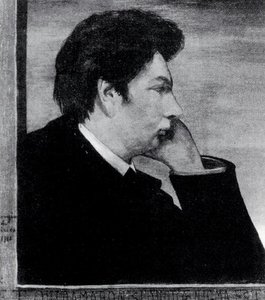
A haunting self-portrait by Giorgio de Chirico (1922). Explore the artist's melancholic style, surreal imagery, and philosophical depth in this iconic masterpiece.
Autoriaus biografija
Žygio de Čiriko kūriniai išgarsino metafizinį impresionizmą – šiuolaikinį meno stilį, kuriame naudojami simboliniai vaizdai ir įdomūs perspektyvos žaidimai. Štai jo gyvenimo istorija: Žygis de Čiriko gimė 1888 metais Volose, Graijoje, italijos tėvams – Genoeso moteriai ir Sicilijiečiui tėčiui. Jis studijavo Münchene ir buvo įtakotas Arnoldo Böcklinio darbais bei filosofija iš Nietsche ir Šopenhaue
About the painting
A Dreamscape in Gray: De Chirico’s “Self-Portrait 7”
Giorgio de Chirico's "Self-Portrait 7," painted around 1922, isn’t merely a depiction of an artist; it’s a distilled essence of the anxieties and intellectual currents swirling through Europe at the dawn of the 20th century. This haunting monochrome study, housed within the Toledo Museum of Art, invites us into a realm where reality fractures, memory bleeds into dream, and the self becomes both subject and object—a captivating paradox that defines much of de Chirico’s oeuvre. The painting immediately arrests with its stark simplicity: a figure rendered in muted grays, positioned slightly off-center against a subtly receding backdrop, his hand partially obscuring his mouth as if holding back a profound thought or perhaps a secret sorrow.
The work belongs firmly within de Chirico’s “Metaphysical” period, a movement he pioneered alongside his brother, Andrea Savinio. This style rejected the superficiality of contemporary art and sought to capture not just appearances but the underlying anxieties and irrationalities of human experience. Influenced by philosophers like Arthur Schopenhauer and Friedrich Nietzsche, de Chirico aimed to depict a world where logic dissolves, and the familiar becomes unsettlingly strange. The painting’s palette—a carefully orchestrated symphony of grays—is crucial to this effect. It's not simply black and white; it’s a spectrum of tones that evokes both melancholy and a sense of timelessness, mirroring the artist’s own preoccupation with mortality and the passage of time.
Deconstructing Form: Technique and Composition
Technically, “Self-Portrait 7” is characterized by a meticulous layering of oil paint—a technique de Chirico revisited after abandoning his earlier, more vibrant style. He employed subtle gradations of tone to create an illusion of depth and texture, suggesting the rough surface of clothing and the smooth planes of the face. The composition itself is deceptively simple, yet profoundly effective. The figure’s placement off-center creates a dynamic tension, drawing the eye across the canvas and inviting contemplation. Notice how the background recedes sharply, almost dissolving into an indeterminate space—a technique that reinforces the painting's sense of unease and disorientation.
The use of line is equally deliberate. The strong outlines defining the face and body are softened by the surrounding tones, creating a sense of ambiguity. There’s a deliberate lack of detail; de Chirico wasn’t interested in photographic realism but rather in capturing the *feeling* of a scene—the emotional weight of a moment. The inclusion of the bust of Eudipides, subtly referenced in the painting's title and further explored in another work by the artist, adds an additional layer of symbolic complexity, hinting at themes of fate, suffering, and the burden of knowledge.
Symbolism and Emotional Resonance
The obscured mouth is perhaps the most potent symbol within the portrait. It suggests restraint, introspection, or even a suppressed emotion—a refusal to fully articulate the anxieties that plague the artist’s mind. The overall mood is undeniably melancholic, yet there's also an undercurrent of quiet dignity and resilience. De Chirico wasn’t simply depicting sadness; he was exploring the complex relationship between the self and the world, revealing a profound sense of isolation within a rapidly changing society.
The painting’s setting—a vaguely architectural space—further contributes to its unsettling atmosphere. It's reminiscent of Roman arcades, which de Chirico frequently depicted in his work, but here they feel strangely deserted and devoid of life. This reinforces the sense of alienation and loneliness that permeates the portrait. The subtle inclusion of a tangerine adds an unexpected element of warmth and color—a fleeting reminder of beauty amidst the prevailing gloom.
A Legacy of Dreamlike Visions
“Self-Portrait 7” stands as a quintessential example of de Chirico’s unique artistic vision. It's a painting that defies easy interpretation, inviting viewers to engage with its mysteries and grapple with its emotional complexities. It’s not merely a portrait; it’s a window into the artist’s psyche—a glimpse behind the curtain of his creative process. De Chirico’s work continues to resonate today because it taps into universal anxieties about identity, mortality, and the nature of reality. Reproductions of this powerful image offer a chance to bring this dreamlike vision into your own space, prompting reflection and sparking conversation.
Klausimai ir atsakymai
Kokio meno kryžmės dalis yra „Self-portrait 7“ – Žiovas Čirikos?
„Self-portrait 7“ yra Metaphysical Art stiliaus kūrinys. Šis dailos kryptis nurodo meninę tradiciją, kurios šis darbas yra dalis.
Ar „Self-portrait 7“ – Žiovas Čirikos yra šviesaus ar tamsaus tono kūrinys?
Įrašytos „Self-portrait 7“ – Žiovas Čirikos reikšmės: šviesos intensyvumas – deep_shadow, luminansas – Soft Shadow.
Kur rekomenduojama eksponuoti „Self-portrait 7“ Portrait formatą?
„Self-portrait 7“ – Žiovas Čirikos formatas Portrait rekomenduojamas Living Room erdvėje. Formatas ir erdvė kartu padeda tinkamai išdėsti reprodukciją.
Quick facts and art quiz
About Žiovas Čirikos

Žiovas Čirikos
1888 - 1978, Հունաստան
Autoriaus biografija
Minties saponų peizažas: Giorgio de Chirico gyvenimas ir menas
1888 metais Graikijoje, Volose, gimė itališkos kilmės tėvai – genovė motina ir sicilietis tėtis – ir čia prasidėjo Giorgio de Chirico meninė kelionė, pilna tiek klasikinio paveldos, tiek augančio modernios svetimumo pojūčio. Jo ankstyvasis mokslas Atenos Politeknikoje padėjo pagrindus tradiciniams technikos įgūdžiams, tačiau būtent vėlesnės studijos Munoje tikrai uždegė jo kūrybinę dvasią. Ten, tarp intelektualinio prieškarinio Europos pulsavimo, jis susipažino su Arnoldo Böcklinio ir Max Klingerio kūriniais – menininkais, kurių simboliniai krajobaudai ir vaizduotį sukrėtęs vaizdinys giliai atgimė jo paties vystymėjusiame estetinėje pojūtyje. Joje taip pat didelę įtaką darė to meto filosofinės srovės – Friedrich Nietzsche, Arthur Schopenhauer ir Otto Weininger rašai, kurie tyrinėjo egzistencializmo temas, žmogaus troškimų ir racionalumo prieštaravimą bei subjektinę realybės prigimtį. Šios idėjos tapo pagrindiniu de Chirico revoliūcinės meninės vizijos elementu.Metafizinės paveikslavimo gimimas
Apie 1909 metus iš de Chirico tyrimų pradėjo iškilinė stiliaus inovacija – stilius, kurį jis pats pavadino „metafizine“ menė. Tai nebuvo tik stilistinis pokytis; tai buvo gilus bandymas įamžinti paslėptąją realybę po kasdienybės paviršiumi, atskleisti nerimą keliančią poeziją, slypstančią pažįstamose erdvėse. Lemiamu momentu tapo lankytas Florencijos miestas ir patirtis Piazza Santa Croce aikštėje, kuri įkvėpė jo ikoninę „Metafizinės miesto aikštės“ seriją. Šie paveikslai pasižymi šiurpia ramybe, ilgomis dramatiškomis šešėliais,elogiška perspektyva ir klasikinės architektūros deriniu su nerimą keliančiais elementais, tokiais kaip beveikiškos manekinų figūros ar pavėsio skubančios statulos. Efektas yra giliai sukrėtantis, evokuojantis nostalgiškumą, izoliaciją ir beveik nepakeliamą ilgesį kažkam prarastam ar nepasiekiamam. De Chirico įkūrė Scuola Metafisica, taip stipriai paveikdamas surrealizmą, nors vėliau pats siekė atsisverti jo interpretacijų savo kūrybai. Jo paveikslai nebuvo skirti svajonių iliustracijoms, o labiau bandymams pavaizduoti realybę už matomosios pasaulio ribų – sferą, kurioje laikas ir erdvė yra skysliu, o ribos tarp sąmonės ir nesąmonės –lyginamos. Žymūs kūriniai, tokie kaip The Vexations of the Thinker, The Enigma of an Autumn Afternoon ir The Song of Love, pavyzdžiai yra šios šiurpios estetikos, kviečiančios žiūrėtojus apsvarstyti egzistencijos paslaptis ir žmogaus suvokimo trapumą.Stiliaus pokytis ir ilgalaikis palikimas
Po Pirmojo pasaulinio karo, apie 1919 metus, de Chirico meninė plėtra nukreipė netikėtą kryptį. Jis atsisakė savo ankstyvojo metafizinio požiūrio, vietoj to pasirinkdamas labiau tradicinį neoklasicinį ar neobarokinį stilių. Šis pokytis sulaukė didelio skandalo; daugelis kritikų gailėjo pastebėjamo kokybės kritimo ir kaltino jį atsisakant inovatyvios dvasios, kuri apibrėžė jo ankstyvąjį kūrybinį kelią. Tačiau de Chirico išliko tvirtas savo meniniuose pasirinkimuose, vėl užsivėliadamas praeities temas, tačiau juos pateikdamas su kitokia estetiška jautrumo niūja. Jis toliau tapliai tapė ir rodė savo darbus visą gyvenimą, tyrinėdamas įvairius stilius ir temas, kartu išlaikydamas nuoseklų atsidavimą meistriškumui ir techniniam įgūdžiui. Nepaisant kritikos, jo įtaka būsimoms menininkų kartoms yra neįvertinjamas. Jo inovatyvus erdvės, perspektyvos ir simbolizmo naudojimas iššūkį metė konvencinėms meninėms normoms ir atvėrė kelią naujiems iš expressionizmo formų kūrybai.Įtampa ir neblėstantis poveikis
De Chirico kūriniai stovi kaip kritinis tiltas tarp XIX amso pamento simbolizmo judėjimo ir XX amso pradžios surrealizmo kilimo. Jam tiesioginę įtaką darė tokie menininkai kaip Arnoldo Böcklinis ir Max Klingeris, kurių evokuojantis vaizdinys rezonavo su jo paties susižavinimu mitologija ir priešświadiniu protu. Filosofai, tokie kaip Nietzsche ir Schopenhauer, suteikė jam pagrindą tyrinėti egzistencinės nerimo, svetimumo ir prasmės paieškos temas šiame mẽlynėje pasaulyje. Tačiau de Chirico įtaka išsivystė daug toli už surrealizmo ribų. Tokie menininkai kaip René Magritte ir Salvador Dalí buvo giliai įkvėpti jo metafinių paveikslų, pritaikydami jo sujuodinimo, neloginės perspektyvos ir simbolinio vaizdinio technikas savo paties sapnių pasauliams kurti. Jo darbai taip pat paveikė vėlesnius judėjimus, tokius kaip maginis realizmas, siekiantį įamžinti kasdienę realybę su padidintu paslapties pojūčiu ir psichologiniu gyliu. Šiandien de Chirico paveikslai rodomi didžiuosiuose muziejuose visame pasaulyje, įskaitant muziejų, skirtą jo kūrybai netoli Romos Ispano laiptų, užtikrinant, kad jo palikimas kaip vieno svarbiausių XX amžiaus meno veikėjų išliktų saugus. Jis paliko ne tik kūrybinį turtą, bet ir naują žiūrėjimo būdą – būdą suvokti pasaulį kaip vietą paslėptų prasmių, šiurpios grožio ir amžinos misterijos.Pagrindinės įtakos ir meninė kilmė
- Įkvėpė: Arnold Böcklin, Max Klinger, Friedrich Nietzsche, Arthur Schopenhauer.
- Paveikė: Surrealizmą, ypač tokius menininkus kaip René Magritte ir Salvador Dalí. Jo darbai taip pat paveikė vėlesnius judėjimus, tokius kaip maginis realizmas.
Trumpa informacija
- Artistic Movement Or Style: Metafizikos meno stilas
- Artists Or Movements Influenced By This Artist: ['Surrealizmas']
- Artists Who Influenced This Artist:
- Arnoldas Böcklinas
- Makslininkas Klingeris
- Date Of Birth: 10 spalio 1888 m.
- Date Of Death: 1978 m.
- Full Name: Giorgio de Chirico
- Nationality: Italianas
- Notable Artworks:
- Mąstytojo nuovargiai
- Rytinio pietų enigmos melodija
- Place Of Birth: Volos, Graikija
Tyrinėkite meno kūrinius, suskirstytus pagal temas, stilius ir savybes.


Self-portrait 7
·