

 Peržiūrėti realaus dydžio版
 Pasidalinti
 Dalintis
 Išsamiau
 Vadovas

 Atsisiųsti
 Panašūs eksponatai
 Rentgeno spindulių nuotrauka
 Automatinė diorama
 问答
问答 Statistika
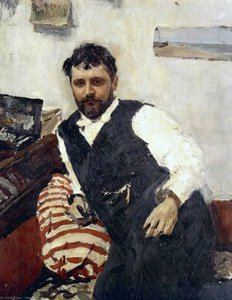
Diego Martelli


Giovanni Boldini's 'Portrait of Diego Martelli' (1865) captures a moment of quiet intimacy with dynamic brushwork and rich color, showcasing the artist’s signature style.
 Skaityti daugiau
Giovanni Boldini (1842-1931) – italų impresionistas, garsėjęs elegantišiais portretais ir dinamišku tapybos stiliumi. Atraskite „Swish“ meistro darbus, įamžinusius Belle Époque visuomenę!
Gaukite spausdinimui paruoštą failą, kurio kokybė gerokai viršija internetinę peržiūrą. Kiekvienas mūsų parduodamas skaitmeninis vaizdas yra ištrauktas iš aukštos raiškos pagrindinio failo mūsų duomenų bazėje — paprastai jis siekia nuo 5 000 iki 15 000 pikselių plotio — todėl galite drąsiai spausdinti didelius formatus, apkirpti vaizdą ar reprodukcija užtikrins visas smulkias detales.
Mūsų studijoje nė viena kopija nelieka neapdorota. Skaitmeninio vaizdo ekspertas, lygiu su originaliu paveikslu, patikrina spalvas ir, jei reikia, jas koreguoja, o tada profesionaliais retušavimo įrankiais padidina aiškumą bei detales — visada išlaikydamas ištikimybę autoriaus teptuko traukoms ir stiliui. Rezultatas – vaizdas, kuris atrodo kaip tikras paveikslas, o ne kaip su filtrais apdorotas skenavimas.
Patvirtinate prieš užsakymo pabaigą: mūsų ekspertas per 72 valandas el. laišku atsiųsta vaizdą jūsų peržiūrai. Nepasitenkinate rezultatu? Paprašykite patobulinimų ar pataisymų arba prašykite pinigų grąžinimo, jei kokybė neatitinka jūsų lūkesčių.
Ši kokybė yra patikima leidybos įstaigoms, dizaino studijoms, galerijoms ir spaudos įmonėms.
Skaitmeninis vaizdas
Atsisiųskite didelės raiškos failą asmeniniam naudojimui, spausdinimui ir kūrybiniams projektams. ( Perjungti į spausdinamus版作品 Pirkti rankų darbo tapybą)
Kiekvieną skaitinio vaizdo užsakymą papildė
Profesionalus skaitmeninis vaizdų pristatymas, garantuotas
Pasirinkę TopImpressionists.com, jūs ne tik gaunate paveikslėlį – jūs gaunate profesionaliai patobudintą skaitmeninį kūrinį, sukurtą itin tikniai ir užtikrinantį pasitenkinimą. Štai viską, kas automatiškai pritékia jūsų užsakymui:

Greitas pristatymas el. paštu
Jūsų aukštos raiškos skaitmeninis vaizdo failas bus išsiųstas el. paštu per 72 valandas nuo užsakymo – jis bus paruoštas naudoti be jokių papildomų veiksmų.

Dirbtiniu intelektu tobulintas skaitmeninis failas
Jūsų meno kūrinys profesionaliai optimizuojamas naudojant pažangius dirbtinio intelekto įrankius ir rankinį redagavimą, užtikrinant maksimalią detalę, aiškumą ir spalvų tikslumą.

Nemokamas visam laikui pakartotinis siuntimas
Atsitiktinai ištrytikote ar praradote savo failą? Nebijokite – bet kuriuo metu atsiųsime jį jums vėl nemokamai.

Jokio importo mokesčio – niekada
Mėgaukitės savo meno kūrynu be jokių muitinės mokesčių, įkainų ar pristatymo išlaidų – skaitiniai failai visada yra neapmokestinami.

Spalvų tikslumo garantija
Naudodami profesionalią įrangą ir spalvų valdymo sistemas, užtikriname, kad jūsų skaitmeninis vaizdas kuo tiksliau atspindėtų originalias spalvas.

100 dienų patikimumo garantija
Jei nebuvosite patenkinti įsigyto skaitmeninio vaizdo, mes jį tališkai koreguosime arba grąžinsime 100% sumą per 100 dienų – be jokių klausimų.

100% pinigų grąžinimo garantija
Nesitenkinate? Gaukite visą sumokėtą sumą per 100 dienų nuo skaitmeninio failo gavimo – be jokių papildomų klausimų.

Nuolaidos dideliems užsakymams
Pirkti 3 nuotraukas – 10% nuolaida – Pirkti 5 – 15% nuolaida – Pirkti 10 ir daugiau – 20% nuolaida. Puikiai tinka kūrybiniams projektams, galerijoms bei agentūroms.
Giovanni Boldini’s “Portrait of Diego Martelli” – A Window into Belle Époque Parisian Life
Giovanni Boldini's "Portrait of Diego Martelli," painted circa 1865, isn’t merely a likeness; it’s a carefully constructed tableau vivant, a snapshot of a specific moment in time and a testament to the artist’s remarkable ability to capture not just appearance but also character and atmosphere. This painting, now housed within the Palazzo Pitti in Florence, offers a captivating glimpse into the vibrant social scene of late 19th-century Paris – a world of artistic ferment, intellectual discourse, and burgeoning modernity. Boldini, already establishing himself as a master of portraiture, skillfully employs a technique that blends elements of Realism with the subtle influences of the Macchiaioli movement, creating an image both grounded in observation and imbued with a dynamic energy.
The subject, Diego Martelli, an Italian art critic instrumental in championing Impressionism within Italy, is depicted seated on the floor, a posture remarkably unconventional for formal portraits of the era. This deliberate choice immediately establishes a sense of intimacy and informality, suggesting a relaxed conversation or perhaps a shared moment of contemplation. Martelli’s attire – a dark, simple suit and hat – contrasts subtly with the vibrant, almost luminous, cloth draped across his lap, hinting at a connection to the natural world and a rejection of rigid social conventions. Boldini's masterful use of light is crucial; it doesn’t simply illuminate the subject but sculpts their form, creating depth and volume within the relatively small canvas.
The Influence of Macchiaioli Realism
Boldini’s artistic journey was profoundly shaped by his encounter with the Macchiaioli – a group of Tuscan painters who prioritized capturing fleeting moments and atmospheric effects over meticulous detail. This influence is evident in “Portrait of Diego Martelli” through Boldini's loose brushwork, particularly noticeable in the rendering of the fabric and background. Rather than striving for photographic accuracy, he employs broken color and visible strokes to convey a sense of immediacy and spontaneity – a hallmark of the Macchiaioli’s approach. The muted palette, dominated by browns, grays, and ochres, further reinforces this connection to nature and the transient qualities of light.
Furthermore, Boldini's composition echoes the Macchiaioli’s penchant for depicting subjects within their natural surroundings. The glimpse of a window in the background suggests a domestic setting, grounding Martelli in a specific place and time. This subtle inclusion adds layers of meaning to the portrait, inviting viewers to imagine the context of the scene and the lives of those depicted.
Symbolism and Emotional Resonance
Beyond its technical brilliance, “Portrait of Diego Martelli” is rich in symbolic detail. The seated position itself can be interpreted as a gesture of humility or openness, suggesting that Martelli is willing to share his thoughts and ideas with the viewer. The red cloth draped across his lap – a splash of vibrant color against the muted background – could symbolize passion, creativity, or perhaps even the revolutionary spirit of Impressionism. The direct gaze of Martelli’s eyes draws the viewer into the portrait, creating a powerful connection between subject and observer.
Boldini masterfully captures not just a physical likeness but also an essence—a sense of intellectual curiosity, quiet contemplation, and perhaps even a touch of melancholy. The painting evokes a feeling of intimacy and invites us to step back in time and witness a pivotal moment in the history of art.
A Masterpiece of Belle Époque Portraiture
“Portrait of Diego Martelli” stands as a quintessential example of Giovanni Boldini’s signature style – a captivating blend of realism, dynamism, and psychological insight. It's a painting that rewards careful observation, revealing new details with each viewing. Boldini’s ability to capture the fleeting moments of human interaction and imbue his portraits with emotional resonance cemented his reputation as “the Master of Swish,” a title reflecting both his distinctive brushwork and his remarkable talent for portraying the allure and sophistication of Parisian society during the Belle Époque. Reproductions of this iconic work offer a beautiful opportunity to bring a piece of art history into your home, capturing the spirit of a bygone era.
Klausimai ir atsakymai
Kokią nuotaiką „Diego Martelli“ – Giovanni Boldinis išreiškia Realism kontekste?
Realism kryptimi Realism stiliaus metu „Diego Martelli“ užfiksuotas Nostalgic tonu.
Kokią emociją sukelia „Diego Martelli“?
„Diego Martelli“ siejama su Nostalgic jausmu. Emocinis tonas aprašo įspūdį, kurį sukelia kūrinys.
Iš kokios šalies kilęs Realism kūrinys „Diego Martelli“?
„Diego Martelli“ sujungia Realism stilių su Italija, atspindėdama kūrėjo gimimo vietą.
panašūs kūriniai




Autoriaus biografija
Džiovani Boldinis: Elegancijos ir Belle Époque meistras
Giovanni Boldinis (1842–1931) – italių dailininkas, kurio vardas neatsiejamas nuo Belle Époque periodo elegancijos ir žavesio. Jis įsitvirtino Paryžiaus visuomenėje kaip garsiausias portretistas. Gimęs 1842 metų gruodžio 31 dieną Feraroje (Italijoje), Boldinis pradėjo savo meninę kelionę tėvo, religinių temų tapytojo, vadovaujant. Ši ankstyva patirtis suteikė jam pagrindinius technikos ir kompozicijos supratimą, tačiau persikėlimas į Florenciją 1862 metais išties uždegė jo kūrybinę dvasią. Ten jis susipažino su *Macchiaioli* – italių realistų grupe, pranašavusia Impresionizmą pabrėždama šviesą, spalvą ir spontanišką vykdymą. Ši pažintis buvo lemtinga, įtakodama Boldinio peizažus nauju gyvybingumu ir jautrumu gamtai. Tačiau būtent portretų kūrime jis galiausiai pasiekė ilgalaikės šlovės.Nuo Florencijos iki Paryžiaus Visuomenės
Boldinio meninis kelias pirmiausia nuvedė jį į Londoną, kur jis greitai sulaukė pripažinimo už žymių asmenų portretus, tokius kaip ledi Holand ir Vestminsterio hercogienė. Ši ankstyva sėkmė nutiesė kelią persikelti į Paryžių 1872 metais – miestą, kuris taps jo namais ir mūza. Paryžiuje Boldinis pasinėrė į meno aplinką, susidraugavo su Edgar Degas ir naršė sudėtingoje Prancūzijos sostinės socialinėje erdvėje. Jis sukūrė savitą stilių, kuriį apibūdino sklandumas, dinamiškumas ir beveik teatrališkumas. Jo potepiai nebuvo tik deskriptyviniai; atrodė, kad jie užfiksuoja judesį, asmenybę ir paties objekto aplinką. Šis unikalus požiūris 1933 metais jam pelnė pravardę “Swish” meistras – liudijimą maloningai energijai, persmeliančiai jo darbus. Jis tapo *pats* Paryžiaus aukštosios visuomenės portretistas, įamžindamas glamūrišką aktorių, socialinių veikėjų ir aristokratijos gyvenimą.Technika ir Įtakos
Boldinio technika buvo tokia pat žavinga, kaip ir jo atvaizduojamos asmenybės. Jo drobės dažnai buvo didelio formato, leidžiančios perteikti didingumo ir buvimo pojūtį. Jis naudojo laisvus, ekspresyvius potepius, sukaupdamas spalvų sluoksnius tekstūrai ir gyliui sukurti. Šis požiūris, kartu su jo aštriu dėmesiu detalėms ir gebėjimu užfiksuoti trumpalaikius reiškinius, davė portretus, kurie buvo tiek stebinančiai realistai, tiek kupini neapsakomo stiliaus. Nors Boldinis buvo įtakotas *Macchiaioli* pabrėžimo šviesos ir spontaniškumo, jis taip pat semė įkvėpimo iš tokių menininkų kaip John Singer Sargent ir Paul Helleu, kurių dinamiški potepiai atsiliepė jo meniškai jautriai prigimčiai. Jis tiesiog neperkopijavo panašumų; jis kūrė įspūdžius – vaizdinius charakterio ir socialinės padėties atvaizdus. Jo portretai nebuvo tik paveikslai; tai buvo pareiškimai.Palikimas ir Atkūrimas
Visą savo karjerą Boldinis plačiai eksponavo, įskaitant Venecijos bienalę 1895, 1903, 1905 ir 1912 metaisis. Jis gavo Garbės legiono ordiną už savo indėlį į menus, įtvirtindamas savo poziciją kaip vienas iš pirmaujančių Paryžiaus meno pasaulio atstovų. Tačiau karjeros pabaigoje Boldinio populiarumas sumažėjo, keičiantis meno skoniams. Jis tęsė tapybą, tačiau jo darbai kiek užmiršo iki pastarųjų dešimtmečių, kai buvo pastebėtas nuostabus susidomėjimo atgimimas. Pamestų darbų atkūrimas, pavyzdžiui, žavingas Marthe de Florian portretas, rastas paslėptas Paryžiaus bute 2010 metais, vėl paskatino susižavėti Boldinio menu ir padidino dėmesį jo reikšmingam indėliui į Belle Époque meną. Ši istorija aplink šį paveikslą – pamirštas lobis, atrastas po dešimtmečių slaptybės – tik prideda paslaplumo tiek menininkui, tiek jo objektams.Amžinas Įspūdis
Giovanni Boldinis mirė Paryžiuje 1931 metų sausio 11 dieną, palikęs palikimą kaip vienas iš madingiausių ir novatoriškiausių savo laikmečio portretistų. Jo darbai tebeturi įkvėpti menininkus ir meno entuziastus visame pasaulyje, suteikiant žvilgsnį į praeities erą – elegancijos, rafinuotumo ir meniškos spalvos. Jis tiesiog nedokumentavo visuomenę; jis ją šventė – užfiksuodamas jos grožį, energiją ir nesibaigiantį žavesį drobėje. Boldinio portretai išlieka galingais jo įgūdžių, vizijos ir gebėjimo paversti tapybos aktą įtraukiančiu pasirodymu liudijimais.- Boldinio įtaka matoma šiuolaikinėje portretinėje tapyboje.
- Jo darbai eksponuojami pagrindiniuose muziejuose visame pasaulyje.
- Pamestų darbų atkūrimas tebeturi paskatinti mokslinius tyrimus.

Giovanni Boldinis
1842 - 1931 , Italija
Trumpa informacija
- Gimimo Data: 1842 gruodžio 31 d.
- Gimimo Vieta: Ferara, Italija
- Meninis Stilius: Impresionizmas
- Mirties Data: 1931 liepos 11 d.
- Pilietybė: Italijos
- Pilnas Vardas: Giovanni Boldini
- Įtakoję Menininkai: ['Macchiaioli tapytojai']
- Įtakoti Menininkai: ['John Singer Sargent']
- Žymiausi Darbai:
- Grafienė de Rasty
- Mašina Marlyje