

Shown: · With its frame:
 Peržiūrėti realaus dydžio版
 Pasidalinti
 Dalintis
 Išsamiau
 Vadovas

 Atsisiųsti
 Panašūs eksponatai
 Rentgeno spindulių nuotrauka
 Automatinė diorama
 Q&A
Q&A Statistika


€ 239
Rankų darbo aliejinės reprodukcijos
Rankiniu būdu tapytas aliejus ant droblio jūsų pageidaujamame dydį ir rėmuose – tai mūsų menininkų pagal užsakymą sukurtas darbas. ( Perjungti į spausdinamus版作品 Perejti prie skaitmeninių vaizdų)
Size
·Standartinis dydis
pagal užsakymą
CM
INCH
Pasirinkite iš mūsų nustatytų dydžių, atitinkančių originalaus meno kūrinio proporcijas.
Loading sizes...

plotis
aukštis
Įveskite jums reikiamą plotį ir aukštį, kad paveikslas atitiktų jūsų rėmą ar sieną. Kadangi šis darbas yra rankinio darbo, siekiant išgauti kitokios formos dydį, paveikslas gali būti šiek tiek didesnis (nuo kraštų bus palikta daugiau erdvės) arba mažesnis – pasirinkite jums patogiausią variantą. Prieš pradedant tapyti, atsiųsime jums skaitmeninį maketą patvirtinimui. Šioje puslapio nuotraukoje matomas vaizdas nėra galutinis rezultatas – jį parodys tik sukurtas maketas.
 Skaityti daugiau
Finish
·
White €1

Blurside €1

Extended €1

P118B €10

P118H €10

P118W €10

P438Z €10

P508JH €12

P508YH €12

P805H €10

P805Z €10

P919BZ €10

P919G €10

P919XJ €10

P959ZH €10

P968JZ €12

W106C €8

W218G €10

W218JH €8

W218Y €10

W307PJ €10

W316G €10

W316PJ €8

W316Y €10

W398PJ €8

W4111J €10

W500HY €15

W500JH €15

W692G €12

W849H €8

W940BG €15

W953PJ €8

H24-GOLD €30

H24-SILVER €30

H36-GOLD €45

H36-SILVER €45
Shipped in a protective tube, ready for your own framer.
Above 105 cm the frame is shipped as a kit for a professional framer — read the details.
Extras
optionalWhat do the extras include?
Examples of what can be changed: Replace face with customer photo; Add pet (e.g., replace cat with dog); Include hidden message in background; Change background landscape or elements.
After order, TopImpressionists.com team will email client for instructions and provide a mockup preview
After order, TopImpressionists.com team will email client for instructions and provide a mockup preview
Pristatymas visame pasaulyje () per 3–4 savaites, o ne įprastai – per 5 savaites. (1 lapkritis). Kokybė lieka nepakeičiama.
Apsauginis lakas
Pavadinimo lentelė
Išgraviruotos bronzinės plokštelės detalės
This elegant plaque features the artist's name and the title of the artwork, finely engraved for a timeless presentation.
It is made from bronze with a refined, elegant finish. The text is precisely laser-engraved for a sharp and permanent result. Measuring 9x2 cm, the plaque is compact yet easy to read. It's built to be durable and scratch-resistant, offering a professional, museum-quality look. Mounting is simple thanks to the included adhesive backing.
Skaidrios akrilo plokštelės informacija
The plaque includes essential engraved details such as the artist's name, the title of the artwork, the date it was created, the type of media used-like oil on canvas or watercolor-a brief description of the piece, and a QR code that links to the complete artwork information.
It is crafted from clear acrylic, offering a sleek, modern appearance. The text is UV-engraved in black to ensure strong visual contrast. With a size of 10x15 cm, it ensures optimal readability. It comes equipped with two metal hooks for secure wall mounting. The plaque is designed to be weather-resistant, making it suitable for various environments, and it includes interactive features that work seamlessly with smartphone scanning.
Juodos akrilo plokštelės informacija
This elegant plaque includes engraved information such as the artist's name, the title of the artwork, the date it was created, the type of media used (like oil on canvas or watercolor), a short description of the artwork, and a QR code for quick access to more information.
The plaque itself is made from refined black acrylic with a premium finish. The text is laser-engraved in white for high contrast and readability. Its size is 10x15 cm, designed to be easy to read. It comes with two metal hooks for professional mounting. The design is sleek and fits any interior style. It is also weather-resistant and durable, with built-in digital integration for mobile compatibility.
Stiklo variantas prieinamas tik pasirinkus dydį iki 110 cm
 Stiklo variantas prieinamas tik pasirinkus dydį iki 110 cm
- Nemokamas greitasis pristatymas visame pasaulyje
- Aukštos kokybės lininis drobė
- Pilnas siuntimo draudimas
- Muitinės mokesčių grąžinimo garantija
- Tikro spalvų atitikimo garantija
- 100 dienų grąžinimo politika (tik esant įtaigoms)
- 100% pinigų grąžinimo garantija
- Nuolaida dideliems užsakymams


Kolekcinio objekto aprašas
Experience the elegance of Rococo art! Giovanni Domenico Tiepolo's 'Minuet,' painted in 1756, captures a lively Venetian ballroom scene with vibrant colors and masterful composition.
Autoriaus biografija
Atraskite Giovanni Domenico Tiepolo, Rokoko meistrą ir Giovanni Battista sūnų! Tyrinėkite jo venecijos freskojus bei mitologinius paveikslus, spinduliuojančius eleganciją ir meistriškumą.
About the painting
A Symphony of Grace: The Rococo Splendor of Tiepolo’s Minuet
In the delicate dance of light and shadow, Giovanni Domenico Tiepolo’s 1756 masterpiece, "Minuet," invites the viewer into a world where the boundaries between the earthly and the divine dissolve. As a quintessential emblem of the Rococo movement, this work captures the very essence of eighteenth-century aristocratic elegance—a period defined by a thirst for frivolity, idealized beauty, and theatrical grandeur. To gaze upon this canvas is to step into the opulent social spheres of the Habsburg court, where every gesture is choreographed with refinement and every hue whispers of luxury. The painting does not merely depict a dance; it orchestrates an immersive experience, pulling the observer into a rhythmic celebration of life itself.
The composition is a masterclass in the Rococo aesthetic, characterized by its rejection of Baroque solemnity in favor of playful asymmetry and a luminous, pastel-driven palette. Tiepolo employs a breathtaking array of delicate creams, blush pinks, and shimmering golds that seem to glow from within, mirroring the sumptuous silks and intricate ornamentation found in the grandest European interiors. Through the expert use of trompe l'oeil techniques, the artist subtly blurs the lines between the painted surface and architectural reality, creating an illusionistic depth that makes the grand classical structures feel as though they are expanding into the viewer's own space. The light does not simply illuminate the figures; it dances across them, lending a palpable sense of atmosphere and movement to the entire scene.
Mythological Echoes and Symbolic Grandeur
Beyond its surface-level charm, "Minuet" is deeply interwoven with the mythological narratives that provided the intellectual backbone of the era. At the heart of this graceful ballet stands a statue of Diana, the goddess of hunting and chastity. This inclusion serves as a profound symbol of virtue and nobility, acting as a silent, watchful guardian over the festivities. The dancers and musicians, arranged in a rhythmic semi-circle, are positioned within an architectural setting reminiscent of ancient Roman temples, a deliberate choice by Tiepolo to ground the ephemeral joy of the dance in the eternal ideals of classical harmony and proportion. This juxtaposition suggests that even the most fleeting moments of human pleasure can be imbued with divine significance.
For the discerning collector or interior designer, "Minuet" offers more than just visual beauty; it provides a profound emotional resonance. The painting captures a sense of exuberant optimism and the effortless poise of a bygone era. Whether placed in a sun-drenched gallery or as a focal point in a sophisticated living space, a high-quality reproduction of this work brings with it an air of historical prestige and timeless sophistication. It is a piece that invites conversation, evoking the spirit of an age where art was a celebration of light, movement, and the enduring pursuit of grace.
Klausimai ir atsakymai
Kokia bendra „Minuet“ – Giovanni Domenico Tiepolo nuotauda?
„Minuet“ – Giovanni Domenico Tiepolo nuotaika apibūdinama kaip Elegant. Ši klasifikacija gali padėti priderinti kūrinį prie aplinkos.
Atsižvelgiant į kūrinio datą, prie kokios Giovanni Domenico Tiepolo karjeros etapos galima priskirti „Minuet“?
„Minuet“, sukurta 1756 m., priklauso Giovanni Domenico Tiepolo kūrybinio karjeros laikotarpio Mature Period.
Kuris menininkas ir koks stilius slypi už „Minuet“?
„Minuet“ kūrybinį darbu pasižymi Giovanni Domenico Tiepolo, taikantis Rococo Style stilių. Autorius ir stilius nurodo šio kūrinio tradiciją.
Quick facts and art quiz
About Giovanni Domenico Tiepolo
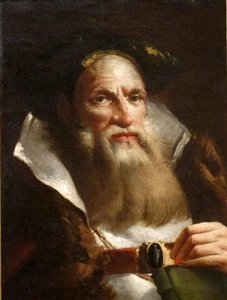
Giovanni Domenico Tiepolo
2007 - 1770, इटalija
Autoriaus biografija
Giovanni Domenico Tiepolo: Rokoko freskojų meistras
Giovanni Domenico Tiepolo (1727 m. rugpjūčio 30 d. – 1804 m. kovo 3 d.) buvo iškilmingas Italijos tapysna ir grafikos meistras iš Venecijos respublikos. Jis įsimintina kaip viena pagrindinių Rokoko stiliaus figūra, paveldėjęs ir išplėtentojęs savo garsiojo tėvo, Giovanni Battista Tiepolo, kūrybinį palikimą. Jo karjera išštino keliasdešimtmetį, palikdama po savęs turtingą darbų korpusą, pasižymintį gyvomis spalvomis, dinamiškomis kompozicijomis bei elegantiškais mitologinių scenų, portretų ir peizažų vaizdais.
Vaikystė ir mokslas
Gimęs menininkų šeimoje, Giovanni Domenico ankstyvasis gyvenimas buvo glaudžiai susipynęs su meno pasauliu. Jo pagrindiniu mentoriumi pasirodė tėvas, Giovanni Battista Tiepolo – garsusis tapysna, žinomas dėl savo monumentalinių freskojų. Giovanni Domenico gavo griežtą mokymą po tėvo priežiūra, išmokdamas technikas ir stiliaus niuansus, kurie vėliau suformuodavo jo patį meninį vystymąsi. Taip pat jam padėjo susipažinimas su kitais to laikmečio iškilmingais menininkais, įskaitant Sebastiano Ricci ir Federico Bencovich, taip dar plačiau išsiplėstant jo menines horizontus. Jaunystėje jis dažnai padėdavo savo tėvui dirbant didžiuosiuose projektuose, taip įgyjant neįvertinjamą praktinę patirtį freskojų tapybos srityje.
Meninė karjera ir stilius
Giovanni Domenico karjera puikiai klestėjo visame XVIII amžiuje. Jis įsipakeitė kaip meistriškas menininkas, gebantis sukurti tiek nepriklausomus kūrinius, tiek prisidėti prie bendrų projektų. Nors iš pradžių dirbo artimai su tėvu, jis palaipsniui išрабоjo savo išskirtinį stilių, išlaikydamas elementus, būdingus venecijos menui tuo metu vyravusiam Rokoko estetiškumui. Jo kūrybinis palikimas apima freskojas, tapybą ant drobės ir eidinį.
- Freskojos: Tiepolo buvo ypač garsus savo freskojų kūriniais, nukladęs sudėtingas scenas į daugybę vietų Italijoje. Žinomiausi pavyzdžiai yra freskojos Venecijoje, Grand Canal prie Ca' Dolfin, bei Gesuati (Santa Maria del Rosario) bažnyčios lubų dekoracijos.
- <Tapyba: Be freskojų, jis sukūrė daugybę paveikslų ant drobės, dažnai vaizduodamas mitologines temas ar portretus. Tarp jų yra „Persejus ir Andromeda“ (peržiūrėti čia), „Europa pavargimas“ (peržiūrėti čia) ir „Medevys su briedu“ (peržiūrėti čia).
- <Eidiniai: Tiepolo taip pat pademonstravo savo meistriškumą eidinėje grafikoje, sukurdamas detalizuotas ir išraišmingas spaudas, tokius kaip „Šventieji Augustinukas, Prancūzijos Liudvikas, Evangelistas Jonas ir Magnus“ (peržiūrėti čia).
Įtampų paveikimas ir vystymasis
Giovanni Domenico meninis vystymasis buvo giliai įvertintas jo tėvo, Giovanni Battista Tiepolo, įtakos. Jis paveldėjo vyresniojo Tiepolo meistriškumą spalvų, kompozicijos ir naratyvinio pasakojimo srityse. Tačiau Giovanni Domenico stilius evoliucionavo įtraukiant didesnį dėmesį į žanrinę tapybą ir kasdienio gyvenimo vaizdavimą, taip išsiskiriant nuo tėvo monumentalinių ir klasikinio stiliaus įkvėptų darbų. Jis taip pat rodė susidomėjimą teatralumu ir judesiu, kas tampa akivaizdu tokiuose paveiksluose kaip „Pulcinella“ (peržiūrėti čia) ir „Herkulio apoteozė“ (peržiūrėti čia).
Istorinė reikšmė
Giovanni Domenico Tiepolo playing letingą vaidmenį venecijos Rokoko meno tęsinyje ir evoliucijoje. Nors gyvavimo metu jis buvo šiek tiek prislėgtas tėvo šlovės, šiandien jis pripažįstamas kaip reikšmingas menininkas savo vardu. Jo freskojos ir paveikslai suteikia vertingų įžvalgų apie XVIII amžiaus Venecijos ir Italijos menines skonius bei kultūrines vertybes. Jo gebėjimas suderinti klasicinius temas su samties jautrumu užtvirtino jo vietą Rokoko judėjime, palikdama gyvą meno palikimą, kuris ir šiandien sužavėtų žiūrovus.
Quick facts about Giovanni Domenico Tiepolo
- Artistic Movement Or Style: Rokoko
- Artists Who Influenced This Artist: ['Giovanni Battista Tiepolo']
- Date Of Birth: 1727 m. rugpjūčio 30 d.
- Date Of Death: 1804 m. kovo 3 d.
- Full Name: Giovanni Domenico Tiepolo
- Nationality: Itališkas
- Notable Artworks:
- Persejus ir Andromeda
- Europa nuobradi
- Place Of Birth: Venecija, Italija

Giovanni Domenico Tiepolo
Minuet
() ·
With its frame: · Hand-painted in oil on linen
Total