

 Peržiūrėti realaus dydžio版
 Siųsti
 Dalintis
 Išsamiau
 Vadovas

 Atsisiųsti
 Panašūs eksponatai
 Rentgeno spindulių nuotrauka
 Diaporama
 Statistika
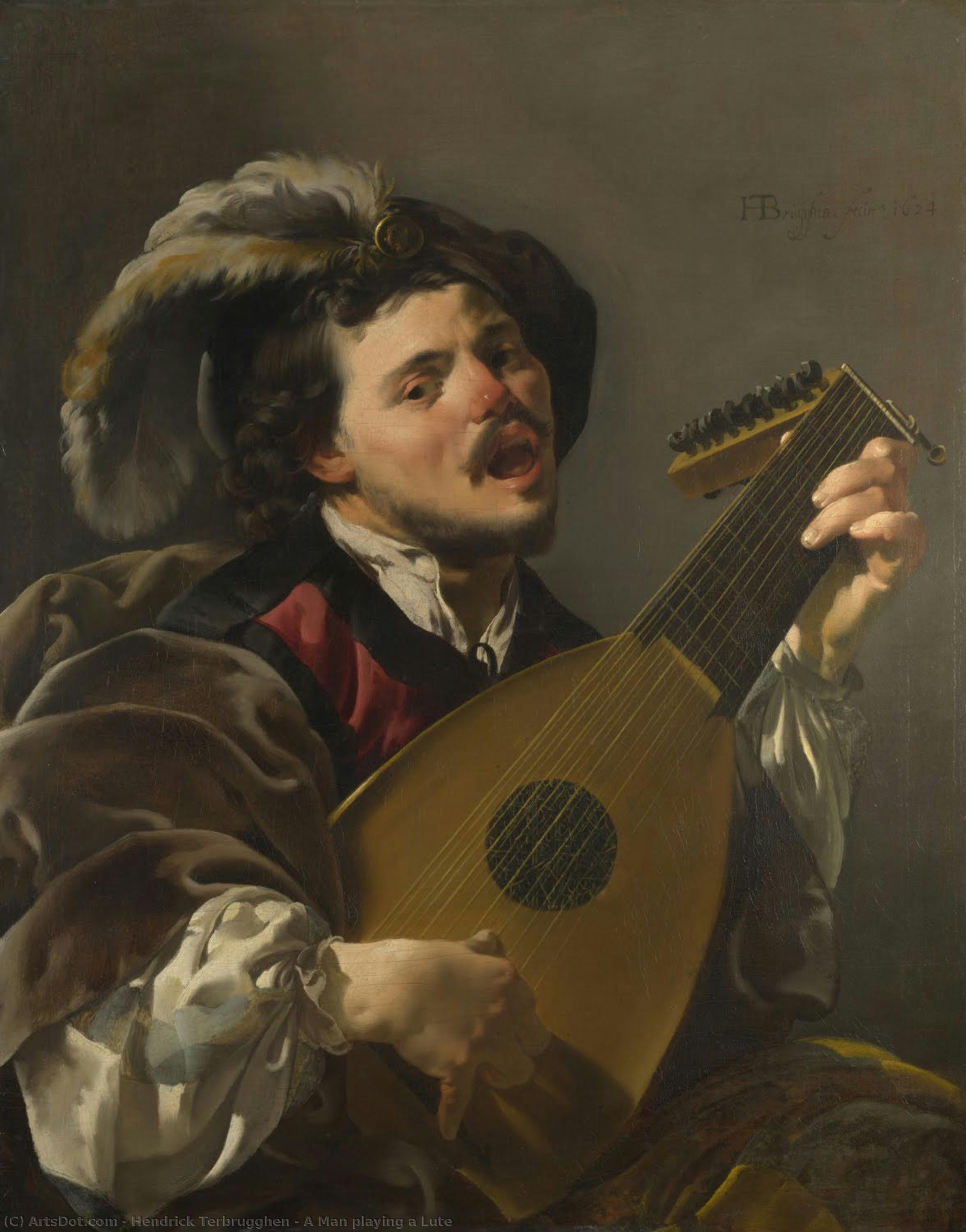
A Man playing a Lute
 Oil
Oil- WallArt
- Baroque
 1624
1624- Early Modern
 100.0 x 78.0 cm
 Nacionalinė galerija
Hendrick Terbrugghen's masterpiece, ‘A Man Playing a Lute,’ exemplifies the Utrecht Caravaggisti movement. Painted in 1624, it captures a male musician engrossed in his instrument—a lute—with masterful use of chiaroscuro reminiscent of Caravaggio’s style.
 Rodyti daugiau
Susipažinkite su Hendrick Terbrugghen: Holandijos orenės laikų dailininkas, žinomas dėl dramatiško šviesos ir šešėlio naudojimo, įkvėptas Karavaggiju. Suskaitykite jo „Paskelbimą“ ir „Žvainiu lūdienį“. #HolandijosMokslas #Karavaggisti
Giclée / Meno spausdinimas
Muziejų lygio „giclée“ arba drobos spausdinimas: greita gamyba ir lankstios apdailos parinktys. ( Pirkti rankomis tapytą reprodukciją Perejti prie skaitmeninių vaizdų)




P118B €10

P118H €10

P118W €10

P438Z €10

P508JH €12

P508YH €12

P805H €10

P805Z €10

P919BZ €10

P919G €10

P919XJ €10

P959ZH €10

P968JZ €12

W106C €8

W218G €10

W218JH €8

W218Y €10

W307PJ €10

W316G €10

W316PJ €8

W316Y €10

W398PJ €8

W4111J €10

W500HY €15

W500JH €15

W692G €12

W849H €8

W940BG €15

W953PJ €8




Standartinis
individualaus dydžio
CM
INCH
Pasirinkite iš mūsų nustatytų dydžių, atitinkančių originalaus meno kūrinio proporcijas.
Loading sizes...

plotis
aukštis
Įveskite jums reikiamą plotį ir aukštį, kad atvaizdas derėtų prie jūsų rėmo ar sienos. Spausdiną galima tik sumažinti, bet nepadidinti virš originalaus paveikslėlio dydžio, todėl keičiant proporcijas, dalis vaizdo prarandama. Prieš spausdinimą atsiųsime jums skaitmeninį maketą patvirtinimui. Šioje puslapio nuotraukoje matomas pjūvis nėra tikslus – jį rodo tik maketas.
Pristatymas visame pasaulyje () per 2 weeks, o ne įprastas 4/5 savaičių laikotarpis. (27 spalis)

Nemokamas greitasis pristatymas visame pasaulyje

Aukštos kokybės lininis drobė

Pilnas siuntimo draudimas

Muitinės mokesčių grąžinimo garantija

Tikro spalvų atitikimo garantija

100 dienų grąžinimo politika (tik esant įtaigoms)

100% pinigų grąžinimo garantija

Nuolaida dideliems užsakymams
 Stiklo variantas prieinamas tik pasirinkus dydį iki 110 cm

A Man playing a Lute
Giclée / Meno spausdinimas
Reprodukcijos dydis
-


Visų pasirinktų variantų kaina
€ 61
The Melodic Shadows of the Utrecht Caravaggisti
In the quiet intimacy of 1624, Hendrick Terbrugghen captured a moment of profound musical devotion that transcends the centuries. A Man playing a Lute is not merely a portrait of a musician; it is a masterclass in the dramatic interplay of light and shadow, a hallmark of the Utrecht Caravaggisti movement. As the man cradles his instrument, the viewer is drawn into a private world where the only sound is the imagined resonance of plucked strings. The composition breathes with an elegance that speaks to the sophisticated tastes of the Dutch Golden Age, offering a window into a period where art sought to bridge the gap between the earthly and the divine through the visceral beauty of everyday life.
The technique employed by Terbrugghen is nothing short of breathtaking. Utilizing the chiaroscuro method—a technique perfected by Caravaggio and brought to the Netherlands by artists like Terbrugghen—the painter uses deep, velvety shadows to sculpt the figure from the darkness. This high-contrast approach directs our gaze toward the vibrant textures of the subject's attire: the rich, crimson fabric of his clothing and the soft, tactile presence of his fur-trimmed hat. Every brushstroke serves to highlight the intricate craftsmanship of the lute itself, making the instrument feel heavy, tangible, and central to the soul of the painting.
A Symphony of Color and Texture
For the discerning collector or interior designer, this piece offers a magnificent palette of warm tones that can anchor a room with a sense of historical prestige. The deep reds and earthy ochres create an atmosphere of warmth and luxury, making it an ideal centerpiece for a study, a library, or a formal dining area. The visual weight of the lute, which occupies a significant portion of the canvas, provides a structural focal point that commands attention without overwhelming the surrounding decor. It is a work that invites contemplation, encouraging guests to linger on the fine details of the man's concentrated expression and the delicate anatomy of his hands.
Beyond its aesthetic appeal, the painting carries a symbolic weight common in seventeenth-century Dutch art. The lute often served as a metaphor for harmony—both musical and social. To possess such a work is to invite a sense of balance and refined culture into one's space. Whether viewed as a historical artifact or a stunning decorative element, A Man playing a Lute remains a timeless testament to the power of light to reveal the hidden beauty in a single, fleeting moment of artistic expression.
问答 (or more naturally for a website heading): Klausimai ir atsakymai
Kas sukūrė „A Man playing a Lute“?
„A Man playing a Lute“ kūrybinį darbą sukūrė Hendrick Terbrugghen. Šioje puslapio informacijoje aprašomas Hendrick Terbrugghen originalus kūrinys.
Ar galiu užsisakyti „A Man playing a Lute“ aliejinį reprodukciją?
„A Man playing a Lute“ galima įsigyti kaip rankomis dažyta aliejų reprodukcija ant lininio drobos. Užsakymą galite padaryti atskiroje Rankų darbo reprodukcija puslapio, pasirinkę tinkamą dydį.
Kokią nasytintį ir intensyvumą demonstruoja „A Man playing a Lute“, autorius – Hendrick Terbrugghen?
Kūrinys „A Man playing a Lute“, autorius – Hendrick Terbrugghen užfiksuotas su Subtle Color nasyginimu ir Monochromatic intensyvumu.
Autoriaus biografija
Iš ankstyvo gyvenimo ir įtakų
Hendrick Jansz Ter Brugghenas, išsalsius nutikęs holandijos orenkos laikų dailininkas, gimė 1588 m. Overijsel, Holandijoje. Jo tėvis, Jan Egbertsz Ter Brugghenas, dirbo kaip sekretorius Utrecht miesto teatrije pas princą Williamą Milmą. Šis patirtis tikėtina paveikino Hendrickio ankstyvę susidomėjimą mena.Menininkų karjera ir stilius
Ter Bruggheno meninis kelionė pradėjo jo studijuojant pas Abraham Bloemaertą, manieristų dailininką. Vėliau jis tapo vienu iš vadovaujių Utrecht caravaggisti grupės narių – holandijos dailininkų grupės, įkvėptų nuo Caravaggio. Jo kūriniai garsė dramatišku šviesos ir šešėlio naudojimu, kaip matyti joose piktavose, tokiose kaip Anunciacija (Alte Pinakothek, Münynė, Vokietija) ir Revelleris (Alte Pinakothek, Münynė, Vokietija).Žymūs kūriniai ir palikta medžiaga
- Dainuojantis lūto žoidiklis (Kremerio kolekcija, Amsterdamas, Holandija), autografinis replica iš piktavės Londono nacionalinėje galerijoje, rodoma jo gausia spalva.
- Anunciacija, maîtreso kūrinis, atspindintis jo įvaldą Caravaggio stilyje.
Muziejai ir kolekcijos, kurose rodomi Ter Bruggheno kūriniai
- Mauritshuis (Haagas, Holandija), su tokių darbų pavykimu kaip Nimfa ir satyras iš Sir Peter Paul Rubenso.
- Kremerio kolekcija (Amsterdamas, Holandija), saugo Ter Bruggheno Dainuojantis lūto žoidiklis.
- Išplėskite daugiau Ter Bruggheno darbų adresu TopImpressionists.com
- Susipažinkite su holandijos orenkos laikų piktavėse ir jų įtakomis TopImpressionists.com menininkų istorijos skyriuje
- Mokykis apie kitus menininkus, pavyzdžiui Dirck van Babureną, bendraštuvio Utrecht caravaggisti, adresu TopImpressionists.com
Išvada
Ter Bruggheno misterijus gyvenimas ir jo didelė įtaka holandijos orenkos laikų piktavėse paliko ne ištrinkamą žymię menininkų istorijoje. Jo dramatiškas šviesos ir šešėlio naudojimas nuolat įkvepia tiek dailininkus, tiek meno mėgėjusius, panašindamas jį įdomią figūrą meno pasaulyje.
Hendrick Terbrugghen
1627 - 1629 , Neterlandės
Trumpa informacija apie kūrėją
- Artistic Movement Or Style: Karevaggisto dailė
- Artists Or Movements Influenced By This Artist: Rembrandt van Rijn
- Artists Who Influenced This Artist: Abraham Bloemaert
- Date Of Birth: 1588
- Date Of Death: 2029年11月
- Full Name: Hendrick Jansz Terbrugghen
- Nationality: Holandietis
- Notable Artworks:
- Dainuojantis lūties žoidiklis
- Paskelbti
- David, pagaros iš Israelietės moterys
- Place Of Birth: Overijssel, Holandija
Susiję straipsniai

Golden Light & Dutch Skies: The Timeless Magic of Dutch Golden Age Landscapes
Discover the breathtaking beauty of Dutch Golden Age landscapes. Explore the mastery of light, chiaroscuro, and 17th-century realism through an expert art history lens, celebrating the enduring legacy of the Dutch Masters for discerning collectors and art lovers.

Mastering Light & Shadow: A Journey Through the Dutch Golden Age's Luminous Legacy
Embark on a cultural journey through the Dutch Golden Age. Explore the masterful interplay of light and shadow in 17th-century masterpieces, from Rembrandt to Vermeer, and discover how this era of profound realism continues to inspire fine art collectors today.
Tyrinėkite meno kūrinius, suskirstytus pagal temas, stilius ir savybes.
