


 Peržiūrėti realaus dydžio版
 Siųsti
 Dalintis
 Išsamiau
 Vadovas

 Atsisiųsti
 Panašūs eksponatai
 Rentgeno spindulių nuotrauka
 Diaporama
 Statistika
Lycaon Transformed into a Wolf


 Rodyti daugiau
Tyrkite Hendrikio Goltio (1558–1617) graviures ir tapylas – Šiaurės manierizmo meistro kūrybą. Atraskite jo dinamiškas kompozicijas, inovatyvias technikas, tokias kaip „plečianti linija“, ir įtaką baroko menui.
Giclée / Meno spausdinimas
Muziejų lygio „giclée“ arba drobos spausdinimas: greita gamyba ir lankstios apdailos parinktys. ( Pirkti rankomis tapytą reprodukciją Perejti prie skaitmeninių vaizdų)




P118B €10

P118H €10

P118W €10

P438Z €10

P508JH €12

P508YH €12

P805H €10

P805Z €10

P919BZ €10

P919G €10

P919XJ €10

P959ZH €10

P968JZ €12

W106C €8

W218G €10

W218JH €8

W218Y €10

W307PJ €10

W316G €10

W316PJ €8

W316Y €10

W398PJ €8

W4111J €10

W500HY €15

W500JH €15

W692G €12

W849H €8

W940BG €15

W953PJ €8




Standartinis
individualaus dydžio
CM
INCH
Pasirinkite iš mūsų nustatytų dydžių, atitinkančių originalaus meno kūrinio proporcijas.
Loading sizes...

plotis
aukštis
Įveskite jums reikiamą plotį ir aukštį, kad atvaizdas derėtų prie jūsų rėmo ar sienos. Spausdiną galima tik sumažinti, bet nepadidinti virš originalaus paveikslėlio dydžio, todėl keičiant proporcijas, dalis vaizdo prarandama. Prieš spausdinimą atsiųsime jums skaitmeninį maketą patvirtinimui. Šioje puslapio nuotraukoje matomas pjūvis nėra tikslus – jį rodo tik maketas.
Pristatymas visame pasaulyje () per 2 weeks, o ne įprastas 4/5 savaičių laikotarpis. (25 spalis)

Nemokamas greitasis pristatymas visame pasaulyje

Aukštos kokybės lininis drobė

Pilnas siuntimo draudimas

Muitinės mokesčių grąžinimo garantija

Tikro spalvų atitikimo garantija

100 dienų grąžinimo politika (tik esant įtaigoms)

100% pinigų grąžinimo garantija

Nuolaida dideliems užsakymams
 Stiklo variantas prieinamas tik pasirinkus dydį iki 110 cm

Lycaon Transformed into a Wolf
Giclée / Meno spausdinimas
Reprodukcijos dydis
-


Visų pasirinktų variantų kaina
€ 61
Lycaon Transformed Into A Wolf – An Emblematic Baroque Vision
Hendrik Goltzius’s “Lycaon Changed Into A Wolf,” created in 1589, stands as a testament to the burgeoning baroque aesthetic within Dutch printmaking. Executed by Goltzius's workshop after his own disegno—a preparatory sketch—this engraving embodies the spirit of northern mannerism, characterized by dramatic chiaroscuro and an unsettling preoccupation with psychological complexity. It’s more than just a depiction; it’s a carefully crafted symbol resonating with biblical allusion and reflecting anxieties surrounding human transformation and divine retribution. The scene portrays Lycaon, a Thessalian king cursed by Zeus to become a wolf after murdering his son Palladion—a tale recounted in Virgil's Aeneid—undergoing a horrifying metamorphosis before the eyes of onlookers. Goltzius’s masterful technique utilizes etching and drypoint, layering lines with meticulous precision to achieve an astonishing level of tonal gradation. This painstaking process captures not merely the physical change but also conveys the palpable horror experienced by those witnessing it – a hallmark of baroque art's aim to evoke visceral emotion in its audience. The artist skillfully employs hatching and stippling to build up texture, mirroring the wolf’s fur and emphasizing the gruesome transformation. Historically, “Lycaon Changed Into A Wolf” emerged during a period marked by religious fervor and intellectual debate following the Reformation. Goltzius's work aligns with broader artistic trends exploring themes of morality, punishment, and divine judgment—concepts central to humanist thought and powerfully expressed through visual imagery. The inclusion of birds – one perched atop the wolf’s head and another positioned near the base – adds a layer of symbolic significance. Birds often represent resurrection and divine grace, juxtaposed against the monstrous form of Lycaon, suggesting that even in darkest transformations, hope persists. Furthermore, consider the composition itself: the figures are arranged with deliberate asymmetry, creating tension and directing the viewer’s gaze toward the central event—the gruesome metamorphosis. The bowl on the surface serves as a subtle reminder of ritualistic practices and underscores the theatrical quality of the scene. Goltzius's engraving invites contemplation about humanity’s vulnerability before divine power and compels us to confront unsettling truths about our own capacity for cruelty and transformation. Ultimately, “Lycaon Changed Into A Wolf” transcends mere visual representation; it communicates profound psychological and theological ideas. Its enduring appeal lies in its ability to capture the dramatic intensity of baroque art while simultaneously offering a timeless meditation on themes of morality, suffering, and redemption—a captivating piece that continues to inspire artists and collectors alike.- Artist: Hendrick Goltzius
- Born Year: 1558
- Death Year: 1617
- Birth City: Braunschweig
- Birth Country: Italy
- Size: 17 x 25 cm
- Date: 1589
- Technique: Etching and Drypoint
- Style: Northern Mannerism
- Symbolism: Biblical allusion (Lycaon’s curse), Representation of divine retribution, Symbolism of birds (resurrection & grace)
- Emotional Impact: Evokes horror and fascination; Encourages contemplation on morality and transformation.
问答 (or more naturally for a website heading): Klausimai ir atsakymai
Kokio Hendrikas Goltzius kūrybos etapo priklauso „Lycaon Transformed into a Wolf“ (1589)?
1589 m. data įtraugia "Lycaon Transformed into a Wolf" į Hendrikas Goltzius kūrybinio plėtojimo Mature Period laikotarpį.
Kokia yra originalaus kūrinio „Lycaon Transformed into a Wolf“, autorius – Hendrikas Goltzius technika ir dydis?
Darbos „Lycaon Transformed into a Wolf“, autorius – Hendrikas Goltzius technika yra Acrylic On Canvas, o nurodyti jo matmenys – 17 x 25 cm.
Kiek intensyvios yra spalvos kūryboje „Lycaon Transformed into a Wolf“, autorius – Hendrikas Goltzius?
„Lycaon Transformed into a Wolf“ spalvų intensyvumas yra Monochromatic. Intensyvumas apibūdina, koks spalvų ryškumas yra suvokiamas.
Autoriaus biografija
ankstyvoji gyvybė ir mokslas
Hendrikas Goltzius, Voklandijoje gimęs olandų grafikas, piešlys ir tapys, gimė 1558 m. sausio ar vasario mėnesį. Jis buvo viena svarbiausių ankstyvojo baroko, ar Šiaurės manierizmo, olandų graviravimo meistrų, vertinamas dėl savo itin sudėtingos technikos ir kompozicijų „drobumo“. Anslė Hayato Mejeros teigimu, Goltzius „buvo paskutinis profesionalus graveurys, kuris piešė su tikro tapio autoritetu ir paskutinisis, kuris sukurė tiek daug vaizdų, kad kiti juos tik kopijavo“. Kai menininkui buvo trylika metų, jo šeima persikėlė į Duisburgą; po to, mokydamasis stiklo tapybos pas savo tėvą, jis graviūros meno išmokėjo pas olandų polimata Dircką Volckertszoon Coornhertą.meninės karjeros kelias
1577 m. Goltzius su Coornherto bendroku persikėlė į Haldą, Olandijos respublikoje, kur ir gyveno likusį savo gyvenimą. Jis taip pat dirbo su Philip Galle, graviuruodamas grafikos rinkinį apie Lukrecijos istoriją. Nors kūtyklė, gauta dėl degimo kūdyje, deformavo dešinęją Goltio ranką, ši ypatinga fizinė savybė tapo jo pranašumu – ji buvo itin patogiai pritaikyta laikyti graviūros įrankį, vadinamas burinu. Būtent ši unikali savybė leido jam išmokti meistriškai valdyti linijų svyravimą, todėl jo grafika tapo nepaprastai išskirtinė. Hendrikas Goltzius pasiekė neįtikėtiną „plečiamosios linijos“ (angl. swelling line) lygį, kai manipuliuojant burinu linijos tampa storos ar itin trapios, taip sukuriant toninį efektą iš tolo stebint.technika ir stilius
Goltzius buvo „taškų ir rombo“ technikos pionierius, kurioje taškai buvo išsidėliojami rombo formos erdvėse, sukurtoje kryžminiu šešėliavimu, siekiant dar tobuliau išryškinti toninį šešėlį. Sakoma, kad jo gebėjimas valdyti buriną dera su Dürero meistriškumu; jis taip pat graviuro Bartholomeus Sprangerio tapybą, taip didindamas tiek šio paveikslautojo, tiek savo paties šlovę. Nors grafikos meistriškumas buvo jo gyvenimo pagrindas, Goltzius tapybos mokėsi tik sulaukęs keturiasdešimt šešių metų; kai kurie jo tapybos darbai šiandien galima rasti Vienoje. Be to, jis sukurė keletą meistriškų kiaroskuro medečiuko grafikos darbų.viešosios kolekcijos ir palikimas
Dauguma didžiausių pasaulio grafikos kambarių saugo itin daug Goltio graviūrų, įskaitant Boijmans Van Beuningen muziejų, Amsterdamo Rijksmuseum ir Metropolitan meno muziejų. Jo meninis palikimas atsispindi ir kitų meistrų darbuose, pavyzdžiui, Jacques Bellange, kuris taip pat buvo Šiaurės manierizmo grafikos meistras. Goltio graviūros ir tapyba toliau įkvepia tiek meno mylėjus, tiek mokslininkus, o jo kūriniai galima rasti TopImpressionists.com svetainėje bei Vikipedija straipsnyje, skirtame jo gyvenimui ir kūrybai.- kai kurie žinomus Goltio darbus apima: Jupiteris, Minerva ir prorokas Baruchas
- <muziejai, kuriuose saugomi jo darbai: Los Andangelio apygardos meno muziejus, Filadelfijos meno muziejus ir Britannijos muziejus
- <Goltio naudojamos technikos: „plečiamosios linijos“ ir „taškų bei rombo“ technika

Hendrikas Goltzius
1558 - 1617 , Vokietija
Trumpa informacija apie kūrėją
- Artistic Movement Or Style: Šiaurės manierizmas ir baroko graviūra
- Artists Or Movements Influenced By This Artist: ['Jacques Bellange']
- Artists Who Influenced This Artist:
- Dirck Volckertszoon Coornhert
- Bartholomeus Spranger
- Date Of Birth: 1558 m. januaris arba februari]
- Full Name: Hendrick Goltzius
- Nationality: Olandas
- Notable Artworks:
- Charbiniai pašventinimas
- Arkadinio krašt뷰žė
- Sirenos galva
- Herkulys žudantis Kaką
- Demogorgonas ir dievai
- Belvederio Apolonas
- Padavimai
- Vries, Frederik de (mirė 1613 m.)
- Place Of Birth: Braunschweig, Italija
Susiję straipsniai

Baroko Dramatizmas: Elegancijos ir Emocijų Įnešimas į Šiuolaikinius Interjerus
Atraskite baroko dramatiškumą! Meno konsultacijos, rankų darbo reprodukcijos ir patarimai, kaip įnešti eleganciją bei emocijas į jūsų interjerą su TopImpressionists.com. Kokybė garantuota!

Engraving's Golden Age: 10 Masterpieces That Redefined Art | TopImpressionists
Journey through art history with our Top 10 Legendary Engravings! Explore masterpieces by Dürer, Rembrandt & Goya. Discover the stories behind these iconic prints and find museum-quality reproductions for your home at TopImpressionists.com.

The Intricate World of Engraving: A Historical Survey of Technique, Artistic Expression & Enduring Legacy
Explore the rich history of engraving with TopImpressionists. Discover techniques, iconic artists like Dürer & Callot, collecting tips, and expert guidance for preserving your art investment. Learn about intaglio printing & more!

Engraving: A Historical Survey of Technique, Artistic Expression & Enduring Legacy
Explore the rich history of engraving with TopImpressionists. Discover techniques, iconic artists like Dürer & Callot, collecting tips, and expert guidance for preserving your art investment. Learn about intaglio printing & more!
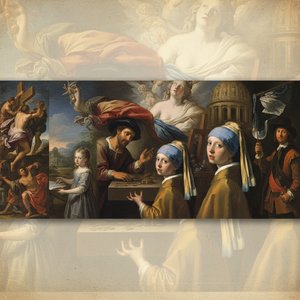
Baroko Šedevrai: 10 Menų Simbolių, Apibūdinusių Epoką | TopImpressionists
Atraskite 10 baroko šedevrų, kurie apibrėžė epoką! Karolis Rubenzas, Berninis ir kiti meistrai – jų kūriniai, istorijos bei spalvos. Aukščiausios kokybės dailės reprodukcijos ir interjero įkvėpimas TopImpressionists.com. Išnagrinėkite visą kolekciją internete!