


 Peržiūrėti realaus dydžio版
 Siųsti
 Dalintis
 Išsamiau
 Vadovas

 Atsisiųsti
 Panašūs eksponatai
 Rentgeno spindulių nuotrauka
 Diaporama
 Statistika
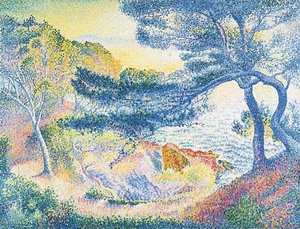
Goats


Experience Henri Edmond Cross's vibrant impressionist painting "Goats," capturing a tranquil rural scene with bright colors and loose brushstrokes from 1895. Admire this post-impressionist masterpiece and discover its beauty to own.
 Rodyti daugiau
Prancūzų neo-impresionistas Henri Edmond Cross žymus dėl atmosferinių peizažų ir taškinio tapybos metodo (pointilizmo) naudojimo, turėjusio įtakos fovizmui ir šiuolaikinei dailai. Jo darbai – spalvingi, dinamiški, atspindintys socialines idėjas.
Rankų darbo aliejinės reprodukcijos
Rankiniu būdu tapytas aliejus ant droblio jūsų pageidaujamame dydį ir rėmuose – mūsų menininkų darbas pagal užsakymą. ( Perjungti į spausdinimą Perejti prie skaitmeninių vaizdų)




P118B €10

P118H €10

P118W €10

P438Z €10

P508JH €12

P508YH €12

P805H €10

P805Z €10

P919BZ €10

P919G €10

P919XJ €10

P959ZH €10

P968JZ €12

W106C €8

W218G €10

W218JH €8

W218Y €10

W307PJ €10

W316G €10

W316PJ €8

W316Y €10

W398PJ €8

W4111J €10

W500HY €15

W500JH €15

W692G €12

W849H €8

W940BG €15

W953PJ €8




Standartinis
individualaus dydžio
CM
INCH
Pasirinkite iš mūsų nustatytų dydžių, atitinkančių originalaus meno kūrinio proporcijas.
Loading sizes...

plotis
aukštis
Įveskite jums reikiamą plotį ir aukštį, kad paveikslas atitiktų jūsų rėmą ar sieną. Kadangi šis darbas yra rankinio darbo, siekiant išgauti kitokio formos dydį, paveikslas gali būti šiek tiek didesnis (nuo kraštų bus palikta daugiau erdvės) arba mažesnis – pasirinkite jums patogiausią variantą. Prieš pradedant tapyti, atsiųsime jums skaitmeninį maketą patvirtinimui. Šioje puslapio nuotraukoje matomas vaizdas nėra galutinis rezultatas – jį parodys tik sukurtas maketas.
Ką galima pakeisti (pavyzdžiai): Pakeisti veidą į kliento nuotrauką; Pridėti augintinį (pvz., pakeisti katę šunimi); Įtraukti paslėptą žinutę fone; Pakeisti fono kraštovaizdį ar elementus.
Gavus užsakymą, TopImpressionists.com komanda susisieks su klientu el. paštu dėl instrukcijų ir pateiks maketo pavyzdį
Gavus užsakymą, TopImpressionists.com komanda susisieks su klientu el. paštu dėl instrukcijų ir pateiks maketo pavyzdį
Pristatymas visame pasaulyje () per 3–4 savaites, o ne įprastai – per 5 savaites. (27 spalis). Kokybė lieka nepakeičiama.

Nemokamas greitasis pristatymas visame pasaulyje

Aukštos kokybės lininis drobė

Pilnas siuntimo draudimas

Muitinės mokesčių grąžinimo garantija

Tikro spalvų atitikimo garantija

100 dienų grąžinimo politika (tik esant įtaigoms)

100% pinigų grąžinimo garantija

Nuolaida dideliems užsakymams
 Stiklo variantas prieinamas tik pasirinkus dydį iki 110 cm

Goats
Reprodukcijos technika
Reprodukcijos dydis
-


Visų pasirinktų variantų kaina
€ 236
A Symphony of Light and Rural Tranquility: Henri Edmond Cross’s “Goats”
Henri Edmond Cross's "Goats," painted in 1895, is more than just a depiction of livestock; it’s an immersive experience of light, color, and the serene beauty of rural life. This captivating work, currently residing at the Musee du Petit Palais in Geneva, exemplifies the artist’s profound engagement with Post-Impressionism and his relentless pursuit of capturing the ephemeral qualities of nature. Cross, born Henri-Edmond-Joseph Delacroix in Douai, France, was a pivotal figure in the Neo-Impressionist movement, a group dedicated to exploring the scientific theories of color – particularly those championed by Michel Eugène Chevreul – to achieve unprecedented vibrancy and luminosity within their paintings. “Goats” stands as a testament to this dedication, showcasing his masterful manipulation of pigment and brushstroke to evoke a palpable sense of atmosphere.
- Subject Matter: The painting centers around a peaceful scene of goats grazing in a lush green pasture under a brilliant blue sky. Their white coats provide a striking contrast against the vibrant hues surrounding them, drawing the viewer’s eye and anchoring the composition.
- Style & Technique: Cross employs the techniques of Neo-Impressionism, utilizing small, distinct brushstrokes – known as “pointillé” – to build up color and create an optical mixing effect. This method allows the colors to vibrate and shimmer when viewed from a distance, intensifying the sense of light and atmosphere.
- Medium: Executed in chalk, a relatively uncommon medium for landscape painting at the time, adds a unique textural quality to the work. The chalk’s granular surface captures and reflects light differently than traditional oil paints, contributing to the painting's luminous effect.
Decoding the Palette: Color as Philosophy
Cross’s use of color is central to understanding “Goats.” He meticulously applied shades of blue, purple, and green, not merely for representational accuracy but as a deliberate philosophical statement. Inspired by Chevreul's theories on simultaneous contrast, Cross aimed to create an optical illusion – the colors appear brighter and more intense when viewed together than they would if seen individually. The twisted branches of the large tree in the background, painted in complementary blues and purples, further amplify this effect, creating a dynamic interplay of color that draws the eye across the canvas. This wasn’t simply about painting what he *saw*; it was about painting how he *felt* – a deep appreciation for the transformative power of light and color.
Historical Context & Symbolism
"Goats" was created during a period of significant artistic experimentation in France, marked by the rise of Neo-Impressionism and its challenge to traditional academic styles. The painting reflects the broader cultural shift towards valuing subjective experience and embracing new scientific discoveries about color. While seemingly straightforward in its subject matter – a rural scene – “Goats” can be interpreted as a meditation on themes of innocence, tranquility, and the harmony between humanity and nature. The goats themselves, symbols of pastoral life and fertility, evoke a sense of timelessness and connection to the earth.
Emotional Impact & Artistic Legacy
The enduring appeal of “Goats” lies in its ability to transport the viewer to a place of quiet contemplation. Cross’s masterful use of light and color creates an atmosphere of profound serenity, inviting us to pause and appreciate the simple beauty of the natural world. As a key work within Cross's oeuvre, "Goats" offers a valuable insight into the artist's artistic journey and his contribution to the development of modern art. A hand-painted reproduction allows one to experience this captivating artwork in its entirety, bringing its luminous qualities and evocative atmosphere directly into your space.
问答 (or more naturally for a website heading): Klausimai ir atsakymai
Ar „Goats“ pasižymi stipriais šviesos ir tamsos kontrastais?
Šviesos ir tamsos kontrastas kūriniame „Goats“ yra nurodytas kaip Bold. Kontrastas aprašo, kaip stipriai skiriasi šviesios ir tamsios sritys.
Kada buvo sukurta „Goats“?
„Goats“ sukurta 1895 m. Ši data leidžia įvardyti kūrinį Anri Edmonas Krosas kūrybinėje karjeroje bei jo epochoje.
Ar „Goats“, autorius – Anri Edmonas Krosas naudoja ryškius kontrastus ar švelnias harmonijas?
„Goats“, autorius – Anri Edmonas Krosas spalvų analizėje fiksuojamas Bold kontrastas ir Softly Mixed Palette harmonija.
Susiję kūriniai



Autoriaus biografija
Gyvenimo Šviesoje Nuspalvintas Kelias: Henri Edmond Cross’o Istorija
Henri Edmond Cross, tikruoju vardu Henri-Edmond-Joseph Delacroix, gimęs 1856 metais šiaurės Prancūzijos miestelyje Duė, buvo dailininkas, kurio gyvenimas ir kūryba neatsiejamai susiję su šviesos, spalvos ir harmoningos egzistencijos siekiu. Jo istorija – tai artistinės evoliucijos pasakojimas, skatinamas tiek asmeninių aplinkybių, tiek aštraus avangardo idealų priėmimo. Būdamas jaunasis dailininkas, Cross’o talentą pastebėjo ir palaikė daktaras Auguste Soins, kuris suteikė jam finansinę paramą pamokoms su gerbtinu Carolus-Duran. Šis pagrindinis mokymas įskiepijo jame pagarbą klasikinėms technikoms – pagrindą, kurį vėliau jis puikiai paneigė, įžengęs į revoliucinį Neo-Impressionizmo pasaulį. Net ankstyvais metais troškimas sukurti savitą artistinę tapatybę paskatino jį pavardėje pridėti “Cross”, o 1886 metais jis visiškai perėjo prie "Henri-Edmond Cross", atsiribodamas nuo garsaus Eugène Delacroix ir kito to paties pavardės dailininko. Šis veiksmas buvo simbolinis didesnis ambicijas: apibrėžti unikalų artistinį balsą greitai besikeičiančiame meno pasaulyje.Nuo Realizmo Iki Spindinčio Divisionizmo
Cross’o pirmieji artistiniai tyrinėjimai buvo nukreipti į realizmą, pasireiškusį portretais ir natiūrmortais, kurie demonstravo techninį meistriškumą, tačiau trūko išskirtinio žavesio. Tačiau 1880-ųjų Paryžiaus meno scena sužydėjo naujomis idėjomis, ir Cross vis labiau patraukė revoliucinius Neo-Impressionizmo principus – judėjimą, kurį pradėjo Georges Seurat ir Paul Signac. Šis susitikimas buvo transformuojantis. Mokslinis spalvų teorijos požiūris, kruopštus taškelių (arba “taškų”) panaudojimas, skirtas sukurti optinį maišymąsi, giliai rezonavo su jo artistine jautrumu. Tuo pačiu metu pasikartojančios reumato priepuoliai paskatino jį ieškoti ramybės šiltesniame Prancūzijos pietų klimate, prasidėjus 1883 metais ir baigiantis nuolatiniu apsigyvenimu Saint-Clair mieste 1891 metais. Šio regiono spindinti šviesa ir ryškūs kraštovaizdžiai tapo neatsiejama jo artistinės vizijos dalimi. Jis nesiekė tiesiog atkartoti Seurat’o pointilizmo; vietoj to, jis jį išplėtojo, teikdamas pirmenybę didesniems, mozaikos primenantiems potepiams, kurie išlaikė padalytos spalvos šviesumą, kartu leidžiantis didesnę raiškos laisvę. Šis “antroji karta” Neo-Impressionizmas pasižymėjo ryškiu chromatiniu intensyvumu ir dinamiškomis kompozicijomis – stiliumi, kuris tapo jo vizitine kortele.Anarchistinės Idėjos Ir Utopinės Vizijos
Be techninių naujovių, Cross’o kūrybą giliai formavo stiprus socialinis ir politinis idealizmas – konkrečiai anarchistiniai įsitikinimai. Šis įsitikinimas nebuvo atvirai propagandistinis; vietoj to, jis pasireiškė jo idiliškų kaimo scenų vaizdavimuose, kuriuose buvo pavaizduotas harmoningas bendravimas tarp žmonijos ir gamtos kaip alternatyva suvokiamam šiuolaikinio miesto gyvenimo korupcijai ir atskirai. Jo paveikslai nebuvo tik estetiniai pratimai, bet vizualiniai pareiškimai, skatinantys teisingesnį ir taikesnį pasaulį. Šios ideologijos įtaka subtiliai įpinta į jo kompozicijų audinį, suteikiant joms utopiško ilgesio jausmą. Darbai, tokie kaip *Prieš Audrą* ir *Ūkis Vakare*, nėra tik gamtos atvaizdai; tai alegorijos teisingai visuomenei – ryškios spalvos ir dinamiški potepiai sukuria energiją ir optimizmą, siūlant transformaciją ir atsinaujinimą. Jis siekė užfiksuoti pasaulį, kuriame žmonija gyventų pusiausvyroje su aplinka, be pramonės apribojimų ir socialinės hierarchijos.Palikimas Ir Įtaka Moderniajam Menui
Henri Edmond Cross’o artistinis kelias baigėsi reikšmingu kūrybos rinkiniu, kuris giliai paveikė moderniojo meno eigą. Jo pirmoji individuali paroda Galerie Druet 1895 metais, po jos retrospektyva, kurią surengė Félix Fénéon at Galerie Bernheim-Jeune 1908 metais, įtvirtino jo reputaciją kaip vieną iš pagrindinių Neo-Impressionizmo figūrų. Tačiau jo įtaka apėjo toli už šio judėjimo ribas. Jo drąsus netikros spalvos panaudojimas – taikant spalvas ne pagal jų natūralią išvaizdą, o ekspresyvumo efektui – ir noras deformuoti formas atvėrė kelią Fauvizmo radikaliam eksperimentavimui. Dailininkai, tokie kaip Henri Matisse ir André Derain, buvo giliai įkvėpti Cross’o darbo, pamatę jame išsilaisvinimą nuo tradicinių apribojimų ir kelią į didesnę artistinę laisvę. Jis parodė, kad spalva gali būti naudojama ne tik realybei atstovauti, bet ir emocijoms sukelti bei grynai vizualinei patirčiai sukurti. Jis mirė nuo vėžio Saint-Clair mieste 1910 metais, palikęs palikimą, kuris tebevilioja menininkus ir meno mylėtojus šiandien. Jo paveikslai išlieka galingais liudijimais spalvos, šviesos ir formos transformuojančios galios – ir meno galios kaip socialinės ir politinės ekspresijos priemonės.Pagrindiniai Darbai Ir Nuolatinis Aktualumas
Keletas darbų išsiskiria kaip ypač reprezentatyvus Cross’o artistinės vizijos pavyzdžiai:- Prieš Audrą (kitaip Audra): Esminis jo Neo-Impressionizmo kraštovaizdžių pavyzdys, užfiksuojantis dramatiškus dangus ir užuominas į pagrindines anarchistines temas.
- Skalbėja: Demonstruoja jo meistriškumą pointilizme ir divisionizme, vaizduojant kasdienio gyvenimo sceną ryškiomis spalvomis ir dinamiška kompozicija.
- Ūkis Vakare: Rami kaimo gyvenimo nuotrauka, įkūnijanti jo utopinę viziją harmoningam bendravimui tarp žmonijos ir gamtos.

Anri Edmonas Krosas
1856 - 1910 , Prancūzija
Trumpa informacija apie kūrėją
- Gimimo Data: 1856 m.
- Gimimo Vieta: Duė, Prancūzija
- Meninis Stilius: Neo-Impresionizmas
- Mirties Data: 1910 m.
- Pilietybė: Prancūzas
- Pilnas Vardas: Henri Edmond Cross
- Įtakoję Menininkai:
- Georges Seurat
- Paul Signac
- Įtakoti Menininkai:
- Henri Matisse
- Fovizmas
- Žymiausi Darbai:
- Prieš audrą
- Skalbėja
- Ūkis vakare
Susiję straipsniai

Beyond the Light: Discovering the Soul and Emotional Depth of Post-Impressionism
Embark on a cultural journey through Post-Impressionism. Discover the profound emotional depth of masters like Van Gogh and Cézanne, exploring how they moved beyond light to capture the very soul of human experience through vibrant color and symbolic form.
Tyrinėkite meno kūrinius, suskirstytus pagal temas, stilius ir savybes.

