


 Peržiūrėti realaus dydžio版
 Siųsti
 Dalintis
 Išsamiau
 Vadovas

 Atsisiųsti
 Panašūs eksponatai
 Rentgeno spindulių nuotrauka
 Diaporama
 Statistika
Notre Dame


Inspired by Pablo Picasso, Matisse’s work continues to influence artists today, emphasizing color and form as central elements of artistic expression.
 Rodyti daugiau
Atgaukite Henri Matiso (1869–1954) – fovizmo spalvų meistrą! Apglėskite ikoninius kūrinius, popieriaus koliažus ir jo įtaką moderniam menui. Šis žymus prancūzų dailininkas sužavėjo pasaulį ryškiomis spalvomis ir novatoriškais sprendimais.
Giclée / Meno spausdinimas
Muziejų lygio „giclée“ arba drobos spausdinimas: greita gamyba ir lankstios apdailos parinktys. ( Pirkti rankomis tapytą reprodukciją Perejti prie skaitmeninių vaizdų)




P118B €10

P118H €10

P118W €10

P438Z €10

P508JH €12

P508YH €12

P805H €10

P805Z €10

P919BZ €10

P919G €10

P919XJ €10

P959ZH €10

P968JZ €12

W106C €8

W218G €10

W218JH €8

W218Y €10

W307PJ €10

W316G €10

W316PJ €8

W316Y €10

W398PJ €8

W4111J €10

W500HY €15

W500JH €15

W692G €12

W849H €8

W940BG €15

W953PJ €8




Standartinis
individualaus dydžio
CM
INCH
Pasirinkite iš mūsų nustatytų dydžių, atitinkančių originalaus meno kūrinio proporcijas.
Loading sizes...

plotis
aukštis
Įveskite jums reikiamą plotį ir aukštį, kad atvaizdas derėtų prie jūsų rėmo ar sienos. Spausdiną galima tik sumažinti, bet nepadidinti virš originalaus paveikslėlio dydžio, todėl keičiant proporcijas, dalis vaizdo prarandama. Prieš spausdinimą atsiųsime jums skaitmeninį maketą patvirtinimui. Šioje puslapio nuotraukoje matomas pjūvis nėra tikslus – jį rodo tik maketas.
Pristatymas visame pasaulyje () per 2 weeks, o ne įprastas 4/5 savaičių laikotarpis. (22 spalis)

Nemokamas greitasis pristatymas visame pasaulyje

Aukštos kokybės lininis drobė

Pilnas siuntimo draudimas

Muitinės mokesčių grąžinimo garantija

Tikro spalvų atitikimo garantija

100 dienų grąžinimo politika (tik esant įtaigoms)

100% pinigų grąžinimo garantija

Nuolaida dideliems užsakymams
 Stiklo variantas prieinamas tik pasirinkus dydį iki 110 cm

Notre Dame
Giclée / Meno spausdinimas
Reprodukcijos dydis
-


Visų pasirinktų variantų kaina
€ 61
A Symphony of Color Against Parisian Stone
In the heart of Paris, where history meets the pulse of modern life, Henri Matisse’s 1914 masterpiece, Notre Dame, stands as a breathtaking testament to the power of expressive color. This work is far more than a mere architectural study; it is an embodiment of Fauvist fervor distilled onto paper. Through his masterful use of pastel, Matisse captures the iconic cathedral not through rigid, academic precision, but through a vibrant, rhythmic energy that mirrors the very soul of the city. The composition invites the viewer to step into a world where the boundaries between stone and spirit blur, offering a window into a Paris that feels both timeless and urgently alive.
The technique employed in this piece reveals Matisse’s profound command over his medium. Utilizing pastel crayons—a choice favored for their immediate luminosity and tactile richness—the artist achieved a remarkable textural depth. Rather than relying on traditional shading or the heavy shadows of classical realism, he utilized bold, sweeping strokes to create an impressionistic effect. This approach prioritizes feeling over precise observation, allowing the viewer to experience the atmosphere of the cityscape. The cathedral itself emerges from a sea of muted tones, its silhouette punctuated by the lively movement of the streets below, where pedestrians and vehicles drift through a landscape rendered with spontaneous, brilliant light.
The Spirit of Fauvism and Historical Resonance
To understand Notre Dame, one must look to the era of its creation. Painted on the precipice of World War I, the work reflects a period of intense intellectual and artistic upheaval. Matisse, alongside contemporaries like Picasso, was actively dismantling the constraints of Victorian sentimentality and academic naturalism. This piece belongs to his experimental period, where he embraced a radical simplification of form. The cathedral is not just a landmark; it is a symbol of resilience and faith, standing firm amidst a changing world. By eschewing realistic representation in favor of subjective experience, Matisse captures the tension and the beauty of an era on the brink of transformation.
The symbolism within the work is deeply tied to Matisse’s philosophical devotion to color. The strategic use of bold reds and yellows does more than decorate the canvas; these hues convey a sense of joy, vitality, and an unshakeable belief in art's ability to inspire contemplation. For the collector or interior designer, this painting offers a profound emotional resonance. It brings a sense of sophisticated energy to any space, acting as a focal point that celebrates both the grandeur of historical architecture and the liberating power of human emotion. Owning a reproduction of this work is an invitation to surround oneself with the enduring light of the Fauvist revolution.
问答 (or more naturally for a website heading): Klausimai ir atsakymai
Iš kur renkasi „Notre Dame“, autorius – Anri Matisas lankytojai?
Eksistuoja Statistika puslapis kūriniui „Notre Dame“. Jame pateikiama mėnesio apžiūrų diagrama, apimanti šį kūrinį bei kitus šio kūrybinio veikėjo darbus, su skirstymu pagal šalis ir kalbas.
Ar Anri Matisas, „Notre Dame“ kūrijas, žinomas에도 kitais vardais?
Kiti Anri Matisas, „Notre Dame“ kūrybos autoriaus, vardai apima Henri Matisas, Henri Émile Benoît Matisas.
Kokią emociją perteikia „Notre Dame“, autorius – Anri Matisas?
Emocinis tonas, nurodytas kūriniui „Notre Dame“, autorius – Anri Matisas, yra Energetic. Jis apibūdina jausmą, kurį išreiškia šis darbas.


Autoriaus biografija
Henri Matisse: Spalvos ir Formos Magas
Henris Emilis Benua Matisas, gimęs 1869 m. gruodžio 31 d., nedideliame Šiaurės Prancūzijos miestelyje Le Kato Kambrezi, nebuvo skirtas gyventi spalvų ir formų pasaulyje. Iš pradžių Paryžiuje studijavęs teisę po vidurinės mokyklos baigimo, jo kelias dramatiškai pasikeitė 1889 m., kai jį ištiko apenficito priepuolis. Atsigavimo metu jis atrado savyje glūdintį talentą, kurį pažadino paprastas tapybos užsiėmimas menininkų dovanotais reikmenimis. Tai nebuvo tik laisvalaikio praleidimo būdas; tai buvo apreiškimasis – lūžis, kuris atitraukė jį nuo teisinių dokumentų ir nukreipė į pasaulį, kuriame spalva taptų jo kalba, o drobė – domeniu. Augęs Bohain-en-Vermandois miestelyje, grūdų prekybos verslą vykstančios šeimos sūnus, Matisas iš pradžių atrodė netinkamas bohemiškam menininko gyvenimui, tačiau siela jau buvo pasėti, maitinama atsigavimo ir subrandinti į visą gyvenimą trukusį dedikavimą. Jis įstojo į Žiuljano akademiją, vėliau – Nacionalinę Gražiųjų Menų mokyklą, kur studijavo pas William-Adolphe Bouguereau ir Gustave Moreau atitinkamai, įsisavinęs klasikinę techniką, kuri tarnaus kaip pamatas jo būsimoms inovacijoms. Ankstyvieji darbai atspindėjo šią akademines mokyklas, rodė kompetenciją, tačiau trūko to skiriamojo balso, kuris netrukus apibrėš jį.Fovizmo Aušra ir Drąsūs Eksperimentai
Esminis momentas įvyko 1896 m., kai jis apsilankė Belle Île su australų dailininku John Russell. Šis susitikimas pasirodė esantis transformuojantis. Russell pristatė Matisą į žybiantį Impresionizmo pasaulį, o svarbiausia – į Vincento van Gogo emocingas drobeles. Poveikis buvo gilus. Van Gogo ekspresyvus spalvų vartojimas sugriovė Matiso anksčiau santūrią paletę, skatindamas jį link drąsesnės, subjektyvesnės prieigos. Jis pradėjo atsiriboti nuo žemės tonų, priimdami spalvas, kurios rezonuoja su jausmais, o ne griežtu atvaizdavimu. Ši ekspedicija baigėsi Fovizmo atradimu apie 1905 metus – judėjimu, kuriame Matisas tapo pagrindiniu veikėju. Pats pavadinimas, reikšdamas „laukinę bestiją“, iš pradžių buvo nepagarbūs, suteiktas kritikų grupei dėl šokingly ryškių ir nerealistiškų paveikslų, eksponuotų Salon d'Automne parodoje. Matisas, kartu su tokiais dailininkais kaip André Derain ir Maurice de Vlaminck, gynė intensyvią spalvą kaip nepriklausomą ekspresijos elementą, supaprastindamas formas, kad sustiprintų jos poveikį. Tokie paveikslai kaip The Gourds (1905) puikiai iliustruoja šį stilių – raudonojo, žalio ir geltono atspalvių karuselė, taikyta su laisve, kuri ignoravo tradicinę perspektyvą ir imituojančią tikslumą. Pagrindinės savybės buvo intensyviai prisotintos paletės, supaprastintos formos, ekspresyvūs dažymo bruožai ir sąmoningas atsisakymas nuo įprasto atvaizdo, siekiant emocinio atgarsio.Subtilybė ir Dekoratyvinė Harmoningumas
Po Fovizmo pirmųjų aistrų, Matiso stilius patyrė subtilų, tačiau reikšmingą evoliuciją. Nors niekada neatsisakė savo meilės spalvai, jo darbai tapo rafinuotesni, linkę į dekoratyvinę estetiką, kuri pabrėžia plokščias formas ir sudėtingus modelius. Jis tyrė atostogų, namų šeimos ir žmogaus figūros temas ramiose aplinkose, sukurdamas kompozicijas, kurios buvo tiek harmoningos, tiek emocingai rezonuojančios. 1917 m. persikėlęs į Nice'ą Prancūzijos Rivjeroje dar labiau paveikė šį poslinkį, suteikdamas savo darbams ramybės ir klasikinio balanso jausmą. Jis pradėjo koncentruotis kuriant aplinkas – dažytas drobeles, skulptūras ir dekoratyvius daiktus – kurie apgaubia žiūrovą grožio ir ramybės atmosfera. Šiuo laikotarpiu jis eksperimentavo su įvairiomis terpėmis, įskaitant keramiką ir tekstilę, išplėsdamas savo meninę viziją už tradicinio drobės paviršiaus. Jis nevaizdavo scenų; jis statydavo pasačius, sukurtus norint sukelti tam tikrą emocinį atsakymą.Vėlesni Metai: Inovacija Ribojant
Vyresniais metais, kai prasta sveikata apribojo Matiso gebėjimą dažyti įprastu būdu, jis pradėjo neeilinę savo meninės kelionės dalį – iškirptų popieriaus koliažų, arba *découpages*, kūrimą. Pradėjęs apie 1947 metus, šie darbai gimė dėl būtinybės. Būdamas apglębtas vežimėliu, jis fiziškai nebegalėjo stovėti ir dažyti, bet galėjo vis tiek manipuliuoti popieriumi žirklėmis. Tai, kas prasidėjo kaip praktinis sprendimas, išaugo į naują meno techniką. Jis dažydavo didelius popieriaus lapus ryškiomis spalvomis, tada išpjaudavo formas – organines formas, lapus, figūras – ir sudėdavo jas ant drobės, sukurdami kompozicijas, kurios buvo tiek dinamiškos, tiek apgaulingai paprastos. Šie *découpages* nebuvo tik tapybos pakaitalas; jie atstovojo nauju būdu mąstyti apie spalvą, formą ir kompoziciją. Jie tęsė jo visą gyvenimą trukusį šių elementų tyrinėjimą, parodydami nuolatinę meninę viziją net veido fiziniam apribojimui.- Iškirptų popieriaus technika jis galėjo pasiekti formos ir spalvos grynumo, kurį buvo sunku pasiekti su dažais.
- Šiuose darbuose dažnai atsispindėdavo ankstesnės temos ir motyvai iš jo paveikslų, bet jie buvo pateikti nauju ir inovatyviu būdu.
- Jie parodė jo gebėjimą prisitaikyti ir tobulėti kaip menininkas per visą savo karjerą.
Pavelės Palikimas: Matiso Poveikis Moderniam Menui
Henris Matisas mirė Nice 1954 m., palikęs kūrinių rinkinį, kuris ir toliau įkvepia ir žavina publikas visame pasaulyje. Jo poveikis meno pasauliui neigiamas; jis iššūkavo tradiciniams atvaizdo sąvokoms, gynė spalvos ekspresyvią galią ir pavedė kelią ateinančioms menininkų kartoms. Dažnai laikomas kartu su Pablu Pikasu kaip vienas reikšmingiausių 20-ojo amžiaus meno figūrų, Matisas fundamentaliai formavo modernizmą. Jo palikimas eina už jo darbais – tai apima filosofiją, šlovinančią džiaugsmą, grožį ir spalvos transformuojančiojo potencialo. Jis nevaizdavo to,
Anri Matisas
1869 - 1954 , Prancūzija
Trumpa informacija apie kūrėją
- Gimimo Data: 1869 m. gruodžio 31 d.
- Gimimo Vieta: Le Cateau-Cambrésis, Prancūzija
- Meninis Stilius: Fovizmas
- Mirties Data: 1954 m.
- Pilnas Vardas: Henri Matisse
- Poveikį Darė:
- Van Gogh
- Russell
- Chardin
- Tautybė: Prancūzas
- Įtaką Darė:
- Modernizmas
- Ekspresionizmas
- Žymūs Kūriniai:
- The Gourds
- Laurette in a White Turban
Susiję straipsniai

Henri Matisse: 25 Šedevrai, Apipinti Spalvomis | TopImpressionists.lt
Atraskite 25 įspūdingiausius Henri Matisse šedevrus! Sužinokite apie Fauvizmą, spalvų magiją ir prancūzų dailininko kūrybos istorijas. Meno reprodukcijos jūsų interjerui – TopImpressionists.com
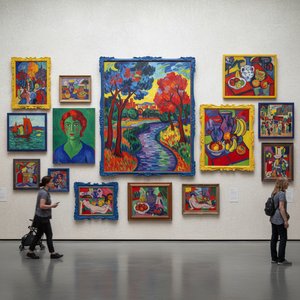
Fovizmo Deimantai: 10 Viršumų Simfonija Jūsų Interjere | TopImpressionists
Atraskite fovizmo deimantus! 10 legendinių kūrinių, kuriuos pristato Henri Matisse ir kiti. Pažinkite spalvų revoliuciją bei įkvėpkite interjero dizainui. Aukštos kokybės meninės reprodukcijos – TopImpressionists.com

Fauvism's Boldest Visions: 10 Masterpieces That Revolutionized Modern Art | TopImpressionists
Explore 10 Fauvist masterpieces by Matisse, Derain & Vlaminck that ignited Modern Art! Discover bold colors, expressionist landscapes & the history of this revolutionary movement. Find museum-quality prints at TopImpressionists.com.

The Wild Beast Within: Exploring Fauvism's Revolutionary Use of Color and Form
Explore the revolutionary Fauvism movement & Henri Matisse's bold use of color! Discover key characteristics, iconic artworks, and its lasting impact on modern art history with TopImpressionists.
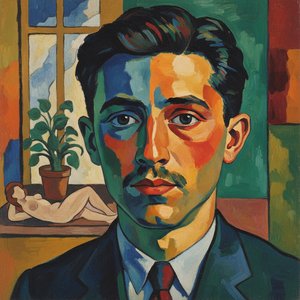
Henri Matisse: A Revolutionary Use of Color and Form in Modern Art
Explore the revolutionary art of Henri Matisse! Discover his bold use of color, Fauvist origins, and lasting impact on modern painting. A comprehensive guide for art enthusiasts.
Tyrinėkite meno kūrinius, suskirstytus pagal temas, stilius ir savybes.


