

Paveikslėlyje: · Su rėmu:
 Peržiūrėti realaus dydžio版
 Pasidalinti
 Dalintis
 Išsamiau
 Vadovas

 Atsisiųsti
 Panašūs eksponatai
 Rentgeno spindulių nuotrauka
 Automatinė diorama
 问答
问答 Statistika
- 135.0 x 45.0 cm


€ 240
Rankų darbo aliejinės reprodukcijos
Rankiniu būdu tapytas aliejus ant droblio jūsų pageidaujamame dydį ir rėmuose – tai mūsų menininkų pagal užsakymą sukurtas darbas. ( Perjungti į spausdinamus版作品 Perejti prie skaitmeninių vaizdų)
Dydis
·Standartinis dydis
pagal užsakymą
CM
INCH
Pasirinkite iš mūsų nustatytų dydžių, atitinkančių originalaus meno kūrinio proporcijas.
Kraunami dydžiai...

plotis
aukštis
Įveskite jums reikiamą plotį ir aukštį, kad paveikslas atitiktų jūsų rėmą ar sieną. Kadangi šis darbas yra rankinio darbo, siekiant išgauti kitokios formos dydį, paveikslas gali būti šiek tiek didesnis (nuo kraštų bus palikta daugiau erdvės) arba mažesnis – pasirinkite jums patogiausią variantą. Prieš pradedant tapyti, atsiųsime jums skaitmeninį maketą patvirtinimui. Šioje puslapio nuotraukoje matomas vaizdas nėra galutinis rezultatas – jį parodys tik sukurtas maketas.
 Skaityti daugiau
Baigiamasis etapas
·
Baltas apasutojimas €1

Išblėstantis šonas €1

Išplėstinis €1

P118B €10

P118H €10

P118W €10

P438Z €10

P508JH €12

P508YH €12

P805H €10

P805Z €10

P919BZ €10

P919G €10

P919XJ €10

P959ZH €10

P968JZ €12

W106C €8

W218G €10

W218JH €8

W218Y €10

W307PJ €10

W316G €10

W316PJ €8

W316Y €10

W398PJ €8

W4111J €10

W500HY €15

W500JH €15

W692G €12

W849H €8

W940BG €15

W953PJ €8

H24-GOLD €30

H24-SILVER €30

H36-GOLD €45

H36-SILVER €45
Siunčiama saugiame vamzdelyje, paruošta patys sukomentuoti jūsų rėmeliais.
Virš 105 cm rėmas siunčiamas kaip rinkinys profesionaliam rėmininkui — skaitykite detales.
Papildomos paslaugos
nebūtinaKą apima papildomos paslaugos?
Pavyzdžiai, ką galima pakeisti: pakeisti veidą nuotrauka su klientu; pridėti augintinį (pvz., pakeisti kucingą šuniu); įtraukti paslaptingą žinutę fone; pakeisti fono kraštotvę ar elementus.
Gavus užsakymą, TopImpressionists.com komanda susisieks su klientu el. paštu dėl nurodymų ir pateiks preliminarią maketą.
Gavus užsakymą, TopImpressionists.com komanda susisieks su klientu el. paštu dėl nurodymų ir pateiks preliminarią maketą.
Pristatymas visame pasaulyje () per 3–4 savaites, o ne įprastai – per 5 savaites. (11 lapkritis). Kokybė lieka nepakeičiama.
Apsauginis lakas
Pavadinimo lentelė
Išgraviruotos bronzinės plokštelės detalės
This elegant plaque features the artist's name and the title of the artwork, finely engraved for a timeless presentation.
It is made from bronze with a refined, elegant finish. The text is precisely laser-engraved for a sharp and permanent result. Measuring 9x2 cm, the plaque is compact yet easy to read. It's built to be durable and scratch-resistant, offering a professional, museum-quality look. Mounting is simple thanks to the included adhesive backing.
Skaidrios akrilo plokštelės informacija
The plaque includes essential engraved details such as the artist's name, the title of the artwork, the date it was created, the type of media used-like oil on canvas or watercolor-a brief description of the piece, and a QR code that links to the complete artwork information.
It is crafted from clear acrylic, offering a sleek, modern appearance. The text is UV-engraved in black to ensure strong visual contrast. With a size of 10x15 cm, it ensures optimal readability. It comes equipped with two metal hooks for secure wall mounting. The plaque is designed to be weather-resistant, making it suitable for various environments, and it includes interactive features that work seamlessly with smartphone scanning.
Juodos akrilo plokštelės informacija
This elegant plaque includes engraved information such as the artist's name, the title of the artwork, the date it was created, the type of media used (like oil on canvas or watercolor), a short description of the artwork, and a QR code for quick access to more information.
The plaque itself is made from refined black acrylic with a premium finish. The text is laser-engraved in white for high contrast and readability. Its size is 10x15 cm, designed to be easy to read. It comes with two metal hooks for professional mounting. The design is sleek and fits any interior style. It is also weather-resistant and durable, with built-in digital integration for mobile compatibility.
Stiklo variantas prieinamas tik pasirinkus dydį iki 110 cm
 Stiklo variantas prieinamas tik pasirinkus dydį iki 110 cm
- Nemokamas greitasis pristatymas visame pasaulyje
- Aukštos kokybės lininis drobė
- Pilnas siuntimo draudimas
- Muitinės mokesčių grąžinimo garantija
- Tikro spalvų atitikimo garantija
- 100 dienų grąžinimo politika (tik esant įtaigoms)
- 100% pinigų grąžinimo garantija
- Nuolaida dideliems užsakymams


Kolekcinio objekto aprašas
Autoriaus biografija
Surrealistinio simbolizmo meistras, žinomas dėl „Žemės eldais“. Atraskite jo šiurpų ir fantastišką viziją jau šiandien.
Apie paveisdelį
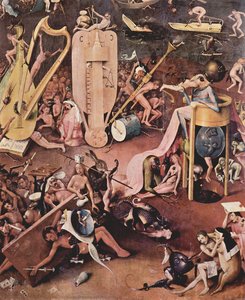
Paradise and Hell: A Descent into Symbolic Horror
Hieronymus Bosch’s “Paradise and Hell,” completed around 1510, stands as one of the most unsettling and enduring visions of the afterlife produced during the Renaissance. This monumental double-sided altarpiece transcends mere depiction; it plunges viewers into a meticulously crafted psychological landscape brimming with biblical allegory and disturbing imagery—a testament to Bosch’s unparalleled ability to capture both divine grace and demonic torment.
- The Left Side: Edenic Tranquility The left panel presents an idyllic garden scene, mirroring the biblical Genesis narrative. Lush greenery dominates the composition, populated by stylized trees bearing fruit – a deliberate reference to the Tree of Knowledge of Good and Evil. Figures representing Adam and Eve are positioned centrally, bathed in soft light, embodying innocence and harmony. Birds flutter amongst blossoms, symbolizing spiritual freedom and divine blessing. Bosch’s meticulous attention to detail—the delicate rendering of petals and leaves—contrasts sharply with the impending doom represented on the opposite side.
- The Right Side: Inferno's Fury In stark contrast, the right panel depicts Hell as a terrifying panorama of torment. Flames engulf the landscape, consuming grotesque creatures and tormented souls. Twisted figures writhe in agony, trapped within inescapable circles of fire and despair. Bosch employs a masterful technique—primarily oil on oak wood—to convey an overwhelming sense of claustrophobia and horror. The use of vibrant reds and yellows underscores the intensity of the infernal fires, while dark blues and blacks create a suffocating atmosphere.
Historical Context & Artistic Innovation Bosch’s work emerged during a period marked by religious anxieties and intellectual ferment—the Reformation was gaining momentum across Europe. He drew heavily upon medieval folklore and Christian symbolism, blending fantastical elements with moral didacticism. Unlike many of his contemporaries who adhered to idealized representations of biblical scenes, Bosch deliberately distorted reality to express profound psychological truths about human nature. His approach foreshadowed the darker currents of Expressionist art centuries later.
Symbolism & Emotional Impact The symbolism embedded within “Paradise and Hell” is extraordinarily complex. Recurring motifs—such as demons, hybrids (creatures combining animal and human features), and grotesque distortions—represent temptations and sins that threaten to corrupt the soul. Bosch’s aim wasn't merely to frighten viewers but to provoke introspection about morality and salvation. The painting’s enduring power lies in its ability to evoke visceral emotions – fear, pity, awe – forcing us to confront our own mortality and grapple with fundamental questions about faith and damnation.
Further Exploration For a deeper understanding of Bosch's artistic legacy, consider visiting Palazzo Ducale di Venezia (Palazzo Ducale) where you can admire masterpieces by Titian and Veronese – artists influenced by Bosch’s visionary style. Alternatively, delve into “Hieronymus Bosch: Decoding the Visions of a Netherlandish Master” (Hieronymus Bosch) for an insightful analysis of his artistic innovations and enduring influence. You can also explore “Mystical Masterpieces: 10 Artworks That Transcends Reality |” (Mystical Masterpieces) to discover similar artistic expressions of spiritual contemplation.
Klausimai ir atsakymai
Ar galėčiau pamatyti „Paradise and Hell“ – Hieronymus Bosch ant savo sienos prieš pirkdama/pirkdamas?
„Paradise and Hell“ galima peržiūrėti papildytoji realybės formatu: kūrinio Peržiūra papildintajai realybei puslapyje, naudodami suderinamą įrenginį, galite pamatyti jį savo erdvėje.
Kokia emocinė nuotaika lydi „Paradise and Hell“ kūrinį, priskiriamą Early Netherlandish Painting stiliui?
„Paradise and Hell“ pasižymi Mysterious emociniu tonu, būdingu Early Netherlandish Painting stiliui.
Kaip „Paradise and Hell“ subalansuoja šviesą ir tamsą?
„Paradise and Hell“ bendroji ryškumas yra shadow, o švytėjimas – Soft Shadow.
Trumpos faktinės datos ir meno viktorina
Apie Hieronymus Bosch

Hieronymus Bosch
1450 - 1516, Niderlandai
Trumpa informacija apie Hieronymus Bosch
- Artistic Movement Or Style: Surrealizmas, Simbolizmas
- Artists Or Movements Influenced By This Artist: ['Pieter Bruegel Senelis']
- Date Of Birth: c. 1450
- Date Of Death: 1516
- Full Name: Hieronymus Bosch
- Nationality: Olandas
- Notable Artworks:
- Žemės Šėldžio Sodas
- Paskutinio Balsimo Triptychas
- Šventųjų Ascensija
- Place Of Birth: Den Bosch, Netherlands
Tyrinėkite meno kūrinius, suskirstytus pagal temas, stilius ir savybes.




Hieronymus Bosch
Paradise and Hell
() ·
Su rėmu: · Rankiniu būdu tapyta aliejumi ant lineno
Viso suma