Atelieris — Nemokamas pristatymas visame pasaulyje — Pristatymo laikas – 2–6 savaitės
Sell Your Art Trokimų sąrašas Krepšelis
PreviewPreview Pirkti atspaudą Pirkti atspaudąUžsisakyti kopiją Užsisakyti kopiją PasidalintiPasidalinti
IšsamiauIšsamiau Pridėti į mėgstamiausius Pridėti į mėgstamiausius AtsisiųstiAtsisiųsti Panašūs eksponataiPanašūs eksponatai Rentgeno nuotraukaRentgeno nuotrauka Automatinė dioramaAutomatinė diorama

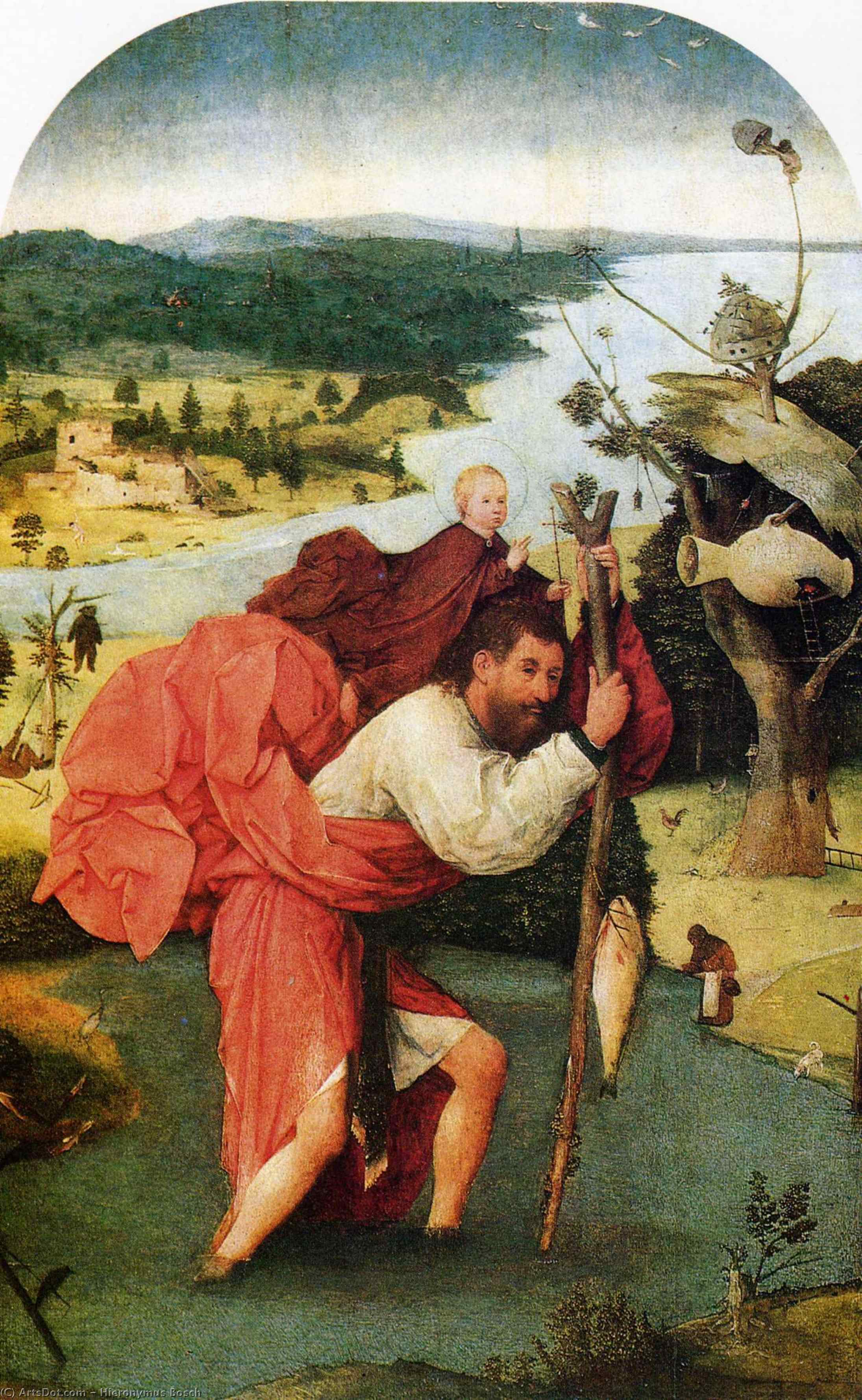
Saint Christopher

Hieronymus Bosch (c. 1450-1516) buvo žymusis olandų renesanso meistras, garsėjantis psichodelijomis ir simboliais. Jo ikoninės drobės – „Žemės eldais“, paskutinis teisybė Triptychas, Šventosios įkalėjimų aukcionas – išraišką įrodančių meno istoriją kūriniai.

Įsigykite aukštos skiriamosios raiškos, patobulintą skaitmeninį vaizdą, gerokai pranašesnį už internetinę peržiūrą.

Kiekvieną failą mūsų specialistai kruopščiai paruošia naudojant pažangias technologijas ir profesionalų rankinį retušavimą. Užtikriname, kad kiekvienas vaizdas pasižymėtų išskirtiniu aiškumu, tikslia spalvų atspalviu ir smulkiomis detalėmis.

Baigiamas failas el. paštu pristatomas per 72 valandas; jis optimizuotas nedelsiant naudojimui profesionalioje, redakcinėje ir spausdinimo aplinkoje. Tai ta pati kokybė, kuria pasitiki aukščiausios klasės dizaino studijos, leidyklos ir galerijos.

Skaitmeninis vaizdas

Atsisiųskite didelės raiškos failą asmeniniam naudojimui, spausdinimui ir kūrybiniams projektams.

Visų sumos kaina

$9.99

Kiekvieną skaitinio vaizdo užsakymą papildė

Profesionalus skaitmeninis pristatymas, garantuotas

Pasirinkę TopImpressionists.com, jūs ne tik gaunate paveikslėlį – jūs gaunate profesionaliai patobudintą skaitmeninį kūrinį, sukurtą itin tikniai ir užtikrinantį pasitenkinimą. Štai viską, kas automatiškai pritékia jūsų užsakymui:

shipping_icon
Greitas siuntimas el. paštu

Jūsų aukštos raiškos skaitmeninis vaizdo failas bus išsiųstas jums el. paštu per 72 valaudas nuo užsakymo – paruoštas naudojimui be jokių papildomų veiksmų.

canvas_icon
Skaitmeninis failas su dirbtiniu intelektu

Jūsų meno kūrinys profesionaliai optimizuojamas naudojant pažangius dirbtinio intelekto įrankius ir rankinį redagavimą, užtikrinant maksimalią detalę, aiškumą ir spalvų tikslumą.

insurance_icon
Nemokamas visam laikui pakartotinis siuntimas

Atsitiktinai ištrytikote ar praradote savo failą? Nebijokite – bet kuriuo metu atsiųsime jį jums vėl nemokamai.

tax_icon
Jokio importo mokesčio – niekada

Mėgaukitės savo meno kūriniu akimirka – skaitiniai failai visada yra neapmokestinami, todėl nereikės mokėti muitinės, mokesčių ar pristatymo mokesčių.

color_icon
Spalvų tikslumo garantija

Naudodami profesionalią įrangą ir spalvų valdymo sistemas, užtikriname, kad jūsų skaitmeninis vaizdas kuo tiksliau atspindėtų originalias spalvas.

return_icon
60 dienų pasitenkinimo garantija

Jei nebuvate patenkinti savo skaitinio vaizdo, per 60 dienų jį pertaisysime arba grąkinsime 100% sumą – be jokių klausimų.

guarantee_icon
100% pinigų grąžinimo garantija

Nepat 만족inti? Gaukite visą sumokėtą sumą per 60 dienų nuo skaitmeninio failo gavimo – be jokių papildomų klausimų.

discount_icon
Nuolaidos dideliems užsakymams

Pirkti 3 nuotraukas – pasiūla 10% - Pirkti 5 – pasiūla 15% - Pirkti 10 ir daugiau – pasiūla 20%. Puikiai tinka kūrybiniams projektams, galerijoms bei agentūroms.

Trumpos informacija

  • Location: Museum Boijmans Van Beuningen, Rotterdam
  • Artistic style: Fantastic realism
  • Medium: Oil on panel
  • Notable elements or techniques: Detailed depiction of biblical scene; Symbolism.
  • Title: Saint Christopher
  • Subject or theme: Religious iconography; Charity

Karo viktorina

Kiekviename klausime yra tik vienas teisingas atsakymas.

Klausimas 1:
What biblical figure is depicted in Hieronymus Bosch’s Saint Christopher?
Klausimas 2:
The painting portrays Saint Christopher carrying Jesus across what type of landscape?
Klausimas 3:
How many birds are included in the composition of Saint Christopher?
Klausimas 4:
Saint Christopher is depicted alongside other figures, including a man holding Jesus. What role does this figure likely represent?
Klausimas 5:
Hieronymus Bosch’s Saint Christopher is considered a masterpiece of what artistic movement?

Kolekcinio objekto aprašymas

Saint Christopher Carrying the Christ Child – A Vision of Faith and Suffering

Hieronymus Bosch’s “Saint Christopher Carrying the Christ Child” stands as a haunting testament to the anxieties of late medieval Europe, rendered in his signature style—a meticulously detailed depiction brimming with unsettling symbolism that continues to fascinate scholars and artists alike. Painted sometime between 1490 and 1516 during Bosch's prolific artistic output, this monumental artwork transcends mere religious iconography; it delves into profound psychological explorations of morality, temptation, and the human condition.

  • Subject Matter: The painting portrays Saint Christopher, venerated as a martyr who carried Jesus across the Jordan River, embodying selfless devotion and unwavering faith. Alongside him is the infant Jesus, symbolizing divine innocence and vulnerability – a juxtaposition that immediately establishes a tension between earthly duty and spiritual purity.
  • Style & Technique: Bosch’s distinctive style—characterized by fantastical imagery, grotesque figures, and meticulous realism—is evident throughout the composition. The artist employs hatching and cross-hatching techniques to create depth and texture, meticulously rendering every element of the scene with astonishing precision. This painstaking attention to detail contributes to the unsettling atmosphere of the artwork.
  • Historical Context: Bosch’s work emerged during a period marked by religious upheaval and societal anxieties surrounding papal authority and demonic influence. The painting reflects the pervasive preoccupation with sin, judgment, and the eternal afterlife prevalent in the intellectual climate of his time—a reflection of the broader artistic trends of the Northern Renaissance.

Symbolism: Layers of Meaning Beyond Appearances

Bosch’s genius lies not merely in his technical prowess but also in his masterful use of symbolism. The three birds circling above represent various aspects of human nature—one perched on a skull signifies mortality, another embodies temptation and deceit, while the third symbolizes divine grace. These avian figures are strategically positioned to dominate the visual field, emphasizing the omnipresent influence of spiritual forces.

  • The Boat: The humble boat traversing the river serves as a metaphor for humanity’s journey through life—a perilous voyage fraught with obstacles and uncertainties. Its weathered appearance underscores the hardships endured by pilgrims seeking salvation.
  • Detailed Figures: Bosch meticulously portrays each individual in the scene, imbuing them with psychological complexity. The figures are rendered with exaggerated proportions and expressions, conveying emotions of fear, compassion, and piety—reflecting the artist’s fascination with human psychology and his ability to capture inner turmoil.

Emotional Impact: A Disturbingly Beautiful Revelation

"Saint Christopher Carrying the Christ Child" compels viewers to confront uncomfortable truths about human morality and spiritual aspiration. Bosch's unsettling depiction evokes a visceral reaction—a blend of fascination, apprehension, and profound contemplation. The artwork’s beauty resides precisely in its disturbing quality, prompting reflection on themes of suffering, redemption, and the eternal struggle between good and evil.

This extraordinary piece continues to inspire artists and scholars alike, cementing Bosch's place as one of the most influential figures in European art history. Its enduring power stems from Bosch’s ability to distill complex theological concepts into unforgettable visual imagery—a testament to his unparalleled artistic vision.


Autoriaus biografija

A Netherlandish Enigma: The Life and Art of Hieronymus Bosch

Hieronymus Bosch (c. 1450-1516), Dutch Renaissance master of surrealism & symbolism, remains one of art history’s most perplexing figures—a man whose life is shrouded in obscurity yet whose artistic output continues to resonate powerfully across centuries. Born around 1450 in ’s-Hertogenbosch, Brabant – then a bastion of medieval piety – Bosch emerged from a family steeped in artistic tradition, inheriting the skills and sensibilities of his father and grandfather, Jan van Aken. Biographical details are frustratingly sparse; records offer tantalizing glimpses but ultimately fail to illuminate the contours of his personal existence—a deliberate choice perhaps that contributed to the enduring mystique surrounding him. He married Aleyt Goyaerts van den Meerveen before 1481, securing a degree of financial stability through her family’s holdings, though little else is documented about their marital life.

Fantastical Visions and Symbolic Depths

Bosch’s artistic style defies easy categorization—a breathtaking fusion of meticulous realism and hallucinatory imagination. Primarily working with oil on oak panels, he demonstrated unparalleled mastery of the medium, achieving luminous colors and astonishing textural detail. While his early canvases mirrored prevailing Netherlandish conventions – particularly in their depiction of biblical narratives – Bosch swiftly transcended mere imitation, forging a profoundly original vision rooted in unsettling psychological explorations. His paintings aren’t simply representations of the visible world; they are elaborate allegories populated by grotesque creatures—demons, hybrids, and fantastical beasts—that embody moral failings and spiritual anxieties. These figures aren't merely decorative additions; they serve as conduits for profound theological concepts, conveying fears of sin, temptations, and the inescapable judgment of God. Consider The Garden of Earthly Delights (c. 1490-1510), a monumental triptych that depicts paradise, earthly indulgence, and hell—a complex visual tapestry designed to provoke contemplation on humanity’s relationship with divine grace. The central panel portrays a hedonistic world consumed by sensual desire, while the left panel presents Edenic bliss marred by unsettling distortions – a masterful demonstration of Bosch's ability to juxtapose beauty and terror.

Religious Themes and Moral Allegory

Bosch’s artistic impulse stemmed from deep engagement with medieval religious thought—particularly apocalyptic prophecies that underscored the vulnerability of human existence before divine wrath. He eschewed straightforward depictions of biblical stories, instead utilizing symbolism to grapple with thorny ethical dilemmas and theological conundrums. His creatures – demons, hybrids, and unsettling human figures – aren't merely visual curiosities; they embody vices and temptations, reflecting anxieties prevalent during his time—fears of heresy and social upheaval. The blending of sacred and profane imagery—a hallmark of Bosch’s oeuvre—creates a disconcerting effect that continues to captivate audiences today. Artists like Pieter Bruegel the Elder acknowledged Bosch's influence, adopting similar compositional techniques and thematic concerns. Furthermore, Surrealist painters such as Salvador Dalí drew inspiration from Bosch’s dreamlike landscapes and exploration of the subconscious mind – securing his place as a precursor to modern artistic experimentation.

Major Achievements and Legacy

Bosch’s enduring legacy rests upon a remarkable body of work—characterized by unparalleled psychological depth and stylistic innovation. Among his most celebrated masterpieces are The Last Judgement Triptych (c. 1480-1490), which portrays the harrowing spectacle of divine retribution; and Ascent of the Blessed (c. 1480-1490), depicting ethereal visions of paradise—a testament to Bosch’s ability to evoke profound emotional responses. Even smaller canvases like Epiphany (c. 1495) showcase his masterful command of oil on wood and intricate symbolism, revealing a mind perpetually wrestling with existential questions. Bosch's influence extends far beyond the confines of his own era—inspiring subsequent artists and shaping artistic movements into the 20th century. His unsettling visions continue to provoke debate and inspire creativity, cementing his position as one of art history’s most singular voices – a testament to the enduring power of imagination and symbolic expression.
Jeronim Kasas

Jeronim Kasas

1450 - 1516 , Nyderlandai

Trumpai apie šį kūrėją

  • Artistic Movement Or Style: Surrealizmas, Simbolizmas
  • Artists Or Movements Influenced By This Artist: ['Pieter Bruegel Senelis']
  • Date Of Birth: c. 1450
  • Date Of Death: 1516
  • Full Name: Hieronymus Bosch
  • Nationality: Olandas
  • Notable Artworks:
    • Žemės Šėldžio Sodas
    • Paskutinio Balsimo Triptychas
    • Šventųjų Ascensija
  • Place Of Birth: Den Bosch, Netherlands
© TopImpressionists.com — Visos teisės saugomos  ·  100% Rankų darbo · Užtikrintas meistriškumas · Nemokamas pristatymas į viso pasaulioES
VISA MASTERCARD