


 Peržiūrėti realaus dydžio版
 Siųsti
 Dalintis
 Išsamiau
 Gidas
Gidas

 Atsisiųsti
 Panašūs eksponatai
 Rentgeno spindulių nuotrauka
 Diaporama
 Statistika
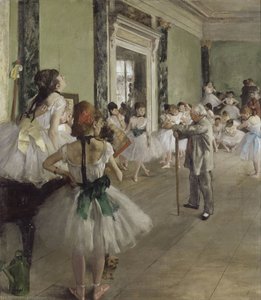
Šoka klasė
 Aliejus ant drobės
- Sieninis menas
- Impressionist Realism
 1870
1870- XIX amžius
 20.0 x 27.0 cm
 Metropolitano muziejus
Šoka klasė – Edgaras Degas paveikslėlėlis Paryžiškos baleto treniruotės scenai. Dinamiška kompozicija, šokolado spalvos ir žiemiška atmosfera.
 Rodyti daugiau
Hilaire Germain Edgar Degas: Prancūzų dailininkas, garsėjęs įmantriomis balerinais tapybėmis, Paryžiaus vaizdai ir inovatyviomis technikomis – tikras šiuolaikinės meno meistras.
Rankų darbo aliejinės reprodukcijos
Rankiniu būdu tapytas aliejus ant droblio jūsų pageidaujamame dydį ir rėmuose – mūsų menininkų darbas pagal užsakymą. ( Perjungti į spausdinimą Perejti prie skaitmeninių vaizdų)




P118B $10

P118H $10

P118W $10

P438Z $10

P508JH $12

P508YH $12

P805H $10

P805Z $10

P919BZ $10

P919G $10

P919XJ $10

P959ZH $10

P968JZ $12

W106C $8

W218G $10

W218JH $8

W218Y $10

W307PJ $10

W316G $10

W316PJ $8

W316Y $10

W398PJ $8

W4111J $10

W500HY $15

W500JH $15

W692G $12

W849H $8

W940BG $15

W953PJ $8




Standartinis
individualaus dydžio
CM
INCH
Pasirinkite iš mūsų nustatytų dydžių, atitinkančių originalaus meno kūrinio proporcijas.
Loading sizes...

plotis
aukštis
Galite įvesti savo matmenis, kad jie atitiktų konkretų rėmą ar erdvę. Jei pasirinktas dydis neatitinka originalaus paveikslėlio proporcijų, mes arba apkropsime meno kūrinį, arba papildysime tapybą rankomis dažytい elementais. Prieš pradėdami gamybą, jūsų patvirtinimui atsiųsime skaitmeninį maketą.
Atkreipkite dėmesį, kad ekrane rodomas vaizdas neatspindi tikrojo apkarpymo ar papildymo. Tik maketas tiksliai parodys galutinę kompoziciją.
Nors galima rinktis ir individualius dydžius, rekomenduojame pasirinkti matmenis iš nustatytos sąrašo, kad būtų išlaikytos originalios proporcijos.
Ką galima pakeisti (pavyzdžiai): Pakeisti veidą į kliento nuotrauką; Pridėti augintinį (pvz., pakeisti katę šunimi); Įtraukti paslėptą žinutę fone; Pakeisti fono kraštovaizdį ar elementus.
Gavus užsakymą, TopImpressionists.com komanda susisieks su klientu el. paštu dėl instrukcijų ir pateiks maketo pavyzdį
Gavus užsakymą, TopImpressionists.com komanda susisieks su klientu el. paštu dėl instrukcijų ir pateiks maketo pavyzdį
Pristatymas visame pasaulyje () per 3–4 savaites, o ne įprastai – per 5 savaites. (23 rugsėjis). Kokybė lieka nepakeičiama.

Nemokamas greitasis pristatymas visame pasaulyje

Aukštos kokybės lininis drobė

Pilnas siuntimo draudimas

Muitinės mokesčių grąžinimo garantija

Tikro spalvų atitikimo garantija

100 dienų grąžinimo politika (tik esant įtaigoms)

100% pinigų grąžinimo garantija

Nuolaida dideliems užsakymams
 Stiklo variantas prieinamas tik pasirinkus dydį iki 110 cm

Šoka klasė
Reprodukcijos technika
Reprodukcijos dydis
-


Visų pasirinktų variantų kaina
$ 394
Hilaire Germain Edgar Degas: „The Dancing Class“ – A Snapshot of Parisian Ballet
Edgar Degas’s “The Dancing Class,” completed around 1870, stands as a cornerstone of Impressionist art and offers an unparalleled glimpse into the world of ballet practice in Paris. More than just a depiction of dancers, it embodies the spirit of innovation and observation that characterized Degas's artistic vision—a perspective he fiercely defended against critics who deemed his approach too unconventional.
Subject Matter and Composition: Capturing Fleeting Moments
The painting transports us to a ballet studio bathed in soft light – a space remarkably ordinary yet imbued with profound significance. Approximately twenty-five ballerinas occupy the room, engaged in various activities crucial to their training: tying shoes, stretching muscles, meticulously rehearsing steps, and simply absorbing the atmosphere of preparation. Degas’s genius lies not in grand theatrical staging but in capturing a candid moment of daily life—a deliberate choice reflecting the Impressionist ethos of portraying fleeting impressions rather than idealized representations.
Impressionistic Technique: Texture and Light
“The Dancing Class” exemplifies Degas's evolving style, foreshadowing his later mastery of pastel drawings while firmly rooted in oil painting on canvas. The color palette is dominated by warm browns and ochres—a deliberate decision to mimic the dim lighting of a rehearsal room—creating an atmosphere that feels both nostalgic and subtly melancholic. Visible brushstrokes are abundant throughout the composition; they aren’t blended smoothly but retain their individual marks, contributing significantly to the painting's textural richness and conveying a sense of spontaneity. Degas skillfully utilizes tonal variations and layering techniques to build depth, drawing viewers into the scene and simulating the illusion of three-dimensional space.
Historical Context: A Shift Towards Modernity
Painted during a period of considerable social transformation in Paris—the burgeoning Belle Époque— “The Dancing Class” captures a pivotal moment in ballet’s history. Ballet was experiencing a revival, attracting audiences eager for entertainment and symbolizing Parisian elegance. Degas's decision to depict this world—not the opulent performances but the arduous training involved—represented an audacious departure from academic conventions of his time. It signaled a move towards portraying reality with greater immediacy and honesty.
Symbolism and Emotional Impact: Dedication and Artistic Pursuit
"The Dancing Class" transcends mere visual representation, resonating with themes of perseverance, discipline, and the unwavering commitment required to achieve artistic excellence. The painting invites contemplation on these values—a testament to Degas’s belief that art should strive for authenticity. Furthermore, it offers a poignant glimpse into the lives of young women pursuing ambitious careers in ballet, embodying the spirit of aspiration and determination characteristic of the era.
Susiję kūriniai


Autoriaus biografija
Gyvenimas, pasmerktas judesyje
1834 m. Paryžiuje gimęs kaip Hilaire-Germain-Edgar De Gas, Edgar Degas buvo įtraukiantis prieštaravimų menininkas. Nors dažnai grupuojamas su impresionistais – Monetu, Renoiru ir kitais XIX a. pabaigos tapybos revoliucionieriais – jis aktyviai atsisakė šio įvardijimo, save labiau identifikuodamas kaip realistas. Šis ištikimumas kiltas iš kruopščiausio aplinkinės pasaulio stebėjimo ir siekio jį įtvirtinti be jokio iškalstymo. Degaso ankstyvasis gyvenimas buvo komfortiškas, buržuiniškas; jo tėvas buvo bankininkas, o motina kilę iš kreolų šeimos Naujosiame Orleane. Toka kilmė suteikė jam prieigą prie išsilavinimo ir meninio mokymo, nors jis dažnai kėptinosi akademiniais apribojimais. Pradinai jis studijavo Lycée Louis-le-Grand mokykloje, tačiau tikrasis jo mokslas prasidėjo pradėjus kopijuoti kūrinius Luvre, taip tobulinant įgūdžius ir užkindant visą gyvenimą truksiantį aistrą klasikiniam menui. Tačiau Degaso kelias nebuvo griežto tradicijų laikymosi; jį pažymėjo nuolatinis meninių normų k问sėjimas ir pervertimas. Jis turėjo nepriklausomą dvasią, kuri apibrėžė visą jo karjerą.
Išvien su impresionizmu: unikali meninė vizija
Kol jo samtos, tokios kaip Monetą, medžiokos lauke trumpalaikių šviesos efektų, Degas didžiąja dalimi dirbo savo studijos ribose, kruopščiai kurdamas scenas iš stebėjimų ir atminties. Jo tematikos buvo tikrai modernios – tai buvo atsisakymas nuo istorinių ar mitologinių temų, kurias mėgavo daugelis akademinių paveikslų kūrijų. Įkvėpimo jis ieškojo kasdienėje paryjiečių gyvenimo erdvėje: skalbėjų, kabareto dainininkų, kepėjų ir, žinoma, labiausiai garsiojo – šokėjų. Būtent ši baleto meilė apibrėžia didžiąją jo kūrybos dalį. Degas ne tiesiog tapė gražias balerina, jis įamžino sunkios profesijos realybę – begalines repeticijas, fizinį nuovargį ir trumpalaikius švelnumo akimirkas vidury sunkios darbo kasdienybės. Jo kompozicijos dažnai yra neįprastos, nepaprastai iškirpant figūras ir naudojant asimetrišką išdėstymą, kuris sukuria dinamikos ir tiesioginio dalyvavimo pojūtį. Jis buvo judėjimo įtvirtinimo meistras, tai darė ne perlysos linijas ar miglotus efektus, o per tikslų stebėjimą ir kruopštų formos vaizdavimą. Šokėja, Šokėjų grupė ir Moterys, šukuijančios plaukus yra pagrindiniai šio atsidavimo pavaizduoti judančią žmogaus figūją ir atskleisti modernaus gyvenimo sudėtingumą pavyzdžiai. Jis neinteresuojasi paviršutiniu grožiu; jis siekė atskleisti tiesą po paviršiumi.
Įtakos ir meninis vystymasis
Degaso meninė kelionė buvo formuojama dėl įvairių įtakų. Ankstyvasis mokymasis pabrėžė klasicizmo principus, ypač Jean-Auguste-Dominique Ingres kūrybą, kurio dėsnės linijos ir tikslių formų svarba paliko neištrinčiam įspūdį. Tačiau Degas taip pat žavėjosi realistais, tokiais kaip Gustave Courbet, kuris iššūkį metė akademiniams konvencijoms ir gynė šiuolaikinio gyvenimo vaizdavimą. Svarbius pokyčius jo vystymosi procese atnešė ryšys su Camille Pissarro, šiuolaikiniu impresionizmu lyderiu, kuris pristatė jį kitiems menininkams ir paskatino eksperimentuoti su naujomis technikomis. Jį užvertė Japonijos spaudiniai – Ukiyo-e – kurie paveikė jo asimetriškų kompozicijų, plokštesnės perspektyvos ir drąsių ornamentų naudojimą. Jis taip pat priėmė fotografiją, atpažindamas jos potencialą kaip įrankį judėjimui studijuoti ir trumpalaikius akimirkas įamžinti. Šis gebėjimas į savo kūrybą įtraukti įvairias įtakas yra tai, kas išskiria Degas ir suteikia jo menui unikalingą charakterį. Jis nebijo rinktis iš skirtingų šaltinių, sujungdamas juos į kažką visiškai naujo.
Palikimas ir ilgalaikė įtaka
Edgar Degas mirė Paryzuje 1917 m., palikdamas kūrybinį turtą, kuris šiandien toliau žavinti ir įkvėpti auditorijas. Jo inovatyvus požiūris į kompoziciją, meistriškas piešimo gebėjimas ir nešaltas šiuolaikinio gyvenimo vaizdavimas padėjo gilią įtaką meno istorijos eigai. Jis atvėrė kelią būsimoms menininkų kartoms, kurios siekė išlaisvinti iš tradicinių konvencijų ir ieškoti naujų pasaulio atvaizdavimo būdų. Jo įtampa juntama dar tokių kūrybininkų kaip Pablo Picasso ir Henri Matisse darbuose. Muziejai visame pasaulyje – įskaitant Paryžiaus Musée d'Orsay ir Musée de lė Orangerie – saugo svarbias jo tapybos, pastelinės, skulptūros ir grafikos kolekcijas, užtikrindamos, kad jo palikimas išliktų kartoms. Degas nebuvo tik šokėjų ar lenkčiais bėgiančių žirgų paveikslininkas; jis buvo aštrias žmogaus prigimties stebėtojas, formos ir judėjimo meistras bei tikras inovatorius, perrizėjęs meno galimybes.
- Linijos meistras: Degaso išskirtinis piešimo gebėjimas jį išskyrė iš kitų.
- Modernus gyvenimas kaip tema: Jis susikoncentruojo į šiuolaikines Paryžiaus scenas, atsisakydamas tradicijų.
- Įtaka būsimiesiems menininkams: Jo kūryba giliai paveikė Picasso ir Matisse.

Hilaire Germain Edgar Dega
1834 - 1917 , Prancūzija
Trumpa informacija apie kūrėją
- Artistic Movement Or Style: Impressionizmas, Realizmas
- Artists Or Movements Influenced By This Artist:
- Pablo Pikaso
- Henri Matisas
- Artists Who Influenced This Artist:
- Žanas Augstas-Dominikas Ingres
- Gustavas Kurbė
- Date Of Birth: 1834 m.
- Date Of Death: 1917 m.
- Full Name: Hilaire Germain Edgar De Gas
- Nationality: Prancūzas
- Notable Artworks:
- Šokėjas ir tamburinė
- Šokančių grupė
- Degas žaliame kostiume
- Kolekcioneris
- Place Of Birth: Paryžius, Prancūzija
Susiję straipsniai

Paul Cézanne: 25 Šedevrai, Keičiantys Meno Pasaulį | TopImpressionists.lt
Atraskite 25 Paul Cézanno šedevrus! Išsami analizė, istorijos ir įkvėpimas interjero dekorui. Modernus menas, impresionizmas, natiurmortai – viskas TopImpressionists.com. Explore the full collection online!

The Allure of Intricacy: Detail as Subject, Style & Narrative Force in Art History
Explore the captivating history of detail in art, from Realism's tangible world to Degas' ballet scenes. Discover how specificity shapes narrative & value. Expert insights for discerning collectors.

Romantic Realism's Finest: 10 Masterpieces for Your Home | TopImpressionists
Explore 10 defining masterpieces of Romantic Realism! Discover Courbet, Millet & Daumier's powerful paintings—capturing emotion and social realities. Find museum-quality reproductions for your home at TopImpressionists.com.

Edgar Degas: Capturing Modern Life – A Study of Movement, Observation, and the Parisian Belle Époque
Explore the captivating world of Edgar Degas! Discover his innovative techniques, iconic ballet paintings, and unique portrayal of Parisian life in this insightful art history study.

Impresionizmo Šedevrai: 10 Paveikslų, Apibrėžusių Meninę Era | TopImpressionists.com
Atraskite 10 įspūdingiausių impresionizmo šedevrų! Claude Monet, Degas, Renoir ir kiti – meno istorijos perlas. Aliejiniai paveikslai jūsų interjerui. TopImpressionists.com: aukštos kokybės reprodukcijos ir inspiracija namams.
Tyrinėkite meno kūrinius, suskirstytus pagal temas, stilius ir savybes.


