

 Peržiūrėti realaus dydžio版
 Pasidalinti
 Dalintis
 Išsamiau
 Vadovas

 Atsisiųsti
 Panašūs eksponatai
 Rentgeno spindulių nuotrauka
 Automatinė diorama
 问答
问答 Statistika
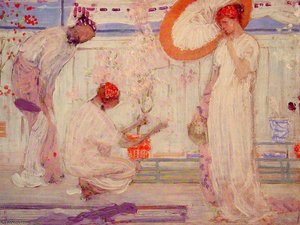
The Violet Note

- 18.0 x 26.0 cm


 Skaityti daugiau
Atraskite James Abbott McNeill Whistlerį (1834–1903) – amerikiečių tonalizmo ir estetikos menininko kūrybą! Apžvelkite 'Whistler's Mother', nokturnus, portretus bei jo "meno tik dėl meno" filosofiją.
Gaukite spausdinimui paruoštą failą, kurio kokybė gerokai viršija internetinę peržiūrą. Kiekvienas mūsų parduodamas skaitmeninis vaizdas yra ištrauktas iš aukštos raiškos pagrindinio failo mūsų duomenų bazėje — paprastai jis siekia nuo 5 000 iki 15 000 pikselių plotio — todėl galite drąsiai spausdinti didelius formatus, apkirpti vaizdą ar reprodukcija užtikrins visas smulkias detales.
Mūsų studijoje nė viena kopija nelieka neapdorota. Skaitmeninio vaizdo ekspertas, lygiu su originaliu paveikslu, patikrina spalvas ir, jei reikia, jas koreguoja, o tada profesionaliais retušavimo įrankiais padidina aiškumą bei detales — visada išlaikydamas ištikimybę autoriaus teptuko traukoms ir stiliui. Rezultatas – vaizdas, kuris atrodo kaip tikras paveikslas, o ne kaip su filtrais apdorotas skenavimas.
Patvirtinate prieš užsakymo pabaigą: mūsų ekspertas per 72 valandas el. laišku atsiųsta vaizdą jūsų peržiūrai. Nepasitenkinate rezultatu? Paprašykite patobulinimų ar pataisymų arba prašykite pinigų grąžinimo, jei kokybė neatitinka jūsų lūkesčių.
Ši kokybė yra patikima leidybos įstaigoms, dizaino studijoms, galerijoms ir spaudos įmonėms.
Skaitmeninis vaizdas
Atsisiųskite didelės raiškos failą asmeniniam naudojimui, spausdinimui ir kūrybiniams projektams. ( Perjungti į spausdinamus版作品 Pirkti rankų darbo tapybą)
Kiekvieną skaitinio vaizdo užsakymą papildė
Profesionalus skaitmeninis vaizdų pristatymas, garantuotas
Pasirinkę TopImpressionists.com, jūs ne tik gaunate paveikslėlį – jūs gaunate profesionaliai patobudintą skaitmeninį kūrinį, sukurtą itin tikniai ir užtikrinantį pasitenkinimą. Štai viską, kas automatiškai pritékia jūsų užsakymui:

Greitas pristatymas el. paštu
Jūsų aukštos raiškos skaitmeninis vaizdo failas bus išsiųstas el. paštu per 72 valandas nuo užsakymo – jis bus paruoštas naudoti be jokių papildomų veiksmų.

Dirbtiniu intelektu tobulintas skaitmeninis failas
Jūsų meno kūrinys profesionaliai optimizuojamas naudojant pažangius dirbtinio intelekto įrankius ir rankinį redagavimą, užtikrinant maksimalią detalę, aiškumą ir spalvų tikslumą.

Nemokamas visam laikui pakartotinis siuntimas
Atsitiktinai ištrytikote ar praradote savo failą? Nebijokite – bet kuriuo metu atsiųsime jį jums vėl nemokamai.

Jokio importo mokesčio – niekada
Mėgaukitės savo meno kūrynu be jokių muitinės mokesčių, įkainų ar pristatymo išlaidų – skaitiniai failai visada yra neapmokestinami.

Spalvų tikslumo garantija
Naudodami profesionalią įrangą ir spalvų valdymo sistemas, užtikriname, kad jūsų skaitmeninis vaizdas kuo tiksliau atspindėtų originalias spalvas.

100 dienų patikimumo garantija
Jei nebuvosite patenkinti įsigyto skaitmeninio vaizdo, mes jį tališkai koreguosime arba grąžinsime 100% sumą per 100 dienų – be jokių klausimų.

100% pinigų grąžinimo garantija
Nesitenkinate? Gaukite visą sumokėtą sumą per 100 dienų nuo skaitmeninio failo gavimo – be jokių papildomų klausimų.

Nuolaidos dideliems užsakymams
Pirkti 3 nuotraukas – 10% nuolaida – Pirkti 5 – 15% nuolaida – Pirkti 10 ir daugiau – 20% nuolaida. Puikiai tinka kūrybiniams projektams, galerijoms bei agentūroms.
A Moment of Quiet Anticipation: Unpacking “The Violet Note”
James Abbott McNeill Whistler’s "The Violet Note," painted in 1886, isn't a grand statement of narrative or dramatic action; it’s a carefully constructed tableau of quiet contemplation and the subtle poetry of everyday life. This intimate portrait captures a woman, her back turned to the viewer, engaged in the seemingly simple act of preparing for travel – a moment frozen in time that speaks volumes about Whistler’s core aesthetic philosophy: “art for art’s sake.” The painting immediately draws us in with its muted palette dominated by blues and greens, creating an atmosphere of subdued elegance and a sense of veiled mystery. It's a deliberate departure from the prevailing Victorian obsession with grand historical scenes or emotionally charged portraits, reflecting Whistler’s commitment to capturing the essence of beauty through form, color, and light rather than storytelling.
The Language of Form and Color: Whistler’s Aesthetic Vision
Whistler was deeply influenced by Japanese prints – particularly *ukiyo-e* – which emphasized flattened perspectives, bold outlines, and a focus on decorative elements. This influence is evident in the painting's composition; the figures are rendered with a sense of detachment, almost as if viewed through a slightly removed lens. The use of color is equally deliberate. Whistler favored a technique he called “tonal harmony,” prioritizing subtle gradations of tone over bright, saturated hues. Notice how the violet – hinted at in the title and subtly reflected in the arrangement of objects – acts as a unifying element, grounding the scene and lending it an air of sophisticated restraint. The careful placement of each object—the vase, the potted plant, the books—contributes to a carefully balanced visual rhythm, suggesting a considered aesthetic rather than a spontaneous one.
Symbolism in the Details: A Journey Within
Beyond its formal qualities, “The Violet Note” is rich with symbolic potential. The woman’s posture, leaning on her suitcase, immediately evokes travel and departure – but it's not a joyous or celebratory departure. There’s a hint of melancholy in her stance, suggesting perhaps a bittersweet farewell or the quiet solitude of a journey undertaken alone. The suitcase itself, placed squarely on the floor, is a potent symbol of both practicality and vulnerability. The books, stacked neatly together, could represent knowledge, experience, or even a longing for intellectual stimulation during her travels. Even the vase with its single bloom – a violet, no doubt – speaks to beauty, fragility, and the transient nature of life. Whistler wasn’t simply depicting a scene; he was layering it with subtle suggestions and inviting the viewer to project their own interpretations onto the canvas.
Historical Context: The Rise of Aestheticism
“The Violet Note” emerged during a pivotal moment in art history – the height of the Aesthetic movement. Whistler, along with figures like Oscar Wilde, rejected the didactic and moralistic tendencies of much 19th-century art, arguing that art should exist solely for its own beauty and pleasure. This philosophy challenged the established conventions of the time, leading to considerable controversy and criticism. Whistler’s work was often dismissed as “mere decoration,” but his insistence on prioritizing formal qualities over narrative content paved the way for modernism and profoundly influenced subsequent generations of artists. Understanding this context illuminates why "The Violet Note" is not a painting about *what* is happening, but rather about *how* it's being seen – a testament to Whistler’s dedication to capturing the essence of visual experience.
Bringing “The Violet Note” Home: A Reproduction for Your Space
TopImpressionists.com offers meticulously crafted hand-painted reproductions of "The Violet Note," allowing you to bring this evocative masterpiece into your own home or office. Our skilled artisans replicate Whistler’s tonal harmony and subtle details with exceptional precision, ensuring that the painting's atmosphere and symbolic depth are faithfully preserved. Whether you appreciate Whistler’s pioneering aestheticism or simply admire its quiet beauty, a reproduction of “The Violet Note” is a timeless addition to any collection – a reminder of the power of art to evoke emotion and inspire contemplation.
Klausimai ir atsakymai
Kaip „The Violet Note“ – Džeimsas Vistleris sujungia Aestheticism and Symbolism su autoriaus gimtinė?
„The Violet Note“ kūrybinę vadovavo Džeimsas Vistleris, gimęs/usi Jungtinės Amerikos Valstijos, remiantis Aestheticism and Symbolism stiliaus tendencijomis. Kūrėjo kilmė sujungia šį kūrinį su Aestheticism and Symbolism kryptimi, kurios atstovai iš Jungtinės Amerikos Valstijos taip pat laikosi.
Kaip „The Violet Note“ tema susiję su įprastomis Džeimsas Vistleris tematikos temos?
Dažniausios Džeimsas Vistleris temos apima aestheticism, european avant-garde, sensibility, mood, atmosphere, travel, preparation, journey; kūrinys „The Violet Note“ susitelkia į woman, travel, packing, suitcase, vase, books, anticipation.
Kur galiu rasti „The Violet Note“ vadovą?
Dėl „The Violet Note“ – Džeimsas Vistleris yra prieinama Informacinė medžiaga puslapio: spausdinamas informacinis lapelis apie kūrinį, skirtas studentams ir mokomajamiam procesui klasėje.
panašūs kūriniai



Autoriaus biografija
James Abbott McNeill Whistlerio: Estetizmo ir Tonalizmo Simfonija
Jamesas Abbotas Maknylas Vistleris, gimęs 1834 metais Lowelloje, Masačiusetse, buvo neeilinis menininkas – atsisakęs moralizuojančių pasakojimų, jis iškėlė „meno dėl meno“ principą, sukeldamas audrą visuomenėje ir kartu įtvirtindamas naują estetinę epochą. Jo ankstyvieji metai, kupini persikraustymų dėl tėvo darbo geležinkelių statyboje, suformavo jo gebėjimą prisitaikyti ir atvertė duris į įvairias kultūras. Nepavykusį bandymą įsitvirtinti Vesto Ponte karinėje akademijoje pakeitė darbas JAV pakrančių apsaugos tarnyboje, tačiau neištirtas meninis talentas nebuvo numalšintas. Būtent Paryžiuje, 1855 metais, prasidėjo jo tikrasis kelias į meno pasaulį, kur jis mokėsi pas Sébastien Bouré ir pradėjo forminti savo unikalų stilių, atsisakydamas tiesioginio realybės atvaizdo ir ieškodamas subtilių toninių harmonijų bei atmosferos efektų. Paryžius tapo ne tik mokykla, bet ir vieta, kur Vistleris išdrįso pareikšti savo įsitikinimą, kad meno vertė slypi vien jo estetinėje kokybėje – atitrūkimu nuo moralinio ar socialinio komentaro.Tonas, Spalva ir "Nakturnai": Vizualinės Muzikos Simboliai
Vistlerio kūrybos šerdis buvo siekis užfiksuoti ne tik tai, kas matoma, bet ir tai, ką jaučiasi – nuotaiką, atmosferą, emociją. Jis dažnai vadindavo savo darbus "symphonijomis", "harmonijomis" ir "nakturmais", pabrėsdamas jų muzikališkumą ir siekį sukurti vizualinę muzikos analogiją. Šie „nakturnai“, ypač Temės upės vaizdai, nebuvo tiesioginiai atvaizdaujantys naktinius peizažus; tai buvo subtilios spalvų ir tonų studijos, kurios sukelia tylią kontempliaciją ir eterinę grožio aurą. Vistleris naudojo ribotą paletę, švelnų teptukų darbą, kad sukurtų atmosferos pojūtį – tarsi atgaivintų praėjusius momentus, užfiksuotus amžinai. Portretuose jis ne siekė idealizuoto panašumo, bet veikiau formalų balansą ir toninius santykius, traktuodamas modelius kaip sudėtines dalis kruopščiai sukonstruotame estetinio viso paveikslėlyje. "Arrangement in Grey and Black No. 1", plačiau žinomas kaip "Whistler's Mother" (Vistlerio Motina), yra puikus pavyzdys šios koncepcijos – paprastas motinos portretas transformuojasi į ikonografinį vaizdinį, simbolizuojantį motinystės didybę ir atramą.Kontroversijos, Įtaka ir Palikimas
Vistlerio kelias nebuvo be kliūčių. 1878 metais jis pateko į viešą konfrontaciją su meno kritiku Johnu Ruskinu dėl savo "Nocturne in Black and Gold – The Falling Rocket". Būdamas atkaklus ir principingas, Vistleris laimėjo bylą, nors ir patyrė dideles finansines nuostolius. Šis atvejis ne tik sustiprino jo reputaciją, bet ir sukėlė svarbius debatus apie meno kritikos funkciją bei menininko laisvę. Vistlerio įtaka išplito toli – jis buvo giliai paveiktas japoniškų gravirų (ukiyo-e), kurios įkvėpė jį kompozicinius sprendimus ir dekoratyvių raštų pabrėžimą, bei ispanų dailininkų, tokių kaip Velázquez, toninio meistriškumo. Jo „meno dėl meno“ principas giliai paveikė Estetizmo judėjimo Anglijoje ir Amerikoje, atverdamas kelią modernizmui ir iššaukdamas tradicinius požiūrius į meninės kūrinio paskirtį.Pavelmų Simfonija
Jamesas Abbottas Maknylas Vistleris mirė 1903 metais Londone, palikęs kūrinių rinkinį, kuris iki šiol žavi ir įkvepia. Jo neprilygstantis atsisakymas nuo moralizuojančių temų ir nuolatinis grožio siekimas padarė jį esmine figūra meno istorijoje. Vistlerio palikimas – tai vizualinės muzikos simfonija, kurios tonai vis dar skamba per amžius, kviešdami mus įvertinti estetinės kokybės galią ir menininko laisvę.- Pagrindiniai Darbai: *The Forge* (1861), *Portrait of Charles Lang Freer* (1873), *Brown and Gold: The Gold Girl—Connie Gilchrist* (1876-77), *Arrangement in Grey and Black No. 1 (Whistler’s Mother)* (1871), *Nocturne in Black and Gold – The Falling Rocket* (1875).
- Įtaka: Japoniškos gravyros, Velázquez.

Džeimsas Vistleris
1834 - 1903 , Jungtinės Amerikos Valstijos
Trumpa informacija
- Artistic Movement Or Style: Tonalizmas, Estetizmas
- Artists Or Movements Influenced By This Artist:
- Estetizmo judėjimas
- Modernizmas
- Artists Who Influenced This Artist:
- Velázquezas
- Japonų grafika
- Date Of Birth: 1834 m. liepos 10 d.
- Date Of Death: 1903 m. liepos 17 d.
- Full Name: Džeimsas Abotas Maknylas Vistleris
- Nationality: Amerikietis
- Notable Artworks:
- Dailininko motinos portretas
- Nocturne: Baltoji ir sidabrinė
- Kalvė
- Peacock Room
- Place Of Birth (City And Country): Lovelis, Masačusetsas, JAV