


 Peržiūrėti realaus dydžio版
 Siųsti
 Dalintis
 Išsamiau
 Vadovas

 Atsisiųsti
 Panašūs eksponatai
 Rentgeno spindulių nuotrauka
 Diaporama
 Statistika
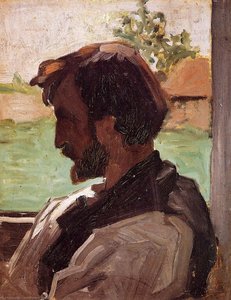
Self Portrait with Palette


Admire Frédéric Bazille's 'Self-Portrait with Palette' (1865). A poignant glimpse into the life of an Impressionist painter, capturing his dedication and artistic spirit in a striking self-portrait.
 Rodyti daugiau
Jean Frédéric Bazille (1841-1870) – pradininkas impresionizmo judėjime. Atraskite ryškius jo peizažus ir portretus, artimą draugystę su Monet bei Renoir. Aukštos kokybės reprodukcijos!
Giclée / Meno spausdinimas
Muziejų lygio „giclée“ arba drobos spausdinimas: greita gamyba ir lankstios apdailos parinktys. ( Pirkti rankomis tapytą reprodukciją Perejti prie skaitmeninių vaizdų)




P118B €10

P118H €10

P118W €10

P438Z €10

P508JH €12

P508YH €12

P805H €10

P805Z €10

P919BZ €10

P919G €10

P919XJ €10

P959ZH €10

P968JZ €12

W106C €8

W218G €10

W218JH €8

W218Y €10

W307PJ €10

W316G €10

W316PJ €8

W316Y €10

W398PJ €8

W4111J €10

W500HY €15

W500JH €15

W692G €12

W849H €8

W940BG €15

W953PJ €8




Standartinis
individualaus dydžio
CM
INCH
Pasirinkite iš mūsų nustatytų dydžių, atitinkančių originalaus meno kūrinio proporcijas.
Loading sizes...

plotis
aukštis
Įveskite jums reikiamą plotį ir aukštį, kad atvaizdas derėtų prie jūsų rėmo ar sienos. Spausdiną galima tik sumažinti, bet nepadidinti virš originalaus paveikslėlio dydžio, todėl keičiant proporcijas, dalis vaizdo prarandama. Prieš spausdinimą atsiųsime jums skaitmeninį maketą patvirtinimui. Šioje puslapio nuotraukoje matomas pjūvis nėra tikslus – jį rodo tik maketas.
Pristatymas visame pasaulyje () per 2 weeks, o ne įprastas 4/5 savaičių laikotarpis. (25 spalis)

Nemokamas greitasis pristatymas visame pasaulyje

Aukštos kokybės lininis drobė

Pilnas siuntimo draudimas

Muitinės mokesčių grąžinimo garantija

Tikro spalvų atitikimo garantija

100 dienų grąžinimo politika (tik esant įtaigoms)

100% pinigų grąžinimo garantija

Nuolaida dideliems užsakymams
 Stiklo variantas prieinamas tik pasirinkus dydį iki 110 cm

Self Portrait with Palette
Giclée / Meno spausdinimas
Reprodukcijos dydis
-


Visų pasirinktų variantų kaina
€ 61
A Moment Frozen in Time: Jean Frédéric Bazille’s “Self Portrait with Palette”
Jean Frédéric Bazille's "Self Portrait with Palette," painted in 1865, is more than just a depiction of an artist; it’s a poignant snapshot of ambition, vulnerability, and the burgeoning spirit of Impressionism. Created during a remarkably brief but intensely productive period in his career, this oil-on-canvas work offers a rare glimpse into the mind of a young man grappling with his artistic aspirations amidst the vibrant, transformative atmosphere of Paris. The painting resides within the esteemed collection of the Art Institute of Chicago, a testament to its enduring quality and significance.
The composition is strikingly direct and unadorned. Bazille, dressed in a dark suit and tie – attire indicative of his medical studies before embracing art full-time – stands before a simple, dark background. His gaze meets the viewer head-on, an almost disconcerting level of intimacy that immediately draws us into the scene. In his hand, he holds a palette brimming with vibrant pigments, hinting at the creative energy simmering beneath the surface. The subtle inclusion of brushes further emphasizes his profession and the tools of his trade. The painting’s stark simplicity—a deliberate choice by Bazille—forces us to confront the artist himself, stripping away any romanticized notions of artistic genius and presenting a raw, honest portrayal.
Impressionism in Miniature: Technique and Light
Bazille's technique is firmly rooted in the principles of Impressionism, though with a distinctly personal touch. He employs loose brushstrokes and a broken color palette—a hallmark of the movement—to capture the fleeting effects of light and atmosphere. Notice how he doesn’t meticulously render every detail; instead, he uses dabs and dashes of paint to suggest form and texture. The lighting is particularly noteworthy – it's diffused and naturalistic, casting soft shadows that contribute to the painting’s overall sense of immediacy. The artist was experimenting with *plein air* painting—working outdoors directly from nature—a technique championed by Monet and others during this period, aiming to capture the transient qualities of light and color.
Interestingly, Bazille utilized a mirror to create this self-portrait, a common practice among artists seeking to accurately represent their own features. This method allowed him to observe his posture, expression, and overall appearance with meticulous detail, ensuring a truthful representation of himself. The subtle asymmetry in the composition—a slight tilt of the head, for instance—adds to the painting’s sense of spontaneity and immediacy.
A Life Cut Short: Context and Symbolism
Understanding the historical context surrounding Bazille's life is crucial to appreciating this work fully. Born in Montpellier, France, in 1841, he initially pursued a medical career alongside his artistic inclinations, a compromise dictated by his family’s desire for financial security. However, drawn to the vibrant artistic community of Paris, he abandoned medicine in favor of painting, a decision that ultimately proved tragically short-lived. Bazille was killed during the Franco-Prussian War in 1870, at just twenty-eight years old – a devastating loss for the burgeoning Impressionist movement.
The “Self Portrait with Palette” can be interpreted as a symbolic representation of this young artist’s aspirations and anxieties. The palette itself represents his creative potential, while his direct gaze suggests a desire to connect with the viewer—to share his artistic vision. Some art historians suggest that Bazille's melancholy expression hints at the pressures he faced, balancing his artistic ambitions with societal expectations and the looming shadow of war. It’s a portrait not just of an artist, but of a man on the cusp of greatness, grappling with mortality and the uncertainties of his future.
A Legacy of Light: The Painting's Enduring Appeal
Despite its brevity, Bazille’s career left an indelible mark on the Impressionist movement. His work exemplifies the movement’s focus on capturing fleeting moments of light and color, as well as its rejection of traditional academic painting techniques. “Self Portrait with Palette” remains a powerful testament to his talent and vision—a poignant reminder of a brilliant artist whose life was tragically cut short. Reproductions of this iconic piece continue to resonate with art lovers today, offering a glimpse into the heart and soul of an Impressionist master.
问答 (or more naturally for a website heading): Klausimai ir atsakymai
Ar „Self Portrait with Palette“ spalvos atrodo ryškios ar švelnios?
„Self Portrait with Palette“ spalvų intensyvumas yra Monochromatic. Intensyvumas apibūdina, koks spalvų ryškumas yra suvokiamas.
Kokią nuotaiką „Self Portrait with Palette“, autorius – Žanas Frederikas Bazilis suteikia interjerui?
Savo Calm nuotaika „Self Portrait with Palette“ siūloma Living Room erdvei.
Kur galiu įsigyti „Self Portrait with Palette“, autorius – Žanas Frederikas Bazilis spausdinį?
„Self Portrait with Palette“ galima įsigyti kaip aukščiausios kokybės spausdinys ant medžio siuvinėjamų audinių arba archyvinio kanvas tipo popieriaus. Užsakymus galima pateikti Kūrinio spausdinimas puslapyje, pasirinkti jūsų pageidaujamame dydžiu.




Autoriaus biografija
Ankstyvieji Metai ir Formavimasis
Žanas Frederikas Bazilis (Jean Frédéric Bazille) gimė 1841 m. gruodžio 6 d. Montpellier’yje, Prancūzijoje, turtingoje protestantų šeimoje, prekiavusioje vynuogėmis. Nors tėvai palaikė sūnų, jie reikalavo, kad jis studijuotų mediciną kartu su menu – kompromisas atspindintis to meto visuomenės lūkesčius ir norą užtikrinti jo finansinį saugumą. Šis dvilypumas formavo ankstyvuosius Bazilio metus, dalijant dėmesį tarp anatomijos pamokų ir spalvų bei šviesos žavesio. Būtent Paryžiuje, kur jis persikėlė 1862 m., tęsti medicinos studijų, prasidėjo jo artistinis kelias. Paryžius tapo jaunajam Baziliui tikru kūrybos katilu. Jis greitai susibūrė su menininkų būreliu, kurie vėliau taps garsiais impresionistais: Klodu Mone (Claude Monet), Pjeru Ogustu Renuaru (Pierre-Auguste Renoir) ir Alfred Sisley. Studijos Šarlio Gleiro (Charles Gleyre) studijoje suteikė jam formalią mokymą, tačiau tik bendra aistra ir radikalios idėjos, kuriomis keitėsi draugai, išties uždegė jo artistinę viziją. Bazilio finansinis stabilumas – palankus kontrastas dažnai nesaugiai egzistuojantiems bičiuliams – leido jam dosniai remti juos, siūlant studijos erdvę ir medžiagas. Ši dosnumas nebuvo tik praktinis; jis kilo iš gilaus draugiškumo ir tikėjimo jų kolektyviniu potencialu. Jis tapo gyvybiškai svarbus šios naujai gimstančios grupės centras, skatinantis eksperimentavimo ir abipusio palaikymo aplinką. Jo ankstyvieji darbai, tokie kaip „Rožinė suknelė“ (c. 1864), jau parodė aštrų akį pastebėti trumpalaikius momentus ir šviesos efektus – pagrindinius bruožus, kurie apibrėš impresionizmą. Jis nesiekė tiesiog atkartoti nusistovėjusių stilių; jis aktyviai dalyvavo kuriant kažką visiškai naujo.Draugystės ir Bendradarbiavimas Impresionizmo Epicentre
Bazilio ryšys su Monet, Renuaru ir Sisley buvo neatskiriama jo artistinės plėtros dalis. Jis dažnai tapydavo kartu su jais *plein air*, eksperimentuodamas su šviesos ir spalvos atspalviais gamtoje. Kartu jie ieškojo naujų būdų perteikti vizualius įspūdžius, atsisakant tradicinių akademinių konvencijų. Bazilio studija tapo svarbiu susitikimų vieta, kur menininkai galėjo diskutuoti apie savo darbus, dalytis idėjomis ir kritikuoti vienas kito kūrinius. Ši atmosfera skatino nuolatinį eksperimentavimą ir inovaciją. Bazilio finansinė parama buvo ypač svarbi Monetui ir Renuarui, kurie dažnai susidurdavo su finansiniais sunkumais. Jis ne tik suteikė jiems studijos erdvę, bet ir padėjo parduoti jų darbus. Šis altruizmas atspindėjo jo gilią įsitikinimą savo draugų talentu ir norą prisidėti prie impresionizmo judėjimo plėtros. Jo tapybos stilius, nors ir greitai besivystantis, turėjo unikalų charakterį platesniame impresionistiniame estetišume. Nors jis dalijosi jų susižavėjimu *plein air* tapyba – darbuodamasis lauke, kad tiesiogiai užfiksuotų natūralios šviesos niuansus – jo kompozicijos dažnai pasižymėjo struktūriškesniu pobūdžiu nei Monet ar Renuar. Jis dažnai derino figūrų tapybą su kraštovaizdžiu, apgalvotai įkurdindamas savo modelius aplinkoje, kaip matyti jo šedevruose, tokiuose kaip „Šeimos susitikimas“ (1867-1868).Stiliaus Apibrėžimas: Šviesa ir Draugiškumas
Bazilio artistinis stilius, nors ir greitai besivystantis, turėjo unikalų charakterį platesniame impresionistiniame estetišume. Nors jis dalijosi jų susižavėjimu *plein air* tapyba – darbuodamasis lauke, kad tiesiogiai užfiksuotų natūralios šviesos niuansus – jo kompozicijos dažnai pasižymėjo struktūriškesniu pobūdžiu nei Monet ar Renuar. Jis dažnai derino figūrų tapybą su kraštovaizdžiu, apgalvotai įkurdindamas savo modelius aplinkoje, kaip matyti jo šedevruose, tokiuose kaip Šeimos susitikimas (1867-1868). Šis darbas nėra tik šeimyninio susibūrimo vaizdas; tai šviesos prasiskverbianti per medžius, animuojanti sceną ir suteikianti jai šilumos bei intymumo jausmą. Jo paveikslai nebuvo tik apie *ką* jis matė, bet *kaip* jis matė – emocinį rezonansą, sukeliantį spalva, forma ir šviesa. Jį giliai įtakojo Žanas Delakrua (Eugène Delacroix), kurio ryškus spalvotumas atsiliepė jo pačio artistiniuose polinkiuose, tačiau jis peržengė akademinės konvencijas ir ėmėsi modernesnio jautrumo. Bazilio tapybos technika pasižymėjo laisvais potepiais ir ryškia spalvotumu. Jis vengė kruopštaus detalizavimo, vietoj to sutelkdamas dėmesį į bendrą atmosferą ir šviesos efektus. Jo paveikslai dažnai atspindėjo jo asmeninę patirtį ir emocijas.Pertraukta Gyvenimas: Palikimas ir Prisiminimai
Žano Frederiko Bazilio žydintis karjeros kelias tragiškai nutrūko 1870 m. Franco-Prūsijos kare. Visiškai atsidavęs savo tėvynei, jis prisijungė prie Zouave pulko vos po konflikto pradžios. Tragiškai jis buvo nušautas netoli Beaune-la-Rolande 1870 m. lapkričio 28 d., būdamas tik 28 metų amžiaus. Jo mirtis sukrėtė artistų bendruomenę, atimdama talentingą draugą ir dosnų rėmėją. Ankstyvas jo žūtis reiškė, kad jo darbai ilgus metus liko santykinai nežinomi. Tačiau pastaraisiais dešimtmečiais Bazilio indėlis vis labiau pripažįstamas ir švenčiamas. Šiandien jo paveikslai saugomi prestižiniuose muziejuose, tokiuose kaip Musée d'Orsay Paryžiuje, o reprodukcijos leidžia meno mėgėjams visame pasaulyje patirti jo vizijos grožį ir inovaciją. Bazilio palikimas apima ne tik jo artistinę produkciją; jis įkūnija jaunatviško idealizmo dvasią, tvirtą atsidavimą ir draugystės galią, kuri apibrėžė ankstyvuosius impresionizmo judėjimo metus. Jis išlieka liūdnas priminimas apie prarastą galimybę, tačiau taip pat yra įrodymas trumpalaikio, bet ryškaus karjeros poveikio.
Žanas Frederikas Bazilis
1841 - 1870 , Prancūzija
Trumpa informacija apie kūrėją
- Gimimo Data: 1841 m. gruodžio 6 d.
- Gimimo Vieta: Montpeljė, Prancūzija
- Menininkų Įtaka: ['Impresionizmas']
- Meninis Stilius: Impresionizmas
- Mirties Data: 1870 m. lapkričio 28 d.
- Pilietybė: Prancūzas
- Pilnas Vardas: Jean Frédéric Bazille
- Įtakoję Menininkai: ['Eugène Delacroix']
- Žymiausi Darbai:
- Rožinė suknelė
- Šeimos susitikimas
- Studija Furstenbergo g.
- Maudančios moterys
Susiję straipsniai

Impressionizmo Deimantai: 10 Šedevrų, Apibrėžusių Revoliucinį Meną
Atraskite 10 impresionizmo šedevrų, kurie pakeitė meno pasaulį! Monet, Renoir ir kiti meistrai – jų kūriniai, istorijos bei spalvų magija. Puikios dailės reprodukcijos jūsų namams. Išskirtinis dizainas TopImpressionists.com!

Impressionism's Masterpieces: 10 Paintings That Defined a Movement | TopImpressionists
Journey through Impressionism's heart with 10 iconic paintings by Monet, Renoir & Degas. Explore light, color & the stories behind these masterpieces. Find museum-quality art reproductions and elevate your home decor on TopImpressionists.com.

The Echo of Self: Reflectivity as a Core Theme in Art History & Contemporary Practice
Explore the rich history of self-representation in art, from Renaissance masters to modern innovators. Discover how artists use portraiture to reveal identity, emotion & the depths of the human psyche. Expert insights for collectors.

Reflecting the Self: A History of Portraiture & Psychological Insight
Explore the fascinating history of self-portraiture from Renaissance masters like Dürer & Rembrandt to modern interpretations. Discover the psychological insights and artistic techniques behind these iconic works. Expert analysis for art enthusiasts.

Paul Cézanne: 25 Šedevrai, Keičiantys Meno Pasaulį | TopImpressionists.lt
Atraskite 25 Paul Cézanno šedevrus! Išsami analizė, istorijos ir įkvėpimas interjero dekorui. Modernus menas, impresionizmas, natiurmortai – viskas TopImpressionists.com. Explore the full collection online!
Tyrinėkite meno kūrinius, suskirstytus pagal temas, stilius ir savybes.

