


 Peržiūrėti realaus dydžio版
 Siųsti
 Dalintis
 Išsamiau
 Vadovas

 Atsisiųsti
 Panašūs eksponatai
 Rentgeno spindulių nuotrauka
 Diaporama
 Statistika
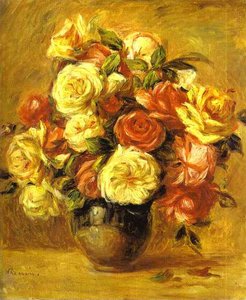
Roses


Joaquin Sorolla’s luminous Roses captures the vibrant spirit of Impressionism, showcasing exquisite floral arrangements and masterful brushstrokes—a timeless masterpiece housed in Museo Sorolla. Explore stunning reproductions and bring this iconic artwork into your home.
 Rodyti daugiau
Joaquin Sorolla: Ispanijos meistras šviesai ir spalvai! Stenkite įsikelti į jo gyvybingus portretus ir paplūdimių vaizdus – išsiaiškinkite jo paveldą šiandien!
Rankų darbo aliejinės reprodukcijos
Rankiniu būdu tapytas aliejus ant droblio jūsų pageidaujamame dydį ir rėmuose – mūsų menininkų darbas pagal užsakymą. ( Perjungti į spausdinimą Perejti prie skaitmeninių vaizdų)




P118B €10

P118H €10

P118W €10

P438Z €10

P508JH €12

P508YH €12

P805H €10

P805Z €10

P919BZ €10

P919G €10

P919XJ €10

P959ZH €10

P968JZ €12

W106C €8

W218G €10

W218JH €8

W218Y €10

W307PJ €10

W316G €10

W316PJ €8

W316Y €10

W398PJ €8

W4111J €10

W500HY €15

W500JH €15

W692G €12

W849H €8

W940BG €15

W953PJ €8




Standartinis
individualaus dydžio
CM
INCH
Pasirinkite iš mūsų nustatytų dydžių, atitinkančių originalaus meno kūrinio proporcijas.
Loading sizes...

plotis
aukštis
Įveskite jums reikiamą plotį ir aukštį, kad paveikslas atitiktų jūsų rėmą ar sieną. Kadangi šis darbas yra rankinio darbo, siekiant išgauti kitokio formos dydį, paveikslas gali būti šiek tiek didesnis (nuo kraštų bus palikta daugiau erdvės) arba mažesnis – pasirinkite jums patogiausią variantą. Prieš pradedant tapyti, atsiųsime jums skaitmeninį maketą patvirtinimui. Šioje puslapio nuotraukoje matomas vaizdas nėra galutinis rezultatas – jį parodys tik sukurtas maketas.
Ką galima pakeisti (pavyzdžiai): Pakeisti veidą į kliento nuotrauką; Pridėti augintinį (pvz., pakeisti katę šunimi); Įtraukti paslėptą žinutę fone; Pakeisti fono kraštovaizdį ar elementus.
Gavus užsakymą, TopImpressionists.com komanda susisieks su klientu el. paštu dėl instrukcijų ir pateiks maketo pavyzdį
Gavus užsakymą, TopImpressionists.com komanda susisieks su klientu el. paštu dėl instrukcijų ir pateiks maketo pavyzdį
Pristatymas visame pasaulyje () per 3–4 savaites, o ne įprastai – per 5 savaites. (26 spalis). Kokybė lieka nepakeičiama.

Nemokamas greitasis pristatymas visame pasaulyje

Aukštos kokybės lininis drobė

Pilnas siuntimo draudimas

Muitinės mokesčių grąžinimo garantija

Tikro spalvų atitikimo garantija

100 dienų grąžinimo politika (tik esant įtaigoms)

100% pinigų grąžinimo garantija

Nuolaida dideliems užsakymams
 Stiklo variantas prieinamas tik pasirinkus dydį iki 110 cm

Roses
Reprodukcijos technika
Reprodukcijos dydis
-


Visų pasirinktų variantų kaina
€ 236
A Symphony of Crimson and Light
To encounter Joaquín Sorolla y Bastida’s Roses is to step directly into the warmth of a Mediterranean afternoon. Painted in 1900, this oil on canvas masterpiece is far more than a mere botanical study; it is a profound embodiment of the Spanish Impressionist movement's soul. The artwork centers around a vase brimming with life, where deep crimson blooms take center stage, arranged with a meticulous yet effortless grace. Sorolla does not simply paint flowers; he captures the very breath of nature. As light dances across the velvety petals and filters through the arrangement, the viewer is invited into a sensory experience that transcends the boundaries of the canvas. For the discerning collector or interior designer, this piece offers an unparalleled sense of vitality, acting as a focal point that breathes warmth and organic elegance into any sophisticated space.
The technical brilliance of Roses lies in Sorolla’s legendary command of luminosity. Utilizing the alla prima technique—applying paint directly to the canvas without the restraint of preliminary sketches or heavy underlayers—the artist achieved a breathtaking immediacy. His brushstrokes are loose, visible, and rhythmic, conveying a sense of movement that suggests the flowers might sway with the slightest breeze. This mastery of light is not merely decorative; it is the heartbeat of the composition. By prioritizing the sensory experience of a fleeting moment over rigid realism, Sorolla allows the colors to vibrate against one another, creating a textural richness that makes the crimson roses appear almost tactile. The interplay of shadow and sun-drenched highlights creates a depth that draws the eye inward, making the still life feel remarkably alive.
Symbolism and the Eternal Spring
Beyond its visual splendor, Roses carries a weight of symbolic resonance that speaks to the universal human experience. Throughout history, the rose has served as a potent metaphor for love, beauty, purity, and the bittersweet nature of remembrance. In Sorolla’s hands, these themes are woven into the very fabric of the light. The vibrant red hues evoke passion and the exuberant joy of life, while the delicate arrangement suggests the ephemeral nature of beauty—a concept deeply rooted in the Impressionist philosophy of capturing the "fleeting moment." There is a poignant tension within the work: the flowers are captured in their peak perfection, yet the viewer is aware that such brilliance is transient. This emotional depth makes the painting an evocative choice for those seeking art that offers both aesthetic pleasure and intellectual contemplation.
For those looking to integrate this masterpiece into a curated collection or a high-end interior, Roses serves as a timeless bridge between classical elegance and modern energy. It possesses the unique ability to anchor a room with its rich color palette while simultaneously uplifting the spirit with its luminous atmosphere. Whether placed in a sunlit gallery or a quiet, refined study, this reproduction of Sorolla’s genius stands as a testament to the enduring power of light and the everlasting allure of nature's most exquisite offerings.
问答 (or more naturally for a website heading): Klausimai ir atsakymai
Kokie kiti Joaquin Sorolla vardai yra žinomi?
Kiti Joaquin Sorolla, „Roses“ kūrybos autoriaus, vardai apima Joaquin Sorolla Y Bastida.
Kam rekomenduojamas naudojimui „Roses“, autorius – Joaquin Sorolla?
Rekomenduojamas „Roses“ spausdinio naudojimas yra Accent.
Kokio Joaquin Sorolla kūrybos etapo priklauso „Roses“ (1900)?
Atsižvelgiant į 1900 datą, kūrinys „Roses“ priskiriamas Joaquin Sorolla Late Impressionism laikotarpiui.
Susiję kūriniai




Autoriaus biografija
Joaquín Sorolla y Bastida – A Life Bathed in Light
Joaquín Sorolla y Bastida, a name synonymous with the radiant light and vibrant energy of Spain, was more than just a painter; he was a chronicler of his nation’s soul. Born in Valencia in 1863, Sorolla's early life was marked by tragedy. Orphaned at the tender age of two following a cholera epidemic that claimed both parents, young Joaquín and his sister were raised by their maternal aunt and uncle. This early experience with loss perhaps instilled within him a profound appreciation for the fleeting beauty of life – a sentiment that would permeate his art. Though hardship shadowed his beginnings, it did not dim the spark of artistic talent that quickly became apparent. He received initial instruction in Valencia, demonstrating an aptitude that led to studies under established artists like Cayetano Capuz and José Benlliure, eventually culminating in a four-year grant to study in Rome. It was there, amidst the classical grandeur of Italy, that Sorolla began to forge his unique artistic path, absorbing influences while simultaneously developing a style distinctly his own.Early Life and Influences
Joaquín Sorolla’s formative years instilled within him a deep sensitivity to loss—a preoccupation with mortality that would inform much of his oeuvre. Born on February 27, 1863, in Valencia, Spain, he was the eldest child born to Joaquín Sorolla Bastida, a tradesman, and Concepción Bastida. His sister, Concha, arrived a year later. The sudden death of his parents from cholera at just two years old profoundly impacted his worldview, shaping his artistic vision with an awareness of fragility and beauty. Recognizing his exceptional talent early on, he commenced formal art education in Valencia under the tutelage of Cayetano Capuz and José Benlliure—artists who championed realism and employed meticulous observation as core tenets of their craft. This grounding in academic tradition provided a crucial foundation for Sorolla’s subsequent explorations into Impressionism and Luminism. A pivotal moment arrived when he embarked on his studies in Rome at the age of eighteen, securing a prestigious grant from the Valencian Diputación Provincial. Amidst the artistic fervor of the Italian capital—where he encountered luminaries like Francisco Pradilla Ortiz—Sorolla absorbed influences from masters such as Jules Bastien-Lepage and Adolf von Menzel, artists who championed expressive brushwork and captured atmospheric effects with remarkable precision. These encounters solidified his commitment to portraying light and color in ways that transcended mere representation, propelling him toward a distinctive artistic style.From Historical Narratives to Sun-Drenched Realism
Sorolla’s initial artistic endeavors leaned towards historical painting—large-scale canvases depicting mythological scenes and grand narratives—reflecting the prevailing academic trends of his time. However, he swiftly transitioned away from these conventions as he returned to Spain and began to immerse himself in the everyday life of Valencian society. The intense Mediterranean sunlight, the shimmering sea, and the vibrant energy of the people became Sorolla’s primary subjects—a deliberate departure from formal historical depictions that prioritized grandeur over human experience. This shift wasn't abrupt; Sorolla continued to explore social realism with works like Sad Inheritance (1899)—a poignant portrayal of children afflicted by polio bathing in the sea—demonstrating a compassionate engagement with marginalized communities and signaling a broadening of his artistic horizons. The painting garnered considerable acclaim, yet it simultaneously revealed Sorolla’s capacity for confronting darker themes alongside radiant beauty.The Luminist Style: Capturing Fleeting Light
Sorolla's artistic breakthrough occurred when he perfected his technique—a revolutionary approach known as Luminism—characterized by bold and impastoed brushstrokes that conveyed movement and atmosphere with unparalleled dynamism. Unlike Impressionists who sought to capture momentary impressions of light, Sorolla aimed to distill the essence of illumination itself—the way it danced on surfaces, refracted through water, and transformed ordinary scenes into spectacles of breathtaking splendor. He achieved this feat by working *en plein air* whenever possible—directly confronting the challenges posed by fluctuating weather conditions—resulting in canvases brimming with palpable energy and immediacy. His beach scenes—particularly Children on the Seashore (1904) and Sewing the Sail (1915)—became emblematic of his Luminist style—capturing not just visual details but also the intangible feeling of sunlight filtering through air, illuminating skin, and animating landscapes. Sorolla’s masterful handling of light elevated his paintings beyond mere depiction; he transformed them into embodiments of joy, vitality, and the sublime beauty of nature.Legacy and Recognition
Joaquín Sorolla's artistic achievements cemented his place as one of Spain’s most celebrated painters—a figure whose influence extended far beyond his lifetime. He garnered international acclaim through prolific exhibitions in major cities across Europe and America—receiving numerous awards and commissions that underscored his stature as a leading artist of his era. His monumental mural cycle, Vision of Spain (1912-1928)—commissioned by the Hispanic Society of America—stands as an enduring testament to his artistic vision and technical prowess—a project undertaken during his final years and completed posthumously. Sorolla’s legacy continues to inspire artists today—his unwavering dedication to capturing light and color, coupled with his profound empathy for human experience—reminding us that art possesses the capacity to illuminate our world and transcend temporal boundaries. His paintings reside in prominent museums globally—including the Museo Sorolla in Madrid—where they continue to captivate audiences with their luminous beauty and evocative power.
Joaquin Sorolla
1863 - 1923 , Ισπανία
Trumpa informacija apie kūrėją
- Artistic Movement Or Style: Luminizmė
- Artists Or Movements Influenced By This Artist: ['Monetas']
- Artists Who Influenced This Artist:
- Franciso Pradila
- Julijų Bastijoną Lepage
- Date Of Birth: Vasario 27, 1863
- Date Of Death: Rugpjūčio 10, 1923
- Full Name: Joaquín Sorolla y Bastida
- Nationality: Ispanų
- Notable Artworks:
- Margaritos išėjimas
- Žaidimų laukelė
- Liūdrus paveldėjimas
- Šūdas žvejui
- Place Of Birth: Valensija, Ispanija
Susiję straipsniai

The Soul of Impressionism: Why Oil on Canvas Captures Eternal Light and Timeless Emotion
Discover the enchanting alchemy of Impressionism. Explore how the mastery of oil on canvas, through glazing and impasto, captures eternal light and emotion. Perfect for lovers of Monet and Van Gogh seeking the profound depth of hand-painted fine art.
Tyrinėkite meno kūrinius, suskirstytus pagal temas, stilius ir savybes.


