

Paveikslėlyje: · Su rėmu:
 Peržiūrėti

 Pasidalinti
 Dalintis
 Išsamiau
 Informacinė lLapelė


 Atsisiųsti
 Panašūs eksponatai
 Rentgeno spindulių nuotrauka
 Automatinė diorama
 Klausimai ir atsakymai

 Statistika
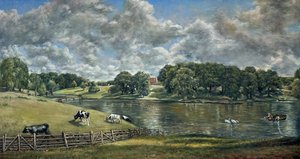
Flatford Mill (John Constable, 1817)

- 50.0 x 60.0 cm


Plagių ir kuriasi meno spausdinimai nuo €45 (dydis 28 x 36 cm)
Ranku tapyta aliejaus reprodukcija – nuo €178
- Nemokamas pristatymas visame pasaulyje per 3–4 weeks
- Siuurti spausdininiai pristatomi per 3–4 weeks
- 100 dienų grąžinimo garantija ir pinigų grąžinimas
- ArtShopReviews.com vartotojų įvertinimas: 4.9/5 (remdamasi 241 apžvelgimais)
€ 69
Giclée / Meno spausdinimas
Muziejų lygio „giclée“ arba drobos spausdinimas: greita gamyba ir lankstios apdailos parinktys. ( Impressionistų aliejus Pirkti skaitmeninę kopiją
)
Mediumas
 Skaityti daugiau
Mūsų biudžetinė spausdinimo versija: ta pačia nuotrauka, tik atspausdinta ant 260 g/m² poliesterinės drobennės vietoj medienos, pristatyoma sulenkiama į vamzdį reguliarios paštos nei 3–4 weeks. Tik sulenkiama (be rėmų ir tvirtinimo) ir be skubios gamybos, dydžiams, kurių bent viena pusė yra ne ilgesnė kaip 80 cm. Apie 30% pigiau nei drobennio spausdinimas.
Šis variantas nepasiekiamas šiam dydžiui: viena pusė turi būti ne ilgesnė kaip 80 cm.
Tik sulenkta: kad pasirinktumėte šį spausdinimą, rinkitės plėtį lenktą į vamzdį.
Galima paseninti dydžiais, kurių abiejų pusės length yra ne ilgesnė kaip 110 cm. Didesnių dydžių spausdinimas vykdomas ant matinio medienos pluošto drobios.
Matinis archyvinis platinas šiam dydžiui yra neprieinamas: abiejų pusės turi būti ne ilgesnės už 110 cm. Jūsų spausdinys bus atliktas ant matinio medienos platinio.
Stiklo variantas prieinamas tik pasirinkus dydį iki 110 cm
Dydis
·Pasirinkite iš mūsų nustatytų dydžių, atitinkančių originalaus meno kūrinio proporcijas.
Kraunami dydžiai...

plotis
aukštis
Įveskite jums reikiamą plotį ir aukštį, kad atvaizdas derėtų prie jūsų rėmo ar sienos. Spausdiną galima tik sumažinti, bet nepadidinti virš originalaus paveikslėlio dydžio, todėl keičiant proporcijas, dalis vaizdo prarandama. Prieš spausdinimą atsiųsime jums skaitmeninį maketą patvirtinimui. Šioje puslapio nuotraukoje matomas pjūvis nėra tikslus – jį rodo tik maketas.
Standartinis dydis
pagal užsakymą
CM
COLI
Baigiamasis etapas
·
Baltas apasutojimas €1

Išblėstantis šonas €1

Išplėstinis €1

P118B €10

P118H €10

P118W €10

P438Z €10

P508JH €12

P508YH €12

P805H €10

P805Z €10

P919BZ €10

P919G €10

P919XJ €10

P959ZH €10

P968JZ €12

W106C €8

W218G €10

W218JH €8

W218Y €10

W307PJ €10

W316G €10

W316PJ €8

W316Y €10

W398PJ €8

W4111J €10

W500HY €15

W500JH €15

W692G €12

W849H €8

W940BG €15

W953PJ €8
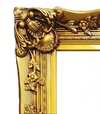
H24-GOLD €30
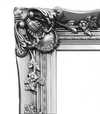
H24-SILVER €30
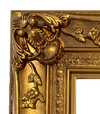
H36-GOLD €70
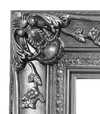
H36-SILVER €70
Siunčiama saugiame vamzdelyje, paruošta patys sukomentuoti jūsų rėmeliais.
Virš 105 cm rėmas siunčiamas kaip rinkinys profesionaliam rėmininkui — skaitykite detales.
Papildomos paslaugos
nebūtinaKą apima papildomos paslaugos?
Pristatymas visame pasaulyje () per 2 weeks, o ne įprastas 4/5 savaičių laikotarpis. (27 gruodis)
Pasirinkus „Economy“ poliesterio drobės spausdinimą, skubus gamybos procesas ir ekspreso kurjerio pristatymas nepasiekiami, nes siuntimas vykdomas paprastu paštu.
Apsauginis lakas
Pavadinimo lentelė
Išgraviruotos bronzinės plokštelės detalės
Ši elegantiška plokštelė su gražiai išgraviruotu kūrinio pavadinimu ir autoriaus vardu suteikia nepriekaištingą, perlaikinį vaizdą.
Pagamininta iš bronzos su rafinuotu, elegantišku apdailymu. Tekstas yra tiksliai išgraviruotas lazeriu, todėl yra aiškus ir neišblukstantis. Plaketoje, kurios dydis yra 9x2 cm, tekstas yra kompaktiškas, tačiau lengvai skaitomas. Ji yra patvaraus paveikslėlio ir atspari įraišams, todėl užtikrina profesionalų, muziejinį estetiškumą. Montavimas paprastas, dėkingas pridedamai lipniai apatinei daliai.
Skaidrios akrilo plokštelės informacija
Plokštėje yra išgraviruoti esminiai duomenys: meno kūrinio autoriaus vardas ir pavardė, kūrinio pavadinimas, kūrimo data, naudojama technika (pavyzdžiui, ezinė dažstai ant pluošto ar akvarelis), trumpas kūrinio aprašas bei QR kodas, vedantis į išsamią informaciją apie meno kūrinį.
Ji pagaminta iš skaidriaus akrilo, todėl pasižymi elegantišku ir moderniu išvaizda. Juodas tekstas yra išgražintas UV spindulių pagalba, todėl užtikrinamas didelis vizualinis kontrastas. 10x15 cm dydžio plokštelė užtikrina optimalų skaitomumą. Ji komplektuojama dvi metalinėmis kabėlėmis saugiam tvirtinimui ant sienos. Plokštelė yra atskaidžiari aplinkos poveikiui, todėl tinka skirtingoms erdvėms, bei turi interaktyvių funkcijų, kurios sklandžiai veikia nuskanavus išmanųjį telefoną.
Juodos akrilo plokštelės informacija
Ši elegantiška plokštelė apima išgraviruotą informaciją: autoriaus vardą, kūrinio pavadinimą, kūrimo datą, naudojamą techniką (pavyzdžiui, ezinę ant pluošto ar akvarelį), trumpą kūrinio aprašymą bei QR kodą, leidžiantį greitai gauti daugiau informacijos.
Plakė paglintinta iš aukščiausios kokybės juodo akrilo su elegantišku paviršiaus apdailymu. Tekstas išgraviruojamas balta spalva, todėl jis yra itin kontrastingas ir lengvai skaitomas. Plakės dydis yra 10x15 cm, todėl informacija yra aiškiai matoma. Komplekte yra du metaliniai kabeliai profesionaliam montavimui. Dizainas yra minimalistinis ir tinka bet kokiam interjero stiliui. Plakė yra atskaidži bei patvari, taip pat turi integruotą skaitmeninę integraciją mobiliajam suderinamumui.
Stiklo variantas prieinamas tik pasirinkus dydį iki 110 cm
 Stiklo variantas prieinamas tik pasirinkus dydį iki 110 cm
- Nemokamas pristatymas visame pasaulyje per 3–4 weeks
- Aukštos kokybės lininis drobė
- Pilnas siuntimo draudimas
- Muitinės mokesčių grąžinimo garantija
- Tikro spalvų atitikimo garantija
- 100 dienų grąžinimo garantija ir pinigų grąžinimas
- 100% pinigų grąžinimo garantija
- Nuolaida dideliems užsakymams


Flatford Mill: John Constable ir Romanticism era
A tranquil river scene with boats and a horse by the water's edge, rendered with thick impasto to capture the shifting light of the Stour Valley.
John Constable: biografija
Marios mirtis nuo tuberkulio prierė jį dėvėti juodą ir tapinti išraiškingus vėlesnio laikotarpio kraštožemius.
Apie kūrinį
Identification of Flatford Mill by John Constable
Flatford Mill is an 1817 landscape painting by the British artist John Constable. This work offers a view of the mill located in East Bergholt on the River Stour. It is also known by the subtitle Scene on a Navigable River. The scene captures a specific moment in the rural landscape of the Stour Valley, focusing on the quiet activity surrounding the water's edge.
The painting was first presented to the public when it was displayed at the Royal Academy's Summer Exhibition at Somerset House in 1817. At that time, it established the artist's interest in the specific topography of his home region. The composition centers on the mill and the river, providing a detailed look at the relationship between the water and the surrounding land.
The Composition and Visual Elements
The composition pulls you into a world of lush greens and reflective waters. At the heart of the scene, the calm, reflective waters of the river act as a mirror to the lush, verdant banks. This interplay of light and liquid creates a sense of depth that draws the eye toward the center of the work. A moored boat and distant figures provide a gentle human connection to the vastness of the Suffolk countryside, grounding the landscape in a quiet, lived-in reality.
Several individuals stand near the water's edge, their presence adding a subtle layer of activity to the peaceful scene. On the left side of the image, a horse is positioned near the bank, its form integrated into the pastoral setting. Two boats are visible in the water; one is situated towards the center, while another rests slightly to the right. These elements, combined with the rhythmic presence of the river, establish a sense of harmony within the rural environment.
Technique and Artistic Materials
In this oil on canvas, one can sense the methodical preparation that preceded the final application of paint. Before committing to the large-scale composition, the artist relied on a foundation of oil sketches, graphite drawings, and watercolour studies. This disciplined approach allowed for a careful arrangement of the landscape's complexities. The resulting work possesses a physical weight, achieved through the use of thick impasto to build up texture across the surface. This tactile quality gives the river and the earth a sense of movement and life.
There is a particular luminosity in the way the light interacts with the water and the sky. This effect is achieved through the painstaking layering of thin glazes of paint. Such a technique allows light to penetrate the surface, creating an illusion of shimmering luminescence that mimics the shifting atmosphere of the Stour Valley. It is a quiet, deliberate mastery of light and shadow.
Historical Ownership and Collections
The provenance of this work is deeply connected to the artist's own legacy. It was eventually included as part of the Constable Bequest in 1888, ensuring its place within the public consciousness. This transition from private hands to a permanent collection secured its survival for future generations to study.
Today, the painting is held within the collection of Tate Britain. It is also part of the holdings at the Tate Gallery in London. These institutions maintain the work as a significant part of their English landscape holdings. Additionally, the National Trust holds a connection to the work through its stewardship of the surrounding landscapes and properties.
Related Works by John Constable
To understand the evolution of this artist, one might look toward his earlier explorations of the Stour Valley. In 1815, he produced Boat-building near Flatford Mill, a work that captures the rhythmic sounds of craftsmanship against a quiet river setting. This piece reflects his deep connection to the local landscape and the dignity of rural labor. It is a quiet study of the textures found in the Suffolk countryside.
His later compositions often expanded in scale and ambition. He moved toward larger canvases, such as The Hay Wain from 1821, which remains one of his most recognized depictions of the river. Other significant works include The Cornfield (1826) and The Lock (1824), both of which continue his investigation into the interplay of light and water. He also turned his attention to more architectural subjects, such as Salisbury Cathedral from the Meadows in 1831.
- Boat-building near Flatford Mill (1815)
- The Hay Wain (1821)
- The Lock (1824)
- The Cornfield (1826)
- Salisbury Cathedral from the Meadows (1831)
Where to See This Masterpiece Today
If you wish to experience the subtle shifts of light and the texture of the River Stour in person, you will find this work held within the collections of the Tate Gallery in London. It is part of the permanent collection at Tate Britain, where the painting is kept for public viewing. The work remains a significant part of the Tate Britain collection, allowing visitors to observe the specific impasto and the atmospheric perspective that Constable achieved in 1817.
The painting is situated in London, United Kingdom. It is housed within the Tate Gallery, London, providing a quiet space to study the relationship between the water and the sky. Being part of the Tate Britain collection, it is accessible to those who appreciate the nuances of the Romantic tradition in a museum setting.
Klausimai ir atsakymai
Ar ši Flatford Mill reprodukcija yra rankiškai dažyta ar atspausdinta?
Spausdinimas: Flatford Mill yra atspausdintas giclée technika ant medžioje pagrįsto medinio drobilo arba „Epson“ archyvinio drobilo popieriaus.
Kokį dydį turėčiau pasirinkti darbui Flatford Mill?
Originalo matmenys yra 50 x 60 cm. Dydviai svyra nuo 28.2 x 35.5 cm (€45) iki 192.6 x 242.9 cm (€406); šioje pusėje pateiktoje lentelėje nurodyti galimi variantai ir jų kainos.
Kiek trunka pristatymas?
Spausdinys, įlenktas į vamzdikį, pristatomas nemokamai reguliaru paštu per 3–4 weeks; drobkalnį užtraukus arba įrėmintas spausdinys pristatomas per 4–5 weeks. Ekspreso kurjeriu pristatymas pasiekiamas tik paslaugos „Ekspreso pristatymas“, kurią galite įsigyti šioje puslapyje. Prekę galite grąžinti per 100 dienų ir gauti visą sumą atlaikytą, nepriklausomai nuo priežasties.
Kokia technika buvo naudojama kūriniui Flatford Mill autoriu John Constable?
Oil On Canvas
Trumpos faktinės datos ir meno viktorina
Apie John Constable

John Constable
1776 - 1837, Jungtinė Karalystė
Apie John Constable: gyvenimas, kūriniai ir biografija
Trumpa informacija apie John Constable
- Artistic Movement Or Style: Romantizmas
- Artists Or Movements Influenced By This Artist: ['Barbizon mokykla']
- Artists Who Influenced This Artist: ['Claude Lorrain']
- Date Of Birth: 1776
- Date Of Death: 1837
- Full Name: John Constable
- Nationality: Britų
- Notable Artworks:
- Šieno vežimas
- Hadlihio pilis
- Salcemburo katedra iš pievų
- Netlijo vienuolija
- Place Of Birth: East Bergholt, Jungtinė Karalystė
panašūs kūriniai
Panašūs plėtmenai, atspindintys šio paveikslio šviesą, paletę ir nuotaiką


Tyrinėkite meno kūrinius, suskirstytus pagal temas, stilius ir savybes.




John Constable
Flatford Mill
() ·
Su rėmu: ·
Bendra suma