

 Peržiūrėti realaus dydžio版
 Pasidalinti
 Dalintis
 Išsamiau
 Vadovas

 Atsisiųsti
 Panašūs eksponatai
 Rentgeno spindulių nuotrauka
 Automatinė diorama
 Q&A
Q&A Statistika
Cos Cob

- 53.0 x 66.0 cm


Experience Impressionism's serene harbor life with John Henry Twachtman's Cos Cob; capture the soft light of this 1899 masterpiece for your collection.
 Skaityti daugiau
John Henry Twachtman (1853-1902): Atraskite amerikietiškąjį impresionizmą ir tonalizmą! Žymiausi darbai – „Arques-la-Bataille“, nuostabūs peizažai, įkvėpę ankstyvojo XX a. menininkus.
Giclée / Meno spausdinimas
Muziejų lygio „giclée“ arba drobos spausdinimas: greita gamyba ir lankstios apdailos parinktys. ( Pirkti rankų darbo tapybą Perejti prie skaitmeninių vaizdų)




P118B €10

P118H €10

P118W €10

P438Z €10

P508JH €12

P508YH €12

P805H €10

P805Z €10

P919BZ €10

P919G €10

P919XJ €10

P959ZH €10

P968JZ €12

W106C €8

W218G €10

W218JH €8

W218Y €10

W307PJ €10

W316G €10

W316PJ €8

W316Y €10

W398PJ €8

W4111J €10

W500HY €15

W500JH €15

W692G €12

W849H €8

W940BG €15

W953PJ €8




Standartinis dydis
pagal užsakymą
CM
INCH
Pasirinkite iš mūsų nustatytų dydžių, atitinkančių originalaus meno kūrinio proporcijas.
Loading sizes...

plotis
aukštis
Įveskite jums reikiamą plotį ir aukštį, kad atvaizdas derėtų prie jūsų rėmo ar sienos. Spausdiną galima tik sumažinti, bet nepadidinti virš originalaus paveikslėlio dydžio, todėl keičiant proporcijas, dalis vaizdo prarandama. Prieš spausdinimą atsiųsime jums skaitmeninį maketą patvirtinimui. Šioje puslapio nuotraukoje matomas pjūvis nėra tikslus – jį rodo tik maketas.
Pristatymas visame pasaulyje () per 2 weeks, o ne įprastas 4/5 savaičių laikotarpis. (31 spalis)

Nemokamas greitasis pristatymas visame pasaulyje

Aukštos kokybės lininis drobė

Pilnas siuntimo draudimas

Muitinės mokesčių grąžinimo garantija

Tikro spalvų atitikimo garantija

100 dienų grąžinimo politika (tik esant įtaigoms)

100% pinigų grąžinimo garantija

Nuolaida dideliems užsakymams
 Stiklo variantas prieinamas tik pasirinkus dydį iki 110 cm

Cos Cob
Giclée / Meno spausdinimas
Reprodukcijos matmenys
-


Bendroji kaina
€ 61
A Serene Glimpse into American Impressionism
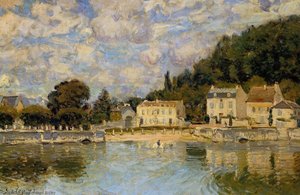
To gaze upon John Henry Twachtman's "Cos Cob" is to be instantly transported to a moment suspended in time—a breath of cool, aqueous air over a bustling yet profoundly peaceful harbor. This painting, executed in 1899, is more than just a depiction of waterfront life; it is a masterful meditation on light, atmosphere, and the quiet rhythms of coastal existence. Twachtman captures the quintessential American scene, transforming the mundane elements of docks, brick buildings, and moored vessels into something luminous and deeply evocative. The very air seems palpable through his brushwork, inviting the viewer to step right off the canvas and join the gentle activity unfolding on the water.
Mastery in Light and Brushstroke
Twachtman’s technique here is a shining example of American Impressionism at its peak. He eschews the sharp outlines of earlier academic styles, instead favoring soft, visible brushstrokes that allow the light itself to become the primary subject. Observe how the sunlight catches the white sail of the central boat; it does not merely reflect light, it seems to emanate it. The interplay between the deep tones of the brick structures and the shimmering blues and greens of the water is handled with an almost scientific delicacy, yet the overall effect remains purely emotional. This sophisticated handling of color and texture ensures that even in a seemingly simple harbor scene, there lies profound technical brilliance.
The Narrative Heart of Cos Cob
The composition guides the eye through several distinct focal points. The small white sailboat acts as an anchor for the viewer's gaze, drawing us into the middle ground where human life intersects with natural beauty. Flanking this central activity are the sturdy, time-worn brick buildings—structures that speak of history and permanence against the ever-changing tide. Furthermore, the subtle inclusion of a solitary figure near the water’s edge adds a poignant narrative layer. This person seems absorbed in the view or engaged in the quiet business of the harbor, suggesting themes of contemplation, daily routine, and man's enduring relationship with his environment.
A Timeless Appeal for Modern Spaces
For the collector or designer seeking art that whispers rather than shouts, "Cos Cob" offers unparalleled depth. Its palette—a harmonious blend of earthy reds from the brickwork, cool blues from the water, and bright whites from the sails—is inherently soothing. Reproducing this work allows one to bring a piece of late 19th-century American artistic genius into a contemporary setting. Whether placed in a sunlit drawing room or an area overlooking water, its serene energy acts as a visual balm, grounding any space with a sense of cultivated tranquility and historical resonance.
Klausimai ir atsakymai
Ar „Cos Cob“ spalvos atrodo ryškios ar švelnios?
„Cos Cob“ spalvų intensyvumas yra Vivid. Intensyvumas apibūdina, koks spalvų ryškumas yra suvokiamas.
Kokia technika ir stilius charakterizuoja „Cos Cob“ – Džonas Henris Tvahtmanas?
„Cos Cob“ – Džonas Henris Tvahtmanas sujungia Oil On Canvas techniką su Impressionism stiliumi. Technika ir stilius apibūdina kūrinio gamybos būdą bei jo estetinį iš Ausdrucką.
Kam rekomenduojamas naudojimui „Cos Cob“ spausdinys?
Rekomenduojamas naudojimo būdas kūriniui „Cos Cob“ – Džonas Henris Tvahtmanas yra Focal. Jis taip pat gali būti naudojamas kitoms paskritis.
panašūs kūriniai




Autoriaus biografija
Ankstyvieji Metai ir Duvenecko Įtaka
Džonas Henris Tvačtmanas, gimęs 1853 metų rugpjūčio 4 dieną Sinsinatyje, Ohajo valstijoje, yra svarbi figūra amerikietiškosios impresionizmo plėtroje. Jo kelias nuo akademinio mokymo iki unikalios asmeninės stilistikos atspindi ne tik jo artistinę evoliuciją, bet ir platesnius pokyčius Amerikos meno pasaulyje XIX amžiaus pabaigoje ir XX amžiaus pradžioje. Tvačtmano istorija – tai nuolatinės paieškos, nerami siekis užfiksuoti atmosferą ir emocijas per spalvą bei šviesą, galiausiai paliekantį neišdildomą ženklą kraštovaizdžio tradicijoje. Pradinį artistinį pagrindą jis įgijo mokydamasis pas Frank Duveneck savo gimtajame mieste – tai buvo lemiama patirtis, įskiepijusi jam dedikaciją tiesioginei stebėjimui ir atsisakymą pernelyg idealizuotų vaizdų. Šis ankstyvas mokymas padėjo pamatus vėlesniam progresyvių technikų priėmimui. Duvenecko įtaka buvo gili, skatinusi Tvačtmaną ieškoti tiesiogumo ir autentiškumo mene, atsisakant akademinių konvencijų ir kreipiantis į realistinį vaizdavimą su stipriu emociniu krūviu.Europos Įtakos ir Tonalizmo Priėmimas
Siekdamas tobulinti savo įgūdžius ir praplėsti artistinį horizontą, Tvačtmanas leidosi į studijų Europoje laikotarpį, kuris pasirodė transformuojančiu. Nuo 1875 iki 1877 metų jis lankė Fine Arts akademiją Miunchene, kur įsisavino principus laisvai teptais, šešėlinės technikos, vyravusios tuo metu. Vėlesnis vizitas į Veneciją su Viljamu Meritu Čejsu dar labiau paskatino jį aistrą užfiksuoti šviesos ir atmosferos niuansus. Šios Europos patirtys buvo svarbios formuojant jo artistinę viziją, tačiau Tvačtmanas niekada tiesiogiai nekopijavo to, ką sutiko svetur; vietoj to, jis sintetizavo šias įtakas į kažką išskirtinai savo. Laikotarpis nuo 1883 iki 1885 metų jį rado Académie Julian Paryžiuje – tai buvo lūžio taškas, kai jo stilius pradėjo susilieti į minkštesnį, atmosferiškiausią požiūrį – poslinkis, kuris apibrėžtų jo firminę estetiką. Būtent šiuo parizietiškuoju laikotarpiu jis visiškai priėmė Tonalizmą, pasižymintį prislopintomis spalvomis, subtiliomis tono gradacijomis ir pabrėžimu kuriant nuotaiką bei atmosferą. Darbai, tokie kaip *Arques-la-Bataille*, dabar saugomi Metropoliteno meno muziejuje, yra puikus šio laikotarpio pavyzdys, demonstruojantis jo meistriškumą toninėse harmonijose ir įtaikiuose kraštovaizdžiuose.Cos Cob Kolonija ir Asmeninis Impresionistinis Stilius
Grįžęs į Ameriką, Tvačtmanas apsigyveno Konektikute, įsigydamas farmą Grenviče, kuri taps namais ir artistiniu prieglobščiu. Jo buvimas augančioje Cos Cob meno kolonijoje buvo lemiamas – skatinant gyvybingą kūrybinę bendruomenę, kur idėjos laisvai keitėsi ir buvo ugdomas eksperimentavimas. Jis nebuvo tik rezidentas; jis tapo katalizatoriumi, įkvėpdamas savo draugus ir studentus naujoviškomis technikomis ir filosofiniu požiūriu į tapybą. Šiuo laikotarpiu Tvačtmanas peržengė griežtojo Tonalizmo ribas link labai asmeninės impresionizmo formos. Nors išlaikydamas pabrėžimą atmosferai ir šviesai, jo vėlesni darbai demonstruoja drąsesnį spalvų naudojimą ir dinamiškesnį teptuko potepį. Jis dažnai vaizdavo sniegu padengtus savo ūkio ir sodo kraštovaizdžius, paversdamas pažįstamas scenas poetiškais apmąstymais apie gamtos grožį. Jo ryškių scenų serija Glosteriuje, Masačusetse, pranašavo moderniausią jautrumą Amerikos mene, numatydamas abstrakčius tyrinėjimus, kurie seka.Palikimas ir Ilgalaikis Poveikis
Džono Henrio Tvačtmano ankstyvas mirties 1902 metais sulaukęs keturiasdešimt devynerių metų nutraukė perspektyvią karjerą, tačiau jo įtaka tęsėsi per vėlesnes Amerikos menininkų kartas. Jis paliko kūrinių rinkinį, švenčiamą už poetišką jautrumą, techninį meistriškumą ir naujovišką požiūrį į kraštovaizdžio tapybą. Jo paveikslai nėra tik vietų reprezentacijos; tai nuotaikos, atmosferos ir emocinio ryšio tarp žmonijos ir gamtos atspindžiai. Tvačtmano indėlis apima ne tik jo individualius drobinius; jis vaidino gyvybingą vaidmenį įsteigdamas amerikietiškąjį impresionizmą kaip atskirą meno judėjimą. Jis buvo steigiamasis narys „The Ten“, grupės menininkų, siekusių ištrūkti iš tradicinių meno institucijų apribojimų ir kloti savo kelią. Landscape 3, su savo ramiu gamtos vaizdavimu, yra puikus jo tonalistinio požiūrio pavyzdys, o darbai, tokie kaip *Reflections*, demonstruoja jo gebėjimą užfiksuoti trumpalaikes šviesos ir atmosferos akimirkas. Jo palikimas toliau sustiprinamas tokiais kūriniais kaip *Brook among the Trees*, įtraukiantis pastelinį paveikslą, kuris parodo Tvačtmano gebėjimą perteikti ramybę ir gamtos grožį. Jo naujoviškas dvasi tebeturi įkvėpti menininkus šiandien, sutvirtindamas jo vietą tikruoju amerikietiškosios impresionizmo pioneriumi ir tonalistinio kraštovaizdžio tapybos meistru.Žymiausi Darbai
- Landscape 3 (apie 1894-1902): Esminis Tvačtmano tonalistinio laikotarpio pavyzdys, demonstruojantis jo meistriškumą atmosferos perspektyvoje ir subtiliose spalvų harmonijose.
- Arques-la-Bataille (1885): Nupieštas jo buvimo Paryžiuje metu, šis darbas pabrėžia prancūzų impresionizmo įtaką jo stiliui.
- Reflections (apie 1902): Rami doko scenos reprezentacija, užfiksuojanti šviesos ir šešėlio žaidimą vandenyje.
- Brook among the Trees (1891): Įtraukiantis pastelinį paveikslą, demonstruojantis Tvačtmano gebėjimą perteikti ramybę ir gamtos grožį.
- The Holland Dyke (apie 1886-1890): Demonstruoja jo įgūdžius užfiksuoti atmosferos efektus ir subtilias tonines variacijas.

Džonas Henris Tvahtmanas
1853 - 1902 , Jungtinės Amerikos Valstijos
Trumpa informacija
- Gimimo Data: 1853 rugpjūčio 4 d.
- Gimimo Vieta: Cincinnati, JAV
- Menininkai Kuriuos Įtakojo: ['Amerikietis Impresionizmas']
- Meninis Stilius: Impresionizmas, Tonalizmas
- Mirties Data: 1902 rugpjūčio 8 d.
- Pilietybė: Amerikietis
- Pilnas Vardas: John Henry Twachtman
- Įtakoję Menininkai:
- Frank Duveneck
- William Merritt Chase
- Žymiausi Darbai:
- Landscape 3
- Arques-la-Bataille
Susiję straipsniai

Capturing the Light: A Journey Through the Soul of American Impressionism and the Hudson River School
Explore the luminous beauty of American Impressionism and the Hudson River School. Discover a curated journey through light, landscape, and history, celebrating the enduring legacy of masters through exquisite, hand-painted oil reproductions for the discerning art lover.
Tyrinėkite meno kūrinius, suskirstytus pagal temas, stilius ir savybes.


