


 Peržiūrėti realaus dydžio版
 Siųsti
 Dalintis
 Išsamiau
 Vadovas

 Atsisiųsti
 Panašūs eksponatai
 Rentgeno spindulių nuotrauka
 Diaporama
 Statistika
Head of a Negro


John Singleton Copley's 'Head of a Negro' (1777) is a striking portrait showcasing realism and dignity. Explore this Detroit Institute of Arts masterpiece.
 Rodyti daugiau
Žiūrėkite į John Singleton Copley klasiką – Richard Earl Howe portretą, Admiralą Šiaurės Jūroje (1794). Neoklasikinio stiliaus meistras išnagrinėjęs detalę ir šviesą, kuriuos puikiai perteikia baltos spalvos drobė.
Giclée / Meno spausdinimas
Muziejų lygio „giclée“ arba drobos spausdinimas: greita gamyba ir lankstios apdailos parinktys. ( Pirkti rankomis tapytą reprodukciją Perejti prie skaitmeninių vaizdų)




































Standartinis
individualaus dydžio
CM
INCH
Pasirinkite iš mūsų nustatytų dydžių, atitinkančių originalaus meno kūrinio proporcijas.
Loading sizes...

plotis
aukštis
Įveskite jums reikiamą plotį ir aukštį, kad atvaizdas derėtų prie jūsų rėmo ar sienos. Spausdiną galima tik sumažinti, bet nepadidinti virš originalaus paveikslėlio dydžio, todėl keičiant proporcijas, dalis vaizdo prarandama. Prieš spausdinimą atsiųsime jums skaitmeninį maketą patvirtinimui. Šioje puslapio nuotraukoje matomas pjūvis nėra tikslus – jį rodo tik maketas.
Pristatymas visame pasaulyje () per 2 weeks, o ne įprastas 4/5 savaičių laikotarpis. (23 spalis)

Nemokamas greitasis pristatymas visame pasaulyje

Aukštos kokybės lininis drobė

Pilnas siuntimo draudimas

Muitinės mokesčių grąžinimo garantija

Tikro spalvų atitikimo garantija

100 dienų grąžinimo politika (tik esant įtaigoms)

100% pinigų grąžinimo garantija

Nuolaida dideliems užsakymams
 Stiklo variantas prieinamas tik pasirinkus dydį iki 110 cm

Head of a Negro
Giclée / Meno spausdinimas
Reprodukcijos dydis
-


Visų pasirinktų variantų kaina
€ 61
Head of a Negro: A Portrait of Dignity and Complexity
John Singleton Copley's "Head of a Negro," created in 1777, is more than just a portrait; it’s a significant work within the context of 18th-century American art. Housed at the Detroit Institute of Arts, this oil on canvas painting offers a compelling glimpse into the social and artistic landscape of colonial America while prompting reflection on themes of race, identity, and representation.
Artistic Style and Technique
Copley, known for his realistic portraiture, employs a direct and unadorned style in "Head of a Negro." The subject is depicted against a neutral background, drawing the viewer's attention solely to his face and upper torso. Copley’s masterful use of oil paint allows for remarkable detail; you can observe the texture of the man’s brown shirt and the subtle nuances of his facial features. The brushstrokes are visible yet controlled, contributing to a sense of immediacy and realism. The lighting is soft and diffused, highlighting the subject's eyes and creating gentle shadows that emphasize his expression. This technique reflects Copley’s commitment to capturing not just likeness but also character.
Historical Context and Significance
The painting was created during a period of increasing awareness of slavery in America, though attitudes were complex and varied. While the portrait doesn't explicitly address the institution of slavery, its very existence—a formal portrait of a man of African descent—was noteworthy for the time. It suggests a degree of recognition of individual dignity, even within a society deeply entangled with racial inequality. Copley’s decision to portray this subject demonstrates an interest in exploring diverse representations beyond the typical portraits of wealthy colonial figures. The painting provides valuable insight into the social dynamics and artistic practices of 18th-century Boston.
Subject and Symbolism
The man depicted possesses a dignified presence, with open eyes and a subtle smile that conveys an air of approachability and intelligence. His gaze is direct, engaging the viewer in a silent dialogue. While the specific identity of the sitter remains unknown, his portrayal challenges stereotypical representations prevalent at the time. The painting can be interpreted as a statement about individual worth and humanity, transcending racial boundaries. The simple attire—a brown shirt—further emphasizes the subject’s inherent dignity rather than material possessions.
Emotional Impact and Legacy
"Head of a Negro" evokes a sense of quiet contemplation and respect. The painting's enduring power lies in its ability to transcend time, prompting viewers to consider issues of race, representation, and human connection. Copley’s work serves as a reminder of the complexities of American history and the importance of recognizing the humanity within every individual. Today, it stands as a testament to Copley’s skill as an artist and his willingness to challenge conventional norms.
问答 (or more naturally for a website heading): Klausimai ir atsakymai
Kokia yra „Head of a Negro“ tema ir kokią atmosferą ji sukuria?
„Head of a Negro“, autorius – Džonas Singltonas Koplis vaizdelioje atspindžiami portrait, negro, copley, 18thcentury, americanart, dignity, expression, historical, sukurti Nostalgic nuotaika. Tematika ir atmosfera kartu apibūdina šį kūrinį.
Kokios temos pasireiškia kūrynioje „Head of a Negro“, autorius – Džonas Singltonas Koplis?
„Head of a Negro“, autorius – Džonas Singltonas Koplis vaizdeletas: portrait, negro, copley, 18thcentury, americanart, dignity, expression, historical.
Kokią nuotaiką „Head of a Negro“, autorius – Džonas Singltonas Koplis suteikia interjerui?
Kūrinys „Head of a Negro“, autorius – Džonas Singltonas Koplis pasižymi Nostalgic atmosfera ir yra rekomenduojamas Living Room. Nuotaika – tai tai, ką šis darbas suteikia aplinkinei erdvėje.
Autoriaus biografija
Jonas Singletonas Koplis: Amerikos ir Europos Kultūrų Tiltas
Jonas Singletonas Koplis, gimęs Bostone 1738 metais, užima išskirtinę vietą Amerikos meno istorijoje. Jis nebuvo tik dailininkas; jis buvo kultūrinis tiltas, jungiantis skirtingus pasažius ir formavęs savitą angliško-amerikiečių estetiką politinių ir socialinių permainų laikotarčiu. Koplio gyvenimo istorija – tai savištaukmo genialumo, neatsiejamo siekio ir gebėjimo užfiksuoti ne tik panašumą, bet ir savo subjektų esmę jų kontekste pasakojimas. Ankstyvoje jaunystėje Koplis buvo įtrauktas į klestinčio Bostono jūrų pasaulį – miestą, kupinus prekiautojų, laivus statančių meistrų ir augančios gerovės. Jo tėvas, Richardas Koplis, nors netrukus pasitraukęs, buvo tabako prekeivis, o motina, Mary Singleton Copley, valdė parduotuvę Long Wharf krante. Ši aplinka įskiepijo jaunajam Jonui gilų materialaus pasaulio suvokimą – audinių tekstūras, sidabro blizgesį, subtilią socialinės padėties niuansą – visus tuos elementus, kurie vėliau apibrėš jo meninį stilių. Žento tėvas, Peteris Pelhamas, gravierius ir limeris (dailininkas, sukūręs portretus ant pergamento), suteikė jam pirmųjų įžvalgų, tačiau Koplio talentas buvo daugiausia ugdytas savarankiškai, stropriu studijavimu ir praktika. Jis entuziastingai skaitė visus prieinamus graviruotus paveikslus, kruopščiai juos kopijuodamas įvaldyti techniką ir netrukus pranokdamas savo žento gebėjimus.Kolonijinio Portretisto Pakilimas
Nuo 1760-ųjų Koplis įsitvirtino kaip Bostono pirmaujantis portretistas, aptarnavęs miesto elitą. Jo sėkmė nebuvo tik technikos reikalas; tai buvo jo gebėjimas įdėti psichologinę gylį į savo portretus, kurio beveik nepastebėdavo kolonijinėje Amerikos dailėje. Jis perėjo už paprasto atvaizdo ir siekė sugauti savo subjektų charakterį bei socialinį statusą. Tai reikalavo kruopštaus dėmesio detalėms – tikslaus audinių, juvelyrinių dirbinių ir baldų atlikimo, bet ir gilaus supratimo apie pozą, išraišką ir gestus. Koplio portretai nebuvo tiesiog paveikslai; tai buvo pranešimai apie turtus, galią ir socialines ambicijas. Jis į savo kompozicijas subtiliai įtraukdavo simbolinius objektus, užčiuopiamas užuomazgas apie jo subjektų profesijas ar pomėgius. Prekiauojantis žmogus galėjo būti pavaizduotas su importuojamomis prekėmis fone, teisininkas – su teisės tekstais, o jūrų karininkas – su navigaciniais instrumentais. Šis dėmesys detalėms ir simbolizmui pakėlė jo darbą virš paprasto portretavimo, paversdamas jį socialinės komentaravo forma. Tokie tokie kaip *Mrs. Ezekiel Gondthwait (Elizabeth Lewis)* puikiai iliustruoja šį požiūrį – elegantiška poza, prabangūs audiniai ir subtilios detalės visos perteikia rafinuotumo ir statuso jausmą.Ambicijos ir Europos Šauksmas
Nepaisant sėkmės Bostone, Koplis turėjo ambicijų, pranokusių kolonijinės meno pasaulio ribas. Jis troško pripažinimo įsitvirtinusiuose Londono ir Romos meniniuose sluoksniuose ir norėjo išbandyti savo įgūdžius prieš Europos meistrų foną. 1766 metais jis atsiuntė *Boy with a Flying Squirrel* į Menininkų draugiją Londone, kur ji sulaukė didelio Joshu Reynolds ir Benjamin West – dviejų pirmaujančių britų meno veikėjų – pagyrimo. Šis skatinimas sustiprino Koplio norą toliau mokytis ir vystyti savo įgūdžius. Tačiau šeimos pareigos ir klestintis verslas jį dar dešimtmetį laikė Bostone. Galiausiai 1774 metais, su žmona Susanna Farnsworth Clarke ir vaikais, jis išvyko į Europą, ketindamas studijuoti Senosios Meistrų kūriniuose ir įsitvirtinti kaip istorijos dailininkas. Amerikos revoliucijos protrūkis netrukus po jo atvykimo apsunkino situaciją, priversdamas Koplį orientuotis sudėtingoje politinėje aplinkoje siekiant savo meninių tikslų.Istorinės Pasakojimai ir Palikimas
Londone Koplis rado tiek galimybių, tiek iššūkių. Jis toliau piešė portretus, įgydamas užsakymų iš žinomų britų veikėjų, bet taip pat atkreipė dėmesį į istorijos tapybą – žanrą, kuris tuo metu buvo laikomas prestižesnis nei portretavimas. Jo ambicingiausias darbas šioje srityje buvo *The Death of Major Peirson*, kuriame vaizduojama scena iš Džersio mūšio per Amerikos revoliuciją. Nors techniškai įspūdingas, jis sulaukė sumaištų atsiliepimų, o kai kurie kritikai abejojo jo kompozicija ir dramatišku poveikiu. Koplio vėlesnės istorinės tapybos, tokios kaip *The Collapse of the Earl of Chatham in the House of Lords*, buvo sėkmingesnės, rodant jo gebėjimą užfiksuoti sudėtingas emocijas ir dramatiškus momentus. Nors jis niekada visiškai nepasiekė norimo pripažinimo Europoje, Jonas Singletonas Koplis paliko neišblenkstantį pėdsaką tiek Amerikos, tiek Britanijos meno istorijoje. Jis sukūrė savitą angliško-amerikiečių stilių, derindamas Europos techniką su išskirtiniu kolonijinės estetikos pojūčiu. Jo portretai tebėra neįkainojami istoriniai dokumentai, suteikiantys įžvalgų apie praeities gyvenimus ir vertybes. Jis prisimenamas ne tik dėl savo meninių įgūdžių, bet ir dėl jo vaidmens formuojant tautinę tapatybę per savo kūrinius. Jis mirė Londone 1815 metais, palikęs palikimą, kuris iki šiol įkvepia dailininkus ir žavina publiką.Įtaka ir Meninis Tobulėjimas
- Ankstyvos Įtakos: Koplio ankstyvasis meninis tobulėjimas buvo stipriai paveiktas gravirų, kuriuos jis kruopščiai kopijavo, ypač Rembrandto van Rijn ir Antoine Watteau meistrų.
- Peterio Pelhamo Vadovavimas: Jo žento tėvas, Peteris Pelhamas, suteikė pirmųjų įžvalgų portretavimo ir graviravimo technikomis, padėdama pagrindą jo būsimai sėmei.
- Joshu Reynolds & Benjamin West: Skatinimas ir atsiliepimai iš šių žinomų britų dailininkų per Koplio ankstyvusius įnašus į Londono parodas buvo labai svarbūs formuojant jo ambicijas ir meninę kryptį.
- Rokoko Stilius: Koplis pradžioje priėmė Rokoko stilių, tai galima pamatyti naudojant subtilią spalvą, gražias pozas ir puošnius detalės. Tačiau jis palaipsniui perėjo į realistiškesnį ir santūresnį požiūrį.
- Istorijos Tapybos Įkvėpimas: Jo susipažinimas su istorinių paveikslų kūriniais, kuriuos sukūrė tokie dailininkai kaip Benjaminas West, įkvėpė jį tyrinėti šį žan

Džonas Singltonas Koplis
1738 - 1815 , Jungtinė Karalystė
Trumpa informacija apie kūrėją
- Artistic Movement Or Style: Portretų ir realizmas
- Artists Or Movements Influenced By This Artist: Kelių kartų menininkai
- Artists Who Influenced This Artist:
- Rembrandas van Reinas
- Antanas Vato
- Date Of Birth: 1738 m.
- Date Of Death: 1815 m.
- Full Name: Džonas Singletonas Koplejus
- Nationality: Amerikiečių-anglų
- Notable Artworks:
- Ponas ir ponia Izardas
- Votsonas ir Jūros Šarka
- Čatemas Lordas
- Place Of Birth: Bostonas, Jungtinė Karalystė
Susiję straipsniai

The Unvarnished Truth: A Cultural Journey Through the Soul of American Realism
Explore the profound beauty of American Realism. From the Ashcan School's urban grit to intimate portraits, discover how artists captured the authentic soul of a nation through unvarnished truth and masterful observation.
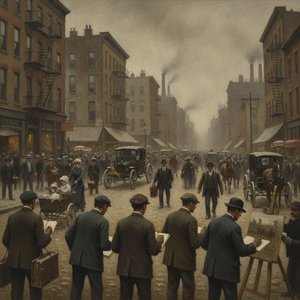
The Ashcan School: Capturing the Raw, Unfiltered Soul of Urban Life through American Realism
Discover the raw beauty of the Ashcan School. Explore how masters like Bellows and Henri captured the gritty, vibrant soul of early 20th-century New York through profound American Realism and evocative urban landscapes.
Tyrinėkite meno kūrinius, suskirstytus pagal temas, stilius ir savybes.


