


 Peržiūrėti realaus dydžio版
 Pasidalinti
 Dalintis
 Išsamiau
 Vadovas

 Atsisiųsti
 Panašūs eksponatai
 Rentgeno spindulių nuotrauka
 Automatinė diorama
 Q&A
Q&A Statistika
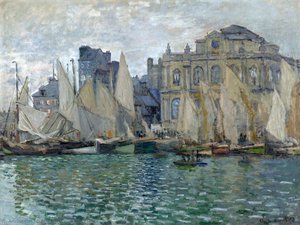
Chioggia
Explore the Post-Impressionist art of Konstantin Gorbatov (1876-1945). Russian émigré painter known for evocative cityscapes & haunting themes, exhibited in St. Petersburg & Capri.
 Skaityti daugiau
Gaukite spausdinimui paruoštą failą, kurio kokybė gerokai viršija internetinę peržiūrą. Kiekvienas mūsų parduodamas skaitmeninis vaizdas yra ištrauktas iš aukštos raiškos pagrindinio failo mūsų duomenų bazėje — paprastai jis siekia nuo 5 000 iki 15 000 pikselių plotio — todėl galite drąsiai spausdinti didelius formatus, apkirpti vaizdą ar reprodukcija užtikrins visas smulkias detales.
Mūsų studijoje nė viena kopija nelieka neapdorota. Skaitmeninio vaizdo ekspertas, lygiu su originaliu paveikslu, patikrina spalvas ir, jei reikia, jas koreguoja, o tada profesionaliais retušavimo įrankiais padidina aiškumą bei detales — visada išlaikydamas ištikimybę autoriaus teptuko traukoms ir stiliui. Rezultatas – vaizdas, kuris atrodo kaip tikras paveikslas, o ne kaip su filtrais apdorotas skenavimas.
Patvirtinate prieš užsakymo pabaigą: mūsų ekspertas per 72 valandas el. laišku atsiųsta vaizdą jūsų peržiūrai. Nepasitenkinate rezultatu? Paprašykite patobulinimų ar pataisymų arba prašykite pinigų grąžinimo, jei kokybė neatitinka jūsų lūkesčių.
Ši kokybė yra patikima leidybos įstaigoms, dizaino studijoms, galerijoms ir spaudos įmonėms.
Skaitmeninis vaizdas
Atsisiųskite didelės raiškos failą asmeniniam naudojimui, spausdinimui ir kūrybiniams projektams. ( Perjungti į spausdinamus版作品 Pirkti rankų darbo tapybą)
Kiekvieną skaitinio vaizdo užsakymą papildė
Profesionalus skaitmeninis vaizdų pristatymas, garantuotas
Pasirinkę TopImpressionists.com, jūs ne tik gaunate paveikslėlį – jūs gaunate profesionaliai patobudintą skaitmeninį kūrinį, sukurtą itin tikniai ir užtikrinantį pasitenkinimą. Štai viską, kas automatiškai pritékia jūsų užsakymui:

Greitas pristatymas el. paštu
Jūsų aukštos raiškos skaitmeninis vaizdo failas bus išsiųstas el. paštu per 72 valandas nuo užsakymo – jis bus paruoštas naudoti be jokių papildomų veiksmų.

Dirbtiniu intelektu tobulintas skaitmeninis failas
Jūsų meno kūrinys profesionaliai optimizuojamas naudojant pažangius dirbtinio intelekto įrankius ir rankinį redagavimą, užtikrinant maksimalią detalę, aiškumą ir spalvų tikslumą.

Nemokamas visam laikui pakartotinis siuntimas
Atsitiktinai ištrytikote ar praradote savo failą? Nebijokite – bet kuriuo metu atsiųsime jį jums vėl nemokamai.

Jokio importo mokesčio – niekada
Mėgaukitės savo meno kūrynu be jokių muitinės mokesčių, įkainų ar pristatymo išlaidų – skaitiniai failai visada yra neapmokestinami.

Spalvų tikslumo garantija
Naudodami profesionalią įrangą ir spalvų valdymo sistemas, užtikriname, kad jūsų skaitmeninis vaizdas kuo tiksliau atspindėtų originalias spalvas.

100 dienų patikimumo garantija
Jei nebuvosite patenkinti įsigyto skaitmeninio vaizdo, mes jį tališkai koreguosime arba grąžinsime 100% sumą per 100 dienų – be jokių klausimų.

100% pinigų grąžinimo garantija
Nesitenkinate? Gaukite visą sumokėtą sumą per 100 dienų nuo skaitmeninio failo gavimo – be jokių papildomų klausimų.

Nuolaidos dideliems užsakymams
Pirkti 3 nuotraukas – 10% nuolaida – Pirkti 5 – 15% nuolaida – Pirkti 10 ir daugiau – 20% nuolaida. Puikiai tinka kūrybiniams projektams, galerijoms bei agentūroms.


Autoriaus biografija
Konstantin Ivanovich Gorbatov: A Painter of Russian Soul
Konstantin Ivanovich Gorbatov (1876-1945) stands as a compelling figure within the landscape of Post-Impressionist art, particularly renowned for his evocative portrayals of Russia’s fading grandeur and the poignant beauty of its provincial towns. Born in Stavropol, a small town on the Volga River today known as Tolyatti, Gorbatov's artistic journey was shaped by a deep connection to the land and its people – a connection that profoundly influenced his distinctive style and enduring legacy. Initially drawn to civil engineering, he ultimately embraced painting, guided by the mentorship of Nikolay Dubovskoy at the Imperial Academy of Arts in St. Petersburg, a pivotal moment that unlocked his artistic potential.
Gorbatov’s early years were steeped in the visual richness of his native surroundings. The weathered facades of churches, the humble wooden houses lining the riverbanks, and the ever-present influence of nature – all served as constant sources of inspiration. This intimate familiarity with the everyday life of rural Russia is a defining characteristic of his work, imbuing it with a sense of nostalgia and quiet dignity. He wasn’t merely depicting scenes; he was capturing the very essence of Russian identity, a theme that resonated deeply with the broader Peredvizhniki movement, known for its commitment to portraying the lives of ordinary people.
The Influence of Rome and Capri
Following his training in St. Petersburg, Gorbatov’s artistic trajectory took an international turn when he received a scholarship to study art in Rome and on the idyllic island of Capri during the early 20th century. These experiences proved transformative, exposing him to the vibrant colors and innovative techniques of European Impressionism and Post-Impressionism. The light-drenched landscapes of Italy, with their dramatic skies and sun-kissed surfaces, profoundly impacted his palette and brushwork. He absorbed elements from artists like Monet and Renoir, adapting them to his own unique vision – a synthesis of Russian sensibility and Italian artistic influence.
Capri, in particular, became a sanctuary for the artist, providing a constant source of inspiration and a space for quiet contemplation. It was here that he developed many of his most celebrated works, characterized by their luminous quality and atmospheric depth. The island’s dramatic coastline, its vibrant flora, and its timeless beauty found their way onto his canvases, imbued with a sense of both serenity and melancholy.
A Russian Émigré and Berlin's Embrace
The tumultuous events of the 1917 Russian Revolution forced Gorbatov to abandon his homeland and seek refuge in Europe. He eventually settled in Berlin in 1926, where he continued to paint until his death in 1945. This period marked a significant shift in his artistic focus, as he increasingly explored themes of exile, loss, and the enduring spirit of Russia. The gray skies and urban landscapes of Berlin provided a stark contrast to the vibrant colors of Capri, yet he skillfully translated these new experiences into works that retained his distinctive style and emotional depth.
Despite facing considerable hardship as a Russian émigré during World War II, Gorbatov remained dedicated to his art. His paintings from this era are imbued with a poignant sense of resilience and quiet dignity – a testament to the enduring power of creativity in the face of adversity. His works were largely unseen by the German public during the war years, highlighting the challenges faced by artists outside of the Soviet Union.
Key Works and Lasting Significance
Gorbatov’s oeuvre is characterized by a remarkable range of subjects – from idyllic landscapes to intimate portraits, and evocative cityscapes. His paintings of provincial Russian towns are particularly noteworthy for their atmospheric depth and emotional resonance. Works like “View of an Old Town Kitezh” (1913) and "The Drowned City" (1933) capture the beauty and melancholy of a vanishing world, while his portraits often convey a sense of quiet dignity and introspection.
Today, Konstantin Gorbatov’s art is recognized as a significant contribution to both Russian and European Post-Impressionism. His paintings are exhibited in museums and private collections around the world, and continue to captivate viewers with their luminous quality, emotional depth, and enduring sense of beauty. He remains an artist who successfully blended traditional realism with modern artistic techniques, creating works that resonate deeply with audiences today.

Konstantin Ivanovich Gorbatov
1876 - 1945
Trumpa informacija
- Full Name: Konstantin Ivanovich Gorbatov
- Nationality: Russian
- Date Of Birth: 1876
- Date Of Death: 1945
- Place Of Birth: Stavropol, Russia
- Notable Artworks:
- The Drowned City
- View of an Old Town
- Artistic Movement Or Style: Post-Impressionism
- Artists Who Influenced This Artist:
- Dubovskoy
- Kuindzhi
- Artists Or Movements Influenced By This Artist:
- Peredvizhniki
- Impressionism