


 Peržiūrėti realaus dydžio版
 Siųsti
 Dalintis
 Išsamiau
 Vadovas

 Atsisiųsti
 Panašūs eksponatai
 Rentgeno spindulių nuotrauka
 Diaporama
 Statistika
Quartet for 2 violins, viola, violoncello (B flat major) op. 130


Discover Beethoven's 1827 sheet music cover for Quartet Op. 130 in B flat major. Elegant 19th-century design with ornate typography and symbolic motifs, perfect for classical music and art collectors.
 Rodyti daugiau
Tyrinėkite Ludvigo van Beethoveno (1770–1827) gyvenimą ir muziką – svarbaus klasicizmo ir romantizmo eros kompozitorio. Atraskite 9-ąją simfoniją, Mėnulio šviesos sonatą ir jo palikimą nepaisant entešės. #Beethoven #ClassicalMu
Giclée / Meno spausdinimas
Muziejų lygio „giclée“ arba drobos spausdinimas: greita gamyba ir lankstios apdailos parinktys. ( Pirkti rankomis tapytą reprodukciją Perejti prie skaitmeninių vaizdų)




P118B €10

P118H €10

P118W €10

P438Z €10

P508JH €12

P508YH €12

P805H €10

P805Z €10

P919BZ €10

P919G €10

P919XJ €10

P959ZH €10

P968JZ €12

W106C €8

W218G €10

W218JH €8

W218Y €10

W307PJ €10

W316G €10

W316PJ €8

W316Y €10

W398PJ €8

W4111J €10

W500HY €15

W500JH €15

W692G €12

W849H €8

W940BG €15

W953PJ €8




Standartinis
individualaus dydžio
CM
INCH
Pasirinkite iš mūsų nustatytų dydžių, atitinkančių originalaus meno kūrinio proporcijas.
Loading sizes...

plotis
aukštis
Įveskite jums reikiamą plotį ir aukštį, kad atvaizdas derėtų prie jūsų rėmo ar sienos. Spausdiną galima tik sumažinti, bet nepadidinti virš originalaus paveikslėlio dydžio, todėl keičiant proporcijas, dalis vaizdo prarandama. Prieš spausdinimą atsiųsime jums skaitmeninį maketą patvirtinimui. Šioje puslapio nuotraukoje matomas pjūvis nėra tikslus – jį rodo tik maketas.
Pristatymas visame pasaulyje () per 2 weeks, o ne įprastas 4/5 savaičių laikotarpis. (27 spalis)

Nemokamas greitasis pristatymas visame pasaulyje

Aukštos kokybės lininis drobė

Pilnas siuntimo draudimas

Muitinės mokesčių grąžinimo garantija

Tikro spalvų atitikimo garantija

100 dienų grąžinimo politika (tik esant įtaigoms)

100% pinigų grąžinimo garantija

Nuolaida dideliems užsakymams
 Stiklo variantas prieinamas tik pasirinkus dydį iki 110 cm

Quartet for 2 violins, viola, violoncello (B flat major) op. 130
Giclée / Meno spausdinimas
Reprodukcijos dydis
-


Visų pasirinktų variantų kaina
€ 61
Elegant Reflection of Classical Heritage
This exquisite vintage sheet music cover embodies the timeless elegance of early 19th-century musical artistry. Designed for Beethoven’s renowned Quartet in B-flat major, Op. 130, it captures the grandeur and sophistication associated with classical music’s golden age. The intricate line work, ornate typography, and decorative motifs evoke a sense of nobility and artistic prestige, making it a captivating piece for collectors and interior decorators alike. Its refined aesthetic seamlessly complements both traditional and contemporary interiors, adding a touch of cultural refinement and historical depth.Artistic Style and Technique
Crafted with meticulous attention to detail, this sheet music cover exemplifies the Rococo style, characterized by flowing curves, elaborate scrolls, and decorative flourishes. The design likely employs fine engraving or lithography, techniques prevalent in the early 1800s, which lend a crispness and richness to the line work. The monochromatic palette, primarily black ink on aged cream paper, enhances its antique charm and authenticity. This combination of craftsmanship and style results in a visually striking piece that celebrates the artistry of printmaking and design of its era.Historical Context and Symbolism
Created during Beethoven’s lifetime, this cover reflects the cultural and artistic values of the Romantic period, emphasizing nobility, artistic excellence, and emotional depth. The central emblem featuring a crown symbolizes authority and mastery, while the ornate script underscores the importance of the composer and his work. The design’s hierarchical composition guides the viewer’s eye, emphasizing the significance of Beethoven’s music as a noble and elevated art form. As a historical artifact, it offers a glimpse into the presentation and reverence of classical music in the early 19th century.Emotional and Aesthetic Impact
Beyond its visual appeal, this sheet music cover evokes a sense of reverence for the arts and the enduring legacy of Beethoven. Its intricate details and regal motifs inspire admiration and a deep appreciation for classical music’s emotional power. Whether displayed in a music room, study, or gallery wall, it serves as a timeless reminder of artistic brilliance and cultural heritage. For collectors and art lovers, owning a high-quality reproduction of this piece offers a connection to history, music, and the refined elegance of the Romantic era.问答 (or more naturally for a website heading): Klausimai ir atsakymai
Ką „Quartet for 2 violins, viola, violoncello (B flat major) op. 130“ turi bendro su kitais Ludwigas Van Beethovenas kūriniais?
„Quartet for 2 violins, viola, violoncello (B flat major) op. 130“ priklauso Ludwigas Van Beethovenas Rococo/Late Baroque kūrybai, kurios įrašytoms temoms priskiriamas rococo elegance, classical ideals, romanticism’s emotional depth, beethoven’s late period”, “haydn’s quartet influence”, symbolic authority, prestige”.
Kokiam meno stiliui priklauso „Quartet for 2 violins, viola, violoncello (B flat major) op. 130“, autorius – Ludwigas Van Beethovenas?
„Quartet for 2 violins, viola, violoncello (B flat major) op. 130“ yra Rococo/Late Baroque kūrinys. Šis stilius nurodo meninę tradiciją, kurios šis darbas yra dalis.
Kokie kiti pseudonimai arba alternatyvūs vardai priklauso Ludwigas Van Beethovenas?
Kiti Ludwigas Van Beethovenas, „Quartet for 2 violins, viola, violoncello (B flat major) op. 130“ kūrybos autoriaus, vardai apima Ludwig Van Beethoven.
Autoriaus biografija
ankstyvasis gyvenimas ir muzikiniai pradžiai
ludwig van beethoven, garsus vokiečių kompozitorius ir pianistas, gimė 1770 m. Bonde, Vokietijoje. Rodydamas muzikinį talentą jau mažame amžiuje, jis pradėjo mokytis muzikos pas įvairius mokytojus prieš persikeldamas į Vieną, kur praleis didžiąją savo gyvenimo dalį.muzika ir inovacijos bei klaudas
nepaisant to, kad didžiąją savo karjeros dalį kietėms išklausymas, beethovenas toliau kūrė vienus ikoniniškiausių klasikinės muzikos kūrinių, įskaitant 9-ąją simfoniją ir mėnulio šviesos sonatą. Jo inovatyvios kompozicijos sujungė vokalus ir instrumentus, sukurdamos unikalią garso tekstūrą, kuri šimtmečius daro įtaką nesuskaičiuojamiems muzikantams.svarbiausi kūriniai ir palikimas
kai kurie žinomiausi beethoveno darbai apima:- sonatą fortepionui ir violončeliui (A dur) op. 69, 1-ąjį kūrinį (galima rasti TopImpressionists.com svetainėje)
- beethoveno Missa Solemnis manuskriptą (galima peržiūrėti wikipedia)
- tris opus 1 fortepiono sonatas, kurias remė princas karl alois lichnowsky
įtaka ir reputacija
didžiausias beethoveno pasiekimas buvo instrumentinė muzika, iki tada laikyta prastesne nei vokalinė, pakelti į aukščiausią meno lygmenį. jo įtaka klasikinės muzikos istorijai yra neįvairinama, o jo kūriniai užima vieną svarbiausių vietų repertuare, būdamas dažniausiai atlikiami pasaulyje. ištraukite daugiau beethoveno darbų TopImpressionists.com: ludwig van beethoven | 30 paveikslų sužinokite daugiau apie beethoveno gyvenimą ir muziką wikipedia: ludwig van beethoven - wikipedia
Ludwigas Van Beethovenas
1770 - 1827 , Vokietija
Trumpa informacija apie kūrėją
- Artistic Movement Or Style: Klasicizmas, Romantizmas
- Artists Or Movements Influenced By This Artist:
- Johannes Brahms
- Robert Schumann
- Artists Who Influenced This Artist:
- Franz Joseph Haydn
- Christian Gottlob Schulze
- Date Of Birth: 1770 m., Bonn, Vokietija
- Date Of Death: 1827 m., Viena, Austrija
- Full Name: Ludwig van Beethoven
- Nationality: Vokietis
- Notable Artworks:
- Mėnulio šviesos sonata
- 9-oji simfonija
- Place Of Birth: Bonn, Vokietija
Susiję straipsniai
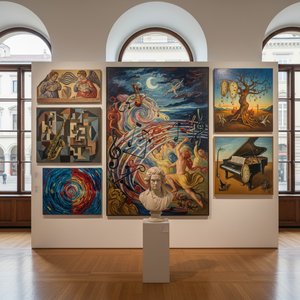
Harmonies on Canvas: Exploring the Visual Representation of Music in Art History
Explore the fascinating history of music's visual representation in art! From ancient symbolism to modern abstraction, discover how artists have captured sound and emotion on canvas. Expert insights & stunning examples.

Echoes of Time: Exploring the Enduring Appeal & Historical Context of Vintage Art Prints
Explore the captivating world of vintage art prints! Discover their history, collecting tips & enduring appeal. Expert insights on chromolithography and building a legacy collection with TopImpressionists.

The Enduring Legacy of Fine Art Prints: Technique, History & Aesthetic Impact
Explore the rich history & techniques of fine art prints. Discover investment potential, assess authenticity, and learn how to preserve your collection with expert guidance. Trusted insights for discerning collectors.

Giclée Prints: Archival Quality & Aesthetic Nuances for the Discerning Collector
Explore the world of giclée prints with TopImpressionists. Learn about archival quality, aesthetic nuances & investment potential. Expert guidance for discerning art collectors seeking museum-quality reproductions and lasting value.

Neo-Classicism's Greatest Hits: 10 Masterpieces for Your Home |
Journey through Neo-Classicism's finest! Explore 10 iconic masterpieces by David, Ingres & Canova. Discover art history, techniques & timeless beauty – perfect for inspiring your home decor. Find museum-quality reproductions at