


 Peržiūrėti realaus dydžio版
 Siųsti
 Dalintis
 Išsamiau
 Vadovas

 Atsisiųsti
 Panašūs eksponatai
 Rentgeno spindulių nuotrauka
 Diaporama
 Statistika
Carnival in Arcueil


Lyonel Feininger's "Carnival in Arcueil" (1911) bursts with Expressionist energy! Witness vibrant colors, dynamic figures, and a captivating Parisian carnival scene – a masterpiece by a pioneering artist.
 Rodyti daugiau
Atraskite Lyonel Feininger (1871-1956), vokiečių-amerikiečių ekspresionisto tapytoją ir Bauhaus mokyklos meistrą. Tyrinėkite unikalų jo stilių, apjungiantį kubizmą, vitražių estetiką ir architektūros temas.
Giclée / Meno spausdinimas
Muziejų lygio „giclée“ arba drobos spausdinimas: greita gamyba ir lankstios apdailos parinktys. ( Pirkti rankomis tapytą reprodukciją Perejti prie skaitmeninių vaizdų)




P118B €10

P118H €10

P118W €10

P438Z €10

P508JH €12

P508YH €12

P805H €10

P805Z €10

P919BZ €10

P919G €10

P919XJ €10

P959ZH €10

P968JZ €12

W106C €8

W218G €10

W218JH €8

W218Y €10

W307PJ €10

W316G €10

W316PJ €8

W316Y €10

W398PJ €8

W4111J €10

W500HY €15

W500JH €15

W692G €12

W849H €8

W940BG €15

W953PJ €8




Standartinis
individualaus dydžio
CM
INCH
Pasirinkite iš mūsų nustatytų dydžių, atitinkančių originalaus meno kūrinio proporcijas.
Loading sizes...

plotis
aukštis
Įveskite jums reikiamą plotį ir aukštį, kad atvaizdas derėtų prie jūsų rėmo ar sienos. Spausdiną galima tik sumažinti, bet nepadidinti virš originalaus paveikslėlio dydžio, todėl keičiant proporcijas, dalis vaizdo prarandama. Prieš spausdinimą atsiųsime jums skaitmeninį maketą patvirtinimui. Šioje puslapio nuotraukoje matomas pjūvis nėra tikslus – jį rodo tik maketas.
Pristatymas visame pasaulyje () per 2 weeks, o ne įprastas 4/5 savaičių laikotarpis. (20 spalis)

Nemokamas greitasis pristatymas visame pasaulyje

Aukštos kokybės lininis drobė

Pilnas siuntimo draudimas

Muitinės mokesčių grąžinimo garantija

Tikro spalvų atitikimo garantija

100 dienų grąžinimo politika (tik esant įtaigoms)

100% pinigų grąžinimo garantija

Nuolaida dideliems užsakymams
 Stiklo variantas prieinamas tik pasirinkus dydį iki 110 cm

Carnival in Arcueil
Giclée / Meno spausdinimas
Reprodukcijos dydis
-


Visų pasirinktų variantų kaina
€ 60
A Burst of Joy: Lyonel Feininger’s “Carnival in Arcueil”
Lyonel Feininger's "Carnival in Arcueil," painted in 1911, isn’t merely a depiction of a festive street scene; it’s a vibrant distillation of Expressionist energy and a testament to the artist’s unique ability to imbue everyday life with an extraordinary sense of movement and emotion. Housed within the Art Institute of Chicago, this oil on canvas transports us to the heart of a Parisian carnival, capturing not just the visual spectacle but also the palpable excitement and slightly surreal atmosphere that defines the moment. Feininger, a German-American painter deeply rooted in both European artistic traditions and American popular culture, masterfully blends elements of Cubism with the passionate intensity of Expressionism, creating an image that is both familiar and strikingly original.
The painting immediately draws the eye to its central figure: a man in black, balancing precariously on one leg while juggling three balls. This dynamic pose isn’t simply illustrative; it embodies the spirit of the carnival itself – a celebration of skill, daring, and joyful abandon. Surrounding him is a throng of figures, rendered with a remarkable degree of detail despite the overall impression of movement. They are not portraits in the traditional sense, but rather archetypes of carnival revelers—a mix of faces, costumes, and gestures that collectively contribute to the painting’s lively energy. The artist's use of color is particularly noteworthy; bold yellows, reds, blues, and greens dominate the palette, creating a dazzling visual effect that mirrors the vibrancy of the event itself.
The Architectural Backdrop: Bridges and Parisian Identity
Beyond the figures, it’s crucial to consider the setting – two prominent bridges that frame the scene. These aren't merely architectural elements; they are integral to the painting’s narrative. Arcueil, a town just south of Paris, was a frequent subject for Feininger, and these bridges became recurring motifs in his work. They represent not only the physical connection between different parts of the city but also a sense of Parisian identity—a blend of urban dynamism and historical heritage. The bridges’ solid forms provide a grounding element to the swirling chaos of the carnival, anchoring the scene within a recognizable, yet subtly stylized, reality.
Feininger's fascination with architecture is evident throughout his oeuvre, reflecting a broader interest in geometric form and spatial relationships. He often depicted buildings not as static objects but as dynamic forces shaping the urban landscape. In “Carnival in Arcueil,” the bridges serve as both structural supports and visual anchors, guiding the viewer’s eye through the composition and contributing to the painting's overall sense of depth and movement.
Expressionist Techniques: Color, Form, and Emotion
The painting’s distinctive style is firmly rooted in Expressionism—a movement that sought to convey subjective emotions rather than objective reality. Feininger achieves this through a number of key techniques. His use of flattened perspective and fragmented forms creates a sense of disorientation and immediacy, as if the viewer is swept up in the carnival's frenetic energy. The colors are applied with thick impasto—a technique that adds texture and physicality to the surface of the canvas—further enhancing the painting’s emotional impact.
Furthermore, Feininger employs a masterful use of color theory. He utilizes contrasting hues to heighten visual interest and create a sense of dynamism. The vibrant yellows and reds of the carnival scene are juxtaposed with cooler blues and greens in the background, generating a powerful visual tension. This interplay of colors not only captures the sensory experience of the carnival but also reflects the artist’s own emotional response to it—a mixture of excitement, wonder, and perhaps even a touch of melancholy.
A Legacy of Modernity: Feininger's Place in Art History
“Carnival in Arcueil” stands as a pivotal work in Lyonel Feininger’s career and a significant example of early 20th-century art. His exploration of urban life, combined with his innovative use of color and form, foreshadowed many of the developments that would characterize modernism. The painting's influence can be seen in the works of later Expressionist artists such as Max Beckmann and Emil Nolde, while its stylistic elements also resonate with the Cubist explorations of Picasso and Braque.
Today, “Carnival in Arcueil” continues to captivate viewers with its vibrant energy and emotional depth. It’s a reminder of the power of art to capture not just what we see but also what we feel—a celebration of joy, movement, and the enduring spirit of human connection.
问答 (or more naturally for a website heading): Klausimai ir atsakymai
Kokio dydžio „Carnival in Arcueil“ siūloma Living Room?
Living Room eria rekomenduojamas „Carnival in Arcueil“, autorius – Lyonelis Feiningeris spausdinimo dydis yra Medium.
Ar „Carnival in Arcueil“ yra būdingas tam, ką Lyonelis Feiningeris paprastai kūrė?
„Carnival in Arcueil“ vaizduoja carnival, arcueil, feininger, expressionism, bridge, figures, joy, celebration, o įrašytos Lyonelis Feiningeris temos yra german expressionism, vibrant colors, post-impressionist, architectural focus, urban life, festive scenes, feininger's exploration of joy, bridging art and caricature. Šių dviejų palikimų lyginimas parodo, kaip šis kūrinys susijęs su įprastais šio kūrybinio veiksmo objektais.
Kokią temą ir atmosferą sujungia „Carnival in Arcueil“, autorius – Lyonelis Feiningeris?
„Carnival in Arcueil“, autorius – Lyonelis Feiningeris vaizdelioje atspindžiami carnival, arcueil, feininger, expressionism, bridge, figures, joy, celebration, sukurti Dramatic nuotaika. Tematika ir atmosfera kartu apibūdina šį kūrinį.
Autoriaus biografija
Ankstyvas gyvenimas ir karjera: nuo karikatūristo iki dailininko
Lyonel Charles Adrian Feininger gimė 1871 metų liepos 17 dieną Niujorke, meno šeimoje. Jo tėvas, Karlas Feiningeris, buvo vokiečių-amerikiečių smuolininkas ir kompozitorius, o motina, Elizabeth Feininger – amerikietė dainininkė. Ši artistiška aplinka turėjo didelės įtakos jo ankstyvam vystymuisi. Nors jaunystėje apmąstė muzikanto kelią, netrukus susidomėjo menu ir 1887 metais, būdamas šešiolikos metų, išvyko į Europą studijuoti muzikos. Tačiau greitai jis pakeitė savo prioritetus ir pasirinko piešimo meną, mokydamasis Hamburge bei Berlyne. Nuo 1894 metų Feiningeris sėkmingai pradėjo karjerą kaip karikatūristas įvairiuose vokiečių, prancūzų ir amerikiečių žurnaluose. Jo komiksai, tokie kaip “The Kin-der-Kids” ir “Wee Willie Winkie’s World”, sulaukė didelio populiarumo ir parodė jo unikalų grafinį stilių. Po dvidešimties metų darbo komerciniame mene, 36 metų amžiaus Feiningeris ryžtingai perėjo prie grynojo meno kūrimo – tai buvo reikšmingas posūkis jo artistinėje kelionėje.
Ekspresionizmas ir Bauhauzo įtaka
Feiningeris greitai tapo vienu iš Ekspresionizmo lyderių, prisijungdamas prie įtakingų grupių, tokių kaip Die Brücke, Novembergruppe ir Gruppe 1919. Jo darbai šiuo laikotarpiu atspindėjo judėjimo pabrėžimą emocinei raiškai ir subjektyviai patirčiai. Pirmoji personalinė paroda Berlyno Sturm galerijoje (1917 m.) buvo lūžio momentas, įtvirtinęs jį kaip svarbią figūrą meno pasaulyje. 1919 metais Valteris Gropius paskyrė Feiningerį pirmuoju Bauhauzo mokyklos dėdytoju – tai buvo novatoriška meno ir dizaino mokykla. Jis ėjo spaudinių dirbtuvės vadovo pareigas, turėdamas didelę įtaką daugybei studentų. Jo kūrybai būdingi prizminiai skaidyti pavidalai, peršviečiamos spalvos ir architektūros bei jūros motyvai, artinantys jį prie klasikinio modernizmo.
Pagrindiniai darbai ir artistinė raida
Vasaros atostogų metu Usedom saloje (1909–1918 m.) Feiningeris sukūrė daugybę jūros peizažų, vaizduojančių Baltijos jūrą, demonstruodamas besiformuojantį jo stilių. Kai kurie svarbiausi jo darbai apima “Werder I” (akvarelė), “Gaberndorf II” (popierius) ir “Boats” (aliejus ant drobės). Šie kūriniai yra puikus jo unikalios Ekspresionistinės technikos ir architektūrinių temų derinys. 1928–1950 metais Feiningeris sukūrė didelį fotografijų rinkinį, parodydamas savo universalumą kaip menininkas. Taip pat jis sukūrė keletą fortepijono pjesių ir fugų vargonams, atskleidžiantis kitą jo artistinio talento pusę.
Vėlesni metai ir palikimas
Dėl nacistinės partijos pakilimo 1933 metais Feiningeris su žmona emigravo į Jungtines Valstijas. Ten jis tęsė tapybą ir meno kūrimą visą gyvenimą, išlaikydamas savitą stilių. Lyonel Feininger mirė 1956 metų sausio 13 dieną. Jo darbai paliko neišdildomą pėdsaką meno pasaulyje, įkvėpdami menininkus ir entuziastus unikaliu Ekspresionizmo, grafinių eksperimentų ir architektūrinių temų deriniu. Kaip svarbi figūra tiek Ekspresionizme, tiek Bauhauzo judėjime, Feiningerio indėlis reikšmingai formavo šiuolaikinio meno eigą. Jo novatoriškas spalvų, formų ir perspektyvos panaudojimas tebežavi publiką šiandien.

Lyonelis Feiningeris
1871 - 1956 , JAV
Trumpa informacija apie kūrėją
- Artistic Movement Or Style: Ekspresionizmas, Kubizmas
- Artists Or Movements Influenced By This Artist: ['Bauhaus judėjimas']
- Date Of Birth: 1971 m. liepos 17 d.
- Date Of Death: 1956 m. sausio 13 d.
- Full Name: Lyonel Charles Adrian Feininger
- Nationality: Vokiečių-amerikietis
- Notable Artworks:
- Werder I (akvarelė)
- Gaberndorf II (popierius)
- Boats (aliejus)
- Place Of Birth: Niujorkas, JAV
Susiję straipsniai
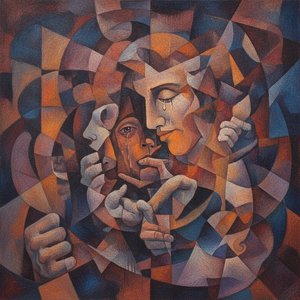
Beyond the Surface: Exploring the Emotional Depth of Cubist Expressionism
Discover the profound emotional resonance within Cubist Expressionism. Explore how fragmented forms and geometric abstraction convey deep human feeling through an expert art-historical lens for the discerning collector.