

 Peržiūrėti realaus dydžio版
 Pasidalinti
 Dalintis
 Išsamiau
 Vadovas

 Atsisiųsti
 Panašūs eksponatai
 Rentgeno spindulių nuotrauka
 Automatinė diorama
 问答
问答 Statistika
Bust of a young Boy

- 59.0 x 48.0 cm


Mario Sironi’s ‘Bust of a Young Boy’ (1925) – A poignant Expressionist portrait in earthy tones & textured brushstrokes. Explore this evocative Italian masterpiece.
 Skaityti daugiau
Mario Sironi (1885-1961): žymus italų modernistas, kurio paveiksluose dominuoja masyvios formos ir geometrinės figūros. Tyrinėkite jo futuristines tendencijas, Novecento Italiano stilių bei vienatvės, pramonės ir itališkos tapatybės temas.
Šiame puslapyje rodomas meno kūrinys yra saugomas autorių teisių įstatymais, todėl neturime teisės legaliai kurti ar parduoti jo identiškos reprodukcijos. Ši apsauga užtikrinama remiantis tokiais tarptautiniais susitarimais kaip Bernės konvencija ir pagal nacionalines įstatymų nuostatas, įskaitant tas, kurias nurodo JAV autoriškos teisės įstatymas – 17-asis skyrius.
Šis metodas visiškai atitinka autorių teises, nes jame nėra saugomo kūrinio kopijavimo ar dubliavimo. Tai yra kūrybinė reinterpretacija – naujas paveikslas, kurį įkvėpė originalas, tačiau kuris nėra jo identiškas.
Giclée / Meno spausdinimas
Muziejų lygio „giclée“ arba drobos spausdinimas: greita gamyba ir lankstios apdailos parinktys. ( Pirkti rankų darbo tapybą Perejti prie skaitmeninių vaizdų)




P118B €10

P118H €10

P118W €10

P438Z €10

P508JH €12

P508YH €12

P805H €10

P805Z €10

P919BZ €10

P919G €10

P919XJ €10

P959ZH €10

P968JZ €12

W106C €8

W218G €10

W218JH €8

W218Y €10

W307PJ €10

W316G €10

W316PJ €8

W316Y €10

W398PJ €8

W4111J €10

W500HY €15

W500JH €15

W692G €12

W849H €8

W940BG €15

W953PJ €8




Standartinis dydis
pagal užsakymą
CM
INCH
Pasirinkite iš mūsų nustatytų dydžių, atitinkančių originalaus meno kūrinio proporcijas.
Loading sizes...

plotis
aukštis
Įveskite jums reikiamą plotį ir aukštį, kad atvaizdas derėtų prie jūsų rėmo ar sienos. Spausdiną galima tik sumažinti, bet nepadidinti virš originalaus paveikslėlio dydžio, todėl keičiant proporcijas, dalis vaizdo prarandama. Prieš spausdinimą atsiųsime jums skaitmeninį maketą patvirtinimui. Šioje puslapio nuotraukoje matomas pjūvis nėra tikslus – jį rodo tik maketas.
Pristatymas visame pasaulyje () per 2 weeks, o ne įprastas 4/5 savaičių laikotarpis. (4 lapkritis)

Nemokamas greitasis pristatymas visame pasaulyje

Aukštos kokybės lininis drobė

Pilnas siuntimo draudimas

Muitinės mokesčių grąžinimo garantija

Tikro spalvų atitikimo garantija

100 dienų grąžinimo politika (tik esant įtaigoms)

100% pinigų grąžinimo garantija

Nuolaida dideliems užsakymams
 Stiklo variantas prieinamas tik pasirinkus dydį iki 110 cm

Bust of a young Boy
Giclée / Meno spausdinimas
Reprodukcijos matmenys
-


Bendroji kaina
€ 62
A Portrait of Quietude: Mario Sironi's "Bust of a Young Boy" (1925)
Mario Sironi’s “Bust of a Young Boy,” painted in 1925, is more than just a portrait; it’s a profound meditation on solitude and the weight of unspoken emotion. This striking work, measuring 59 x 48 cm, immediately draws the viewer into its melancholic atmosphere through a masterful deployment of color and texture that speaks directly to the tenets of Post-Impressionism and foreshadows the burgeoning Expressionist movement. The painting’s power resides in its ability to evoke a sense of quiet introspection, inviting contemplation on themes of vulnerability and perhaps even a subtle sadness.
Technique and Style: A Gestural Embrace
- Oil Paint & Palette Knife: Sironi’s technique is characterized by bold, gestural brushstrokes – or, more accurately, the application of paint with a palette knife. This creates a remarkably textured surface, denying any illusion of smooth perfection and emphasizing the artist's deliberate engagement with the medium.
- Reduced Forms & Flattened Perspective: The figure’s features are simplified and abstracted, prioritizing volume and form through color and texture over meticulous realism. The flattened perspective further contributes to this dreamlike quality, eliminating traditional depth cues and intensifying the emotional impact.
- Warm Earth Tones: Dominated by warm, earthy tones – ochres, browns, and muted reds – the palette reinforces the painting’s somber mood, creating a sense of intimacy and drawing the viewer into the subject's private world.
Historical Context & Influences: From Divisionism to Emotional Intensity
Sironi’s artistic journey reflects the shifting landscape of Italian art in the early 20th century. Initially influenced by Divisionism, a technique that sought to capture light through separated colors – evident in works like “The Student” – he briefly flirted with Futurism around 1914 before rejecting its emphasis on dynamism and embracing a more introspective approach. The painting’s creation occurred after World War I, a period of profound disillusionment and societal upheaval that undoubtedly shaped Sironi's artistic vision. This post-war sensibility is palpable in the work’s emotional intensity – a deliberate departure from objective observation towards conveying subjective experience.
Symbolism & Emotional Resonance: A Portrait of Vulnerability
The subject’s downcast gaze and downturned mouth immediately communicate a sense of melancholy, inviting viewers to consider the weight of unspoken thoughts. The muted colors and expressionless face could be interpreted as representing vulnerability or quiet contemplation – a poignant symbol of human fragility in the face of life's uncertainties. Sironi skillfully avoids overt narrative, allowing the viewer to project their own emotions and interpretations onto the image, thereby amplifying its emotional resonance.
A Statement Piece for Your Collection
This hand-painted reproduction captures the essence of Sironi’s masterpiece, offering a timeless work of art that will undoubtedly become a focal point in any interior space. Its evocative style and profound symbolism make it an ideal addition to discerning collections and a source of inspiration for those seeking to infuse their surroundings with quiet contemplation and emotional depth.
Klausimai ir atsakymai
Ar galiu naudoti papildytojąjį realybės technologiją, kad pamatytumėte „Bust of a young Boy“ – Mario Sironi savo kambaryje?
„Bust of a young Boy“ – Mario Sironi puslapio Peržiūra papildintajai realybei funkcija naudoja papildytojąjį realybės technologiją, kad suderinamame įrenginyje parodytų kūrinį jūsų erdvėje.
Kokia technika ir stilius charakterizuoja „Bust of a young Boy“ – Mario Sironi?
„Bust of a young Boy“ sukurta naudojant Oil On Canvas, Expressionism stiliuje.
Kokia „Bust of a young Boy“ – Mario Sironi orientacija?
„Bust of a young Boy“ – Mario Sironi yra Portrait kompozicija. Prieš renkantis spausdinimo dydį, verta patikrinti proporcijas.
Autoriaus biografija
Mario Sironi: Gyvenimo ir kūrybos kelias
Gimęs 1885 metų gegužės 12 dieną Sasaryje, Sardinijoje, Italijoje, Mario Sironi tapo viena svarbiausių figūrų italų modernizmo istorijoje. Jo tėvas buvo inžinierius, tačiau didžiausią įtaką ankstyvajai kūrybai padarė motinos senelis Ignazio Villa – gerbiamas architektas ir skulptorius, suteikęs pirmąją meninę patirtį. Pradėjęs studijuoti inžineriją Romos universitete, 1903 metais jis nutraukė mokslus dėl nervinio išsekimo, tapdamas lemiamu momentu jo gyvenime ir atverdamas kelią meno pasauliui. Netrukus Sironi pradėjo formalų meninį ugdymą Scuola Libera del Nudo akademijoje Romoje, kur susipažino su Giacomo Balla – pirmuoju reikšmingu mokytoju, padėjusiu jam įsisavinti pagrindus.Meninis brendimas ir įtakos
Ankstyvieji Sironi darbai buvo smarkiai paveikti Divisionizmo technikos, akcentuojančios atskirtas spalvas siekiant šviesumo – tai puikiai iliustruoja tokie kūriniai kaip “Studentas”. Trumpai eksperimentavęs su Futurizmu apie 1914 metus ir dalyvavęs parodose Romo galerijoje Sprovieri, jis greitai atsisakė šio judėjimo susitelkimo į greitį ir dinamiką. Po Pirmojo pasaulinio karo įvyko esminis posūkis jo kūryboje, vystant stilistiką, pasižyminčią masyviais, nejudriais objektais ir geometrinėmis formomis. Šiam pokyčiui didelę įtaką padarė karinės patirties sukeltos emocijos ir augantis izoliacijos jausmas. Pagrindinėmis įtakomis tapo Giacomo Balla (ankstyvasis mokymas), Giorgio de Chirico ir Carlo Carrà (metafizinio meno poveikis formoms) bei neoklasicizmo ir primityvistinio klasicizmo elementai. Sironi nuolat ieškojo naujų būdų išreikšti savo viziją, įsisavinant skirtingus stilius ir adaptuojant juos savo unikaliam braižui.Novecento Italiano judėjimas ir brandžioji stilistika
1922 metais Sironi tapo vienu iš Novecento Italiano judėjimo įkūrėjų – grįžimo prie tvarkos pokario Europoje, pabrėžiant aiškumą ir tradicijas. Jo brandžioji stilistika pasižymi:- Geometrines formas ir supaprastintas figūras.
- Tyčia negracingą estetiką vėlesniuose darbuose.
- Vienatvės, atskirties ir žmogaus būties temas.
- Pramoninių kraštovaizdžių ir darbininkų gyvenimo tyrinėjimą.
Politinės pažiūros ir vėlesnis gyvenimas
Sironi buvo Benito Mussolini šalininkas ir aktyviai prisidėjo prie fašistinių publikacijų, sukūręs daugiau nei 1700 karikatūrų. Jis tikėjo meno ir architektūros integracija, siekdamas kurti monumentalius darbus viešiems erdviams – atspindėdamas fašizmo ideologiją. Po Antrojo pasaulinio karo jo ryšiai su fašizmu lėmė populiarumo ir kritikos prislopimą. Vėlesniais metais jis didžiąją dalį laiko praleido izoliacijoje, tęsdamas tapybos veiklą. Died 1961 metų rugpjūčio 13 dieną Milane. Nepaisant kontroversijų dėl politinių įsitikinimų, Sironi palikęs reikšmingą pėdsaką italų modernizmo istorijoje, jo darbai eksponuojami tarptautinėse parodose, įskaitant Centre Georges Pompidou (1981) ir Royal Academy Londone (1989). Jo kūrybinis palikimas atspindi unikalų stilistinį sintezę ir galingą žmogaus būties vaizdavimą greitai besikeičiančiame pasaulyje.
Mario Sironi
1885 - 1961 , Italija
Trumpa informacija
- Gimimo Data: 1885-05-12
- Gimimo Vieta (Miestas, Šalis): Sassari, Italija
- Meninis Judėjimas/Stilius: Modernizmas, Novecento Italiano
- Mirties Data: 1961-08-13
- Pilietybė: Italas
- Pilnas Vardas: Mario Sironi
- Įtakoję Menininkai:
- Giacomo Balla
- Giorgio de Chirico
- Carlo Carrà
- Žymūs Kūriniai:
- La Lampada (1919)
- Venere (1921-1923)
- Solitudine (1925)
Susiję straipsniai
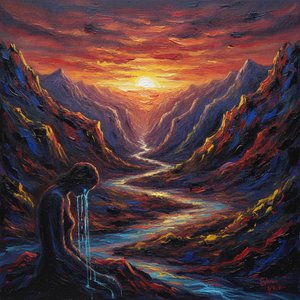
Capturing Emotion: A Journey Through the Soul of Expressionist Landscapes
Explore the profound emotional depth of Expressionist landscapes. Discover how Post-Impressionist masters moved beyond light to capture the soul through vibrant color and form. A curated journey for true art lovers seeking the beauty of expressive mastery.

Beyond the Light: Discovering the Soul and Emotional Depth of Post-Impressionism
Embark on a cultural journey through Post-Impressionism. Discover the profound emotional depth of masters like Van Gogh and Cézanne, exploring how they moved beyond light to capture the very soul of human experience through vibrant color and symbolic form.
Tyrinėkite meno kūrinius, suskirstytus pagal temas, stilius ir savybes.
