

 Peržiūrėti realaus dydžio版
 Pasidalinti
 Dalintis
 Išsamiau
 Vadovas

 Atsisiųsti
 Panašūs eksponatai
 Rentgeno spindulių nuotrauka
 Automatinė diorama
 问答
问答 Statistika
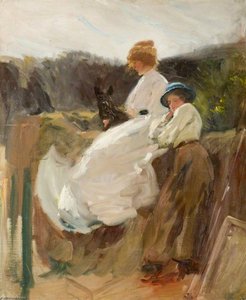
Joy

- 109.0 x 83.0 cm


Discover 'Joy' by Mary Ethel Hunter (1901). This captivating oil painting showcases rural life & timeless beauty in a stylized realism. A unique art investment!
Explore the serene paintings of Mary Ethel Hunter (1878-1936), capturing floral still lifes & portraits, reflecting Victorian sensibilities & biblical themes.
 Skaityti daugiau
Gaukite spausdinimui paruoštą failą, kurio kokybė gerokai viršija internetinę peržiūrą. Kiekvienas mūsų parduodamas skaitmeninis vaizdas yra ištrauktas iš aukštos raiškos pagrindinio failo mūsų duomenų bazėje — paprastai jis siekia nuo 5 000 iki 15 000 pikselių plotio — todėl galite drąsiai spausdinti didelius formatus, apkirpti vaizdą ar reprodukcija užtikrins visas smulkias detales.
Mūsų studijoje nė viena kopija nelieka neapdorota. Skaitmeninio vaizdo ekspertas, lygiu su originaliu paveikslu, patikrina spalvas ir, jei reikia, jas koreguoja, o tada profesionaliais retušavimo įrankiais padidina aiškumą bei detales — visada išlaikydamas ištikimybę autoriaus teptuko traukoms ir stiliui. Rezultatas – vaizdas, kuris atrodo kaip tikras paveikslas, o ne kaip su filtrais apdorotas skenavimas.
Patvirtinate prieš užsakymo pabaigą: mūsų ekspertas per 72 valandas el. laišku atsiųsta vaizdą jūsų peržiūrai. Nepasitenkinate rezultatu? Paprašykite patobulinimų ar pataisymų arba prašykite pinigų grąžinimo, jei kokybė neatitinka jūsų lūkesčių.
Ši kokybė yra patikima leidybos įstaigoms, dizaino studijoms, galerijoms ir spaudos įmonėms.
Skaitmeninis vaizdas
Atsisiųskite didelės raiškos failą asmeniniam naudojimui, spausdinimui ir kūrybiniams projektams. ( Perjungti į spausdinamus版作品 Pirkti rankų darbo tapybą)
Kiekvieną skaitinio vaizdo užsakymą papildė
Profesionalus skaitmeninis vaizdų pristatymas, garantuotas
Pasirinkę TopImpressionists.com, jūs ne tik gaunate paveikslėlį – jūs gaunate profesionaliai patobudintą skaitmeninį kūrinį, sukurtą itin tikniai ir užtikrinantį pasitenkinimą. Štai viską, kas automatiškai pritékia jūsų užsakymui:

Greitas pristatymas el. paštu
Jūsų aukštos raiškos skaitmeninis vaizdo failas bus išsiųstas el. paštu per 72 valandas nuo užsakymo – jis bus paruoštas naudoti be jokių papildomų veiksmų.

Dirbtiniu intelektu tobulintas skaitmeninis failas
Jūsų meno kūrinys profesionaliai optimizuojamas naudojant pažangius dirbtinio intelekto įrankius ir rankinį redagavimą, užtikrinant maksimalią detalę, aiškumą ir spalvų tikslumą.

Nemokamas visam laikui pakartotinis siuntimas
Atsitiktinai ištrytikote ar praradote savo failą? Nebijokite – bet kuriuo metu atsiųsime jį jums vėl nemokamai.

Jokio importo mokesčio – niekada
Mėgaukitės savo meno kūrynu be jokių muitinės mokesčių, įkainų ar pristatymo išlaidų – skaitiniai failai visada yra neapmokestinami.

Spalvų tikslumo garantija
Naudodami profesionalią įrangą ir spalvų valdymo sistemas, užtikriname, kad jūsų skaitmeninis vaizdas kuo tiksliau atspindėtų originalias spalvas.

100 dienų patikimumo garantija
Jei nebuvosite patenkinti įsigyto skaitmeninio vaizdo, mes jį tališkai koreguosime arba grąžinsime 100% sumą per 100 dienų – be jokių klausimų.

100% pinigų grąžinimo garantija
Nesitenkinate? Gaukite visą sumokėtą sumą per 100 dienų nuo skaitmeninio failo gavimo – be jokių papildomų klausimų.

Nuolaidos dideliems užsakymams
Pirkti 3 nuotraukas – 10% nuolaida – Pirkti 5 – 15% nuolaida – Pirkti 10 ir daugiau – 20% nuolaida. Puikiai tinka kūrybiniams projektams, galerijoms bei agentūroms.
panašūs kūriniai




Autoriaus biografija
Mary Ethel Hunter: A Victorian Soul in Bloom
The canvases of Mary Ethel Hunter (1878-1936) offer a serene glimpse into the heart of late 19th and early 20th century England – a world steeped in Victorian sensibilities, religious devotion, and a burgeoning appreciation for the beauty of the natural world. More than just a painter, Hunter was a meticulous observer, translating her experiences and deeply held beliefs onto canvas with a quiet grace and remarkable technical skill. Her work isn’t merely decorative; it's imbued with a contemplative spirit, reflecting both the formal constraints of her era and a subtle, yet persistent, yearning for something beyond.
Born in Napier, New Zealand, to Edward and Hannah Togwood, Mary Ethel Hunter’s early life was shaped by strong family values and a deep connection to the Methodist Church. This religious foundation profoundly influenced her artistic vision, informing many of her subjects – particularly biblical scenes and floral arrangements laden with symbolic meaning. Her formal art training began in Auckland, but she later moved to Wellington, where she continued to hone her skills and develop her distinctive style. It was during this period that Hunter’s talent truly blossomed, establishing her as a respected artist within the Wellington art community.
The Language of Flowers and Faith
Hunter's most celebrated works are undoubtedly her floral still lifes – meticulously rendered compositions dominated by roses, lilies, violets, and other blooms. These aren’t simply depictions of beauty; they’re carefully constructed narratives. Each flower is imbued with symbolic weight, echoing the language of flowers prevalent during the Victorian era, where colors and arrangements conveyed hidden meanings of love, loss, remembrance, and faith. A single red rose might represent passionate affection, while a cluster of lilies could symbolize purity or mourning. Her use of light and shadow is particularly noteworthy – often employing diffused natural light to create an ethereal atmosphere that enhances the sense of tranquility and reverence within each painting.
The influence of Pre-Raphaelite painters like Millais and Rossetti is evident in Hunter’s meticulous detail, rich color palettes, and penchant for depicting scenes from biblical stories. However, unlike her predecessors, Hunter avoids overt romanticism, instead favoring a more restrained and dignified approach. Her figures are often presented with quiet dignity, their gazes directed inward or towards the heavens – reflecting a deep sense of spirituality and inner contemplation.
A Life Beyond the Canvas
Beyond her artistic pursuits, Mary Ethel Hunter was an active participant in several social movements of her time. She was deeply involved in the Women’s Christian Temperance Union (WCTU), campaigning tirelessly for the Six O'clock Closing of hotels – a controversial measure aimed at curbing alcohol consumption and its detrimental effects on society. Her dedication to this cause is documented in numerous diaries and letters, revealing a woman of unwavering conviction and tireless energy. She travelled extensively throughout New Zealand and Australia, organizing meetings, gathering signatures for petitions, and delivering impassioned speeches.
Later in life, Hunter moved to Nelson, where she became Matron of Alexandra Home – an institution dedicated to providing care for elderly women. This role demonstrated her compassionate nature and commitment to serving others. Her time at the home provided a new source of inspiration, evident in some of her later works that depict scenes of domestic tranquility and quiet dignity.
Legacy and Influence
Mary Ethel Hunter’s artistic legacy is one of understated elegance and profound spiritual depth. While she never achieved widespread fame during her lifetime, her paintings are now recognized as significant examples of Victorian art – particularly for their meticulous detail, symbolic richness, and evocative atmosphere. Her work offers a valuable window into the social and cultural landscape of late 19th and early 20th century England, revealing the complex interplay between faith, beauty, and social reform. Her paintings continue to resonate with viewers today, inviting contemplation on themes of love, loss, faith, and the enduring power of nature.
Hunter’s contribution extends beyond her artistic output; she embodies a spirit of quiet determination and unwavering commitment to her beliefs – qualities that make her a compelling subject for historical study and a testament to the often-overlooked contributions of women artists in a male-dominated era.

Mary Ethel Hunter
1878 - 1936
Trumpa informacija
- Full Name: Mary Ethel Hunter
- Nationality: British
- Date Of Birth: 1878
- Date Of Death: 1936
- Place Of Birth: Napier, New Zealand
- Notable Artworks:
- Marita
- Various floral still lifes
- Artistic Movement Or Style: Victorian Art