


 Peržiūrėti realaus dydžio版
 Siųsti
 Dalintis
 Išsamiau
 Vadovas

 Atsisiųsti
 Panašūs eksponatai
 Rentgeno spindulių nuotrauka
 Diaporama
 Statistika
Parsonage Colliery, Leigh
 Post-Impressionism
 1992
1992 41.0 x 58.0 cm
 Salford Museum - Art Gallery
Max Ayres’ ‘Parsonage Colliery’ (1992) – a textured oil painting capturing the raw beauty of industrial Britain. Explore this expressive landscape & Ayres' detailed depictions.
Explore the industrial landscapes of Max Ayres, capturing coal mines like Bickershaw & Parsonage Collieries. Discover his detailed depictions of historical sites.
 Rodyti daugiau
Šiame puslapyje rodomas meno kūrinys yra saugomas autorių teisių įstatymais, todėl neturime teisės legaliai kurti ar parduoti jo identiškos reprodukcijos. Ši apsauga užtikrinama remiantis tokiais tarptautiniais susitarimais kaip Bernės konvencija ir pagal nacionalines įstatymų nuostatas, įskaitant tas, kurias nurodo JAV autoriškos teisės įstatymas – 17-asis skyrius.
Kaip pagarbią ir teisėtą alternatyvą, mes siūlome pagal užsakymą rankomis dažytus paveikslus, įkvėptus originalo. Mūsų įgudę ir profesionalūs menininkai kruopščiai tiria originalo stilių, nuotaiką ir meninę esmę, kad sukurtų naują, unikalią kūrinį, kuris sukelia tą paties jausmą – išlikdamas tuo tarciau originaliu, savarankišku kūrybiniu darbu.
Šis metodas visiškai atitinka autorių teises, nes jame nėra kūrinio kopijavimo ar dubliavimo. Tai yra kūrybinė reinterpretacija – naujas paveikslas, kurį įkvėpė originalas, tačiau kuris nėra jo identiškas.
Rankų darbo aliejinės reprodukcijos
Rankiniu būdu tapytas aliejus ant droblio jūsų pageidaujamame dydį ir rėmuose – mūsų menininkų darbas pagal užsakymą. ( Perjungti į spausdinimą Perejti prie skaitmeninių vaizdų)




































Standartinis
individualaus dydžio
CM
INCH
Pasirinkite iš mūsų nustatytų dydžių, atitinkančių originalaus meno kūrinio proporcijas.
Loading sizes...

plotis
aukštis
Įveskite jums reikiamą plotį ir aukštį, kad paveikslas atitiktų jūsų rėmą ar sieną. Kadangi šis darbas yra rankinio darbo, siekiant išgauti kitokio formos dydį, paveikslas gali būti šiek tiek didesnis (nuo kraštų bus palikta daugiau erdvės) arba mažesnis – pasirinkite jums patogiausią variantą. Prieš pradedant tapyti, atsiųsime jums skaitmeninį maketą patvirtinimui. Šioje puslapio nuotraukoje matomas vaizdas nėra galutinis rezultatas – jį parodys tik sukurtas maketas.
Ką galima pakeisti (pavyzdžiai): Pakeisti veidą į kliento nuotrauką; Pridėti augintinį (pvz., pakeisti katę šunimi); Įtraukti paslėptą žinutę fone; Pakeisti fono kraštovaizdį ar elementus.
Gavus užsakymą, TopImpressionists.com komanda susisieks su klientu el. paštu dėl instrukcijų ir pateiks maketo pavyzdį
Gavus užsakymą, TopImpressionists.com komanda susisieks su klientu el. paštu dėl instrukcijų ir pateiks maketo pavyzdį
Pristatymas visame pasaulyje () per 3–4 savaites, o ne įprastai – per 5 savaites. (21 spalis). Kokybė lieka nepakeičiama.

Nemokamas greitasis pristatymas visame pasaulyje

Aukštos kokybės lininis drobė

Pilnas siuntimo draudimas

Muitinės mokesčių grąžinimo garantija

Tikro spalvų atitikimo garantija

100 dienų grąžinimo politika (tik esant įtaigoms)

100% pinigų grąžinimo garantija

Nuolaida dideliems užsakymams
 Stiklo variantas prieinamas tik pasirinkus dydį iki 110 cm

Parsonage Colliery, Leigh
Reprodukcijos technika
Reprodukcijos dydis
-


Visų pasirinktų variantų kaina
€ 235


Autoriaus biografija
The Dust and the Dream: Unearthing the Landscapes of Max Ayres
Max Ayres’s art isn't merely a depiction of industrial England; it’s an excavation of memory, resilience, and the profound connection between humanity and the land. Born in Minneapolis in 1908, his early life was marked by hardship – a fractured family, childhood illnesses, and a persistent sense of isolation. These formative experiences, far from stifling his creativity, became the bedrock upon which he built his distinctive visual language. Ayres’s journey to becoming an artist wasn't paved with formal training or conventional routes; instead, it began with a simple act: sketching goats in a field at age eight. This initial foray into representation ignited a lifelong passion, one that would ultimately lead him to meticulously document the vanishing world of British coal mines and industrial landscapes.
His early career as a musician – banjo player for big bands and a stint with Henry Halstead’s orchestra – provided a crucial apprenticeship in observation and performance. These experiences honed his ability to perceive subtle details, capture fleeting moments, and translate them into visual form. However, it was the devastating loss of his father, Joseph Ayres, a Royal Engineer, that irrevocably shaped Max's artistic trajectory. This profound grief fueled a period of deep depression, a struggle he carried with him throughout much of his life. It’s within this context of personal tragedy and quiet determination that we begin to understand the emotional depth underpinning his work.
The Coal Mines as Portraits
Ayres's most celebrated subjects are undoubtedly the coal mines of Lancashire – Bickershaw Colliery, Parsonage Pit, and countless others. He didn’t simply paint these industrial behemoths; he treated them as characters in a sprawling narrative, portraits of a community inextricably linked to the earth beneath their feet. His technique is remarkably detailed, almost obsessively so. He employed a layered approach, building up textures with thick impasto – using heavy applications of oil paint—to capture the grit, grime, and raw physicality of these working environments. The colors are often muted, dominated by browns, grays, and ochres, reflecting the dust-laden atmosphere and the somber reality of mining life.
Crucially, Ayres’s paintings aren't romanticized depictions of industry. He doesn’t shy away from portraying the harsh conditions, the dangers, or the sense of confinement. Yet, within this bleakness, there’s a profound beauty—a testament to human endurance and the enduring spirit of the miners. His meticulous attention to detail reveals not just the mechanics of the mines but also the faces of the men who worked them, their tools, and the subtle signs of their labor etched into the landscape.
Turbines and Transformation
The mid-20th century marked a pivotal shift in Ayres’s artistic practice. Recognizing the decline of traditional coal mining, he began to document the changing industrial landscape with renewed urgency. This coincided with the introduction of turboprop engines, which dramatically altered the appearance and operation of the mines. Ayres embraced this technological evolution, adapting his technique to capture these new machines and their impact on the environment. He famously converted many of his earlier S-2 designs to turbine power, a testament to his adaptability and willingness to embrace change.
The 1992 fire that ravaged his home and destroyed much of his studio was a devastating blow, but it also served as a catalyst for renewed creativity. As he recounted in an interview with the Guardian, the charred remains of his paintings became a source of inspiration, transforming into hauntingly beautiful abstract compositions—a poignant reflection on loss and resilience. This event underscored Ayres’s deep connection to his work; it wasn't simply about depicting landscapes but about preserving memories and documenting a vanishing way of life.
Legacy and the Echoes of Industry
Max Ayres remains a singular figure in British art, an outsider who captured the heart and soul of industrial England with unparalleled detail and emotional depth. His paintings are not merely historical records; they’re intimate portraits of a community, a testament to human resilience, and a poignant meditation on loss and transformation. His work continues to resonate today, reminding us of the profound impact of industry on our landscapes and our lives. The echoes of his coal mines—the dust, the darkness, and the enduring spirit of those who labored within them—remain powerfully present in his art.
Trumpa informacija apie kūrėją
- Artistic Movement Or Style: Industrial landscapes
- Artists Or Movements Influenced By This Artist:
- Symbolism
- Realism
- Artists Who Influenced This Artist: ['Lew Ayres']
- Full Name: Max Ayres
- Nationality: British
- Notable Artworks:
- Parsonage Colliery
- Bickershaw Colliery
- Place Of Birth: Leigh, Lancashire
Susiję straipsniai
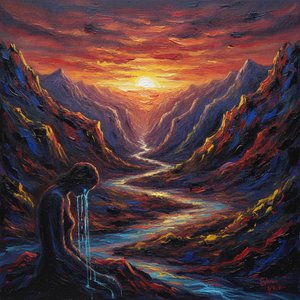
Capturing Emotion: A Journey Through the Soul of Expressionist Landscapes
Explore the profound emotional depth of Expressionist landscapes. Discover how Post-Impressionist masters moved beyond light to capture the soul through vibrant color and form. A curated journey for true art lovers seeking the beauty of expressive mastery.

Beyond the Light: Capturing Raw Emotion and Subjective Vision in Post-Impressionist Landscapes
Explore the profound emotional depth of Post-Impressionist landscapes. Discover how masters like Van Gogh moved beyond light to capture raw human feeling through vibrant color and expressive texture in this expert art history retrospective.