


 Peržiūrėti realaus dydžio版
 Siųsti
 Dalintis
 Išsamiau
 Vadovas

 Atsisiųsti
 Panašūs eksponatai
 Rentgeno spindulių nuotrauka
 Diaporama
 Statistika
The Parrot Man


Discover Max Liebermann’s ‘The Parrot Man,’ a vibrant Impressionist oil painting capturing urban life & exotic beauty. Explore rich textures & expressive lines in this unique 19th-century artwork.
 Rodyti daugiau
Max Liebermann (1847-1935): Vokiečių impresionizmo meistras, žinomas ryškiomis kasdienio gyvenimo scenomis, įspūdingais portretais ir ramiais sodų vaizdais. Atraskite jo palikimą!
Giclée / Meno spausdinimas
Muziejų lygio „giclée“ arba drobos spausdinimas: greita gamyba ir lankstios apdailos parinktys. ( Pirkti rankomis tapytą reprodukciją Perejti prie skaitmeninių vaizdų)




P118B €10

P118H €10

P118W €10

P438Z €10

P508JH €12

P508YH €12

P805H €10

P805Z €10

P919BZ €10

P919G €10

P919XJ €10

P959ZH €10

P968JZ €12

W106C €8

W218G €10

W218JH €8

W218Y €10

W307PJ €10

W316G €10

W316PJ €8

W316Y €10

W398PJ €8

W4111J €10

W500HY €15

W500JH €15

W692G €12

W849H €8

W940BG €15

W953PJ €8




Standartinis
individualaus dydžio
CM
INCH
Pasirinkite iš mūsų nustatytų dydžių, atitinkančių originalaus meno kūrinio proporcijas.
Loading sizes...

plotis
aukštis
Galite nurodyti savo matmenis, kad vaizdas atitiktų konkretų rėmą ar erdvę. Jei pasirinktas dydis nesutaps su originalaus paveikslėlio proporcijomis, mes arba apkirpsime kūrinį, arba išplėsime vaizdą naudojant veideliu atspindėtą arba vientisą šoną. Skaitmeninis maketas bus išsiųstas jums patvirtinti prieš pradedant gamybą.
Atkreipkite dėmesį, kad ekrane matomas vaizdinys neatspindi tikrojo apkirpimo ar išplėtimo. Tik maketas tiksliai parodytų galutinę kompoziciją.
Nors galima rinktis ir individualius dydžius, rekomenduojame pasirinkti vieną iš išanksti nustatytų matmenų, kad būtų išlaikytos originalios proporcijos.
Pristatymas visame pasaulyje () per 2 weeks, o ne įprastas 4/5 savaičių laikotarpis. (8 spalis)

Nemokamas greitasis pristatymas visame pasaulyje

Aukštos kokybės lininis drobė

Pilnas siuntimo draudimas

Muitinės mokesčių grąžinimo garantija

Tikro spalvų atitikimo garantija

100 dienų grąžinimo politika (tik esant įtaigoms)

100% pinigų grąžinimo garantija

Nuolaida dideliems užsakymams
 Stiklo variantas prieinamas tik pasirinkus dydį iki 110 cm

The Parrot Man
Giclée / Meno spausdinimas
Reprodukcijos dydis
-


Visų pasirinktų variantų kaina
€ 59
A Vibrant Snapshot of Urban Life
Max Liebermann's “The Parrot Man,” painted in 1902, isn’t merely a depiction of a street vendor; it’s a carefully constructed tableau brimming with the energy and complexities of early 20th-century Berlin. The painting captures a scene unfolding on what appears to be a bustling promenade or park – a vibrant hub of commerce and casual encounters. Liebermann masterfully uses loose, impressionistic brushstrokes to convey not just the visual appearance but also the atmosphere of the moment: a sense of lively movement, dappled light, and the slightly chaotic beauty of everyday life. The composition is dominated by the central figure of the vendor, his posture radiating confidence as he displays his exotic wares – a collection of brilliantly colored parrots perched on his arms. The blurred background figures, rendered with quick, expressive lines, suggest a continuous flow of activity, drawing the viewer into this intimate slice of urban existence.
Impressionistic Technique and Layered Texture
Liebermann’s technique is a fascinating blend of realism and impressionism. He meticulously observes the details – the folds in the vendor's clothing, the texture of the pavement, the iridescent sheen of the parrot feathers – yet he deliberately avoids photographic precision. Instead, he employs thick impasto brushwork, particularly noticeable on the birds themselves, creating a rich, tactile surface that invites close inspection. The use of color is equally deliberate; blues and greens dominate, reflecting the natural environment, while bursts of red from the parrots inject energy and visual interest. The flattened perspective, characteristic of Impressionism, contributes to the painting’s immediacy, pulling the viewer directly into the scene. Liebermann's skillful manipulation of light and shadow adds depth and a sense of realism despite the overall loose style.
Symbolic Layers: Commerce, Exoticism, and Berlin Identity
“The Parrot Man” is more than just a charming street scene; it’s laden with symbolic meaning. The vendor himself represents commerce and the entrepreneurial spirit of Berlin at the turn of the century – a city rapidly modernizing and embracing new economic opportunities. The parrots, imported from distant lands, embody exoticism and the allure of the “new world,” reflecting Berlin's position as a gateway to Europe and beyond. However, there’s also an element of melancholy in the scene. The vendor’s focused gaze suggests a solitary profession, hinting at the isolation that can accompany commerce. Furthermore, the painting subtly captures the spirit of Berlin itself – a city teeming with life, diversity, and a unique blend of tradition and modernity.
A Legacy of Observation: Liebermann's Artistic Vision
Max Liebermann’s “The Parrot Man” exemplifies his distinctive approach to art. Born in 1847, he initially pursued a more conventional path but ultimately found his true calling in painting. Influenced by Impressionism and Realism, Liebermann developed a unique style characterized by keen observation, masterful technique, and a deep understanding of human psychology. His ability to capture fleeting moments of beauty and emotion resonated with audiences and cemented his place as one of Germany’s most important artists. Reproductions of “The Parrot Man” offer a captivating glimpse into this world, allowing viewers to appreciate Liebermann's artistic vision and the vibrant spirit of early 20th-century Berlin.
问答 (or more naturally for a website heading): Klausimai ir atsakymai
Koks yra rekomenduojamas „The Parrot Man“ spausdinimo formatas – koks dydis ir orientacija?
Dėl „The Parrot Man“ rekomenduojamas spausdinimo nustatymas yra Medium dydžio ir Portrait orientacijos.
Iš ko ir kokiu stiliumi sukurta „The Parrot Man“?
„The Parrot Man“, autorius – Maksas Liberamanas sujungia Oil On Canvas techniką su Impressionism stiliumi. Technika ir stilius apibūdina kūrinio gamybos būdą bei estetinį iš Ausdrucką.
Ar „The Parrot Man“ galima įsigyti kaip aukščiausios kokybės spausdinį?
Norėdami užsisakyti „The Parrot Man“, autorius – Maksas Liberamanas spausdinį, tiesiog jį užsisakykite ši ši puslapį: aukščiausios kokybės spausdinys ant medžio siuvinėjamų audinių arba archyvinio kanvas tipo popieriaus.
Kuriam menininkui priskiriamas kūrinys „The Parrot Man“?
Kūrinį „The Parrot Man“ sukūrė Maksas Liberamanas. Darbas katalogizuojamas Maksas Liberamanas vardu.
Kas parduoda rankų darbo kopijas kūrinio „The Parrot Man“, autorius – Maksas Liberamanas?
Ranko darbo „The Parrot Man“, autorius – Maksas Liberamanas reprodukciją galite užsakyti tiesiogiai ši ši puslapį: rankomis dažyta aliejų reprodukcija ant lininio drobos, gaminama pagal užsakymą.
Kokį Maksas Liberamanas kūrybos etapą atspindi „The Parrot Man“?
„The Parrot Man“ priklauso Maksas Liberamanas kūrybos karjeros Mature Period etapui. Ši klasifikacija susietas su kūrinio ryšiu su menininko evoliucija.
Ar „The Parrot Man“, autorius – Maksas Liberamanas yra viešosios teisės?
„The Parrot Man“, autorius – Maksas Liberamanas yra pripa принадле belongs to the public domain – jo autorinė teisė pasibaigusi. Šis statusas nustato, kaip galima reprodukcijaus šio kūrinio vaizdą.
Susiję kūriniai
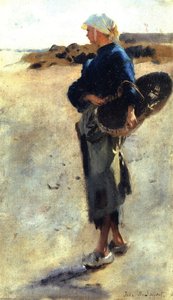


Autoriaus biografija
Ankstyvieji Metai ir Šviesos Paieškos
Maksas Liebermannas, gimęs 1847 metais turtingoje žydų šeimoje Berline, ne iš karto pasirinko tapytojo kelią. Pradžioje jis studijavo teisę ir filosofiją Berlino universitete, tačiau tikrą pašaukimą atrado ne teismo salėje, o drobėje. Šis ankstyvas intelektualinis laikotarpis be abejo formavo jo aštrų žvilgsnį ir apmąstymus vaizduojant aplink jį pasaulį. Būtent sąmoningas posūkis – studijos Weimar’e, Paryžiuje ir Nyderlanduose – išties uždegė jo meninę aistrą, supažindindamas jį su įvairiais stiliais ir padėdama pamatus karjerai, apibrėžtai trumpalaikių akimirkų užfiksavimu, pasižyminčiu puikia šviesos ir spalvos jautrumu. Jis ne tik atvaizdavo tai, ką matydavo; jis į drobę perkeldavo patirties esmę. Ankstyvieji Liebermanno darbai dažnai vaizdavo kasdienio gyvenimo scenas, ypač darbininkų klasės, perteiktas natūralizmu, kuris iššaukė to meto vyraujantį romantišką estetinį požiūrį. Šie paveikslai nebuvo skirti socialinei kritikai, o greičiau buvo sąžiningi žmogaus buities atvaizdai, apdovanoti orumu ir pagarba.Impresionizmo Įsisavinimas Vokiškame Kontekste
Liebermanno meninė plėtra buvo giliai paveikta susipažinimo su prancūziškuoju realizmu, o svarbiausia – su klestinčiu impresionistų judėjumu. Édouardo Manet dvasia – jo drąsa, atsisakymas nuo akademinės konvencijos, dėmesys šiuolaikiniam gyvenimui – giliai rezonavo su Liebermannu. Tačiau jis tiesiogiai nekopijavo to, ką matė Paryžiuje; vietoj to, jis pritaikė šiuos principus prie vokiško jautrumo, sukūręs savitą impresionizmą. Jo paletė tapo ryškesnė, potepiai laisvesni ir spontaniškesni, o tematikos perėjo į buržuazijos laisvalaikio scenas ir ramią jo sodo grožį prie Vansee ežero. Šis sodas, ypač, tapo nuolatiniu motyvu visoje jo karjeroje, siūlant prieglobstį sparčiai besikeičiančiame pasaulyje ir suteikiant begalinę įkvėpimo šaltinį tyrinėti šviesą ir atmosferą. Jis ne tik atvaizdavo gėles ir lapus; jis užfiksavo vasaros jausmą, saulės šilumą, lengvas lapų viršūnėmis sklindančias smūgius. Be kraštovaizdžių, Liebermannas įsitvirtino kaip labai paklausus portretistas, sukūręs daugiau nei 200 užsakomųjų darbų, įskaitant ikoniškus Albert Einstein ir Paul von Hindenburg atvaizdus. Šie portretai nebuvo tik panašumai; tai buvo gilūs charakterio tyrimai, atskleidžiantys subjekto vidinį gyvenimą subtiliomis gestais ir išraiškomis.Meninės Laisvės Čempionas
Liebermannas nesitenkino tik tapymu; jis aktyviai gynė meninę naujovę ir nepriklausomybę. Pripažindamas ribojančius tradicinio meno įstaigų apribojimus, jis 1898 metais tapo Berlyno Sekcesijos judėjimo varomąja jėga, vadovaudamas šiai avangardinei grupei daugiau nei dešimt metų. Sekcesija iššaukė įprastas normas, suteikdama platformą menininkams, dirbantiems už akademinės tradicijos ribų. Šis įsipareigojimas meninei laisvei apėmė ne tik jo paties darbą; Liebermannas aistringai tikėjo, kad menininkai turėtų būti laisvi tyrinėti savo viziją be politinio ar ideologinio spaudimo. Jo išrinkimas į Prūsijos meno akademiją 1909 metais ir vėlesnis prezidentavimas 1920 metais liudijo jo augantį autoritetą Vokietijos meno pasaulyje, tačiau šios pozicijos taip pat privertė jį susidurti su kylančia antisemitizmo ir nacionalizmo banga, kuri galiausiai grėsė visam jo gyvenimo darbui.Besikeičiančio Pasaulio Šešėliai: Palikimas ir Atsparumas
Nacizmo kilimas numetė tamsų šešėlį ant Liebermanno vėlesniųjų metų. Jo principinė pozicija prieš diskriminaciją lėmė jo atsistatydinimą iš Prūsijos akademijos 1933 metais, drąsus aktas, parodęs jo atsisakymą aukoti savo vertybes. Nepaisant didėjančio persekiojimo, jis tęsė tapybą, rasdamas paguodą ir prasmę savo meno kūriniuose. Jis mirė Berline 1935 metais, palikęs turtingą paveikslų, spaudinių paveldą ir gilų įsipareigojimą meninei laisvei. Jo žmona Marta tragiškai nusižudė 1943 metais, kad išvengtų deportacijos – skaudi Holokausto siaubo liudybe. Daugelį metų po karo Liebermanno darbai buvo šiek tiek pamiršti, tačiau pastaraisiais dešimtmečiais atsirado naujas dėmesys jo indėliui į Vokietijos impresionizmą ir moderniosios meno istoriją. Šiandien jis prisimintas ne tik kaip puikus tapytojas, bet ir kaip drąsus meninės ekspresijos šalininkas bei tironijos simbolis. Jo paveikslai ir toliau žavi žiūrovus savo spindesine grožiu, įžvalgiomis pastabomis ir nesenstančia humaniškumu.Pagrindiniai Pasiekimai ir Ilgalaikis Poveikis
- "Dvylikos metų Jėzus Šventykloje": Šis ankstyvas darbas sukėlė didelių diskusijų dėl savo netradicinio Semitų atvaizdo, kuris iššaukė tradicinę religinę ikonografiją.
- Berlyno Sekcesijos vadovavimas: Jo svarbus vaidmuo vadovaujant šiam avangardiniam judėjumui iššaukė meno normas ir nutiesė kelią moderniajam menui Vokietijoje.
- Prūsijos meno akademijos prezidentas: Svarbus jo meninio nuopelno pripažinimas, nors galiausiai sukompromisuotas nacizmo kilimo.
- Meistriškas portretavimas: Jo gebėjimas užfiksuoti savo subjekto esmę daugiau nei 200 užsakomųjų portretų įtvirtino jo reputaciją kaip pirmaujantį portretininką.
- Poveikis Vokietijos impresionizmui: Liebermannas sėkmingai perkėlė impresionizmo principus į savitą vokišką kontekstą, įkvėpdamas ištisų kartų menininkus.

Maksas Liberamanas
1847 - 1935 , Vokietija
Trumpa informacija apie kūrėją
- Gimimo Data: 1847 m. liepos 20 d.
- Gimimo Vieta: Berlynas, Vokietija
- Menininkai, Kuriuos Įtakojo: ['Vokiečių impresionizmas']
- Meninis Stilius: Impresionizmas
- Mirties Data: 1935 m. vasario 8 d.
- Pilietybė: Vokiečių
- Pilnas Vardas: Max Liebermann
- Įtakoję Menininkai: ['Édouard Manet']
- Žymiausi Darbai:
- Dvanzeimtmetis Jėzus...
- Olandų ūkis su moterimi
- Dr. Max Lindės portretas
Susiję straipsniai

The Timeless Beauty of Oil on Panel: Capturing Light and Texture through the Impressionist Lens
Discover the exquisite depth of oil on panel. Explore how Impressionist masters captured light and texture through tactile brushwork, and learn how to bring these museum-quality, hand-painted masterpieces into your home with expert curation.

Capturing the Soul: The Ethereal Magic and Timeless Technique of Impressionist Portraiture
Discover the ethereal beauty of Impressionist portraiture. Explore how masters like Monet and Renoir captured light and soul through brushwork, and learn how to bring this timeless magic into your home with exquisite, hand-painted oil reproductions from TopImpressionists.com.

The Soul of Impressionism: Why Oil on Canvas Captures Eternal Light and Timeless Emotion
Discover the enchanting alchemy of Impressionism. Explore how the mastery of oil on canvas, through glazing and impasto, captures eternal light and emotion. Perfect for lovers of Monet and Van Gogh seeking the profound depth of hand-painted fine art.

The Timeless Charm of Oil on Board: Reimagining Texture and Light through the Impressionist Lens
Discover the profound intimacy of oil on panel. Explore how Impressionist masters used rigid supports to capture light, texture, and impasto depth through exquisite, handmade oil reproductions for discerning collectors.

From Fleeting Moments to Eternal Masterpieces: Transform Your Memories into Bespoke Impressionist Oil Paintings
Elevate your cherished memories with TopImpressionists.com. We transform your photos into exquisite, hand-painted Impressionist oil masterpieces. Experience the timeless texture of real brushstrokes and professional artistry to create a lasting legacy for your home.
Tyrinėkite meno kūrinius, suskirstytus pagal temas, stilius ir savybes.
