


 Peržiūrėti realaus dydžio版
 Siųsti
 Dalintis
 Išsamiau
 Vadovas

 Atsisiųsti
 Panašūs eksponatai
 Rentgeno spindulių nuotrauka
 Diaporama
 Statistika
Slag Heap


Experience 'Slag Heap' by Maximilien Luce – a vibrant Post-Impressionist painting of a French village at night. Explore its rich details and artistic style on canvas or print.
 Rodyti daugiau
Maximilien Luce (1858-1941) – prancūzų neoimpresionistas, žinomas ryškiais Paryžiaus miesto vaizdais ir peizažais. Atraskite jo taškinio tapybos stilių bei įtaką impresionizmui.
Giclée / Meno spausdinimas
Muziejų lygio „giclée“ arba drobos spausdinimas: greita gamyba ir lankstios apdailos parinktys. ( Pirkti rankomis tapytą reprodukciją Perejti prie skaitmeninių vaizdų)




P118B €10

P118H €10

P118W €10

P438Z €10

P508JH €12

P508YH €12

P805H €10

P805Z €10

P919BZ €10

P919G €10

P919XJ €10

P959ZH €10

P968JZ €12

W106C €8

W218G €10

W218JH €8

W218Y €10

W307PJ €10

W316G €10

W316PJ €8

W316Y €10

W398PJ €8

W4111J €10

W500HY €15

W500JH €15

W692G €12

W849H €8

W940BG €15

W953PJ €8




Standartinis
individualaus dydžio
CM
INCH
Pasirinkite iš mūsų nustatytų dydžių, atitinkančių originalaus meno kūrinio proporcijas.
Loading sizes...

plotis
aukštis
Įveskite jums reikiamą plotį ir aukštį, kad atvaizdas derėtų prie jūsų rėmo ar sienos. Spausdiną galima tik sumažinti, bet nepadidinti virš originalaus paveikslėlio dydžio, todėl keičiant proporcijas, dalis vaizdo prarandama. Prieš spausdinimą atsiųsime jums skaitmeninį maketą patvirtinimui. Šioje puslapio nuotraukoje matomas pjūvis nėra tikslus – jį rodo tik maketas.
Pristatymas visame pasaulyje () per 2 weeks, o ne įprastas 4/5 savaičių laikotarpis. (21 spalis)

Nemokamas greitasis pristatymas visame pasaulyje

Aukštos kokybės lininis drobė

Pilnas siuntimo draudimas

Muitinės mokesčių grąžinimo garantija

Tikro spalvų atitikimo garantija

100 dienų grąžinimo politika (tik esant įtaigoms)

100% pinigų grąžinimo garantija

Nuolaida dideliems užsakymams
 Stiklo variantas prieinamas tik pasirinkus dydį iki 110 cm

Slag Heap
Giclée / Meno spausdinimas
Reprodukcijos dydis
-


Visų pasirinktų variantų kaina
€ 60
A Nocturne in Blue and Green: Exploring Luce's "Slag Heap"
To gaze upon Maximilien Luce’s Slag Heap is to be enveloped by the profound, hushed beauty of a French night. This painting, executed in 1896, transcends a mere depiction of a village; it captures a moment suspended between the day's activity and the deep quietude of midnight. The scene unfolds on a gentle hillside, where the architecture of a small community nestles beneath a luminous, watchful moon. Luce masterfully uses the interplay of light and shadow to give life to every cobblestone and every shadowed eaves. It is an invitation to pause, to breathe in the cool, damp air that seems to emanate from the canvas itself.
The Brushwork of Post-Impressionism
Luce’s technique here is a vibrant testament to his commitment to capturing feeling as much as form. While rooted in the observable world—the clustered houses, the distant church steeple, the lush green landscape—the painting vibrates with the energy characteristic of Post-Impressionism. One notices the bold, deliberate brushstrokes; they do not merely describe the surface but seem to articulate the very texture of the night air and the weight of the silence. The artist employs a rich palette dominated by various shades of blue and deep green, colors that work in concert to create an atmosphere both serene and deeply evocative. This handling of color suggests an emotional resonance beneath the picturesque facade.
Life Amidst the Stillness: Symbolism and Movement
What elevates Slag Heap beyond a simple landscape is the subtle infusion of life into its nocturnal repose. In the foreground, two horses stand as silent sentinels, their presence injecting an element of grounded movement against the otherwise tranquil backdrop. They suggest journeys undertaken or perhaps merely resting after the day's toil. The village itself, with its visible structures and towering steeple, speaks to enduring human settlement—a pocket of civilization illuminated by celestial grace. Symbolically, the moon shining so brightly above the clustered homes can be interpreted as a beacon of constancy, guiding the inhabitants through the mysteries of the night.
Bringing the Night Home: Decorating with Art
For those seeking to infuse their living space or study with the romanticism and depth of late 19th-century Parisian life, this piece offers unparalleled ambiance. The cool tones of the blues and greens in Slag Heap pair exquisitely with natural wood finishes, velvet furnishings, or even modern minimalist palettes that crave a touch of historical narrative. Owning a reproduction allows one to bring the quiet drama of Luce’s vision into your personal sanctuary. It is an artwork that rewards close inspection, revealing new depths of color and texture every time the light shifts across it.
问答 (or more naturally for a website heading): Klausimai ir atsakymai
Kokia spalva labiausiai išsiskiria kūryniame „Slag Heap“?
Cobalt Violet (#88a4bb) yra pagrindinė kūrinio „Slag Heap“, autorius – Maksimiljenas Liusė spalva.
Ar „Slag Heap“, autorius – Maksimiljenas Liusė autorinės teisės leidžia daryti kopijas?
Kūrinys „Slag Heap“, autorius – Maksimiljenas Liusė, saugomas Musée d'Ixelles kolekcijoje, yra pripa принадле belongs to the public domain – jo autorinė teisė pasibaigusi. Šis statusas nulemia, ar galima rengti vaizdo reprodukcijas.
Iš ko sukurta „Slag Heap"]?
Maksimiljenas Liusė kūriniui „Slag Heap“ panaudojo Oil On Canvas techniką. Ši technika apibrėžė originalaus kūrinio medžiaginę prigimtį.
Susiję kūriniai


Autoriaus biografija
Paryžiaus Siela: Maksimiljeno Lūsės Gyvenimas ir Kūryba
Maksimiljenas Lūsė, gimęs Paryžiuje 1858 metais, buvo tapytojas, giliai įsipynęs į savo laikmečio socialines ir artistines sroves. Ankstyvieji jo gyvenimo metai, praleisti Montparnaso darbininkų klasės rajonuose, suteikė jam jautrumą miesto egzistencijos realijoms – tema, kuri rezonuos visoje jo vaisingoje karjeroje. Pradžioje 1872 metais jis buvo mokomas medžio graviūros amato, tobulindamas kruopštų dėmesį detalėms ir linijų bei formų įvertinimą, įgūdžius, kurie vėliau paveiks jo tyrinėjimus spalvų ir šviesos srityje. Šis pamatinis mokymas nebuvo tik techninis; jis sujungė jį su grafikos meno tradicija, giliai susijusia su socialiniu komentaru, paruošiant sceną jo pačio politiškai įkraunai artistinei kelionei. Jis tęsė savo švietimą vakarinėse pamokose, įsisavindamas piešimo principus ir padėdama pagrindą galutiniam perėjimui prie tapybos. 1871 metų Paryžiaus Komuna, liudijama jo jaunystėje, paliko neišdildomą pėdsaką Lūsės sąmonėje, ugdydama visą gyvenimą trunkančią anarchistinę įsitikinimų ir socialinę teisybę – tikėjimus, kurie nuolat pasireikš jo artistiniame pasirinkime.Nuо Impresionizmo Iki Neo-Impresionizmo Ir Toliau
Lūsės artistinė evoliucija buvo apibūdinama neramiais eksperimentais ir noru priimti naujus požiūrius. Jis pradėjo kaip impresionistas, sužavėtas trumpalaikių šviesos ir atmosferos efektų, tačiau netrukus patraukė griežtesnis neo-impresionizmo mokslinis tikslumas. Žoržo Seurą ir Polo Signako įtaka buvo lemtinga; jis perėmė jų pointilistinę techniką – kruopštų taškelių grynos spalvos panaudojimą – darbuose, tokiuose kaip *Ant Senos Kranto Poissyje* (1895). Šiuo laikotarpiu jis kruopščiai analizavo šviesą ir spalvas, stengdamasis pasiekti harmoningą vizualinę patirtį per optinį maišymąsi. Tačiau Lūsė nebuvo tik pasekėjas; jis į neo-impresionizmą įnešė savo savitą jautrumą, dažnai sutelkdama dėmesį į pramonės darbo ir miesto gyvenimo scenas – temas, kurios retai buvo tyrinėjamos jo bendraamžių. Jis neslėpė modernios egzistencijos šiurkščios realybės, ryškiai kontrastuodamas su idiliškesniais kraštovaizdžiais, kuriuos mėgo kai kurie jo kolegos. Vėliau savo karjeroje jis atsisakė griežto pointilizmo, priimdamas laisvesnį, ekspresyvesnį stilių, kuris išlaikė spalvų gyvybę, tačiau leido didesniam emociniam intensyvumui. Ši nuolatinė evoliucija demonstruoja Lūsės įsipareigojimą artistinei tyrinėjimui ir atsisakymą būti ribojamam bet kokios vienos estetinės dogmos.Modernybės Liudininkas: Temos Ir Technikos
Lūsės kūryba yra įtraukianti vėlyvų XIX ir ankstyvųjų XX amžių Prancūzijos kronika. Jį domino industrializacijos transformuojamoji galia, jis atvaizdavo fabrikus, statybos aikšteles ir triukšmingus miesto peizažus be cenzūros akies. Jo paveikslai nėra tik šių scenų reprezentacijos; jie įkvėpti dinamiškumo ir energijos jausmo, užfiksuojančio modernaus gyvenimo ritmą. Sena upė, vingiuojanti per Paryžių ir jo apylinkes, tapo pasikartojančiu motyvu jo darbuose – gamtos grožio ir žmogiškojo aktyvumo simbolis. Jis meistriškai užfiksavo šviesos atspindžius vandenyje, naudodamas pointilistines technikas kurdamas spindinčius paviršius ir atmosferinius efektus. Be kraštovaizdžių ir miesto scenų, Lūsė tyrinėjo socialines temas, dažnai vaizduodamas darbininkus ir samdininkus su orumu ir pagarba. Jo įsipareigojimas anarchistiniams principams yra akivaizdus jo simpatiškame marginalizuotųjų visuomenės atvaizdavime. Pavyzdžiui, *Peizažas Maršienuose* (1896) siūlo galingą šiaurės Prancūzijos pramoninio kraštovaizdžio vaizdą, pabrėžiantį jo grožį ir griežtą realybę. Jis taip pat buvo žinomas dėl savo Paryžiaus gyvenimo atvaizdavimų, įskaitant kavinių, cirkų ir viešųjų susibūrimų scenas.Palikimas Ir Pripažinimas
Maksimiljeno Lūsės indėlis į meno pasaulį apima jo pačių paveikslus. Kaip atsidavęs Société des Artistes Indépendants narys – 1909 metais buvęs viceprezidentu ir 1935 metais prezidentu – jis gynė artistinę laisvę ir suteikė platformą besiformuojantiems menininkams. Jo įsipareigojimas progresyvioms idėjoms padarė jį gerbiamu asmeniu avantgardinėje bendruomenėje. Nors jis patyrė laikotarpius santykinės nežinomumo, jo darbai pastaraisiais dešimtmečiais vis labiau pripažįstami dėl savo unikalios estetinio naujovimo ir socialinės sąmoningumo derinys. Šiandien Lūsės paveikslai laikomi prestižiniuose muziejų kolekcijose visame pasaulyje, įskaitant Musée d'Orsay Paryžiuje, liudijant jo ilgalaikę artistinę viziją. Jo gebėjimas užfiksuoti greitai besikeičiančios eros dvasią, kartu su techniniu meistriškumu ir tvirtu įsipareigojimu savo įsitikinimams, sustiprina jo vietą moderniosios meno istorijoje. Jis išlieka menininkas, kurio darbai ir toliau rezonuoja su šiuolaikine publika, siūlant įžvalgų apie modernybės sudėtingumą ir nesibaigiančią artistinės ekspresijos galią.
Maksimiljenas Liusė
1858 - 1941 , Prancūzija
Trumpa informacija apie kūrėją
- Gimimo Data: 1858 m. kovo 13 d.
- Gimimo Vieta: Paryžius, Prancūzija
- Meninis Stilius: Neo-Impresionizmas
- Mirties Data: 1941 m. vasario 6 d.
- Pilnas Vardas: Maximilien Luce
- Tautybė: Prancūzas
- Įtakoję Menininkai:
- Camille Pissarro
- Georges Seurat
- Žymiausi Darbai:
- Seine at Poissy
- Tuileries in Paris
Susiję straipsniai
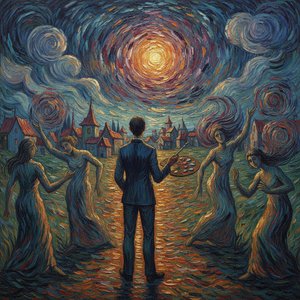
Beyond the Light: Capturing Emotion Through the Expressive Soul of Post-Impressionism
Explore the profound emotional depth of Post-Impressionism. Discover how masters like Van Gogh and Cézanne moved beyond light to capture raw feeling through color and texture. A journey into art history for the true connoisseur.

Beyond the Light: Discovering the Soul and Emotional Depth of Post-Impressionism
Embark on a cultural journey through Post-Impressionism. Discover the profound emotional depth of masters like Van Gogh and Cézanne, exploring how they moved beyond light to capture the very soul of human experience through vibrant color and symbolic form.