


 Peržiūrėti realaus dydžio版
 Siųsti
 Dalintis
 Išsamiau
 Vadovas

 Atsisiųsti
 Panašūs eksponatai
 Rentgeno spindulių nuotrauka
 Diaporama
 Statistika
The Donne Triptych (detail 2) - (central panel)


Experience the serene beauty of Hans Memling's Early Netherlandish masterpiece featuring the Virgin and Child amidst celestial angels, a luminous window into Renaissance spirituality perfect for your private collection.
 Rodyti daugiau
Atraskite Hans Memlingo nuostabius ankstyvojo Nyderlandų meno darbus Briugėje! Tyrinėkite religines scenas ir portretus Memlingo muziejuje – flamandų primityvizmo šedevrą. Žymiausias dėl detalumo, tikroviškumo ir subtilios spalvų paletės.
Šiame puslapyje rodomas meno kūrinys yra saugomas autorių teisių įstatymais, todėl neturime teisės legaliai kurti ar parduoti jo identiškos reprodukcijos. Ši apsauga užtikrinama remiantis tokiais tarptautiniais susitarimais kaip Bernės konvencija ir pagal nacionalines įstatymų nuostatas, įskaitant tas, kurias nurodo JAV autoriškos teisės įstatymas – 17-asis skyrius.
Šis metodas visiškai atitinka autorių teises, nes jame nėra kūrinio kopijavimo ar dubliavimo. Tai yra kūrybinė reinterpretacija – naujas paveikslas, kurį įkvėpė originalas, tačiau kuris nėra jo identiškas.
Giclée / Meno spausdinimas
Muziejų lygio „giclée“ arba drobos spausdinimas: greita gamyba ir lankstios apdailos parinktys. ( Pirkti rankomis tapytą reprodukciją Perejti prie skaitmeninių vaizdų)




P118B €10

P118H €10

P118W €10

P438Z €10

P508JH €12

P508YH €12

P805H €10

P805Z €10

P919BZ €10

P919G €10

P919XJ €10

P959ZH €10

P968JZ €12

W106C €8

W218G €10

W218JH €8

W218Y €10

W307PJ €10

W316G €10

W316PJ €8

W316Y €10

W398PJ €8

W4111J €10

W500HY €15

W500JH €15

W692G €12

W849H €8

W940BG €15

W953PJ €8




Standartinis
individualaus dydžio
CM
INCH
Pasirinkite iš mūsų nustatytų dydžių, atitinkančių originalaus meno kūrinio proporcijas.
Loading sizes...

plotis
aukštis
Įveskite jums reikiamą plotį ir aukštį, kad atvaizdas derėtų prie jūsų rėmo ar sienos. Spausdiną galima tik sumažinti, bet nepadidinti virš originalaus paveikslėlio dydžio, todėl keičiant proporcijas, dalis vaizdo prarandama. Prieš spausdinimą atsiųsime jums skaitmeninį maketą patvirtinimui. Šioje puslapio nuotraukoje matomas pjūvis nėra tikslus – jį rodo tik maketas.
Pristatymas visame pasaulyje () per 2 weeks, o ne įprastas 4/5 savaičių laikotarpis. (25 spalis)

Nemokamas greitasis pristatymas visame pasaulyje

Aukštos kokybės lininis drobė

Pilnas siuntimo draudimas

Muitinės mokesčių grąžinimo garantija

Tikro spalvų atitikimo garantija

100 dienų grąžinimo politika (tik esant įtaigoms)

100% pinigų grąžinimo garantija

Nuolaida dideliems užsakymams
 Stiklo variantas prieinamas tik pasirinkus dydį iki 110 cm

The Donne Triptych (detail 2) - (central panel)
Giclée / Meno spausdinimas
Reprodukcijos dydis
-


Visų pasirinktų variantų kaina
€ 61
A Celestial Encounter in Bruges
In the heart of the fifteenth-century Flemish Renaissance, amidst the bustling, prosperous streets of Bruges, Hans Memling captured a moment of profound divine intimacy that continues to captivate the soul centuries later. The Donne Triptych (central panel) is not merely a painting; it is a window into a sacred realm where the earthly and the divine converge in perfect harmony. At its center, the Virgin Mary cradles the infant Jesus, her presence radiating a serene maternal compassion that anchors the entire composition. This central scene, part of a larger devotional masterpiece commissioned around 1478 for the diplomat Sir John Donne, serves as a breathtaking testament to the spiritual fervor and artistic sophistication of the Early Netherlandish tradition.
The atmosphere of the piece is one of unparalleled tranquility, achieved through Memling’s masterful command of symmetry. Flanking the Virgin, angelic figures are depicted with such delicate grace that one can almost hear the ethereal melodies of the musical instruments they play. This sense of celestial music creates a rhythmic balance, drawing the viewer's eye inward toward the holy figures. Beyond the ornate architectural setting, a stylized landscape unfolds, offering a pastoral counterpoint to the sacred interior. This juxtaposition of the intimate, sheltered sanctuary and the expansive, sunlit countryside reinforces the theme of divine grace permeating all levels of existence, from the most private devotion to the vastness of creation.
The Mastery of Light and Texture
To behold a reproduction of this work is to appreciate the meticulous technical brilliance that defined Memling’s workshop. Following in the footsteps of his mentor, Rogier van der Weyden, Memling utilized the revolutionary medium of oil paint on wood panels to achieve a level of realism previously unseen in Northern Europe. Through the painstaking application of translucent glazes, he layered colors to create a luminous depth, allowing light to appear as if it were emanating from within the figures themselves. This technique brings a startling vitality to the textures of the scene—the soft, velvet-like skin of the Christ Child, the heavy, rich fabrics of the Virgin’s robes, and the cold, precise details of the surrounding architecture.
For the discerning collector or interior designer, this painting offers more than just visual beauty; it provides a profound emotional resonance. The rich palette of deep reds, celestial blues, and warm golds lends a regal dignity to the work, making it an extraordinary focal point for any space dedicated to contemplation or sophisticated elegance. Every brushstroke serves to elevate the subject matter, transforming a religious narrative into a timeless exploration of beauty, peace, and the enduring human connection to the sacred.
问答 (or more naturally for a website heading): Klausimai ir atsakymai
Kaip „The Donne Triptych (detail 2) - (central panel)“, autorius – Hansas Memlingas spalvos susiję su jo emocine išraiška?
Kūrynom šiame darbe „The Donne Triptych (detail 2) - (central panel)“, Earthy spalvos lydi Tranquil pojūtį.
Kaip „The Donne Triptych (detail 2) - (central panel)“ subalansuoja šviesą ir tamsą?
„The Donne Triptych (detail 2) - (central panel)“ bendroji ryškumas yra deep_shadow, o švytėjimas – Soft Shadow.
Kaip galiu peržiūrėti „The Donne Triptych (detail 2) - (central panel)“, autorius – Hansas Memlingas reprodukciją?
„The Donne Triptych (detail 2) - (central panel)“ Peržiūra puslapio funkcija leidžia peržiūrėti kūrinį prieš užsakant.
Autoriaus biografija
Hansas Memlingas: Brugės meistras, detalės ir patronato menininkas
Hansas Memlingas (apie 1430 – rugpjūčio 11 d., 1494 m.), gimęs Seligenštate, Vokietijoje, yra vienas svarbiausių ankstyvojo Nyderlandų tapybos atstovų – judėjimo, pasižyminčio išskirtiniu realizmu, kruopščiu gamtos stebėjimu ir giliumi dvasiniu apmąstymu. Nors jo jaunystės metai prabėgo daugiausia Reino krašto meno aplinkoje, Memlingo kelias galiausiai nuvedė jį į Brugę, Belgiją, kur jis įsitvirtino kaip vienas žymiausių to meto menininkų ir sukūrė gausią dirbtuvę, skleisiančią jo savitą stilių visoje Europoje.Ankstyvieji gyvenimo etapai ir mokymasis
Tikslios biografinės detalės apie Memlingo gimimą lieka neaiškios, tačiau mokslininkai sutaria, kad jis kilęs iš Mainco apie 1430 metus. Jo meninis ugdymas prasidėjo Rogierio van der Weyden’o, flamandų tapybos titano, mokinystėje. Van der Weyden’o meistriškumas aliejine tapyba ir skulptūrinis modeliavimas turėjo didelės įtakos Memlingo technikai. Ši mokymosi patirtis suteikė jam nepajudinamą atsidavimą detalėms – bruožą, kuris apibrėžė visą jo kūrybą. Jaunasis Hansas kruopščiai studijavo kompoziciją, spalvų derinimo subtilybes ir šviesos bei šešėlio žaidimą, įsisavindamas ankstyvojo flamandų meno filosofiją – tikrovės atspindį drobėje.Brugė ir dirbtuvė
Apie 1465 metus Memlingas gavo Brugės piliečio statusą – klestinčiame prekybos centre ir meno epicentre. Jis suvokdamas bendradarbiavimo kūrybiškumo potencialą, įkūrė dirbtuves su daugybe asistentų, skatinančias inovacijų ir stilistinio nuoseklumo aplinką. Šios dirbtuvės greitai išgarsėjo gaminant stulbinamus meno šedevrų atgamintus darbus – tai liudija Memlingo įgūdžius kaip menininką ir pedagogą. Dirbtuvėse buvo puoselėjami jauni talentai, kurie mokėsi jo technikos ir estetinių principų, o vėliau patys skleidė jo stilių visoje Europoje.Stilius, apibrėžiamas tikslumu ir patronatu
Memlingo meninis stilius yra akimirksniu atpažįstamas: jį charakterizuoja šviesios spalvų paletės, subtiliai perteikti draperijos raukšlės ir nuostabus anatomijos tikslumas. Jis kruopščiai studijavo žmogaus anatomiją – semdamasis įkvėpimo iš klasikinės skulptūros – kad pasiektų neprivalomo realizmo savo portretuose ir religinėse scenose. Skirtingai nuo daugelio jo bendraamžių, kurie teikė pirmenybę ekspresyviems potepiams, Memlingas pirmautino kruopščiam stebėjimui ir kantriam įgyvendinimui, todėl jo darbuose atsirado ramus grožis ir gili dvasinė giluma. Jo paveikslai spindėjo šviesos ir spalvos harmonija, o detalės buvo perteiktos su nepaprastu tikslumu, sukuriant įspūdį, kad paveikslo personažai yra gyvi ir kvėpuojantys.Religinės užsakymai
Memlingo reputacija pakilo dėl pelningų užsakymų iš turtingų patronų – daugiausia dvasininkų ir aristokratijos šeimų, kurie ieškojo šventųjų ir biblinių pasakojimų vaizdų, rezonuojančių su religingumu ir prestižu. Žymūs pavyzdžiai apima „Paskutinį teismą“ Šv. Jono ligoninėje Brugėje – monumentalų freską, demonstruojančią Memlingo meistriškus kompozicinius įgūdžius ir dramatišką spalvų naudojimą. Kiti svarbūs darbai apima „Šventos Uršulos ciklas“, kuriame perteikiamas šios šventos gyvenimo pasakojimas, ir daugybė Madonų su kūdikiu Jėzumi, spinduliuojančios ramybe ir motiniškumu.Portretinė tapyba
Memlingas puikiai sekėsi kaip portretistas, užfiksuodamas žymių asmenų atvaizdus nepaprastu jautrumu ir psichologiniu įžvalgumu. Jo portretai – tokie kaip „Vyro su rodykle portretas“ – demonstruoja jo gebėjimą perteikti charakterį subtiliomis gestais ir veido išraiškomis – įgūdis, kuris įtvirtino jo vietą tarp didžiausių to meto menininkų. Jo portretai nebuvo tik fizinis atvaizdavimas; jie buvo gilūs psichologiniai portretai, atspindintys modelio asmenybę ir vidinį pasaulį.Įtaka ir palikimas
Memlingo meninis palikimas apima jo gyvenimo laiką. Jo dirbtuvė sukūrė didžiulį kiekį paveikslų – daugelis iš jų stiliaus požiūriu panašūs į originalius darbus, kurie skleidė Memlingo savitą estetiką visoje Flandrijoje ir už jos ribų. Be to, Memlingo kruopšti technika buvo įkvėpimas vėlesnės kartos menininkams – ypač Kvintinui Masysui, kuris įkūrė Antverpeno mokyklą – įtvirtindamas Memlingo poziciją kaip flamandų renesanso meno kertinį akmenį.Atradimas iš naujo ir nuolatinis populiarumas
Memlingo meniniai pasiekimai buvo didžia dalimi pamiršti iki XIX amžiaus, kai mokslininkai atrado jo paveikslus ir gynė jo genijų. Šiandien Memlingo darbai – ypač „Paskutinis teismas“ – vis tiek stebina publiką visame pasaulyje, tarnaudami kaip nuolatiniai meno meistriškumo ir dvasinio apmąstymo simboliai. Jo kruopštus dėmesys detalėms ir gili žmogaus psichologijos supratimas išlieka nepaprastai aktualūs mūsų šiuolaikiniame meno istorijos įvertinime.
Hansas Memlingas
Vokietija
Trumpa informacija apie kūrėją
- Gimimo Data: apie 1430 m.
- Gimimo Vieta: Seligenštatas, Vokietija
- Meninis Stilius: Ankstyvoji Nyderlandų tapyba
- Mirties Data: rugsėjo 11 d., 1494 m.
- Pilietybė: Vokiečių-Flamandų
- Pilnas Vardas: Hans Memling
- Turėjo Įtakos: ['Rogier van der Weyden']
- Įtakojo: ['Flamandų primityvizmas']
- Žymiausi Darbai:
- Šv. Jono ligoninė
- Teisiamasis teismas
- Kančios scenos
Susiję straipsniai
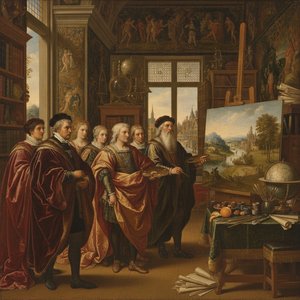
The Timeless Allure of Flemish Painting: A Journey Through Light and Detail
Embark on a luminous journey through the Flemish masters. Discover the alchemical secrets of oil glazing, intricate symbolism, and the breathtaking realism of the Northern Renaissance. An expert exploration of light and detail for the discerning art enthusiast.

The Alchemy of Light: Discovering the Luminous Realism of Early Netherlandish Masters
Embark on a journey through the Northern Renaissance. Discover how Early Netherlandish masters revolutionized art through oil innovation, luminous realism, and profound symbolic depth. Explore the breathtaking technical brilliance of the Flemish masters.

Whimsical Wonders: Curating Impressionist Masterpieces for a Child's Sanctuary of Imagination
Transform your child's room into a sanctuary of wonder with hand-painted Impressionist reproductions. Discover how the soft light of Monet and Renoir can inspire imagination through bespoke, museum-quality oil paintings designed for the next generation of dreamers.

Divine Beauty: The Top 25 Masterpieces by Fra Angelico
Immerse yourself in the divine beauty of Fra Angelico. Explore 25 iconic Renaissance masterpieces, from ethereal frescoes to sacred panel paintings. Find inspiration for museum-quality art reproductions and timeless decor. Discover all masterpieces on TopImpressionists.com.
Tyrinėkite meno kūrinius, suskirstytus pagal temas, stilius ir savybes.


