


 Peržiūrėti realaus dydžio版
 Pasidalinti
 Dalintis
 Išsamiau
 Vadovas

 Atsisiųsti
 Panašūs eksponatai
 Rentgeno spindulių nuotrauka
 Automatinė diorama
 Q&A
Q&A Statistika
Lamentation (recto), c. 1530


 Skaityti daugiau
Mikelandželas Buonarotis (1475-1564) – Renesanso genijus! Admire his iconic 'David' skulptūrą, stulbinančias Siksto koplyčios freskas ir pamatykite jo įtaką menui bei architektūrai.
Giclée / Meno spausdinimas
Muziejų lygio „giclée“ arba drobos spausdinimas: greita gamyba ir lankstios apdailos parinktys. ( Pirkti rankų darbo tapybą Perejti prie skaitmeninių vaizdų)




P118B €10

P118H €10

P118W €10

P438Z €10

P508JH €12

P508YH €12

P805H €10

P805Z €10

P919BZ €10

P919G €10

P919XJ €10

P959ZH €10

P968JZ €12

W106C €8

W218G €10

W218JH €8

W218Y €10

W307PJ €10

W316G €10

W316PJ €8

W316Y €10

W398PJ €8

W4111J €10

W500HY €15

W500JH €15

W692G €12

W849H €8

W940BG €15

W953PJ €8




Standartinis dydis
pagal užsakymą
CM
INCH
Pasirinkite iš mūsų nustatytų dydžių, atitinkančių originalaus meno kūrinio proporcijas.
Loading sizes...

plotis
aukštis
Įveskite jums reikiamą plotį ir aukštį, kad atvaizdas derėtų prie jūsų rėmo ar sienos. Spausdiną galima tik sumažinti, bet nepadidinti virš originalaus paveikslėlio dydžio, todėl keičiant proporcijas, dalis vaizdo prarandama. Prieš spausdinimą atsiųsime jums skaitmeninį maketą patvirtinimui. Šioje puslapio nuotraukoje matomas pjūvis nėra tikslus – jį rodo tik maketas.
Pristatymas visame pasaulyje () per 2 weeks, o ne įprastas 4/5 savaičių laikotarpis. (29 spalis)

Nemokamas greitasis pristatymas visame pasaulyje

Aukštos kokybės lininis drobė

Pilnas siuntimo draudimas

Muitinės mokesčių grąžinimo garantija

Tikro spalvų atitikimo garantija

100 dienų grąžinimo politika (tik esant įtaigoms)

100% pinigų grąžinimo garantija

Nuolaida dideliems užsakymams
 Stiklo variantas prieinamas tik pasirinkus dydį iki 110 cm

Lamentation (recto), c. 1530
Giclée / Meno spausdinimas
Reprodukcijos matmenys
-


Bendroji kaina
€ 61
A Silent Echo of Grief: Michelangelo’s “Lamentation (recto)”
Michelangelo Buonarroti's "Lamentation (recto)," circa 1530, is not merely a drawing; it’s a profound distillation of sorrow and human connection, a raw expression of grief rendered in charcoal with an intensity that belies its humble medium. This preparatory study for a larger panel painting offers a remarkably intimate glimpse into the artist's process and his deeply considered approach to depicting loss – a subject he revisited throughout his career, often exploring themes of mortality and divine suffering.
The image itself is dominated by a central figure, likely Christ, depicted in a state of profound anguish. His arms are outstretched, embracing two mourners—traditionally believed to be Mary Magdalene and John the Apostle – their faces etched with inconsolable grief. The starkness of the red drawing immediately draws attention; it’s a deliberate choice that amplifies the emotional weight of the scene. Charcoal, known for its ability to capture subtle tonal variations and create a sense of texture, is employed here not just to outline form but to convey the very essence of despair. Notice how Michelangelo uses rapid, broken lines to suggest movement – the slumped shoulders, the downward gaze, the palpable tension in the figures’ bodies.
The Anatomy of Emotion: Technique and Style
Michelangelo's mastery is evident even in this preliminary sketch. He doesn’t shy away from depicting the physical realities of grief; the strained muscles, the furrowed brows, the limpness of limbs all speak to a profound exhaustion of spirit. The artist’s attention to anatomical detail, honed during his years sculpting marble and studying classical forms, is crucial here. However, it's not merely about accurate representation. Michelangelo uses anatomy as a vehicle for expressing emotion – the way the figures are intertwined, mirroring each other in their sorrow, speaks volumes about the shared experience of loss.
- Charcoal Rendering: The use of charcoal allows for a remarkable range of tones, from deep blacks to delicate grays, creating a sense of depth and volume.
- Dynamic Composition: The figures are arranged in a pyramidal composition, drawing the eye towards the central figure of Christ and reinforcing the scene’s emotional intensity.
- Expressive Lines: Michelangelo's broken lines convey movement, emotion, and the fragility of human existence.
A Window into a Sacred Narrative
“Lamentation (recto)” is understood as a study for a larger altarpiece commissioned by Cardinal Lorenzo de’ Medici around 1536-1537, intended for the chapel of Santa Maria Maddalena in Florence. The composition reflects the broader context of Renaissance religious art, particularly its engagement with themes of the Passion and death of Christ. However, this drawing possesses a unique intimacy that sets it apart. It's not just a depiction of a biblical scene; it’s an exploration of human grief – a universal experience rendered through the lens of faith.
The presence of smaller, undefined figures in the background hints at a larger narrative unfolding beyond the immediate scene. These could represent other mourners, perhaps members of Christ's family or disciples, adding to the sense of communal sorrow and highlighting the widespread impact of his sacrifice. The drawing’s “recto” (back) surface suggests that it was worked on in conjunction with the “verso” (front), creating a dialogue between the two surfaces – a testament to Michelangelo’s meticulous approach and his desire for complete visual harmony.
Capturing the Essence of Sorrow: A Reproduction for Your Space
TopImpressionists.com offers meticulously crafted, hand-painted reproductions of “Lamentation (recto),” allowing you to bring this powerful work of art into your home or office. Our skilled artisans replicate Michelangelo’s masterful technique and emotional depth with the utmost care, ensuring that every detail – from the subtle tonal variations in the charcoal to the expressive lines – is faithfully reproduced. This piece transcends mere decoration; it's a poignant reminder of human vulnerability and the enduring power of faith. Consider this reproduction not just as an image, but as a window into the heart of the Renaissance and a testament to Michelangelo’s unparalleled genius.
Klausimai ir atsakymai
Kur galiu rasti statistiką apie „Lamentation (recto), c. 1530“ – Mikelandželas?
Eksistuoja Statistika puslapis kūriniui „Lamentation (recto), c. 1530“. Jame pateikiama mėnesio apžiūrų diagrama, apimanti šį kūrinį bei kitus šio kūrybinio veikėjo darbus, su skirstymu pagal šalis ir kalbas.
Kas sukūrė „Lamentation (recto), c. 1530“ ir kada?
„Lamentation (recto), c. 1530“ kūrybinį darbinį sukūrė Mikelandželas 1530 metais.
Kokią paletę ir kokią emociją sujungia „Lamentation (recto), c. 1530“?
„Lamentation (recto), c. 1530“ – Mikelandželas Earthy paletė dera su jo Melancholic emociniu tonu. Spalva yra vienas iš būdų, keliais kūrinys perteikia jausmus.
Autoriaus biografija
Michelangelo Buonarroti: Renesanso Akmuo ir Spalva
Michelangelo Buonarroti, vardas, kuris skamba per amžius kaip žmogaus meninės galios liudijimas. Gimė kovo 6 d., 1475 m., Kaprezėje Mikelandžele, Toskanos kalvų apsuptyje Italijoje – jo gyvenimas buvo išskirtinis talentų, ambicijų ir dieviškos įkvėpties susidūrimas. Nors jo tėvas pradiniais metais nepritarė menininko keliui, jaunojo Mikelandželo gimtoji piešimo dovana buvo neatsiejama nuo jo likimo, nubausdinta perkurti skulptūrų, tapybos ir architektūros ribas. Ankstyvieji mokymai pas Domenicą Ghirlandaiją suteikė pagrindinius įgūdžius freskoms ir piešimui, tačiau būtent Medici soduose – senovės Graikijos ir Romos uostoje – jo meninė siela iš tiesų pabudojo. Panardinę į graikiškų ir romėnų skulptūrų studijas, Mikelandželas pasisavino anatomijos, proporcijų ir idealizuotos grožio principus, kurie taps jo stiliaus požymiais. Šis formavimo laikotarpis nebuvo tik techninis mokymas; tai buvo filosofinė įtrauka į humanizmo idealus, klestėjusius Renesanso metu – pabrėžiant žmogaus orumą ir potencialą, kurie giliai paveikė jo meninę viziją.Nuo Pietos Liūdesio iki Davido Jėgos
Mikelandželo pakilimas meno pasaulyje buvo stebėtinai greitas. 1496 m. jis keliavo į Romą, kur gavo pirmąjį didelį užsakymą: *Pietos* skulptūrą. Baigta 1499 m. kardinolas Jean de Bilhères, šis kvapą atima marmoro meistriškumas – dabar saugomas Šv. Petro bazilikoje – iškart įtvirtino Mikelandželą kaip neprilygstamo talento ir emocinio gylio skulptoriaus. Maryjos veide, apkabindama Kristaus kūną, užfiksuota tyra grožio ir gilaus liūdesio buvo revoliucinė, rodanti gebėjimą įkvėpti šaltam akmeniui gilų žmogaus jausmą. Šis ankstyvas sėkmė atidarė kelią jo kitam monumentaliam darbui: *Davidui*. Iš vieno Kararos marmoro gabalo iškalta daugiau kaip septyniolika pėdų statula tapo Florentinės respublikos idealų simboliu – drąsios stiprybės, ryžto ir pilietinio doro atitikmeniu. Anatomijos tikslumas, dinamiška poza ir psichologinis intensyvumas *Davido* buvo beprecedentiniai, įtvirtinantys Mikelandželą kaip meistrą skulptoriaus, galinti suteikti akmeniui gyvybės. Tai nebuvo vien dydis, kuris stebino; tai buvo juntamas susilaikytos energijos, veiksmo numatymo, užfiksuoto marmore, ką sužavėjo žiūrovai tuomet ir iki šiol.Siksto koplyčia: Dieviškas drobė
Galbūt Mikelandželą ilgiausiai išlikęs palikimas slypi Siksto koplyčios sienose. 1508 m. popiežius Julius II pavedė jam nupiešti koplyčios lubų – užduotis, kuri užtruko ketverius metus ir amžinai pakeitė Vakarų meno eigą. Iš pradžių nepageidaujantis, save laikydamas pirmiausia skulptoriumi, Mikelandželas vis dėlto priėmė iššūkį, imdamasis monumentalios freskos ciklo, kuriame vaizduojamos Genesis scenos. Dirbdamas varginančiomis sąlygomis, dažnai valandų valandas gulėdamas ant nugaros, jis nutapė daugiau kaip 300 figūrų su kvapą atima detale ir kompozicinei išmonei. *Adomo sukūrimas*, neabejotinai garsiausias vaizdas iš koplyčios lubų, užfiksuoja dieviškos kibirkšties perdavimą tarp Dievo ir žmonijos – galingas kūrimo ir potencialo simbolis. Be šio žymaus kadro, visame cikle yra Mikelandželo pasakojimo galios liudijimas, jo anatomijos meistriškumo ir gebėjimo perteikti sudėtingas teologines koncepcijas vizualine istorija. Tuo pačiu metu jis pradėjo darbą prie popiežiaus Julijaus II kapo – ambicingas projektas, kuris liks nebaigtas savo pradine šlove, tačiau suteikė galimą skulptūrą *Mozę*.Architektūra, Mannerizmas ir ilgalaikis įtaka
Vėlesniais gyvenimo metais Mikelandželo talentai išsiplėtė į architektūrą. 1520 m. jis tapo Šv. Petro bazilikos Romoje architektu, žymiai pakeitęs Bramante originalų dizainą su įspūdingesniu ir konstruktyviau planu. Šis perėjimas pažymėjo poslinkį link Mannerizmo – stiliaus, pasižyminčio pailgėtomis formomis, perdengtomis pozomis ir dramatiškomis kompozicijomis. Šis stilistinis vystymas aiškiai matomas *Paskutiniojo teismo* freskoje, nutapytoje Siksto koplyčios altoriaus sienoje tarp 1536 ir 1541 m. Freska vaizduoja Kristaus antrąjį atėjimą su persmelkiančiu dramos ir emocinio intensyvumo jausmu, atspindinčiu neramiausius dvasinius laikus. Mikelandželo įtaka išsiplėtė gerokai už jo pačio gyvenimo ribų. Jis giliai paveikė tiek Aukštojo Renesanso, tiek Mannerizmo meno judėjimus, įkvėpdamas kartas menininkų savo anatomijos tikslumu, dinamiškomis kompozicijomis ir gilumine žmogaus būklės paiešką.Laiko išgraviruotas palikimas
Mikelandželas mirė vasario 18 d., 1564 m., Romoje, palikdamas neprilygstamą darbų rinkinį, kuris ir toliau žavi ir įkvepia. Jis tebėra didis figūra meno istorijoje – quintessential „Renesanso žmogus“ – jo skulptūros, tapybos ir architektūriniai projektai formavo mūsų supratimą apie grožį, galią ir žmogaus potencialą. Jo palikimas yra ne tik meninių pasiekimų liudijimas; tai kūrybiškumo, atsisakymo ir tobulybės nuolatinio siekimo liudijimas. Jis parodė, kad menas gali pranokti tiesioginį vaizdavimą, tapti gilių dvasinių ir emocinių išraiškos priemone. Jo genialumo atgarsiai skamba muziejuose ir bažnyčiose visame pasaulyje, užtikrinant, kad Mikelandželas Buonarroti bus amžinai prisimenamas kaip vienas didžiausių kada nors gyvenusių menininkų.- Įtaka: Klasikinė Antika (graikių ir romėnų skulptūra), Renesanso humanizmas, Florentinės meninė tradicija (Donatello, Masaccio).
- Pagrindiniai darbai: *Pieta*, *Davidas*, Siksto koplyčios lubų freskos (*Adomo sukūrimas*), *Paskutinisis teismas*, Julijaus II kapo.
- Meninis stilius: Iš pradžių Klasikinė idealizmas, vystantis į dinamišką ir ekspresyvų Mannerizmą.

Mikelandželas
1475 - 1564 , Italija
Trumpa informacija
- Artistic Movement Or Style: Aukštasis Renesansas, Manierizmas
- Artists Or Movements Influenced By This Artist:
- Aukštasis Renesansas
- Manierizmas
- Artists Who Influenced This Artist:
- Donatello
- Masaccio
- Date Of Birth: 1475 m. kovo 6 d.
- Date Of Death: 1564 m. vasario 18 d.
- Full Name: Michelangelo Buonarroti
- Nationality: Italijos
- Notable Artworks:
- Pieta
- Davidas
- Siksto koplyčios freskos
- Place Of Birth: Caprese Michelangelo, Italija
Susiję straipsniai
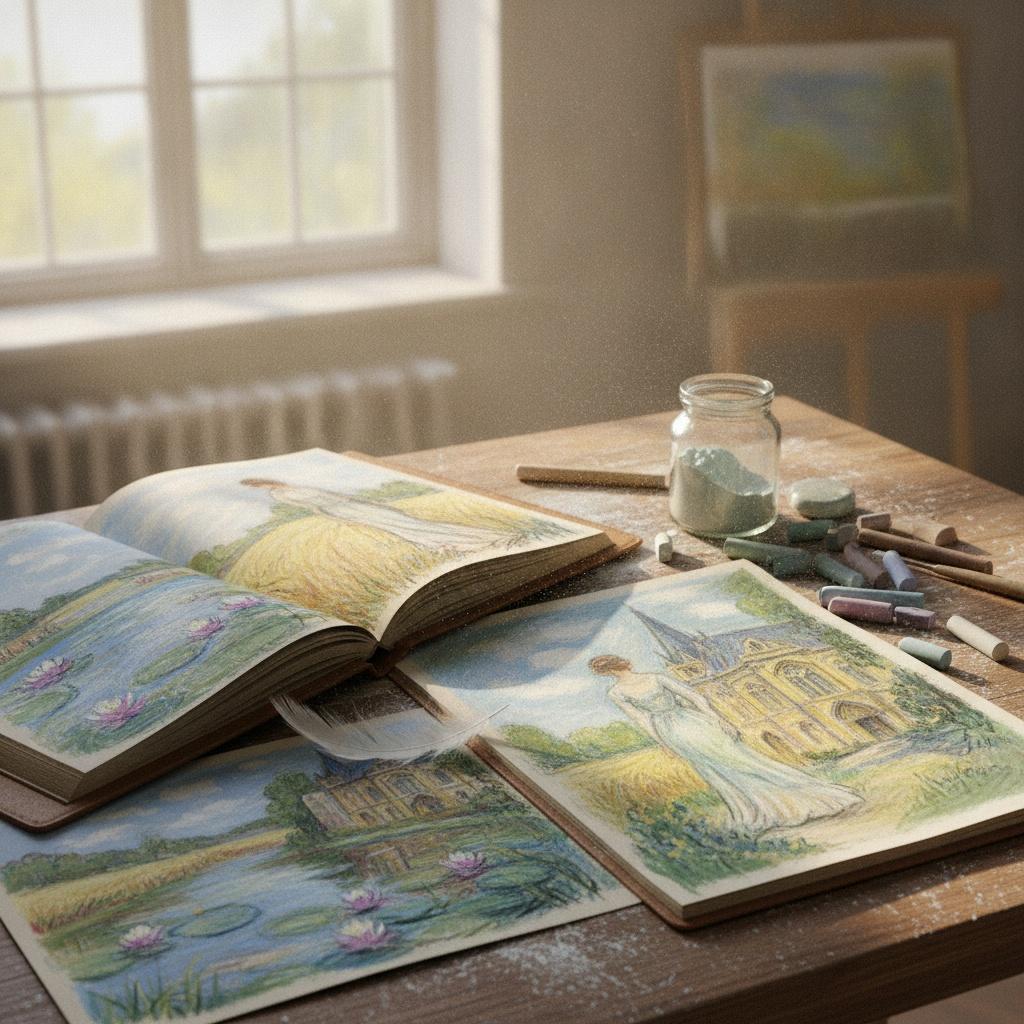
The Soft Magic of Chalk: Capturing Light, Texture, and the Ethereal Soul of Impressionist Masterpieces
Discover the ethereal beauty of pastel and chalk art. Explore how Impressionist masters like Van Gogh and Degas captured light and texture to create timeless, soulful masterpieces for the discerning collector.

The Soul of the Line: Discovering the Timeless Beauty and Emotional Depth of Graphite Art
Explore the profound beauty of graphite art. From the alchemy of carbon to the emotional depth of monochrome landscapes, discover how master artists use the eloquent line to capture light and soul in timeless pencil drawings.
Tyrinėkite meno kūrinius, suskirstytus pagal temas, stilius ir savybes.


