

 Peržiūrėti realaus dydžio版
 Pasidalinti
 Dalintis
 Išsamiau
 Vadovas

 Atsisiųsti
 Panašūs eksponatai
 Rentgeno spindulių nuotrauka
 Automatinė diorama
 问答
问答 Statistika
Spring in Kaunas


Experience the serene watercolor beauty of Spring in Kaunas by Mstislav Dobuzhinsky (1923), capturing spring's gentle spirit; discover this masterpiece today.
 Skaityti daugiau
Atraskite šiurpias Mstislav Dobužinskio miesto panoramas! Rusų ir lietuvių kilmės menininkas, garsėjantis miesto nykimo ir pramoninio gyvenimo ištrykdžiamu ekspresionistiniu menu.
Šiame puslapyje rodomas meno kūrinys yra saugomas autorių teisių įstatymais, todėl neturime teisės legaliai kurti ar parduoti jo identiškos reprodukcijos. Ši apsauga užtikrinama remiantis tokiais tarptautiniais susitarimais kaip Bernės konvencija ir pagal nacionalines įstatymų nuostatas, įskaitant tas, kurias nurodo JAV autoriškos teisės įstatymas – 17-asis skyrius.
Šis metodas visiškai atitinka autorių teises, nes jame nėra saugomo kūrinio kopijavimo ar dubliavimo. Tai yra kūrybinė reinterpretacija – naujas paveikslas, kurį įkvėpė originalas, tačiau kuris nėra jo identiškas.
Giclée / Meno spausdinimas
Muziejų lygio „giclée“ arba drobos spausdinimas: greita gamyba ir lankstios apdailos parinktys. ( Pirkti rankų darbo tapybą Perejti prie skaitmeninių vaizdų)




P118B €10

P118H €10

P118W €10

P438Z €10

P508JH €12

P508YH €12

P805H €10

P805Z €10

P919BZ €10

P919G €10

P919XJ €10

P959ZH €10

P968JZ €12

W106C €8

W218G €10

W218JH €8

W218Y €10

W307PJ €10

W316G €10

W316PJ €8

W316Y €10

W398PJ €8

W4111J €10

W500HY €15

W500JH €15

W692G €12

W849H €8

W940BG €15

W953PJ €8




Standartinis dydis
pagal užsakymą
CM
INCH
Pasirinkite iš mūsų nustatytų dydžių, atitinkančių originalaus meno kūrinio proporcijas.
Loading sizes...

plotis
aukštis
Įveskite jums reikiamą plotį ir aukštį, kad atvaizdas derėtų prie jūsų rėmo ar sienos. Spausdiną galima tik sumažinti, bet nepadidinti virš originalaus paveikslėlio dydžio, todėl keičiant proporcijas, dalis vaizdo prarandama. Prieš spausdinimą atsiųsime jums skaitmeninį maketą patvirtinimui. Šioje puslapio nuotraukoje matomas pjūvis nėra tikslus – jį rodo tik maketas.
Pristatymas visame pasaulyje () per 2 weeks, o ne įprastas 4/5 savaičių laikotarpis. (4 lapkritis)

Nemokamas greitasis pristatymas visame pasaulyje

Aukštos kokybės lininis drobė

Pilnas siuntimo draudimas

Muitinės mokesčių grąžinimo garantija

Tikro spalvų atitikimo garantija

100 dienų grąžinimo politika (tik esant įtaigoms)

100% pinigų grąžinimo garantija

Nuolaida dideliems užsakymams
 Stiklo variantas prieinamas tik pasirinkus dydį iki 110 cm

Spring in Kaunas
Giclée / Meno spausdinimas
Reprodukcijos matmenys
-


Bendroji kaina
€ 62
The Gentle Awakening: Capturing Spring's Spirit in Kaunas
Mstislav Dobuzhinsky’s 1923 watercolor, "Spring in Kaunas," is not merely a depiction of a season; it is an immersion into a moment of profound, quiet renewal. The painting washes over the viewer with the soft luminescence of early spring, transforming a specific landscape into a universal meditation on hope. One can almost feel the gentle warmth filtering through the air, carrying the scent of blossoming life. Dobuzhinsky masterfully captures this ephemeral quality, allowing the lush greens and delicate pastels to speak volumes about nature’s persistent cycle of rebirth.
A Symphony in Watercolor: Technique and Atmosphere
The technical brilliance of this piece lies in its handling of watercolor itself. The artist employs loose brushstrokes and translucent washes, techniques that lend the entire scene a breathy, atmospheric quality. There is no harsh edge; instead, colors bleed into one another—the blues meeting the pinks, the yellows mingling with various shades of green foliage. This blending creates depth while maintaining an ethereal softness. Compositionally, the eye is guided by the foreground fence, which acts as a subtle leading line drawing us deeper into the middle ground where trees and bushes undulate in organic forms. The background anchors this natural exuberance with the steadfast presence of Orthodox church spires, providing both scale and a counterpoint to the wildness of the flora.
Symbolism Woven into the Landscape
Beyond its immediate beauty, "Spring in Kaunas" resonates with deep symbolic weight. The blossoming flowers are the quintessential emblems of renewal, marking the passage from dormancy to vibrant life. Juxtaposed against this natural efflorescence is the prominent religious architecture. This pairing suggests a harmonious dialogue between the spiritual and the earthly—faith rooted deeply within the cycle of nature itself. It speaks to a tradition that finds its deepest meaning not in permanence, but in the continuous promise of return, the promise embodied by spring.
Echoes of Place and Time
While Dobuzhinsky is often known for his haunting explorations of urban decay, this work offers a beautiful counter-narrative. Painted in 1923, it captures a specific moment in the life of Kaunas, blending the enduring spirit of its culture with the vibrant energy of nature reclaiming space. The overall emotional impact is one of profound serenity mixed with an undeniable sense of anticipation—the hopeful sigh that accompanies the first truly warm day after a long winter. For collectors and designers alike, this piece offers not just decoration, but a palpable infusion of tranquil, optimistic energy into any space.
Klausimai ir atsakymai
Kam rekomenduojama „Spring in Kaunas“ – Mstislavas Dobužinskis reprodukcija?
Rekomenduojamas naudojimo būdas kūriniui „Spring in Kaunas“ – Mstislavas Dobužinskis yra Focal. Jis taip pat gali būti naudojamas kitoms paskritis.
Kaip meno kryptis ir epocha susilieja kūryboje „Spring in Kaunas“ – Mstislavas Dobužinskis?
„Spring in Kaunas“ – Mstislavas Dobužinskis priskiriamas Impressionism stiliui, kūrėjo prekiaujantem į Modernizmas laikotarpį.
Kam „Spring in Kaunas“ – Mstislavas Dobužinskis būtų tinkama dovana?
„Spring in Kaunas“ siūloma kaip dovana Seasonal Gift, atsižvelgiant į Focal.
panašūs kūriniai


Autoriaus biografija
Mstislav Valerianovičius Dobužinskis: Miesto žlugimo vizionierius
Mstislav Valerianovičius Dobužinskis (1875–1957) – vardas, galbūt mažiau pažįstamas nei kai kurių jo samtvorių – išlieka itin ryški ir jaudinanti figūra Rusijos meno istorijoje. Gimęs Naugorodode ir nešęs lietuvišką paveldą, jis sukūrė unikalų meninį balsą, apibūdinamą vaizdingu miesto žlugimo, pramoninių kraštolių ir modernumo psichologinės įtakos tyrimu. Jo kūrinys nėra tik gribujančių pastatų vaizdinimas; tai instinktyvus izoliacijos, nerimo ir nerado skambesio troškimo bei neramios grožio išraiška šviesų greitai besikeičiančiuose miestuose. Dobužinskio palikmas slypi jo gebėjime kasdienią XX amžiaus Rusijos realybę paversti itin išraiškingais paveikslais, kurie ir šiandien kelia emocinę atgmeną žiūrinčiams.Vėlyvas gyvenimas ir meninis mokymasis
Dabužinskio meninė kelionė prasidėjo skambiai, pradėjus nuo piešimo mokyklos Naugorode, vėliau jis studijavo teisėtką Imperiniame Sankt Peterburgos universitete, kartu užsiimdamas privačiu mokymusi. Šis dvigubas siekius atskleidžia nekaltą intelektualią smalsumą, kuris vėliau tapo jo kūrybos pagrindu. Svarbiausia, jis gavo oficialų mokymą iš žinomų Europos menininkų – Antono Ažbės Miunchene ir Simono Holosio Austrijoje – taip susipažindamas su augančia Jugendstil (Art Nouveau) ir kitų samtvorių įtaka. Šios ankstyvosios patirtys išformavo jo techninius įgūdžius ir suteikė platesnį meninį žodyną, kurį jis vėliau sujungė į savo išskirtinę stilių. Jo ryšys su „Mir iskusstva“ ratu – meno grupe, idealizavusia XVIII amžių kaip elegancijos ir rafinavimo aukso amžių – tapo lemiamu veiksnliu formuojant jo požiūrį į meno vaidmenį visuomenėje; tai buvo kryptis, kuri galiausiai paskatino jį susidurti su tamsiausiais modernaus miesto gyvenimo aspektais.Ekspresionistinis miesto peizažas
Meninis Dobužinskio proveržis įvyko tyrinėjant Rusijos miesto peizažus sparčios industrializacijos ir socialinių suirutės laikotarpiu. Atmetęs idealizuotus vaizdavimus, kuriuos mėgavo daugelis jo samtvorių, jis susikoncentruojo į grubiąją pramonės zonų, būstynių ir praismintų gatvių realybę. Jo paletėje dažnai dominavo tamsios rudos, pilkos ir gilios raudonos spalvos – spalvos, perteikiančios tiek fizinį nykstantį, tiek emocinį šių aplinkybių intensyvumą. Drastiškos linijos ir stiprūs kontrastai pabrėžė klaustrofobijos ir išgremztumo pojūtį, būgingą miesto egzistencijai. Jo darbai nėra tik architektūrinės transformacijos įrašas; tai tyrimas apie žmogaus būsenę tais erdvėmis – vienatvės, nevilties ir kovos už išlikimą nenuoliddno proto po dėde vaizdinys. Ekspresionizmo įtaka yra neabejotina, tačiau Dobužinskis sukūrė unikalią rusistišką jautrumą, išgudrintą jo asmeninių patirčių ir stebėjimų pagrimu.Palikimas ir istorinė reikšmė
Mstislav Dobužinskio kūryba turi didelę istorinę reikšmę kaip XX amžiaus pradžios Rusijos dokumentas. Jis įamžino lūžio momentą šalies transformacijos kelyje – perėjimą nuo agrarinio visuomenės prie pramoninio metropolio – ir pasi offered kritinę perspektyvą apie jo socialines bei psichologines pasekmes. Nekalbėtas miesto žlugimo vaizdavimas iššūkį metė įprastoms grožio ir pažangos sąvokoms, priversdamas žiūrovus susidurti su nemaloniomis modernumo tiesomis. Nors jo kūriniai gyvenimo metu galėjo nesiekti masinio šlovės, nuo tada jie buvo pripažinti kaip esminė indėlis į rusų ekspresionizmą ir galingas modernaus amžiaus nerimo bei neapibrėžtumo atspindys. Jo įtaka matoma ir vėlesnio paveikslų kūrėjų kartose, kurie toliau tyrinėjo miesto išgremztumo ir socialinės kritikos temas. Šiandien Dobužinskio vaizdingi miesto peizažai ir toliau skatina apmąstymus apie ryšį tarp žmogaus ir jo aplinkos, primindami mums amžiną meno galią apšviesti tiek grožį, tiek tamsą.
Mstislavas Dobužinskis
1875 - 1957 , Rusija
Trumpa informacija
- Gimimo Data: 1875 m. rugpjūčio 14 d.
- Gimimo Vieta: Novgorodas, Rusija
- Meninio Stiliaus Ar Krypties: Ekspresionizmas, miesto peizažai
- Meno Šalinį Įkvėpę Menininkai:
- Anton Ažbe
- Simon Hollósy
- Mirties Data: 1957 m. lapkričio 20 d.
- Tautybė: Rusų-lietuvių kilmės
- Vardas, Pavardė Ir Tėvystės Vardas: Mstislav Valerianovich Dobuzhinsky
- Šio Meno Šalinio Įkvėpė Pavadinimai Ar Judėjimai: ['Mir iskusstva']
- Žinomos Kūriniai:
- Širms
- Pskovas
- Spalio idilė
Susiję straipsniai
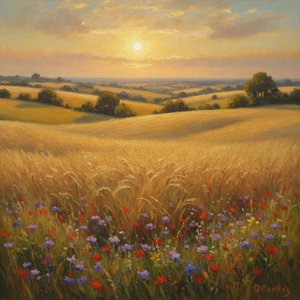
Golden Fields & Sun-Drenched Meadows: Capturing the Soul of Impressionist Landscapes
Immerse yourself in the luminous world of Impressionist landscapes. Discover how masters like Monet and Gauguin captured ephemeral light through plein air painting, and learn to bring the soul of sun-drenched meadows into your home with exquisite, hand-painted oil reproductions.

The Beauty of Impermanence: Capturing Decay through Impressionist Eyes
Explore the profound beauty of impermanence through Impressionist and Post-Impressionist eyes. Discover how masters like Monet and Van Gogh captured fleeting light and the poetic essence of nature's transitions in our deep dive into art history and emotional landscapes.

Capturing Light: The Ethereal Beauty and Timeless Legacy of Watercolor Landscapes
Embark on a visual journey through the ethereal beauty of watercolor landscapes. Discover how Impressionist masters captured light and emotion, and learn to bring this timeless, luminous elegance into your home with expert art curation and hand-painted reproductions.

Capturing the Soul: The Most Emotionally Moving Impressionist and Post-Impressionist Masterpieces
Discover the profound emotional depth of Impressionist and Post-Impressionist masterpieces. Explore how legends like Monet, Van Gogh, and Gauguin captured light and soul through evocative landscapes and vibrant brushwork for a timeless connection to art history.

Beyond the Light: Capturing Raw Emotion and Subjective Vision in Post-Impressionist Landscapes
Explore the profound emotional depth of Post-Impressionist landscapes. Discover how masters like Van Gogh moved beyond light to capture raw human feeling through vibrant color and expressive texture in this expert art history retrospective.