


 Peržiūrėti realaus dydžio版
 Siųsti
 Dalintis
 Išsamiau
 Gidas
Gidas

 Atsisiųsti
 Panašūs eksponatai
 Rentgeno spindulių nuotrauka
 Diaporama
 Statistika
Nude figure


Explore Picasso's 'Nude Figure,' an iconic work of Analytical Cubism. Witness the fragmentation and multiple perspectives that revolutionized modern art.
 Rodyti daugiau
Pablo Picasso (1881–1973) – revoliucinis ispanų dailininkas ir skulptorius, kubizmo pradininkas. Jo ikoniniuose darbuose, tokiuose kaip „Guernica“ ir „Les Demoiselles d'Avignon“, atsispindi modernaus meno esmė.
Giclée / Meno spausdinimas
Muziejų lygio „giclée“ arba drobos spausdinimas: greita gamyba ir lankstios apdailos parinktys. ( Pirkti rankomis tapytą reprodukciją Perejti prie skaitmeninių vaizdų)




P118B $10

P118H $10

P118W $10

P438Z $10

P508JH $12

P508YH $12

P805H $10

P805Z $10

P919BZ $10

P919G $10

P919XJ $10

P959ZH $10

P968JZ $12

W106C $8

W218G $10

W218JH $8

W218Y $10

W307PJ $10

W316G $10

W316PJ $8

W316Y $10

W398PJ $8

W4111J $10

W500HY $15

W500JH $15

W692G $12

W849H $8

W940BG $15

W953PJ $8




Standartinis
individualaus dydžio
CM
INCH
Pasirinkite iš mūsų nustatytų dydžių, atitinkančių originalaus meno kūrinio proporcijas.
Loading sizes...

plotis
aukštis
Galite nurodyti savo matmenis, kad vaizdas atitiktų konkretų rėmą ar erdvę. Jei pasirinktas dydis nesutaps su originalaus paveikslėlio proporcijomis, mes arba apkirpsime kūrinį, arba išplėsime vaizdą naudojant veideliu atspindėtą arba vientisą šoną. Skaitmeninis maketas bus išsiųstas jums patvirtinti prieš pradedant gamybą.
Atkreipkite dėmesį, kad ekrane matomas vaizdinys neatspindi tikrojo apkirpimo ar išplėtimo. Tik maketas tiksliai parodytų galutinę kompoziciją.
Nors galima rinktis ir individualius dydžius, rekomenduojame pasirinkti vieną iš išanksti nustatytų matmenų, kad būtų išlaikytos originalios proporcijos.
Pristatymas visame pasaulyje () per 2 weeks, o ne įprastas 4/5 savaičių laikotarpis. (25 rugsėjis)

Nemokamas greitasis pristatymas visame pasaulyje

Aukštos kokybės lininis drobė

Pilnas siuntimo draudimas

Muitinės mokesčių grąžinimo garantija

Tikro spalvų atitikimo garantija

100 dienų grąžinimo politika (tik esant įtaigoms)

100% pinigų grąžinimo garantija

Nuolaida dideliems užsakymams
 Stiklo variantas prieinamas tik pasirinkus dydį iki 110 cm

Nude figure
Giclée / Meno spausdinimas
Reprodukcijos dydis
-


Visų pasirinktų variantų kaina
$ 69
Nude Figure by Pablo Picasso: An Exploration of Analytical Cubism
- Artist: Pablo Picasso
- Date: 1910
- Medium: Oil on canvas
- Size: Unknown
- Location: Museum of Modern Art (MoMA), New York City
Subject and Style: Deconstructing Form in Analytical Cubism
Pablo Picasso's "Nude Figure" is a quintessential example of analytical cubism, a revolutionary art movement co-founded by Picasso and Georges Braque in the early 20th century. This period marked a significant departure from traditional artistic representation, moving away from single viewpoints and embracing a fragmented, multi-faceted perspective. The painting depicts a nude female figure, but rather than presenting her realistically, Picasso dissects her form into geometric shapes – cubes, cones, and cylinders – arranged in an overlapping, interlocking composition. This analytical approach aims to represent the subject's essence by showcasing it from multiple angles simultaneously, challenging the viewer’s perception of space and reality.
Technique and Historical Context: The Birth of a New Visual Language
Analytical cubism emerged as a response to the limitations of traditional perspective and the desire to depict the complexities of modern life. Picasso and Braque sought to break down objects into their constituent parts, analyzing them intellectually rather than representing them visually in a conventional manner. "Nude Figure" exemplifies this technique through its muted color palette – primarily browns, grays, and blacks – which further emphasizes the focus on form and structure over vibrant hues. The painting was created during a period of rapid technological advancement and social change, reflecting a broader shift towards abstraction and experimentation in art. It stands as a pivotal moment in the development of modern art, influencing countless artists who followed.
Symbolism and Emotional Impact: Beyond Representation
"Nude Figure" transcends mere representation; it explores the very nature of perception and reality. The fragmented form of the figure can be interpreted as symbolizing the instability and fragmentation of modern existence. While seemingly abstract, the painting evokes a sense of quiet contemplation and intellectual engagement. The absence of vibrant color and traditional beauty standards encourages viewers to focus on the underlying structure and geometry of the composition, prompting them to question their own assumptions about how we perceive the world. The work's emotional impact lies not in sentimental expression but in its ability to stimulate thought and challenge conventional artistic norms.
Legacy and Significance: A Cornerstone of Modern Art
“Nude Figure” remains a cornerstone of modern art, demonstrating Picasso’s groundbreaking contribution to the development of cubism. Its influence can be seen in subsequent movements such as Futurism and Constructivism. The painting's innovative approach to form, space, and perspective continues to inspire artists and captivate audiences worldwide. It serves as a powerful reminder of the transformative potential of art to challenge conventions, expand our understanding of reality, and provoke intellectual curiosity.
Autoriaus biografija
Pablo Picasso: Revoliucijos ir Inovacijų Simfonija
Pablo Ruiz y Picasso, vardas sinonimiškas meninės revoliucijos, gimė 1881 m. spalio 25 d. Malagoje, Ispanijoje. Legenda byloja, kad jo pirmieji ištarti žodžiai buvo „piz, piz“ – bandymas pasakyti „pieštukas“. Šis ankstyvas polinkis buvo puoselėjamas tėvo, José Ruiz y Blasco, dailininko ir meno mokytojo, kuris suteikė jaunajam Pabalui pagrindinį lavinimą. Tačiau mokinys netrukus pralenkė mokytoją, demonstruodamas nepaprastą gebėjimą natūraliai atvaizduoti, kas bylojo apie didelį talentą. Šeimos vėlesnis persikėlimas – pirmiausia į A Coruña, paskui į Barseloną – buvo pažymėti asmeninėmis tragedijomis, ypač sesers mirtimi, patirtys, kurios subtiliai paveiks jo vėlesnius darbus melancholiškais ir mirties temų motyvais. Net studijuodamas dailės mokykloje Barselonoje ir trumpai viešėdamas Karališkosios San Fernando akademijos Madride, Picasso nepritarė griežtiems akademinio lavinimo apribojimams, priešingai – jis norėjo pasinerti į tokių meistrų kaip Velázquez ir Goya kūrybą, formuodamas savo kelią link meninės naujovės.Nuo Liūdnų Mėlynių iki Rožinių Atspalvių
XX amžiaus pradžioje Pablo Picasso kūriniuose atsirado du išskirtiniai laikotarpiai: Mėlynasis periodas (apie 1901–1904 m.) ir Rožinis periodas (1904–1906 m.). Gimęs asmeninio vargo ir socialinių kančių supratimo, Mėlynasis periodas pasižymi paveikslais, kuriuose vyrauja niūrūs mėlyni ir mėlynai-žalios spalvos. Šiems kūriniams būdingos atstumtų figūrų – vargdienių, aklųjų, prostitutečių – atvaizdai, perteikti su giliu užuojauta, kalbančia apie vienatvės ir bejėgiškumo temas. „La Vie“ (1903 m.) ir „Senasis Gitaraistas“ (1903–1904 m.) yra skaudžiai paveikslai, atspindintys šį emocingą laikotarpį. Asmeninio gyvenimo pokyčiai, kartu su persikėlimu į Paryžių, paskatino Rožinio periodo atėjimo pradžią. Paletė ženkliai pašviesėjo, priimdama rožinius, oranžinius ir raudonus atspalvius, atspindėdami optimistiškesnį požiūrį. Šis periodas parodė susidomėjimą cirkų artistas – harlekinai, akrobatai ir šeimų trupės – figūromis, įkūnijančiomis tiek pažeidžiamumą, tiek atsparumą. „Saltimbančių Šeima“ (1905 m.) puikiai apibūdina šį perėjimą, numenantį būsimas stilių eksperimentus.Perspektyvos Sulaužymas: Kubizmas ir Tolesnės Evoliucijos
1907 metai pažymėjo svarų momentą meno istorijoje su „Les Demoiselles d'Avignon“ sukūrimu. Įkvėptas Iberijos skulptūrų ir Afrikos kaukių, šis inovatorius paveikslas sugriovė tradicinius perspektyvos ir atvaizdo principus. Tai buvo radikalus pasikeitimas, sąmoningas atmetimas šimtmečių senumo konvencijų, kuris atidarė kelią Kubismui. Bendradarbiaudamas su Georges Braque, Picasso įkūrė šį revoliucinį judėjimą, fundamentaliai pakeisdamas tai, kaip menininkai suvokia ir vaizduoja realybę. Analitinis Kubizmas (1909–1912 m.) apėmė objektų fragmentavimą į geometrines formas, atliktas niūrūs spalvas, tarsi išardant pačią formą. Vėliau tai pasidarė Sintetiniu Kubizmu (1912–1919 m.), kuriame buvo integruojami koliažo elementai – laikraščio iškarpos, audinio gabalai – pridėdami tekstūrą ir naujus vizualinius sudėtingumo sluoksnius. Picasso nesiekė tiesiog atvaizduoti pasaulį; jis norėjo jį dekonstruoti ir rekonstruoti savo sąlygomis.Neramus Eksperimentatorius: Neoklasicizmas, Surrealizmas ir Karas
1920-ieji metai parodė Pablo Picasso trumpą neoklasikinio stiliaus pažiūros laikotarpį, sukuriant monumentalų figūrų, atspindinčių klasikines formas, tačiau išlaikančius aiškiai modernią jautiklą. Tuo pat metu jis susidūrė su besivystančiu Surrealistų judėjimu, nors ir niekada visiškai neprisijungė prie jo principų. Šio laikotarpio darbai derino ankstesnius stilių įtakas su surrealistinėmis temomis ir iškreiptomis perspektyvomis, demonstruodamas jo nepailstingą eksperimentavimą. Ispanijos pilietinio karo siaubai giliai paveikė Picasso, sukeldami „Guernica“ (1937 m.) kūrinius – visceralų ir emocingą atsakymą į Guernikos bombardavimą. Šis monumentalus darbas tapo patvaria karo baisumų simboliu, stiprindamas Pablo Picasso vaidmenį ne tik kaip menininko, bet ir kaip galingos taikos ir socialinės teisingumo balso. 1950-ųjų ir 60-ųjų dešimtmečiais jis toliau stūmė ribas, tyrinėdama keramiką, skulptūrą ir grafikos technologijas su nepaprastu smalsumu ir įgūdžiu. Santuoka su Jacqueline Roque 1961 m. atnešė naują dimensiją jo asmeniniam gyvenimui ir meninei ekspresijai.Neprieinamas Poveikis
Pablo Picasso mirė 1973 m. balandžio 8 d. Mougins, Prancūzijoje, palikdamas neįtikėtiną kūrinių rinkinį – daugiau kaip 50 000 darbų – kurie ir toliau žavi ir įkvepia. Jo meninė raida buvo formavusi įvairių įtakų, nuo ispanų meistrų kaip Velázquez ir Goya iki Iberijos skulptūrų, Afrikos meno ir Henri Matisse ryškių spalvų paletės. Jo poveikis XX amžiaus menui yra neįvertinamas. Jis įkūrė Kubizmą, pionierius koliažo ir konstruojamosios skulptūros, ir nuolat išbandydavo meno konvencijas. Pablo Picasso nepailstantis eksperimentavimas perėjo modernųjį meną, palikdamas nepagingusį įspūdį visoms kartoms menininkų ir patvirtindamas savo padėtį kaip vieną svarbiausių ir įtakingiausių figūrų istorijoje. Jo palikimas tęsiasi už drobės ribų, atsiliepiantis daugybėje šiuolaikinės kultūros aspektų ir primenantis meno vizijos transformuojančią galią.
Pablas Pikasas
1881 - 1973 , Ispanija
Trumpa informacija apie kūrėją
- Artistic Movement Or Style: Kubizmas, Surrealizmas
- Artists Or Movements Influenced By This Artist:
- Kubizmas
- Modernus menas
- Artists Who Influenced This Artist:
- Velázquez
- Goya
- Matisse
- Date Of Birth: 1881 m. spalio 25 d.
- Date Of Death: 1973 m. balandžio 8 d.
- Full Name: Pablo Diego José Ruiz Picasso
- Nationality: Ispanas
- Notable Artworks:
- Les Demoiselles d'Avignon
- Guernica
- The Old Guitarist
- La Vie
- Family of Saltimbanques
- Place Of Birth: Malaga, Ispanija
Susiję straipsniai

Pablo Picasso: A Revolutionary Vision – Cubism, Symbolism & Enduring Legacy
Explore the revolutionary art of Pablo Picasso with TopImpressionists.com. Discover Cubism's origins, symbolism in his masterpieces & investment insights for collectors. Expert appraisal & custom reproductions available.
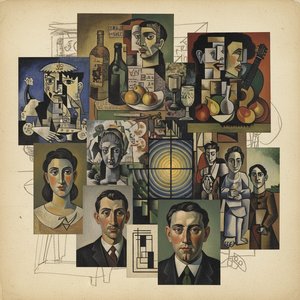
Cubism's Revolution: 10 Masterpieces That Redefined Modern Art | TopImpressionists
Explore 10 Cubist masterpieces by Picasso, Braque & more! Delve into the history of this revolutionary art movement. Find museum-quality reproductions and elevate your home decor with TopImpressionists. Discover all masterpieces on TopImpressionists.com

Cubist Expression: 10 Masterpieces That Revolutionized Modern Art | TopImpressionists
Explore 10 Cubist masterpieces by Picasso, Braque & more! Discover the stories behind these revolutionary paintings and their impact on modern art. Find museum-quality reproductions for your home at TopImpressionists.com – where art comes to life.

Cubist Portraits: 10 Masterpieces That Revolutionized Art | TopImpressionists
Explore 10 revolutionary Cubist portraits by Picasso, Braque & more! Discover the stories behind these iconic paintings and how they shaped modern art. Find museum-quality reproductions to elevate your home decor on TopImpressionists.com.

Cubism Unveiled: How Picasso and Braque Redefined Reality Through Geometric Abstraction
Explore the revolutionary world of Cubism. Discover how masters Pablo Picasso and Georges Braque dismantled reality through geometric abstraction to redefine modern art history.
Tyrinėkite meno kūrinius, suskirstytus pagal temas, stilius ir savybes.


