


 Peržiūrėti realaus dydžio版
 Siųsti
 Dalintis
 Išsamiau
 Vadovas

 Atsisiųsti
 Panašūs eksponatai
 Rentgeno spindulių nuotrauka
 Diaporama
 Statistika
Untitled (30)
 Oil On Canvas
- WallArt
- Naive Art / Primitivism
 1958
1958 46.0 x 55.0 cm
 Rodyti daugiau
Pablo Picasso (1881–1973) – revoliucinis ispanų dailininkas ir skulptorius, kubizmo pradininkas bei įvairių stilių meistras. Jo ikoniniai darbai, tokie kaip „Guernica“, visciąż įkvepia milijonus žmonių.
Šiame puslapyje rodomas meno kūrinys yra saugomas autorių teisių įstatymais, todėl neturime teisės legaliai kurti ar parduoti jo identiškos reprodukcijos. Ši apsauga užtikrinama remiantis tokiais tarptautiniais susitarimais kaip Bernės konvencija ir pagal nacionalines įstatymų nuostatas, įskaitant tas, kurias nurodo JAV autoriškos teisės įstatymas – 17-asis skyrius.
Kaip pagarbią ir teisėtą alternatyvą, mes siūlome pagal užsakymą rankomis dažytus paveikslus, įkvėptus originalo. Mūsų įgudę ir profesionalūs menininkai kruopščiai tiria originalo stilių, nuotaiką ir meninę esmę, kad sukurtų naują, unikalią kūrinį, kuris sukelia tą paties jausmą – išlikdamas tuo tarciau originaliu, savarankišku kūrybiniu darbu.
Šis metodas visiškai atitinka autorių teises, nes jame nėra kūrinio kopijavimo ar dubliavimo. Tai yra kūrybinė reinterpretacija – naujas paveikslas, kurį įkvėpė originalas, tačiau kuris nėra jo identiškas.
Rankų darbo aliejinės reprodukcijos
Rankiniu būdu tapytas aliejus ant droblio jūsų pageidaujamame dydį ir rėmuose – mūsų menininkų darbas pagal užsakymą. ( Perjungti į spausdinimą Perejti prie skaitmeninių vaizdų)




P118B €10

P118H €10

P118W €10

P438Z €10

P508JH €12

P508YH €12

P805H €10

P805Z €10

P919BZ €10

P919G €10

P919XJ €10

P959ZH €10

P968JZ €12

W106C €8

W218G €10

W218JH €8

W218Y €10

W307PJ €10

W316G €10

W316PJ €8

W316Y €10

W398PJ €8

W4111J €10

W500HY €15

W500JH €15

W692G €12

W849H €8

W940BG €15

W953PJ €8




Standartinis
individualaus dydžio
CM
INCH
Pasirinkite iš mūsų nustatytų dydžių, atitinkančių originalaus meno kūrinio proporcijas.
Loading sizes...

plotis
aukštis
Įveskite jums reikiamą plotį ir aukštį, kad paveikslas atitiktų jūsų rėmą ar sieną. Kadangi šis darbas yra rankinio darbo, siekiant išgauti kitokio formos dydį, paveikslas gali būti šiek tiek didesnis (nuo kraštų bus palikta daugiau erdvės) arba mažesnis – pasirinkite jums patogiausią variantą. Prieš pradedant tapyti, atsiųsime jums skaitmeninį maketą patvirtinimui. Šioje puslapio nuotraukoje matomas vaizdas nėra galutinis rezultatas – jį parodys tik sukurtas maketas.
Ką galima pakeisti (pavyzdžiai): Pakeisti veidą į kliento nuotrauką; Pridėti augintinį (pvz., pakeisti katę šunimi); Įtraukti paslėptą žinutę fone; Pakeisti fono kraštovaizdį ar elementus.
Gavus užsakymą, TopImpressionists.com komanda susisieks su klientu el. paštu dėl instrukcijų ir pateiks maketo pavyzdį
Gavus užsakymą, TopImpressionists.com komanda susisieks su klientu el. paštu dėl instrukcijų ir pateiks maketo pavyzdį
Pristatymas visame pasaulyje () per 3–4 savaites, o ne įprastai – per 5 savaites. (23 spalis). Kokybė lieka nepakeičiama.

Nemokamas greitasis pristatymas visame pasaulyje

Aukštos kokybės lininis drobė

Pilnas siuntimo draudimas

Muitinės mokesčių grąžinimo garantija

Tikro spalvų atitikimo garantija

100 dienų grąžinimo politika (tik esant įtaigoms)

100% pinigų grąžinimo garantija

Nuolaida dideliems užsakymams
 Stiklo variantas prieinamas tik pasirinkus dydį iki 110 cm

Untitled (30)
Reprodukcijos technika
Reprodukcijos dydis
-


Visų pasirinktų variantų kaina
€ 236
Pablo Picasso’s “Untitled (30): A Window into Primitivism
Pablo Picasso's "Untitled (30)," painted in 1958, isn’t merely a landscape; it’s an invitation to step through a portal into the artist’s deeply personal and remarkably consistent exploration of Naive Art. This work, rendered in oil on canvas measuring 46 x 55 cm, exemplifies Picasso's late-career fascination with a style that deliberately eschews academic training and embraces directness – a deliberate rejection of the complexities often associated with Western art traditions. The painting depicts a serene field punctuated by trees receding into a hazy distance, anchored by a simple, almost childlike building nestled amongst them. Yet, within this apparent simplicity lies a profound emotional resonance, a testament to Picasso’s ability to distill experience and feeling into its most essential elements.
Classified as belonging to the Naive Art or Primitivism movement, “Untitled (30)” reflects a deliberate return to a perceived ‘primitive’ approach. This wasn't about mimicking actual primitive art; rather, Picasso sought to capture the uninhibited expressiveness and lack of conscious self-awareness found in untrained artists – an intentional departure from the highly stylized and intellectualized approaches prevalent in much of 20th-century European painting. The bold colors—a vibrant green for the field, a warm yellow for the trees, punctuated by flashes of red, blue, and orange—are applied with broad, confident strokes, creating a sense of immediacy and raw energy. There’s no attempt at meticulous detail or realistic representation; instead, Picasso prioritizes conveying feeling through color and form.
Composition and the Illusion of Depth
The composition of “Untitled (30)” is deceptively straightforward. The field stretches horizontally across the canvas, drawing the eye into the distance where the trees gradually diminish in size. This creates a convincing sense of perspective, achieved not through complex linear techniques but through the skillful manipulation of color and value—lighter shades suggesting greater distance. The inclusion of the building in the background adds another layer to this illusion of depth, grounding the scene and providing a focal point for the viewer’s gaze. It's a subtle detail that elevates the painting beyond a simple depiction of nature, hinting at human presence within the landscape.
Picasso’s use of color is particularly noteworthy. He employs a palette that feels both familiar and slightly unsettling—a deliberate choice to evoke a sense of nostalgia or perhaps even unease. The colors aren't blended smoothly; instead, they are applied in distinct blocks, creating sharp contrasts and adding visual intensity. This technique contributes to the painting’s overall feeling of directness and immediacy, as if the artist has simply laid down his colors without hesitation or refinement.
A Bridge Between Styles: Picasso’s Experimentation
“Untitled (30)” is part of a larger body of work that demonstrates Picasso's ongoing exploration of Naive Art. He had been drawn to this style throughout his career, often using it as a means of self-expression and experimentation. Works like “Untitled (29),” “Untitled (39),” and “Untitled (43)” – all readily available for reproduction on TopImpressionists.com – share similar characteristics with "Untitled (30)" in terms of color palette, simplified forms, and a focus on emotional impact. These pieces reveal a consistent thread throughout Picasso’s artistic journey—a desire to break free from the constraints of academic tradition and explore new ways of representing the world.
Interestingly, Picasso's engagement with Naive Art wasn’t purely stylistic; it was also deeply philosophical. He saw in this style a purity of expression that he felt had been lost in Western art. By embracing the simplicity and directness of untrained artists, Picasso sought to reconnect with a more fundamental mode of artistic creation – one rooted in instinct and emotion rather than intellect and technique.
The Enduring Appeal: A Window into the Soul
“Untitled (30)” is more than just a pretty picture; it’s a window into the soul of one of the 20th century's most influential artists. Its enduring appeal lies in its ability to evoke a sense of peace and tranquility, while simultaneously hinting at deeper emotional currents. The painting’s simplicity belies a remarkable depth of feeling, inviting viewers to contemplate the relationship between nature, humanity, and the creative spirit. For those seeking a piece that embodies both artistic mastery and profound emotional resonance, TopImpressionists.com offers exceptional, hand-painted reproductions of “Untitled (30)” – allowing you to bring this captivating work into your own space.
Resources for Further Exploration: Pablo Picasso: Untitled (29), Pablo Picasso: Untitled (39), and The Naïve Art (Primitivism) Art Movement. Pablo Picasso on Wikipedia
问答 (or more naturally for a website heading): Klausimai ir atsakymai
Kokia technika buvo panaudota kūriniam darbui „Untitled (30)“, autorius – Pablo Pikaso?
„Untitled (30)“ sukurta naudojant Oil On Canvas.
Kaip „Untitled (30)“ subalansuoja šviesą ir tamsą?
„Untitled (30)“, autorius – Pablo Pikaso įrašytas kaip balanced, turintis Soft Shadow apšvietimo.
Ar „Untitled (30)“ yra būdingas tam, ką Pablo Pikaso paprastai kūrė?
Dažniausios Pablo Pikaso temas apima expressionist roots, spanish civil war echoes, exploration of simplicity, experimentation with style, part of naive art series, picasso's late period works; kūrinys „Untitled (30)“ susitelkia į field, trees, building, landscape, color palette, picasso, naive art.
Susiję kūriniai


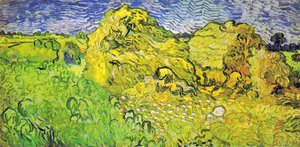
![Mountains At Saint-remy [1889] — Vincentas Van Gogas, Post-impressionism](/media/artworks/images-thumb/df/6c/df6c275b8bed8ab1ba3b1aead3acea1b.jpg)



Autoriaus biografija
Pablo Picasso: Revoliucijos ir Inovacijų Simfonija
Pablo Ruiz y Picasso, vardas sinonimiškas meninės revoliucijos, gimė 1881 m. spalio 25 d. Malagoje, Ispanijoje. Legenda byloja, kad jo pirmieji ištarti žodžiai buvo „piz, piz“ – bandymas pasakyti „pieštukas“. Šis ankstyvas polinkis buvo puoselėjamas tėvo, José Ruiz y Blasco, dailininko ir meno mokytojo, kuris suteikė jaunajam Pabalui pagrindinį lavinimą. Tačiau mokinys netrukus pralenkė mokytoją, demonstruodamas nepaprastą gebėjimą natūraliai atvaizduoti, kas bylojo apie didelį talentą. Šeimos vėlesnis persikėlimas – pirmiausia į A Coruña, paskui į Barseloną – buvo pažymėti asmeninėmis tragedijomis, ypač sesers mirtimi, patirtys, kurios subtiliai paveiks jo vėlesnius darbus melancholiškais ir mirties temų motyvais. Net studijuodamas dailės mokykloje Barselonoje ir trumpai viešėdamas Karališkosios San Fernando akademijos Madride, Picasso nepritarė griežtiems akademinio lavinimo apribojimams, priešingai – jis norėjo pasinerti į tokių meistrų kaip Velázquez ir Goya kūrybą, formuodamas savo kelią link meninės naujovės.Nuo Liūdnų Mėlynių iki Rožinių Atspalvių
XX amžiaus pradžioje Pablo Picasso kūriniuose atsirado du išskirtiniai laikotarpiai: Mėlynasis periodas (apie 1901–1904 m.) ir Rožinis periodas (1904–1906 m.). Gimęs asmeninio vargo ir socialinių kančių supratimo, Mėlynasis periodas pasižymi paveikslais, kuriuose vyrauja niūrūs mėlyni ir mėlynai-žalios spalvos. Šiems kūriniams būdingos atstumtų figūrų – vargdienių, aklųjų, prostitutečių – atvaizdai, perteikti su giliu užuojauta, kalbančia apie vienatvės ir bejėgiškumo temas. „La Vie“ (1903 m.) ir „Senasis Gitaraistas“ (1903–1904 m.) yra skaudžiai paveikslai, atspindintys šį emocingą laikotarpį. Asmeninio gyvenimo pokyčiai, kartu su persikėlimu į Paryžių, paskatino Rožinio periodo atėjimo pradžią. Paletė ženkliai pašviesėjo, priimdama rožinius, oranžinius ir raudonus atspalvius, atspindėdami optimistiškesnį požiūrį. Šis periodas parodė susidomėjimą cirkų artistas – harlekinai, akrobatai ir šeimų trupės – figūromis, įkūnijančiomis tiek pažeidžiamumą, tiek atsparumą. „Saltimbančių Šeima“ (1905 m.) puikiai apibūdina šį perėjimą, numenantį būsimas stilių eksperimentus.Perspektyvos Sulaužymas: Kubizmas ir Tolesnės Evoliucijos
1907 metai pažymėjo svarų momentą meno istorijoje su „Les Demoiselles d'Avignon“ sukūrimu. Įkvėptas Iberijos skulptūrų ir Afrikos kaukių, šis inovatorius paveikslas sugriovė tradicinius perspektyvos ir atvaizdo principus. Tai buvo radikalus pasikeitimas, sąmoningas atmetimas šimtmečių senumo konvencijų, kuris atidarė kelią Kubismui. Bendradarbiaudamas su Georges Braque, Picasso įkūrė šį revoliucinį judėjimą, fundamentaliai pakeisdamas tai, kaip menininkai suvokia ir vaizduoja realybę. Analitinis Kubizmas (1909–1912 m.) apėmė objektų fragmentavimą į geometrines formas, atliktas niūrūs spalvas, tarsi išardant pačią formą. Vėliau tai pasidarė Sintetiniu Kubizmu (1912–1919 m.), kuriame buvo integruojami koliažo elementai – laikraščio iškarpos, audinio gabalai – pridėdami tekstūrą ir naujus vizualinius sudėtingumo sluoksnius. Picasso nesiekė tiesiog atvaizduoti pasaulį; jis norėjo jį dekonstruoti ir rekonstruoti savo sąlygomis.Neramus Eksperimentatorius: Neoklasicizmas, Surrealizmas ir Karas
1920-ieji metai parodė Pablo Picasso trumpą neoklasikinio stiliaus pažiūros laikotarpį, sukuriant monumentalų figūrų, atspindinčių klasikines formas, tačiau išlaikančius aiškiai modernią jautiklą. Tuo pat metu jis susidūrė su besivystančiu Surrealistų judėjimu, nors ir niekada visiškai neprisijungė prie jo principų. Šio laikotarpio darbai derino ankstesnius stilių įtakas su surrealistinėmis temomis ir iškreiptomis perspektyvomis, demonstruodamas jo nepailstingą eksperimentavimą. Ispanijos pilietinio karo siaubai giliai paveikė Picasso, sukeldami „Guernica“ (1937 m.) kūrinius – visceralų ir emocingą atsakymą į Guernikos bombardavimą. Šis monumentalus darbas tapo patvaria karo baisumų simboliu, stiprindamas Pablo Picasso vaidmenį ne tik kaip menininko, bet ir kaip galingos taikos ir socialinės teisingumo balso. 1950-ųjų ir 60-ųjų dešimtmečiais jis toliau stūmė ribas, tyrinėdama keramiką, skulptūrą ir grafikos technologijas su nepaprastu smalsumu ir įgūdžiu. Santuoka su Jacqueline Roque 1961 m. atnešė naują dimensiją jo asmeniniam gyvenimui ir meninei ekspresijai.Neprieinamas Poveikis
Pablo Picasso mirė 1973 m. balandžio 8 d. Mougins, Prancūzijoje, palikdamas neįtikėtiną kūrinių rinkinį – daugiau kaip 50 000 darbų – kurie ir toliau žavi ir įkvepia. Jo meninė raida buvo formavusi įvairių įtakų, nuo ispanų meistrų kaip Velázquez ir Goya iki Iberijos skulptūrų, Afrikos meno ir Henri Matisse ryškių spalvų paletės. Jo poveikis XX amžiaus menui yra neįvertinamas. Jis įkūrė Kubizmą, pionierius koliažo ir konstruojamosios skulptūros, ir nuolat išbandydavo meno konvencijas. Pablo Picasso nepailstantis eksperimentavimas perėjo modernųjį meną, palikdamas nepagingusį įspūdį visoms kartoms menininkų ir patvirtindamas savo padėtį kaip vieną svarbiausių ir įtakingiausių figūrų istorijoje. Jo palikimas tęsiasi už drobės ribų, atsiliepiantis daugybėje šiuolaikinės kultūros aspektų ir primenantis meno vizijos transformuojančią galią.
Pablo Pikaso
1881 - 1973 , Ispanija
Trumpa informacija apie kūrėją
- Artistic Movement Or Style: Kubizmas, Surrealizmas
- Artists Or Movements Influenced By This Artist:
- Kubizmas
- Modernus menas
- Artists Who Influenced This Artist:
- Velázquez
- Goya
- Matisse
- Date Of Birth: 1881 m. spalio 25 d.
- Date Of Death: 1973 m. balandžio 8 d.
- Full Name: Pablo Diego José Ruiz Picasso
- Nationality: Ispanas
- Notable Artworks:
- Les Demoiselles d'Avignon
- Guernica
- The Old Guitarist
- La Vie
- Family of Saltimbanques
- Place Of Birth: Malaga, Ispanija
Susiję straipsniai
Cubism's Revolution: 10 Masterpieces That Redefined Modern Art | TopImpressionists
Explore 10 Cubist masterpieces by Picasso, Braque & more! Delve into the history of this revolutionary art movement. Find museum-quality reproductions and elevate your home decor with TopImpressionists. Discover all masterpieces on TopImpressionists.com

Cubist Expression: 10 Masterpieces That Revolutionized Modern Art | TopImpressionists
Explore 10 Cubist masterpieces by Picasso, Braque & more! Discover the stories behind these revolutionary paintings and their impact on modern art. Find museum-quality reproductions for your home at TopImpressionists.com – where art comes to life.

10 Romantinių Peizažų Simbolių: Tapybos Majestatės Viršūnės
Atraskite 10 legendinių romantinio peizažo kūrinių! Pasinerkite į Claude Lorrain, Caspar David Friedrich ir J.M.W. Turner genijaus pasaulį. Išmokite apie tapybos meistriškumą bei gamtos grožį. Aukščiausios kokybės meno reprodukcijos – TopImpressionists.com. Tyrinėkite kolekciją!

Cubist Portraits: 10 Masterpieces That Revolutionized Art | TopImpressionists
Explore 10 revolutionary Cubist portraits by Picasso, Braque & more! Discover the stories behind these iconic paintings and how they shaped modern art. Find museum-quality reproductions to elevate your home decor on TopImpressionists.com.

The Untamed Vision: Exploring Naïve Art & Primitivism's Rejection of Convention
Explore the revolutionary world of Naïve Art & Primitivism! Discover how artists challenged academic traditions with raw emotion & unique styles. Learn about Picasso, Rousseau & more at TopImpressionists.
Tyrinėkite meno kūrinius, suskirstytus pagal temas, stilius ir savybes.


