


 Peržiūrėti realaus dydžio版
 Siųsti
 Dalintis
 Išsamiau
 Vadovas

 Atsisiųsti
 Panašūs eksponatai
 Rentgeno spindulių nuotrauka
 Diaporama
 Statistika
The Obstpfluckerin
 Oil On Canvas
- WallArt
- Post-Impressionism
 1877
1877- 19th Century
 15.0 x 22.0 cm
Discover Paul Cézanne's 'The Obstpfluckerin,' a vibrant post-impressionist masterpiece capturing rural life with bold colors and innovative perspective. Explore its dynamic composition & influence on modern art.
 Rodyti daugiau
Paul Cézanne (1839–1906) – postimpresionistų pradininkas, jungiantis impresionizmą ir kubizmą. Tyrė geometrines formas, stilizuotus peizažus bei paveikslų kompozicijas, sukeldamas revoliuciją moderniajame mene.
Rankų darbo aliejinės reprodukcijos
Rankiniu būdu tapytas aliejus ant droblio jūsų pageidaujamame dydį ir rėmuose – mūsų menininkų darbas pagal užsakymą. ( Perjungti į spausdinimą Perejti prie skaitmeninių vaizdų)




P118B €10

P118H €10

P118W €10

P438Z €10

P508JH €12

P508YH €12

P805H €10

P805Z €10

P919BZ €10

P919G €10

P919XJ €10

P959ZH €10

P968JZ €12

W106C €8

W218G €10

W218JH €8

W218Y €10

W307PJ €10

W316G €10

W316PJ €8

W316Y €10

W398PJ €8

W4111J €10

W500HY €15

W500JH €15

W692G €12

W849H €8

W940BG €15

W953PJ €8




Standartinis
individualaus dydžio
CM
INCH
Pasirinkite iš mūsų nustatytų dydžių, atitinkančių originalaus meno kūrinio proporcijas.
Loading sizes...

plotis
aukštis
Įveskite jums reikiamą plotį ir aukštį, kad paveikslas atitiktų jūsų rėmą ar sieną. Kadangi šis darbas yra rankinio darbo, siekiant išgauti kitokio formos dydį, paveikslas gali būti šiek tiek didesnis (nuo kraštų bus palikta daugiau erdvės) arba mažesnis – pasirinkite jums patogiausią variantą. Prieš pradedant tapyti, atsiųsime jums skaitmeninį maketą patvirtinimui. Šioje puslapio nuotraukoje matomas vaizdas nėra galutinis rezultatas – jį parodys tik sukurtas maketas.
Ką galima pakeisti (pavyzdžiai): Pakeisti veidą į kliento nuotrauką; Pridėti augintinį (pvz., pakeisti katę šunimi); Įtraukti paslėptą žinutę fone; Pakeisti fono kraštovaizdį ar elementus.
Gavus užsakymą, TopImpressionists.com komanda susisieks su klientu el. paštu dėl instrukcijų ir pateiks maketo pavyzdį
Gavus užsakymą, TopImpressionists.com komanda susisieks su klientu el. paštu dėl instrukcijų ir pateiks maketo pavyzdį
Pristatymas visame pasaulyje () per 3–4 savaites, o ne įprastai – per 5 savaites. (25 spalis). Kokybė lieka nepakeičiama.

Nemokamas greitasis pristatymas visame pasaulyje

Aukštos kokybės lininis drobė

Pilnas siuntimo draudimas

Muitinės mokesčių grąžinimo garantija

Tikro spalvų atitikimo garantija

100 dienų grąžinimo politika (tik esant įtaigoms)

100% pinigų grąžinimo garantija

Nuolaida dideliems užsakymams
 Stiklo variantas prieinamas tik pasirinkus dydį iki 110 cm

The Obstpfluckerin
Reprodukcijos technika
Reprodukcijos dydis
-


Visų pasirinktų variantų kaina
€ 236
The Obstpfluckerin: A Glimpse into Cezanne’s Revolutionary Vision
Paul Cézanne's The Obstpfluckerin (1877) isn’t merely a depiction of rural life; it’s a pivotal moment in art history, a carefully constructed tableau that presaged the radical shifts of modernism. This intimate oil on canvas, measuring just 15 x 22 centimeters, offers a profound meditation on form, space, and the very essence of observation – qualities that would profoundly influence generations of artists to come. Cezanne, already wrestling with the limitations of Impressionism’s fleeting effects, sought to capture not just what he *saw*, but how he *felt* about what he saw, a deeply personal engagement with the world translated onto canvas.
The scene unfolds in a sun-drenched meadow, dominated by the warm hues of grass and foliage. Two figures, rendered with an almost sculptural quality, are engaged in the simple act of harvesting fruit – a commonplace activity elevated to a subject of intense artistic scrutiny. One man, holding a ball, gestures towards another who wears a hat, creating a subtle dynamic tension within the composition. A third figure, riding a horse in the background, adds depth and spatial complexity, hinting at a larger world beyond the immediate foreground. Notice how Cézanne deliberately avoids sharp outlines or photographic realism; instead, he employs broken brushstrokes and overlapping planes of color to create an illusion of three-dimensionality – a technique that would become central to Cubism.
Post-Impressionism: A Reaction and a Revolution
The Obstpfluckerin firmly establishes Cézanne as a key figure in the Post-Impressionist movement. Emerging roughly between 1886 and 1905, this artistic current represented a deliberate departure from the Impressionists’ focus on capturing transient light and color. While Impressionists sought to represent the *impression* of a scene, Cézanne and his contemporaries – including Van Gogh and Gauguin – were driven by a desire to explore underlying structures, emotional resonance, and subjective experience. They utilized bold colors, distorted forms, and simplified compositions to convey their individual perspectives on reality. Cézanne’s work, in particular, moved beyond mere observation towards an active engagement with the subject matter, transforming it into a vehicle for expressing his own artistic vision.
Consider Cézanne's approach to perspective – he deliberately flattened space and manipulated viewpoints, creating a sense of visual ambiguity. This wasn’t simply a stylistic choice; it reflected his belief that art should represent not just what is seen, but how the eye *perceives* it. The painting’s composition feels simultaneously grounded in reality and imbued with Cézanne's unique sensibility – a testament to his revolutionary approach to artistic representation.
Symbolism and Emotional Resonance
Beyond its formal innovations, The Obstpfluckerin resonates with a quiet sense of human connection. The figures, though anonymous, seem engaged in a shared activity, suggesting a community bound by labor and tradition. The bright colors evoke the warmth of summer and the bounty of nature, while the muted tones of the background create a sense of distance and contemplation. Cézanne’s deliberate use of color isn't merely decorative; it serves to heighten the emotional impact of the scene, inviting viewers to contemplate the beauty and simplicity of everyday life.
The painting can be interpreted as an exploration of the relationship between humanity and nature – a theme that was central to Cézanne’s artistic concerns. He sought to capture not just the outward appearance of the natural world, but also its underlying essence, its inherent dignity and power. The Obstpfluckerin is therefore more than just a depiction of fruit pickers; it's a profound meditation on the human condition and our place within the larger tapestry of existence.
A Legacy in Modern Art
Cézanne’s influence extends far beyond his own time. His groundbreaking approach to form, color, and perspective paved the way for Cubism, Fauvism, and countless other modern art movements. Artists like Picasso and Matisse were deeply indebted to Cézanne's innovations, recognizing in his work a radical departure from traditional artistic conventions. The Obstpfluckerin stands as a powerful reminder of Cézanne’s pivotal role in shaping the course of art history – a testament to the enduring power of observation, emotion, and artistic vision.
问答 (or more naturally for a website heading): Klausimai ir atsakymai
Koks kontrastas pasižymi kūrinys „The Obstpfluckerin“, autorius – Polis Sezanas?
„The Obstpfluckerin“, autorius – Polis Sezanas pasižymi Bold kontrastu tarp švesių ir tamsių paviršių.
Kokio formos ir kokie išmatavimai turi „The Obstpfluckerin“, autorius – Polis Sezanas?
„The Obstpfluckerin“ formatas yra Landscape, o originalo matmenys yra 15 x 22 cm. Abu šie duomenys yra naudingi planuojant reprodukciją.
Kur galiu rasti statistiką apie „The Obstpfluckerin“, autorius – Polis Sezanas?
Eksistuoja Statistika puslapis kūriniui „The Obstpfluckerin“. Jame pateikiama mėnesio apžiūrų diagrama, apimanti šį kūrinį bei kitus šio kūrybinio veikėjo darbus, su skirstymu pagal šalis ir kalbas.
Susiję kūriniai


Autoriaus biografija
Paul Cézanne: Modernumo Tėvo Vizija
Paulis Sezanas, gimęs 1839 m. sausio 19 d. Ekse, Prancūzijoje, stovi kaip monumentalus veikėjas, jungiantis trumpalaikius įspūdžius, būdingus impresionizmui, ir fragmentuotas formas, kurias atstovauja kubizmas. Jo kelionė nebuvo greita sėkmės istorija; tai buvo lėtas meninės ekspresijos procesas, pažymėtas savęs abejonėmis ir kritikos atmetimu, galiausiai sukūręs palikimą, kuris nepataisomai pakeitė moderniosios dailės eigą. Gime pasiturtingą šeimą – jo tėvas pirmiausia buvo skrybėčių pardavėjas, vėliau bankininkas – Sezanas mėgavosi finansiniu saugumu, neįprastu siekiantiems menininkams, suteikdamas jam laisvę skirti save savo aistrai be tiesioginio komercinės sėkmės spaudimo. Nors jo tėvas pirmiausia norėjo, kad jis pasirinktų teisines karjeros kelią, meno ekspresijos jėga buvo per stipri, ir jis galiausiai atsisakė teisės studijų, kad imtųsi tapymo – sprendimas, kuris apibrėš jo gyvenimą. Ankstyvosios įtakos apėmė romantizmą, vyravusį jo jaunystėje, ir Barbizono mokyklos dedikaciją peizažui, tačiau būtent susidūrus su tokiais menininkais kaip Paulis Gogenas ir Džordžas Seuratas, ir jų inovatyviomis spalvų ir formų priemonėmis, Sezanas pradėjo formuoti savo atskirą kelią.Nuo Tamsos Link Struktūros: Stiliaus Evoliucija
Sezano ankstyvieji darbai dažnai atspindėdavo dramatiškas, emocingas temas, būdingas romantizmo tapybai – tamsios paletės ir ekspresyvūs tepteliai dominuodavo jo drobėse. Tačiau ši pradinė fazė buvo tik žingsnis į daug analitiškesnį ir inovatyvesnį požiūrį. Nesitenkinęs tiesiog užfiksavus šviesos trumpalaikius įspūdžius, kaip tai vertino impresionistai, Sezanas išvyko ieškoti pagrindinės objektų struktūros supratimo ir atvaizdo. Jis siekė ne tik to, *ką* mato, bet ir *kaip* suvokia fundamentalias formas, sudarančias realybę. Tai jį paskatino suskaldyti natūralius pavidalus į jų geometrines ekvivalentus – kūrius, cilindrus, sferas – numatydamas kubistų revoliuciją dešimtmečius iki jos atsiradimo. Jo technika pasižymėjo mažais, kartotiniais tepteliais, kruopščiai sluoksniais sudedant sudėtingas spalvų ir tekstūrų erdves, sukuriant tvirtumo ir gylio pojūtį, anksčiau nematytą tapyboje. Jis nebuvo įsitikinęs dėl iliuzinio erdvės; vietoj to jis dažnai pateikė objektus iš kelių perspektyvų vienu metu, mėsdamas tradicinius perspektyvos principus ir priverčiant žiūrovą aktyviai bendradarbiauti su jo kompozicijų konstruktu. Šis sąmoningas iškraipymas nebuvo atsitiktinis, bet bandymas perteikti visapusiškesnį formos supratimą, atspindėti ne vien tik tam tikrą momentą laike, bet ir suvokimo sintezę.Peizažai, Natūrmortai ir Žmogaus Forma: Pagrindiniai Darbai ir Kartojantis Motyvas
Sezano kūriniai yra nepaprastai įvairūs, apimantys peizažus, natūrmortus, portretus ir maudynių scenas, tačiau visus juos suvienija jo unikalus požiūris į formą ir spalvą. Tvenkinys Jas de Bouffan, nutapytas 1880 m., pavyzdu rodo jo peizažo darbą, parodydamas jo gebėjimą užfiksuoti gamtos esmę atidžiai suderinus formas ir tonus. Portretas Émile Zola, sukurtas 1866 m., parodo jo besivystantį stilių ir suteikia įtikinamą žvilgsnį į jo artimo draugo ir bendražygio rašytojo intelektinį intensyvumą. Jo natūrmortai, pavyzdžiui, tie, kuriuose yra obuolių ir kitų vaisių, nėra tik objektų atvaizdai, bet ir tūrio, šviesos ir erdvių santykių tyrimai. Mont Sainte-Victoire serija tapo Sezano obsesija – kartojantis motyvas, kuris leido jam nuolat tyrinėti formą ir perspektyvą per dešimtmečius. Šie paveikslai nėra tik kalno atvaizdai; tai tyrimai apie tai, kaip mes suvokiamo gylį, tūrį bei šviesos ir šešėlio sąveiką. Galiausiai, jo Maudytojų serija, kuriame vaizduojami nuogi figūros idiliškuose peizažuose, atspindi gilų žmogaus formos tyrimą ir jos ryšį su gamta, dažnai įkvėptą amžinybės ir tylios kontempliacijos.Palikimas, Sukurtas Inovacijomis: Sezano Įtaka Moderniajame Mente
Paulio Sezano poveikis paskesnėms menininkų kartoms yra neįvertinamas. Jis plačiai laikomas „modernaus meno tėvu“ dėl jo novatoriškų indėlių į paveikslinę kalbą, atidaręs kelią daugeliui pagrindinių XX amžiaus meninių judėjimo tendencijų. Pablo Pikaso ir Džordžas Brakas buvo giliai įsipareigoję Sezano geometrinių formų ir daugybės perspektyvų pabrėžimui, kurie tapo centriniais kubizmo principais. Jo drąsus spalvų vartojimas taip pat įkvėpė Fauvistų judėjimą, kuriam vadovavo tokie menininkai kaip Henri Matisas, kurie priėmė ryškias, ne natūralias spalvas. Net surrealistų menininkai rado atgarsį Sezano tyrimuose subjektyvaus suvokimo ir psichologinės gylio srityse. Be konkrečių judėjimo tendencijų, Sezano įsitikinimas menininko asmeniniu viziju ir jo atmetimas tradicinių akademinių apribojimų išlaisvino daugybę tapytojų tyrinėti naujas ekspresijos formas. Jis paragino peržiūrėti pačią reprezentacijos apibrėžimą, perkeldamas dėmesį nuo realybės imituojamosios imitacijos iki vizualinės patirties konstrukcijos, pagrįstos pogrindine struktūra ir subjektyviu suvokimu. Jo mirtis 1906 metais pažymėjo ne pabaigą, bet pradžią – naujos epochos aušrą meno istorijoje, kurią giliai paveikė jo revoliucinis vizijas.
Polis Sezanas
1839 - 1906 , Prancūzija
Trumpa informacija apie kūrėją
- Artistic Movement Or Style: Postimpresionizmas
- Artists Or Movements Influenced By This Artist:
- Kubizmas
- Fovizmas
- Surrealizmas
- Artists Who Influenced This Artist:
- Romantizmas
- Barbizon mokykla
- Polis Gogenas
- Ž. Seuras
- Date Of Birth: 1839-01-19
- Date Of Death: 1906-10-22
- Full Name: Polis Sezanas
- Nationality: Prancūzas
- Notable Artworks:
- Pirmtakas Jas de Bouffan
- Portretas E. Zola
- Miškas
- Mont Sainte-Victoire serija
- Maudynės
- Place Of Birth: Ekso, Prancūzija
Susiję straipsniai

Cultivating Visions: Rural Life & Social Commentary in Art History
Explore the rich history of rural life in art! Discover masterpieces from Dutch Masters to Van Gogh & Courbet. Uncover artistic movements, social significance & expert collecting insights at TopImpressionists.

Paul Cézanne: 25 Šedevrai, Keičiantys Meno Pasaulį | TopImpressionists.lt
Atraskite 25 Paul Cézanno šedevrus! Išsami analizė, istorijos ir įkvėpimas interjero dekorui. Modernus menas, impresionizmas, natiurmortai – viskas TopImpressionists.com. Explore the full collection online!

Echoes of Rural Life: Art's Enduring Representations of the Countryside
Explore the rich history of rural life in art! Discover masterpieces from Millet to Mauve & beyond. Learn about Realism, Barbizon School & find inspiration for your home with TopImpressionists.
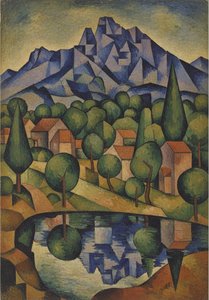
Mastering the Post-Impressionist Vision: A Definitive Guide to the Geometric Soul of Cézanne’s Artistry
Explore the profound legacy of Paul Cézanne. Discover how his mastery of geometric forms and vibrant color bridged Impressionism and Cubism, offering timeless inspiration for fine art collectors and enthusiasts seeking to understand the foundations of modern art.

Echoes of Rural Life: Nostalgia, Labor & Identity in Art History
Explore the rich history of rural life in art! Discover how Realism captured labor & identity through masterpieces by Van Gogh, Millet & more. Expert analysis for collectors and enthusiasts.
Tyrinėkite meno kūrinius, suskirstytus pagal temas, stilius ir savybes.


