

 Peržiūrėti realaus dydžio版
 Pasidalinti
 Dalintis
 Išsamiau
 Vadovas

 Atsisiųsti
 Panašūs eksponatai
 Rentgeno spindulių nuotrauka
 Automatinė diorama
 问答
问答 Statistika
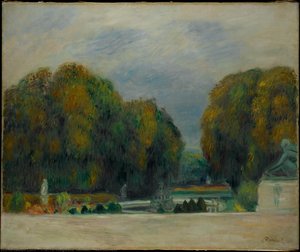
The Pool at the Jas de Bouffan


Experience Paul Cézanne's 'The Pool at Jas de Bouffan'! This post-impressionist masterpiece captures tranquility with vibrant colors and human presence, a pivotal work bridging art history.
 Skaityti daugiau
Paul Cézanne (1839–1906) – postimpresionistų pradininkas, jungiantis impresionizmą ir kubizmą. Tyrė geometrines formas, stilizuotus peizažus bei paveikslų kompozicijas, sukeldamas revoliuciją moderniajame mene.
Gaukite spausdinimui paruoštą failą, kurio kokybė gerokai viršija internetinę peržiūrą. Kiekvienas mūsų parduodamas skaitmeninis vaizdas yra ištrauktas iš aukštos raiškos pagrindinio failo mūsų duomenų bazėje — paprastai jis siekia nuo 5 000 iki 15 000 pikselių plotio — todėl galite drąsiai spausdinti didelius formatus, apkirpti vaizdą ar reprodukcija užtikrins visas smulkias detales.
Mūsų studijoje nė viena kopija nelieka neapdorota. Skaitmeninio vaizdo ekspertas, lygiu su originaliu paveikslu, patikrina spalvas ir, jei reikia, jas koreguoja, o tada profesionaliais retušavimo įrankiais padidina aiškumą bei detales — visada išlaikydamas ištikimybę autoriaus teptuko traukoms ir stiliui. Rezultatas – vaizdas, kuris atrodo kaip tikras paveikslas, o ne kaip su filtrais apdorotas skenavimas.
Patvirtinate prieš užsakymo pabaigą: mūsų ekspertas per 72 valandas el. laišku atsiųsta vaizdą jūsų peržiūrai. Nepasitenkinate rezultatu? Paprašykite patobulinimų ar pataisymų arba prašykite pinigų grąžinimo, jei kokybė neatitinka jūsų lūkesčių.
Ši kokybė yra patikima leidybos įstaigoms, dizaino studijoms, galerijoms ir spaudos įmonėms.
Skaitmeninis vaizdas
Atsisiųskite didelės raiškos failą asmeniniam naudojimui, spausdinimui ir kūrybiniams projektams. ( Perjungti į spausdinamus版作品 Pirkti rankų darbo tapybą)
Kiekvieną skaitinio vaizdo užsakymą papildė
Profesionalus skaitmeninis vaizdų pristatymas, garantuotas
Pasirinkę TopImpressionists.com, jūs ne tik gaunate paveikslėlį – jūs gaunate profesionaliai patobudintą skaitmeninį kūrinį, sukurtą itin tikniai ir užtikrinantį pasitenkinimą. Štai viską, kas automatiškai pritékia jūsų užsakymui:

Greitas pristatymas el. paštu
Jūsų aukštos raiškos skaitmeninis vaizdo failas bus išsiųstas el. paštu per 72 valandas nuo užsakymo – jis bus paruoštas naudoti be jokių papildomų veiksmų.

Dirbtiniu intelektu tobulintas skaitmeninis failas
Jūsų meno kūrinys profesionaliai optimizuojamas naudojant pažangius dirbtinio intelekto įrankius ir rankinį redagavimą, užtikrinant maksimalią detalę, aiškumą ir spalvų tikslumą.

Nemokamas visam laikui pakartotinis siuntimas
Atsitiktinai ištrytikote ar praradote savo failą? Nebijokite – bet kuriuo metu atsiųsime jį jums vėl nemokamai.

Jokio importo mokesčio – niekada
Mėgaukitės savo meno kūrynu be jokių muitinės mokesčių, įkainų ar pristatymo išlaidų – skaitiniai failai visada yra neapmokestinami.

Spalvų tikslumo garantija
Naudodami profesionalią įrangą ir spalvų valdymo sistemas, užtikriname, kad jūsų skaitmeninis vaizdas kuo tiksliau atspindėtų originalias spalvas.

100 dienų patikimumo garantija
Jei nebuvosite patenkinti įsigyto skaitmeninio vaizdo, mes jį tališkai koreguosime arba grąžinsime 100% sumą per 100 dienų – be jokių klausimų.

100% pinigų grąžinimo garantija
Nesitenkinate? Gaukite visą sumokėtą sumą per 100 dienų nuo skaitmeninio failo gavimo – be jokių papildomų klausimų.

Nuolaidos dideliems užsakymams
Pirkti 3 nuotraukas – 10% nuolaida – Pirkti 5 – 15% nuolaida – Pirkti 10 ir daugiau – 20% nuolaida. Puikiai tinka kūrybiniams projektams, galerijoms bei agentūroms.
A Moment of Tranquility – The Genesis of Modern Form
Paul Cézanne’s “The Pool at the Jas de Bouffan,” painted around 1886-1890, isn't merely a depiction of a picturesque Provençal landscape; it’s a pivotal moment in art history—a deliberate dismantling and reimagining of traditional representation. Nestled within the confines of Cézanne’s own country estate, the Jas de Bouffan, this painting captures an afternoon bathed in dappled sunlight, revealing a profound shift in how artists approached capturing reality on canvas. It stands as a bridge between the fleeting impressions of Impressionism and the nascent geometric explorations that would define Cubism. The scene unfolds with a quiet intensity: a serene pool reflecting the azure sky and surrounding foliage, framed by the robust forms of cypress trees and the gentle curves of the landscape. Yet, Cézanne doesn’t simply mirror nature; he actively sculpts it, imposing his own vision onto the scene.
Cézanne's revolutionary approach stemmed from a deep dissatisfaction with the limitations of traditional perspective. He sought to represent not just what he *saw*, but how he *felt* about what he saw – the underlying structure and essence of objects. This is evident in his use of flattened planes, where forms seem to emerge from a two-dimensional surface rather than receding into space. The trees aren’t rendered with delicate detail; instead, they are constructed as blocks of color, their outlines defined by strong, assertive strokes. Similarly, the figures scattered throughout the scene – friends and family members enjoying the afternoon – are simplified and abstracted, contributing to a sense of timelessness and universality.
Color and Composition: A Symphony of Earth Tones
The painting’s palette is dominated by earthy tones—ochres, greens, blues, and browns—creating a harmonious and deeply resonant atmosphere. Cézanne masterfully employs color not to mimic reality but to convey mood and form. Notice how he uses variations in shade and hue to define the contours of the trees and the pool's surface, creating an illusion of depth and volume. The interplay between light and shadow is particularly striking, adding a dynamic quality to the otherwise tranquil scene. The use of complementary colors—such as blue and orange—creates visual excitement and enhances the sense of vibrancy within the composition.
Cézanne’s compositional choices are equally deliberate. He employs a pyramidal structure, anchoring the scene with the central pool and the surrounding trees. This creates a sense of stability and balance while simultaneously drawing the viewer's eye towards the heart of the image. The placement of the figures within this framework suggests a harmonious relationship between humanity and nature—a theme that would become increasingly important in Cézanne’s later work.
Symbolism and Emotional Resonance
“The Pool at the Jas de Bouffan” is more than just a landscape; it's imbued with symbolic meaning. The pool itself represents tranquility, reflection, and perhaps even eternity—a space for contemplation and escape from the pressures of everyday life. The presence of figures engaged in simple activities—conversation, swimming, observing nature—suggests a celebration of human connection and the pleasures of the natural world. Cézanne’s deliberate simplification of these forms elevates them to archetypes, representing universal experiences rather than specific individuals.
Ultimately, this painting speaks to a fundamental human desire for beauty, peace, and connection with nature. It's a testament to Cézanne’s ability to capture not just the outward appearance of a scene but also its underlying essence—a feat that continues to resonate with viewers today. Reproductions of “The Pool at the Jas de Bouffan” offer a remarkable opportunity to bring this iconic work into your home, allowing you to experience its timeless beauty and profound emotional impact firsthand.
Klausimai ir atsakymai
Kokio Polis Sezanas kūrybos laikotarpio priklauso „The Pool at the Jas de Bouffan“?
„The Pool at the Jas de Bouffan“ priklauso Polis Sezanas kūrybos karjeros Mature Period etapui. Ši klasifikacija atspindi kūrinio ryšį su menininko evoliucija.
Kaip „The Pool at the Jas de Bouffan“ spalvos dera vienas su kitu?
„The Pool at the Jas de Bouffan“ – Polis Sezanas spalvos于demonstruoja Discordant Palette harmoniją. Harmonija apibūdina, kaip spalvos dera viena su kita.
Kokia bendra "The Pool at the Jas de Bouffan" spalvų tonacija – šviesi ar tamsi?
Perceptinis „The Pool at the Jas de Bouffan“ – Polis Sezanas ryškumas yra balanced. Jį galima suderinti su intended erdvės apšvietimu.
panašūs kūriniai




Autoriaus biografija
Paul Cézanne: Modernumo Tėvo Vizija
Paulis Sezanas, gimęs 1839 m. sausio 19 d. Ekse, Prancūzijoje, stovi kaip monumentalus veikėjas, jungiantis trumpalaikius įspūdžius, būdingus impresionizmui, ir fragmentuotas formas, kurias atstovauja kubizmas. Jo kelionė nebuvo greita sėkmės istorija; tai buvo lėtas meninės ekspresijos procesas, pažymėtas savęs abejonėmis ir kritikos atmetimu, galiausiai sukūręs palikimą, kuris nepataisomai pakeitė moderniosios dailės eigą. Gime pasiturtingą šeimą – jo tėvas pirmiausia buvo skrybėčių pardavėjas, vėliau bankininkas – Sezanas mėgavosi finansiniu saugumu, neįprastu siekiantiems menininkams, suteikdamas jam laisvę skirti save savo aistrai be tiesioginio komercinės sėkmės spaudimo. Nors jo tėvas pirmiausia norėjo, kad jis pasirinktų teisines karjeros kelią, meno ekspresijos jėga buvo per stipri, ir jis galiausiai atsisakė teisės studijų, kad imtųsi tapymo – sprendimas, kuris apibrėš jo gyvenimą. Ankstyvosios įtakos apėmė romantizmą, vyravusį jo jaunystėje, ir Barbizono mokyklos dedikaciją peizažui, tačiau būtent susidūrus su tokiais menininkais kaip Paulis Gogenas ir Džordžas Seuratas, ir jų inovatyviomis spalvų ir formų priemonėmis, Sezanas pradėjo formuoti savo atskirą kelią.Nuo Tamsos Link Struktūros: Stiliaus Evoliucija
Sezano ankstyvieji darbai dažnai atspindėdavo dramatiškas, emocingas temas, būdingas romantizmo tapybai – tamsios paletės ir ekspresyvūs tepteliai dominuodavo jo drobėse. Tačiau ši pradinė fazė buvo tik žingsnis į daug analitiškesnį ir inovatyvesnį požiūrį. Nesitenkinęs tiesiog užfiksavus šviesos trumpalaikius įspūdžius, kaip tai vertino impresionistai, Sezanas išvyko ieškoti pagrindinės objektų struktūros supratimo ir atvaizdo. Jis siekė ne tik to, *ką* mato, bet ir *kaip* suvokia fundamentalias formas, sudarančias realybę. Tai jį paskatino suskaldyti natūralius pavidalus į jų geometrines ekvivalentus – kūrius, cilindrus, sferas – numatydamas kubistų revoliuciją dešimtmečius iki jos atsiradimo. Jo technika pasižymėjo mažais, kartotiniais tepteliais, kruopščiai sluoksniais sudedant sudėtingas spalvų ir tekstūrų erdves, sukuriant tvirtumo ir gylio pojūtį, anksčiau nematytą tapyboje. Jis nebuvo įsitikinęs dėl iliuzinio erdvės; vietoj to jis dažnai pateikė objektus iš kelių perspektyvų vienu metu, mėsdamas tradicinius perspektyvos principus ir priverčiant žiūrovą aktyviai bendradarbiauti su jo kompozicijų konstruktu. Šis sąmoningas iškraipymas nebuvo atsitiktinis, bet bandymas perteikti visapusiškesnį formos supratimą, atspindėti ne vien tik tam tikrą momentą laike, bet ir suvokimo sintezę.Peizažai, Natūrmortai ir Žmogaus Forma: Pagrindiniai Darbai ir Kartojantis Motyvas
Sezano kūriniai yra nepaprastai įvairūs, apimantys peizažus, natūrmortus, portretus ir maudynių scenas, tačiau visus juos suvienija jo unikalus požiūris į formą ir spalvą. Tvenkinys Jas de Bouffan, nutapytas 1880 m., pavyzdu rodo jo peizažo darbą, parodydamas jo gebėjimą užfiksuoti gamtos esmę atidžiai suderinus formas ir tonus. Portretas Émile Zola, sukurtas 1866 m., parodo jo besivystantį stilių ir suteikia įtikinamą žvilgsnį į jo artimo draugo ir bendražygio rašytojo intelektinį intensyvumą. Jo natūrmortai, pavyzdžiui, tie, kuriuose yra obuolių ir kitų vaisių, nėra tik objektų atvaizdai, bet ir tūrio, šviesos ir erdvių santykių tyrimai. Mont Sainte-Victoire serija tapo Sezano obsesija – kartojantis motyvas, kuris leido jam nuolat tyrinėti formą ir perspektyvą per dešimtmečius. Šie paveikslai nėra tik kalno atvaizdai; tai tyrimai apie tai, kaip mes suvokiamo gylį, tūrį bei šviesos ir šešėlio sąveiką. Galiausiai, jo Maudytojų serija, kuriame vaizduojami nuogi figūros idiliškuose peizažuose, atspindi gilų žmogaus formos tyrimą ir jos ryšį su gamta, dažnai įkvėptą amžinybės ir tylios kontempliacijos.Palikimas, Sukurtas Inovacijomis: Sezano Įtaka Moderniajame Mente
Paulio Sezano poveikis paskesnėms menininkų kartoms yra neįvertinamas. Jis plačiai laikomas „modernaus meno tėvu“ dėl jo novatoriškų indėlių į paveikslinę kalbą, atidaręs kelią daugeliui pagrindinių XX amžiaus meninių judėjimo tendencijų. Pablo Pikaso ir Džordžas Brakas buvo giliai įsipareigoję Sezano geometrinių formų ir daugybės perspektyvų pabrėžimui, kurie tapo centriniais kubizmo principais. Jo drąsus spalvų vartojimas taip pat įkvėpė Fauvistų judėjimą, kuriam vadovavo tokie menininkai kaip Henri Matisas, kurie priėmė ryškias, ne natūralias spalvas. Net surrealistų menininkai rado atgarsį Sezano tyrimuose subjektyvaus suvokimo ir psichologinės gylio srityse. Be konkrečių judėjimo tendencijų, Sezano įsitikinimas menininko asmeniniu viziju ir jo atmetimas tradicinių akademinių apribojimų išlaisvino daugybę tapytojų tyrinėti naujas ekspresijos formas. Jis paragino peržiūrėti pačią reprezentacijos apibrėžimą, perkeldamas dėmesį nuo realybės imituojamosios imitacijos iki vizualinės patirties konstrukcijos, pagrįstos pogrindine struktūra ir subjektyviu suvokimu. Jo mirtis 1906 metais pažymėjo ne pabaigą, bet pradžią – naujos epochos aušrą meno istorijoje, kurią giliai paveikė jo revoliucinis vizijas.
Polis Sezanas
1839 - 1906 , Prancūzija
Trumpa informacija
- Artistic Movement Or Style: Postimpresionizmas
- Artists Or Movements Influenced By This Artist:
- Kubizmas
- Fovizmas
- Surrealizmas
- Artists Who Influenced This Artist:
- Romantizmas
- Barbizon mokykla
- Polis Gogenas
- Ž. Seuras
- Date Of Birth: 1839-01-19
- Date Of Death: 1906-10-22
- Full Name: Polis Sezanas
- Nationality: Prancūzas
- Notable Artworks:
- Pirmtakas Jas de Bouffan
- Portretas E. Zola
- Miškas
- Mont Sainte-Victoire serija
- Maudynės
- Place Of Birth: Ekso, Prancūzija