


 Peržiūrėti realaus dydžio版
 Siųsti
 Dalintis
 Išsamiau
 Vadovas

 Atsisiųsti
 Panašūs eksponatai
 Rentgeno spindulių nuotrauka
 Diaporama
 Statistika
Uolos L'Estaque
 Aliejus ant drobės
- Sieninis menas
- Postimpresionizmas
 1882
1882- XIX amžius
 71.0 x 73.0 cm
 Museu de Arte
Atraskite Pauliaus Cézanne'o Postimpresionizmo meistriškę „Uolos L'Estaque“. Admiruokite jos įtaką šiuolaikiniam menui!
 Rodyti daugiau
Paul Cézanne (1839–1906) – postimpresionistų pradininkas, jungiantis impresionizmą ir kubizmą. Tyrė geometrines formas, stilizuotus peizažus bei paveikslų kompozicijas, sukeldamas revoliuciją moderniajame mene.
Giclée / Meno spausdinimas
Muziejų lygio „giclée“ arba drobos spausdinimas: greita gamyba ir lankstios apdailos parinktys. ( Pirkti rankomis tapytą reprodukciją Perejti prie skaitmeninių vaizdų)




P118B €10

P118H €10

P118W €10

P438Z €10

P508JH €12

P508YH €12

P805H €10

P805Z €10

P919BZ €10

P919G €10

P919XJ €10

P959ZH €10

P968JZ €12

W106C €8

W218G €10

W218JH €8

W218Y €10

W307PJ €10

W316G €10

W316PJ €8

W316Y €10

W398PJ €8

W4111J €10

W500HY €15

W500JH €15

W692G €12

W849H €8

W940BG €15

W953PJ €8




Standartinis
individualaus dydžio
CM
INCH
Pasirinkite iš mūsų nustatytų dydžių, atitinkančių originalaus meno kūrinio proporcijas.
Loading sizes...

plotis
aukštis
Įveskite jums reikiamą plotį ir aukštį, kad atvaizdas derėtų prie jūsų rėmo ar sienos. Spausdiną galima tik sumažinti, bet nepadidinti virš originalaus paveikslėlio dydžio, todėl keičiant proporcijas, dalis vaizdo prarandama. Prieš spausdinimą atsiųsime jums skaitmeninį maketą patvirtinimui. Šioje puslapio nuotraukoje matomas pjūvis nėra tikslus – jį rodo tik maketas.
Pristatymas visame pasaulyje () per 2 weeks, o ne įprastas 4/5 savaičių laikotarpis. (21 spalis)

Nemokamas greitasis pristatymas visame pasaulyje

Aukštos kokybės lininis drobė

Pilnas siuntimo draudimas

Muitinės mokesčių grąžinimo garantija

Tikro spalvų atitikimo garantija

100 dienų grąžinimo politika (tik esant įtaigoms)

100% pinigų grąžinimo garantija

Nuolaida dideliems užsakymams
 Stiklo variantas prieinamas tik pasirinkus dydį iki 110 cm

Uolos L'Estaque
Giclée / Meno spausdinimas
Reprodukcijos dydis
-


Visų pasirinktų variantų kaina
€ 60
A Vision of Solidity: The Essence of L'Estaque
In the quiet landscape of 1882, Paul Cézanne captured a moment of profound geological stillness in Rocks at L'Estaque. This masterpiece serves as a cornerstone of Post-Impressionism, offering much more than a mere view of the French coast; it is an exploration of the very bones of the earth. The composition is anchored by formidable rock formations that command the foreground, their presence felt through a sense of immense weight and sculptural permanence. As the eye wanders from these rugged, textured pinnacles toward the receding hills and the tranquil body of water on the horizon, one experiences a carefully orchestrated sense of vastness. It is a scene where the landscape does not simply exist but breathes through its structural integrity, inviting the viewer into a world where nature is rendered with both intimacy and monumental scale.
The emotional resonance of the piece lies in its ability to balance serenity with a rugged, almost tactile energy. There is a deep, meditative quality found in the way the mountains rise against the sky, yet this peace is tempered by the raw, unyielding character of the stones. For the collector or the designer, this painting offers a unique atmospheric depth; it brings a sense of grounded stability and timelessness to any space. It does not rely on the fleeting light of Impressionism but rather seeks to capture a more enduring truth, making it an ideal centerpiece for those who appreciate art that speaks of strength, endurance, and the quiet majesty of the natural world.
The Architecture of Color and Form
Cézanne’s technical mastery is on full display through his revolutionary approach to perspective and pigment. Eschewing traditional photographic accuracy, he utilized a palette of muted earthy tones—bluish-greys for the weathered rocks, vibrant greens for the sparse vegetation, and warm ochres for the soil—to build a complex tapestry of color. His technique involved a meticulous layering process, applying paint in successive glazes over a textured underpainting to achieve remarkable tonal gradations. This method allows the light to seem as though it is emanating from within the rocks themselves, transforming them into three-dimensional forms that emerge powerfully from the canvas.
The brushwork is equally intentional, characterized by bold, expressive marks and interlocking planes of color. Rather than using traditional vanishing points to create depth, Cézanne uses the rhythmic application of short, angular strokes to define spatial relationships. This structural approach creates a sense of rhythm and movement that guides the viewer through the landscape, making the transition from the foreground rocks to the distant mountains feel both seamless and structurally sound. To possess a reproduction of this work is to bring home a study in balance—a perfect harmony of color, texture, and form that continues to inspire awe more than a century after its creation.
问答 (or more naturally for a website heading): Klausimai ir atsakymai
Kaip „Uolos L'Estaque“ tema susiję su įprastomis Polis Sezanas tematikos temos?
„Uolos L'Estaque“ vaizduoja kraštas, uolos, kalnai, provansa, spalva, tepteliai, tekstūra, o įrašytos Polis Sezanas temos yra impresionistinių konvencijų sulaužymas, natūralių formų ir struktūros tyrimas, gaugeno ir seurato įtaka, kubizmo pagrindas, ikoninė peizažo vaizdinė interpretacija, cezano meninės vizijos simbolis, centrinė jo kūrybos dalis. Šių dviejų palikimų lyginimas parodo, kaip šis kūrinys susijęs su įprastais šio kūrybinio veiksmo objektais.
Ar kūrinys „Uolos L'Estaque“, autorius – Polis Sezanas saugomas originalaus paveikslautojo valstybėje?
Ne – kūrinys saugomas užsienyje. Polis Sezanas gimtoji šalis yra Prancūzija, o kūrinio „Uolos L'Estaque“ originalas saugomas muziejuje, esančiame Brazilija.
Ar „Uolos L'Estaque“ galima peržiūrėti papildydami realybę?
„Uolos L'Estaque“ turi papildytoji realybės peržiūros funkciją: kūrinio AR peržiūra puslapyje jį galite pamatyti savo erdvėje naudodami suderinamą įrenginį.
Susiję kūriniai


Autoriaus biografija
Paul Cézanne: Modernumo Tėvo Vizija
Paulis Sezanas, gimęs 1839 m. sausio 19 d. Ekse, Prancūzijoje, stovi kaip monumentalus veikėjas, jungiantis trumpalaikius įspūdžius, būdingus impresionizmui, ir fragmentuotas formas, kurias atstovauja kubizmas. Jo kelionė nebuvo greita sėkmės istorija; tai buvo lėtas meninės ekspresijos procesas, pažymėtas savęs abejonėmis ir kritikos atmetimu, galiausiai sukūręs palikimą, kuris nepataisomai pakeitė moderniosios dailės eigą. Gime pasiturtingą šeimą – jo tėvas pirmiausia buvo skrybėčių pardavėjas, vėliau bankininkas – Sezanas mėgavosi finansiniu saugumu, neįprastu siekiantiems menininkams, suteikdamas jam laisvę skirti save savo aistrai be tiesioginio komercinės sėkmės spaudimo. Nors jo tėvas pirmiausia norėjo, kad jis pasirinktų teisines karjeros kelią, meno ekspresijos jėga buvo per stipri, ir jis galiausiai atsisakė teisės studijų, kad imtųsi tapymo – sprendimas, kuris apibrėš jo gyvenimą. Ankstyvosios įtakos apėmė romantizmą, vyravusį jo jaunystėje, ir Barbizono mokyklos dedikaciją peizažui, tačiau būtent susidūrus su tokiais menininkais kaip Paulis Gogenas ir Džordžas Seuratas, ir jų inovatyviomis spalvų ir formų priemonėmis, Sezanas pradėjo formuoti savo atskirą kelią.Nuo Tamsos Link Struktūros: Stiliaus Evoliucija
Sezano ankstyvieji darbai dažnai atspindėdavo dramatiškas, emocingas temas, būdingas romantizmo tapybai – tamsios paletės ir ekspresyvūs tepteliai dominuodavo jo drobėse. Tačiau ši pradinė fazė buvo tik žingsnis į daug analitiškesnį ir inovatyvesnį požiūrį. Nesitenkinęs tiesiog užfiksavus šviesos trumpalaikius įspūdžius, kaip tai vertino impresionistai, Sezanas išvyko ieškoti pagrindinės objektų struktūros supratimo ir atvaizdo. Jis siekė ne tik to, *ką* mato, bet ir *kaip* suvokia fundamentalias formas, sudarančias realybę. Tai jį paskatino suskaldyti natūralius pavidalus į jų geometrines ekvivalentus – kūrius, cilindrus, sferas – numatydamas kubistų revoliuciją dešimtmečius iki jos atsiradimo. Jo technika pasižymėjo mažais, kartotiniais tepteliais, kruopščiai sluoksniais sudedant sudėtingas spalvų ir tekstūrų erdves, sukuriant tvirtumo ir gylio pojūtį, anksčiau nematytą tapyboje. Jis nebuvo įsitikinęs dėl iliuzinio erdvės; vietoj to jis dažnai pateikė objektus iš kelių perspektyvų vienu metu, mėsdamas tradicinius perspektyvos principus ir priverčiant žiūrovą aktyviai bendradarbiauti su jo kompozicijų konstruktu. Šis sąmoningas iškraipymas nebuvo atsitiktinis, bet bandymas perteikti visapusiškesnį formos supratimą, atspindėti ne vien tik tam tikrą momentą laike, bet ir suvokimo sintezę.Peizažai, Natūrmortai ir Žmogaus Forma: Pagrindiniai Darbai ir Kartojantis Motyvas
Sezano kūriniai yra nepaprastai įvairūs, apimantys peizažus, natūrmortus, portretus ir maudynių scenas, tačiau visus juos suvienija jo unikalus požiūris į formą ir spalvą. Tvenkinys Jas de Bouffan, nutapytas 1880 m., pavyzdu rodo jo peizažo darbą, parodydamas jo gebėjimą užfiksuoti gamtos esmę atidžiai suderinus formas ir tonus. Portretas Émile Zola, sukurtas 1866 m., parodo jo besivystantį stilių ir suteikia įtikinamą žvilgsnį į jo artimo draugo ir bendražygio rašytojo intelektinį intensyvumą. Jo natūrmortai, pavyzdžiui, tie, kuriuose yra obuolių ir kitų vaisių, nėra tik objektų atvaizdai, bet ir tūrio, šviesos ir erdvių santykių tyrimai. Mont Sainte-Victoire serija tapo Sezano obsesija – kartojantis motyvas, kuris leido jam nuolat tyrinėti formą ir perspektyvą per dešimtmečius. Šie paveikslai nėra tik kalno atvaizdai; tai tyrimai apie tai, kaip mes suvokiamo gylį, tūrį bei šviesos ir šešėlio sąveiką. Galiausiai, jo Maudytojų serija, kuriame vaizduojami nuogi figūros idiliškuose peizažuose, atspindi gilų žmogaus formos tyrimą ir jos ryšį su gamta, dažnai įkvėptą amžinybės ir tylios kontempliacijos.Palikimas, Sukurtas Inovacijomis: Sezano Įtaka Moderniajame Mente
Paulio Sezano poveikis paskesnėms menininkų kartoms yra neįvertinamas. Jis plačiai laikomas „modernaus meno tėvu“ dėl jo novatoriškų indėlių į paveikslinę kalbą, atidaręs kelią daugeliui pagrindinių XX amžiaus meninių judėjimo tendencijų. Pablo Pikaso ir Džordžas Brakas buvo giliai įsipareigoję Sezano geometrinių formų ir daugybės perspektyvų pabrėžimui, kurie tapo centriniais kubizmo principais. Jo drąsus spalvų vartojimas taip pat įkvėpė Fauvistų judėjimą, kuriam vadovavo tokie menininkai kaip Henri Matisas, kurie priėmė ryškias, ne natūralias spalvas. Net surrealistų menininkai rado atgarsį Sezano tyrimuose subjektyvaus suvokimo ir psichologinės gylio srityse. Be konkrečių judėjimo tendencijų, Sezano įsitikinimas menininko asmeniniu viziju ir jo atmetimas tradicinių akademinių apribojimų išlaisvino daugybę tapytojų tyrinėti naujas ekspresijos formas. Jis paragino peržiūrėti pačią reprezentacijos apibrėžimą, perkeldamas dėmesį nuo realybės imituojamosios imitacijos iki vizualinės patirties konstrukcijos, pagrįstos pogrindine struktūra ir subjektyviu suvokimu. Jo mirtis 1906 metais pažymėjo ne pabaigą, bet pradžią – naujos epochos aušrą meno istorijoje, kurią giliai paveikė jo revoliucinis vizijas.
Polis Sezanas
1839 - 1906 , Prancūzija
Trumpa informacija apie kūrėją
- Artistic Movement Or Style: Postimpresionizmas
- Artists Or Movements Influenced By This Artist:
- Kubizmas
- Fovizmas
- Surrealizmas
- Artists Who Influenced This Artist:
- Romantizmas
- Barbizon mokykla
- Polis Gogenas
- Ž. Seuras
- Date Of Birth: 1839-01-19
- Date Of Death: 1906-10-22
- Full Name: Polis Sezanas
- Nationality: Prancūzas
- Notable Artworks:
- Pirmtakas Jas de Bouffan
- Portretas E. Zola
- Miškas
- Mont Sainte-Victoire serija
- Maudynės
- Place Of Birth: Ekso, Prancūzija
Susiję straipsniai
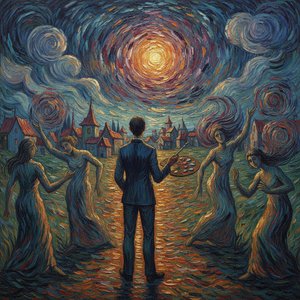
Beyond the Light: Capturing Emotion Through the Expressive Soul of Post-Impressionism
Explore the profound emotional depth of Post-Impressionism. Discover how masters like Van Gogh and Cézanne moved beyond light to capture raw feeling through color and texture. A journey into art history for the true connoisseur.
Tyrinėkite meno kūrinius, suskirstytus pagal temas, stilius ir savybes.


