


 Peržiūrėti realaus dydžio版
 Siųsti
 Dalintis
 Išsamiau
 Vadovas

 Atsisiųsti
 Panašūs eksponatai
 Rentgeno spindulių nuotrauka
 Diaporama
 Statistika
CHEVAL NORMAND


Discover 'Cheval Normand' by Paul Huet (1803-1869), a Romantic landscape painting. Explore this evocative oil on canvas, influenced by Barbizon & Impressionism. Hand-painted reproductions available.
 Rodyti daugiau
Prancūzų peisžinės paveikslų paveikslininkas Paulas Huet (1803-1869) žinomas dėl romantiško stiliaus bei įtakos Barbizonos ir impresionistų mokalei. Atraskite jo įtraukiantį akvarelių ir aliejaus paveikslus.
Giclée / Meno spausdinimas
Muziejų lygio „giclée“ arba drobos spausdinimas: greita gamyba ir lankstios apdailos parinktys. ( Pirkti rankomis tapytą reprodukciją Perejti prie skaitmeninių vaizdų)




P118B €10

P118H €10

P118W €10

P438Z €10

P508JH €12

P508YH €12

P805H €10

P805Z €10

P919BZ €10

P919G €10

P919XJ €10

P959ZH €10

P968JZ €12

W106C €8

W218G €10

W218JH €8

W218Y €10

W307PJ €10

W316G €10

W316PJ €8

W316Y €10

W398PJ €8

W4111J €10

W500HY €15

W500JH €15

W692G €12

W849H €8

W940BG €15

W953PJ €8




Standartinis
individualaus dydžio
CM
INCH
Pasirinkite iš mūsų nustatytų dydžių, atitinkančių originalaus meno kūrinio proporcijas.
Loading sizes...

plotis
aukštis
Įveskite jums reikiamą plotį ir aukštį, kad atvaizdas derėtų prie jūsų rėmo ar sienos. Spausdiną galima tik sumažinti, bet nepadidinti virš originalaus paveikslėlio dydžio, todėl keičiant proporcijas, dalis vaizdo prarandama. Prieš spausdinimą atsiųsime jums skaitmeninį maketą patvirtinimui. Šioje puslapio nuotraukoje matomas pjūvis nėra tikslus – jį rodo tik maketas.
Pristatymas visame pasaulyje () per 2 weeks, o ne įprastas 4/5 savaičių laikotarpis. (26 spalis)

Nemokamas greitasis pristatymas visame pasaulyje

Aukštos kokybės lininis drobė

Pilnas siuntimo draudimas

Muitinės mokesčių grąžinimo garantija

Tikro spalvų atitikimo garantija

100 dienų grąžinimo politika (tik esant įtaigoms)

100% pinigų grąžinimo garantija

Nuolaida dideliems užsakymams
 Stiklo variantas prieinamas tik pasirinkus dydį iki 110 cm

CHEVAL NORMAND
Giclée / Meno spausdinimas
Reprodukcijos dydis
-


Visų pasirinktų variantų kaina
€ 61
A Moment Captured in Shadow and Light
In the quietude of a rustic shelter, Paul Huet’s Cheval Normand invites the viewer into a private, unadorned moment of rural existence. The artwork presents a Norman horse, its form anchored within the weathered embrace of a wooden stable or lean-to. Rather than a polished portrait of equine grandeur, this piece functions as an intimate study, capturing the raw essence of life in the French countryside. The composition is masterfully enclosed by the aged beams of the structure, creating a sense of profound intimacy that draws the observer into the horse's immediate world. A subtle, almost overlooked detail—a small bird perched upon a wooden beam—serves as a delicate counterpoint to the heavy, muscular presence of the animal, suggesting a shared, peaceful coexistence within this humble sanctuary.
The aesthetic of the work is defined by its spontaneous, sketch-like quality, reminiscent of the plein air studies that would later define the Barbizon School. Huet employs a gestural technique where rough, expressive lines dictate the anatomy of the horse and the rugged texture of the timber. There is a palpable sense of immediacy here; one can almost feel the artist's brush moving with urgency to capture the fleeting interplay of light and shadow. The palette is a sophisticated arrangement of earthy, grounded tones—deep chocolates, warm tans, and muted greys—which lend the piece an organic, timeless atmosphere. This tonal harmony ensures that the artwork does not merely depict a scene but evokes the very scent of damp wood and hay.
The Legacy of Romanticism and Natural Observation
To understand the emotional depth of Cheval Normand, one must look to the revolutionary spirit of Paul Huet himself. As a pioneer who bridged the gap between the rigid traditions of Neoclassicism and the burgeoning Impressionist movement, Huet sought to move beyond mere representation. Influenced by the atmospheric brilliance of Turner and the naturalistic vigor of Constable, he turned his gaze toward the "truth" of nature. This painting is a testament to that pursuit. It rejects the polished artifice of the Academy in favor of a textured, tactile reality where the grain of the wood and the coarse fur of the horse are given equal importance.
For the discerning collector or interior designer, this piece offers more than just visual interest; it provides an emotional anchor. The artwork radiates themes of resilience, strength, and the quiet dignity of the natural world. Its subdued color palette and organic textures make it a versatile masterpiece for sophisticated interiors, capable of adding a layer of historical depth and rustic elegance to a modern space. Whether placed in a sunlit gallery or a moody, contemporary study, Cheval Normand serves as a window into a bygone era of Romanticism, reminding us of the profound beauty found in the simplest, most unadorned corners of our world.
问答 (or more naturally for a website heading): Klausimai ir atsakymai
Ar galiu pamatyti „CHEVAL NORMAND“, autorius – Pualas Juetas rentgeno nuotrauką?
Darbino „CHEVAL NORMAND“, autorius – Pualas Juetas puslapio Rentgenas veją yra interaktyvus naršyklė, leidžiantis peržiūrėti vienu metu vienąn ਤੋਂ vienas dvylkant optinių vaizdo sluoksnių, įskaitant rentgeno tipo vaizdą.
Kokia bendra "CHEVAL NORMAND" spalvų tonacija – šviesi ar tamsi?
Perceptinio ryškumo prasme, „CHEVAL NORMAND“, autorius – Pualas Juetas yra deep_shadow.
Kiek šviesos, kaip atrodo, atspindi „CHEVAL NORMAND“ spalvos?
Įrašytas kūrinio „CHEVAL NORMAND“, autorius – Pualas Juetas šviesumas yra Soft Shadow.
Autoriaus biografija
Paul Huet: Romantizmo peizažo pionierius
Paulas Huetas (1803–1869) yra viena esminių, nors dažnai nedideliai žinomų, XIX amžiaus Prancūzijos meno figūrų – kraštovo paveikslų meistras, kurio įtaka pasiekė tiek Barbizonos mokyklą, tiek pradinę impresionizmą. Gimęs Paryzuje skraidančioje meninės kūrybos dvasioje, Huetas savo kliają kūrė per nuolatinį stebėjimą, gilią ryšį su gamta ir sąmoningą atsisakymą nuo prevailingančių neoklasicizmo tendencijų. Jo kūriniai nebuvo tik peizažų vaizdiniai; tai buvo bandymas įamžinti patį šviesos, atmosferos ir praegačio natūralaus pasaulio grožio esmę – siekis, kuris užtvirtino jo vietą kaip svarbiausią prancūzų tapybos inovatorių.Pirminės įtodybos ir meninė mokslas Hueto meninė plėtra prasidėjo nuo tradicinių technikų įsisavinimo. Pradinį mokymą jis gavo iš buvusio Jacques-Louis David paveikslūsto, Jean-Julien Deltilo, vėliau studijavo École des Beaux-Arts po Pierre Guérin ir Antoine-Jean Gros vadovavimu. Svarbiausia, jo kelias susipakeikė su Richardu Parkes Boningtonu, tuo metu studijuojančiu Gros studijoje. Šis susitikimas tapo transformatyviu. Boningtono požiūris į *plein-air* tapybą – tiesioginį darbą gamtoje – užburė Huetą, paskatindamas jį atsisakyti griežtos neoklasicizmo formalybėsbės ir priimti laisvesnį, stebėjimu grįstą stilių. 1824 metų Salone eksponuoti britų peizažai tapo tikra atsklaida; Johno Constable'o gebėjimas perteikti gaivą ir žaliąją grožį nenaudojant tamsių šešulių ar dirbtinumo, giliai rezonavo su Hueto sielą, formuojant jo paties meninę filosofiją. Jis garsiai apibūdino Constable'o darbą kaip „galbūt pirmą kartą, kai žmogus pajuto gaivą, pamatė prabangią, žalią gamtą be juodumo, grubumo ar manierizmo“.
Barbizonos stilius ir olandų meistrai
Hueto stilius evoliucionavo per įtraukiantį įtodybių sintezį. Pradinėje stadijoje jis imitavo Boningtono akvarelinę techniką, tačiau jo meninės jautros išsivystė daug daugiau nei tiesioginė kopijavimas. Jis ieškojo įkvėpimo atmosferiniuose peizažuose iš tokių olandų meistrą kaip Jacob van Ruysdael ir Meindert Hobbema, ypač jų meistriško šviesos ir spalvos naudojimo nuotaudai bei atmosferai perteikti. Ši pagarbos senovės meistrams išmintis paveikė jo patį požiūrį, rezultatu tapant paveikslams, kurie pasižymėjo ramią garbe ir neįtikėtinu realizmu – ne fotografiniu, bet giliai jautiamu. Šio laikotarpio jo kūriniai pasižymėjo sąmoningu akademinių konvencijų atmetimu, teikiant pirmenybę laisvoms griūtelems, ryškioms spalvoms ir dėmesiui į tiesioginį gamtos įspūdį.Pripratimas Salonui ir politinis dalyvavimas
Hueto meninė karjera įgavo pagrindo su debiutu 1827 metais Salone, kur vienas iš aštuonių pateiktų jo paveikslų buvo priimtas. Jis toliau reguliariai dalyvavo Salonuose 1830 ir 40 metais, nuolat didindamas reputaciją tarp kritikų ir kolekcionierių. Eugène Delacroix, jo kolegą ir artimą draugą, jautriai atpažino unikalias Hueto kūrybos savybes ir aktyviai ją palaikė. Tačiau Étienne-Jean Delécluze siūlė kritiškesnę perspektyvą, matydamas Huetą per didelį atsidavimą Constable'ui ir Turnerui, dėl ko jis kartais praleidavo pagrindinius dizaino principus. Be meninių siekių, Huetas buvo aktyvus 1830 m. Liepos revoliucijos dalyvis ir vėliau įsipaudė į respublikoninę politiką, atspindėdamas tuo metu pulsuojantį socialinį ir politinį Prancūzijos klimatą. Šis ištikimumas savo įs convictionems pelnė jam pripažinimą iš karaliaus Louis-Philippe, kuris 1844 metais jam įteikė Sèvres porceliano vazonus, o 1848 m. Salone jis apdovanojotas auksinės medaliai.Palikimas ir meninė reikšmė
Paulio Hueto įtaka prancūzų peizažo tapybai yra milžiniška. Inovatyvus akvareto naudojimas – ne tik eskizams, bet ir kaip pagrindinei baigtiniams darbams medžiagai – parodė šios technikos potencialą pasiekti neįtikėtiną gębę ir turtingumą, dažnai primenančią aliejinę tapybą. Jis buvo vienas iš ankstyvųjų *plein-air* tapybininkų, teikdamas pirmenybę tiesioginiam gamtos stebėjimui prieš studijos darbą. Svarbiausia, Hueto dėmesys šviesos ir atmosferos praegačiems poveikiams įamžinti giliai paveikė Barbizonos mokyklą, o vėliau – ir impresionistus. Tokie menininkai kaip Théodore Rousseau ir Jean-François Millet, kurie siekė tapyti tiesiog iš gamtos, fokusuodami į kaimo gyvenimą ir peizažus, skolinasi savo meistriškumą būtent Hueto pionieriškam požiūpiui. Jo kūriniai yra įrodymas stebėjimo galios, paprastumo grožio ir neblėstančio siekio įamžinti patį natūralaus pasaulio esmę. Jis mirė Paryzuje 1869 metais, palikdamas po savęs didžiulį kūrybinį turtą, kuris ir šiandien suintriguoja žiūrovus savo evokuotą atmosfera ir giliu ryšiu su gamta.
Pualas Juetas
1803 - 1869 , Prancūzija
Trumpa informacija apie kūrėją
- Artistic Movement Or Style: Romantinis peisžinis
- Artists Or Movements Influenced By This Artist:
- Barbizonos mokykla
- Impresionistai
- Artists Who Influenced This Artist:
- Rembrandtas
- Johnas Constable
- Eugène Delacroix
- Date Of Birth: 1803-10-03
- Date Of Death: 1869-01-08
- Full Name: Paul Huet
- Nationality: Prancūzų
- Notable Artworks:
- Vila netoli Roms
- Vakarės poveikis
- Miškas prie vandens
- Place Of Birth: Parisas, Prancūzija
Susiję straipsniai
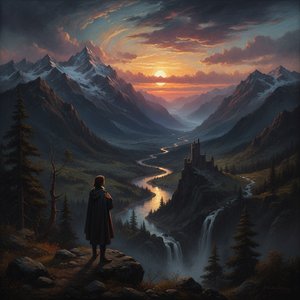
Capturing the Soul: The Emotional Majesty and Sublime Power of Romantic Landscape Painting
Explore the profound emotional depth of Romantic landscape painting. Discover how masters like Turner and Friedrich captured the sublime power of nature through intuition and imagination in this expert art history retrospective.

Capturing the Soul: The Emotional Magic and Sublime Grandeur of Romantic Landscape Painting
Explore the profound emotional depth of Romantic landscape painting. Discover how masters like Friedrich and Turner captured the sublime through light, shadow, and nature's power in this expert art history retrospective for discerning collectors.