


 Peržiūrėti realaus dydžio版
 Siųsti
 Dalintis
 Išsamiau
 Vadovas

 Atsisiųsti
 Panašūs eksponatai
 Rentgeno spindulių nuotrauka
 Diaporama
 Statistika
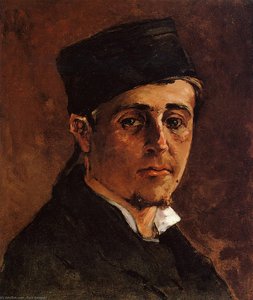
Self Portrait
 Acrylic On Canvas
- WallArt
- British Impressionism
 1920
1920 74.0 x 59.0 cm
 Fitzwilliam College
Philip Wilson Steer's "The President Woodrow Wilson House" captures a contemplative man in a suit, showcasing his signature Impressionistic style and masterful use of light & shadow. Explore this evocative portrait.
 Rodyti daugiau
Atraskite Philip Wilson Steer (1860–1942), svarbų britų impresionistą, žinomą dėl šviesos ir spalvų meistriškumo peizažuose bei jūros kraštovaizdžiuose. Įkvėptas Manet ir Whistler, jo darbai eksponuojami Tate ir Uffizi galerijose.
Giclée / Meno spausdinimas
Muziejų lygio „giclée“ arba drobos spausdinimas: greita gamyba ir lankstios apdailos parinktys. ( Pirkti rankomis tapytą reprodukciją Perejti prie skaitmeninių vaizdų)




P118B €10

P118H €10

P118W €10

P438Z €10

P508JH €12

P508YH €12

P805H €10

P805Z €10

P919BZ €10

P919G €10

P919XJ €10

P959ZH €10

P968JZ €12

W106C €8

W218G €10

W218JH €8

W218Y €10

W307PJ €10

W316G €10

W316PJ €8

W316Y €10

W398PJ €8

W4111J €10

W500HY €15

W500JH €15

W692G €12

W849H €8

W940BG €15

W953PJ €8




Standartinis
individualaus dydžio
CM
INCH
Pasirinkite iš mūsų nustatytų dydžių, atitinkančių originalaus meno kūrinio proporcijas.
Loading sizes...

plotis
aukštis
Galite nurodyti savo matmenis, kad vaizdas atitiktų konkretų rėmą ar erdvę. Jei pasirinktas dydis nesutaps su originalaus paveikslėlio proporcijomis, mes arba apkirpsime kūrinį, arba išplėsime vaizdą naudojant veideliu atspindėtą arba vientisą šoną. Skaitmeninis maketas bus išsiųstas jums patvirtinti prieš pradedant gamybą.
Atkreipkite dėmesį, kad ekrane matomas vaizdinys neatspindi tikrojo apkirpimo ar išplėtimo. Tik maketas tiksliai parodytų galutinę kompoziciją.
Nors galima rinktis ir individualius dydžius, rekomenduojame pasirinkti vieną iš išanksti nustatytų matmenų, kad būtų išlaikytos originalios proporcijos.
Pristatymas visame pasaulyje () per 2 weeks, o ne įprastas 4/5 savaičių laikotarpis. (7 spalis)

Nemokamas greitasis pristatymas visame pasaulyje

Aukštos kokybės lininis drobė

Pilnas siuntimo draudimas

Muitinės mokesčių grąžinimo garantija

Tikro spalvų atitikimo garantija

100 dienų grąžinimo politika (tik esant įtaigoms)

100% pinigų grąžinimo garantija

Nuolaida dideliems užsakymams
 Stiklo variantas prieinamas tik pasirinkus dydį iki 110 cm

Self Portrait
Giclée / Meno spausdinimas
Reprodukcijos dydis
-


Visų pasirinktų variantų kaina
€ 59
A Portrait of Quiet Intensity: Philip Wilson Steer’s “The President Woodrow Wilson House”
Philip Wilson Steer's "The President Woodrow Wilson House," painted in 1920, isn’t merely a depiction of a building; it’s a carefully constructed tableau brimming with subtle symbolism and imbued with the melancholic beauty characteristic of the artist. This oil-on-canvas work, measuring 74 x 59 cm, transports us to a moment suspended between formality and introspection – a visual poem reflecting on leadership, memory, and the quiet dignity of American history. Steer, a pivotal figure in British Impressionism, masterfully employs a muted palette dominated by greys, blues, and browns, creating an atmosphere of subdued light and contemplative stillness. The composition itself is deliberately restrained, focusing intently on the imposing façade of the Wilson House in Washington D.C., rendered with a remarkable sensitivity to texture and light.
The Impressionist’s Lens: Technique and Style
Steer's approach aligns closely with the tenets of Impressionism, yet he transcends simple replication. He doesn’t strive for photographic accuracy but rather captures an *impression* – a fleeting moment imbued with feeling. Notice how he utilizes broken brushstrokes to suggest the play of light on the stone walls and the subtle shifts in shadow. The artist's layering technique is particularly evident in the rendering of the building’s surface, where individual strokes coalesce to create a sense of depth and volume. Steer was deeply influenced by John Constable and J.M.W. Turner, artists known for their atmospheric landscapes and masterful use of light and color. This influence is palpable in Steer's ability to evoke a specific mood through his manipulation of tone and texture – a feeling of quiet contemplation and perhaps even a touch of wistful nostalgia.
Symbolism Within the Frame: Leadership and Reflection
The choice of subject matter—the Wilson House—is rich in symbolic potential. Woodrow Wilson, the 28th President of the United States, was a complex figure – lauded for his leadership during World War I but also criticized for his handling of racial issues at home. Steer’s painting doesn't offer a straightforward portrait of Wilson himself, instead focusing on the building that housed him and, by extension, representing the weight of responsibility and the enduring legacy of power. The muted colors and the solitary nature of the scene suggest a reflection on leadership itself – its burdens, its triumphs, and its inevitable passage of time. The composition’s stillness invites viewers to contemplate the unseen narratives contained within those walls.
A Legacy of Light: Steer's Influence and Artistic Context
Philip Wilson Steer was a significant figure in British art, bridging the gap between Impressionism and a more traditional English style. His work gained recognition during his time as a painting tutor at the Slade School of Fine Art, where he profoundly influenced generations of young artists. His exploration of coastal scenes, particularly those along the Suffolk coast, cemented his reputation for capturing the ethereal beauty of the British landscape. “The President Woodrow Wilson House” stands as a testament to Steer’s ability to imbue seemingly simple subjects with profound emotional resonance. It's a poignant reminder that even in grand architectural settings, moments of quiet contemplation and subtle symbolism can hold immense artistic value. Reproductions of this piece offer a captivating glimpse into the artist’s world and invite viewers to engage with the complexities of American history through the lens of Impressionist artistry.
问答 (or more naturally for a website heading): Klausimai ir atsakymai
Kokio Filipas Vilsonas Stīras kūrybos etapo priklauso „Self Portrait“ (1920)?
1920 m. data įtraugia "Self Portrait" į Filipas Vilsonas Stīras kūrybinio plėtojimo Late Period laikotarpį.
Kokia buvo Filipas Vilsonas Stīras amžius sukuriant „Self Portrait"]?
Kai 1920 m. buvo sukurta „Self Portrait“, Filipas Vilsonas Stīras – gimęs 1860 m. – buvo 60 metų amžiaus.
Kokia technika ir stilius charakterizuoja „Self Portrait“, autorius – Filipas Vilsonas Stīras?
„Self Portrait“ sukurta naudojant Acrylic On Canvas, British Impressionism stiliuje.
Kokią nuotaiką „Self Portrait“, autorius – Filipas Vilsonas Stīras išreiškia British Impressionism kontekste?
„Self Portrait“ Reflective emocija akompaniuoja jo British Impressionism stiliui.
Kuriem metais buvo sukurta „Self Portrait“, autorius – Filipas Vilsonas Stīras?
„Self Portrait“, autorius – Filipas Vilsonas Stīras sukurtas 1920 m.
Kuriam menininkui priskiriamas kūrinys „Self Portrait“?
Kūrinį „Self Portrait“ sukūrė Filipas Vilsonas Stīras. Darbas katalogizuojamas Filipas Vilsonas Stīras vardu.
Kokio meno kryžmės dalis yra „Self Portrait“, autorius – Filipas Vilsonas Stīras?
„Self Portrait“ yra British Impressionism kūrinys. Šis stilius nurodo meninę tradiciją, kurios šis darbas yra dalis.
Susiję kūriniai


Autoriaus biografija
Ankstyvas gyvenimas ir meninės pamokos
Philipas Wilsonas Steeras, gimęs 1860 metais Birkenheade, augo šeimoje, giliai įsitvirtinusioje meno pasaulyje – jo tėvas buvo portretų tapytojas ir aštriai atsidavęs meno mokytojas. Šis ankstyvas poveikis pasirodė lemiamas, ugdydamas jautrumą, kuris apibrėžė viso gyvenimo kelią. Persikraustymas į Whitchurch netoli Monmoutho, kai jam buvo vos trejų metų, suteikė ryšį su britų kaimu, kuris rezonavo visuose jo darbuose. Formalus išsilavinimas prasidėjo Hereford Cathedral School mokykloje, suteikiant pagrindą prieš visišką pasinėrimą į meninius siekius. Steero studijos tęsėsi Gloucester School of Art ir South Kensington Drawing Schools mokyklose, tačiau jo kelionė į Paryžių 1880–1884 metais buvo tikrai transformuojančia. Studijuodamas Académie Julian akademijoje, o vėliau – pas Alexandre Cabanel École des Beaux Arts mokykloje, jis susipažino su naujų idėjų ir tapybos metodų kupinu pasauliu.Impresionizmo apėmimas ir savitas stilius
Paryžius tapo Steero meninės plėtros lydimo akmens. Jį giliai paliesė Édouard Manet ir James McNeill Whistler darbai, įsisavinant jų novatoriškas technikas fiksuojant šviesą, spalvas ir atmosferą. Šis susižavėjimas uždegė aistrą impresionizmui, tačiau jis niekada tiesiogiai nekopijavo jo. Steeras meistriškai suderino prancūziškus įtakas su savo gimtuoju angliškumu, sukūręs visiškai unikalų stilių. Jo paveikslai pasižymi nepaprastu gebėjimu užfiksuoti trumpalaikes akimirkas – saulės spindulių žaismą vandenyje, pakrantės oro efemeriškumą. Jis naudojo laisvus potepius ir ryškias spalvas ne tik vaizduodamas scenas, bet ir norėdamas iššaukti emocijas bei sukurti įtraukiantį artumo pojūtį. Dažnos jo darbų temos – paplūdimio scenos ir jūros kraštovaizdžiai, dažnai maudomi sidabrinei atspalviui suteikiančia šviesa, demonstruojant meistriškumą vaizduojant šviežumą ir aplinkos spindesį. Ankstyvuose darbuose, pavyzdžiui, Muzikos kambarys, puikiai atsispindi jo augantis įgūdis komponuojant ir dirbant su šviesa, o tokie kūriniai kaip Merginos bėga: Walberswicko molas sprogsta Suffolko pakrantės miesto energija ir gyvybingumu.Šiuolaikinio meno gynėjas ir Etaples įtaka
Steeras nesitenkino vien tapydamas; jis aktyviai formavo britų meno kraštovaizdį. Jis vaidino svarbų vaidmenį steigiant New English Art Club klubą – organizaciją, skirtą propaguojančią šiuolaikinę meninę raišką – drąsus žingsnis tuo metu, kai tradiciniai skoniai vis dar dominavo. Per šią platformą ir reguliarias parodas Royal Academy akademijoje, įskaitant dalyvavimą novatoriškoje Londono impresionistų parodoje 1889 metais, jis padėjo pristatyti naujas idėjas ir mesti iššūkį nusistovėjusioms normoms. Laikas, praleistas Etaples meno kolonijoje 1887 metais, toliau patobulino jo meninę viziją. Ši gyvybinga bendruomenė suteikė jam stimuluojančią aplinką eksperimentams ir bendradarbiavimui, sustiprindama jo gebėjimą fiksuoti šviesą ir atmosferą vis didesniu subtilumu ir įgūdiu. Steeras semiasi įkvėpimo iš įvairių meistrų – John Constable, J.M.W. Turner ir netgi François Boucher – tačiau visada filtruoja šias įtakas per savo unikalų požiūrį.Palikimas, pripažinimas ir nuolatinė įtaka
Philipas Wilsonas Steeras našiai tapė iki sveikatos problemų sustabdė jį 1940 metais, miręs dvejais metais vėliau sulaukęs 81 metų. Jo indėlis buvo plačiai pripažintas jo gyvenimo laikotarpiu, kulminuojant su Order of Merit apdovanojimu. Šiandien jo darbai saugomi prestižiniuose kolekcijose visame pasaulyje, įskaitant Tate galeriją ir netgi Uffizi galeriją – tai liudija jo tarptautinį pripažinimą. Be pačių paveikslų, Steero palikimas apima ilgametę tarnybą kaip tapybos dėdytojas Slade School of Art mokykloje. Daugelį metų jis giliai įtakojo jaunųjų menininkų kartas, perteikdamas ne tik techninius įgūdžius, bet ir gilų vertinimą stebėjimui bei meno vientisumui. Jo indėlis impresionizmo plėtrai ir pripažinimui Britanijoje yra nepaneigiamas, įtvirtinęs jo vietą kaip reikšmingą britų meno istorijos figūrą – tapytoją, kuris sėkmingai sujungė tradiciją ir modernumą, palikdamas nuolatinį pėdsaką britų meno kraštovaizdyje. Žymūs darbai, tokie kaip Atsigavęs, pasižymintys turtinga tekstūra ir įtaikiu žvilgsniu, ir Teme Ludlow mieste, pabrėžiantis ramią grožį ir meistriškus potepius, ir šiandien stebina publiką, demonstruojant jo meninės vizijos nesenstantį pobūdį.
Filipas Vilsonas Stīras
1860 - 1942 , Jungtinė Karalystė
Trumpa informacija apie kūrėją
- Gimimo Data: 1860
- Gimimo Vieta: Birkenhead, Jungtinė Karalystė
- Meninis Stilius: Impresionizmas
- Mirties Data: 1942
- Pilietybė: Britų
- Pilnas Vardas: Philip Wilson Steer
- Įtakoję Menininkai:
- Manet
- Whistler
- Constable
- Įtakoti Judėjimai: ['Britų Impresionizmas']
- Žymiausi Darbai:
- The Music Room
- Girls Running
- Convalescent
Susiję straipsniai

Beyond the Light: Discovering the Soul and Emotional Depth of Post-Impressionism
Embark on a cultural journey through Post-Impressionism. Discover the profound emotional depth of masters like Van Gogh and Cézanne, exploring how they moved beyond light to capture the very soul of human experience through vibrant color and symbolic form.

Capturing the Light: A Journey Through the Ethereal Magic of Impressionism and Post-Impressionism
Embark on a cultural journey through the luminous world of Impressionism. Discover the profound beauty of Monet, Van Gogh, and Cézanne through expert art history insights and explore how to bring these timeless masterpieces into your home with museum-quality hand-painted reproductions.
Tyrinėkite meno kūrinius, suskirstytus pagal temas, stilius ir savybes.
