


 Peržiūrėti realaus dydžio版
 Siųsti
 Dalintis
 Išsamiau
 Vadovas

 Atsisiųsti
 Panašūs eksponatai
 Rentgeno spindulių nuotrauka
 Diaporama
 Statistika
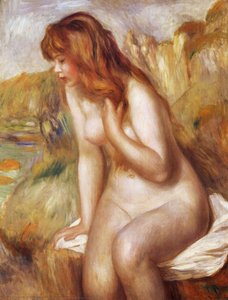
Leaving the Bath


Experience the serene tranquility of Pierre-Auguste Renoir's Impressionist masterpiece Leaving the Bath, a beautiful 1890 depiction of grace and light that invites you to bring timeless elegance into your own collection.
 Rodyti daugiau
Pjeras Ogiustas Renuaras (Pierre-Auguste Renoir) – Prancūzų tapytojas, vienas iš garsiausių impresionizmo atstovų. Jo ikoninės drobės įkvėpė daugybę šiuolaikinės meno mokymų ir įvykdė svartą istoriją. Žiūrėtojams įtraukianti šviesos ir spalvos kompozicija.
Rankų darbo aliejinės reprodukcijos
Rankiniu būdu tapytas aliejus ant droblio jūsų pageidaujamame dydį ir rėmuose – mūsų menininkų darbas pagal užsakymą. ( Perjungti į spausdinimą Perejti prie skaitmeninių vaizdų)




P118B €10

P118H €10

P118W €10

P438Z €10

P508JH €12

P508YH €12

P805H €10

P805Z €10

P919BZ €10

P919G €10

P919XJ €10

P959ZH €10

P968JZ €12

W106C €8

W218G €10

W218JH €8

W218Y €10

W307PJ €10

W316G €10

W316PJ €8

W316Y €10

W398PJ €8

W4111J €10

W500HY €15

W500JH €15

W692G €12

W849H €8

W940BG €15

W953PJ €8




Standartinis
individualaus dydžio
CM
INCH
Pasirinkite iš mūsų nustatytų dydžių, atitinkančių originalaus meno kūrinio proporcijas.
Loading sizes...

plotis
aukštis
Įveskite jums reikiamą plotį ir aukštį, kad paveikslas atitiktų jūsų rėmą ar sieną. Kadangi šis darbas yra rankinio darbo, siekiant išgauti kitokio formos dydį, paveikslas gali būti šiek tiek didesnis (nuo kraštų bus palikta daugiau erdvės) arba mažesnis – pasirinkite jums patogiausią variantą. Prieš pradedant tapyti, atsiųsime jums skaitmeninį maketą patvirtinimui. Šioje puslapio nuotraukoje matomas vaizdas nėra galutinis rezultatas – jį parodys tik sukurtas maketas.
Ką galima pakeisti (pavyzdžiai): Pakeisti veidą į kliento nuotrauką; Pridėti augintinį (pvz., pakeisti katę šunimi); Įtraukti paslėptą žinutę fone; Pakeisti fono kraštovaizdį ar elementus.
Gavus užsakymą, TopImpressionists.com komanda susisieks su klientu el. paštu dėl instrukcijų ir pateiks maketo pavyzdį
Gavus užsakymą, TopImpressionists.com komanda susisieks su klientu el. paštu dėl instrukcijų ir pateiks maketo pavyzdį
Pristatymas visame pasaulyje () per 3–4 savaites, o ne įprastai – per 5 savaites. (23 spalis). Kokybė lieka nepakeičiama.

Nemokamas greitasis pristatymas visame pasaulyje

Aukštos kokybės lininis drobė

Pilnas siuntimo draudimas

Muitinės mokesčių grąžinimo garantija

Tikro spalvų atitikimo garantija

100 dienų grąžinimo politika (tik esant įtaigoms)

100% pinigų grąžinimo garantija

Nuolaida dideliems užsakymams
 Stiklo variantas prieinamas tik pasirinkus dydį iki 110 cm

Leaving the Bath
Reprodukcijos technika
Reprodukcijos dydis
-


Visų pasirinktų variantų kaina
€ 236
A Serene Encounter with Impressionism
In the soft, dappled light of 1890, Pierre-Auguste Renoir captured a moment that transcends time in his masterpiece, Leaving the Bath. This exquisite work serves as a window into the idyllic Parisian summers, inviting the viewer to step away from the chaos of modern life and into a realm of profound tranquility. The painting centers on a solitary female figure, seated with a grace that feels both intimate and monumental. Draped in a delicate sheet, her posture suggests a quiet moment of reflection following a refreshing dip in the water. Renoir does not merely depict a person; he captures an atmosphere of leisure and peace, where the gentle presence of a potted plant and a subtle floral vase enhance the organic beauty of the scene. The background, a shimmering expanse of water—perhaps a tranquil lake or a slow-moving river—acts as a mirror to the soul, grounding the composition in a sense of eternal stillness.
To gaze upon this work is to experience the very essence of the Impressionist movement. Renoir, a master of light, eschews the rigid, clinical lines of academic tradition in favor of loose, broken brushstrokes that dance across the canvas. This technique allows color to vibrate and light to flicker, mimicking the way the human eye perceives a fleeting moment before it vanishes. There is no heavy-handedness here; instead, there is a luminous quality where thin layers of paint allow the underlying tones to breathe, imbuing the subject's skin with an unparalleled, pearlescent glow. For the collector or interior designer, this technique offers a sensory richness that breathes life into any space, providing a focal point that feels dynamic and alive rather than static.
Historical Resonance and Emotional Depth
The historical significance of Leaving the Bath lies in its quiet rebellion against the formal constraints of the 19th-century Salon. During an era when art was often judged by its adherence to strict realism and historical grandeur, Renoir and his contemporaries sought to redefine beauty through subjective experience and emotional truth. This painting embodies that shift, prioritizing the sensation of warmth, the softness of fabric, and the rhythmic movement of nature over meticulous anatomical precision. It is a celebration of the ephemeral—the way sunlight hits a ripple in the water or the way a shadow falls across a draped limb.
Beyond its technical brilliance, the painting carries a deep emotional resonance that makes it an enduring choice for high-quality reproductions. It evokes feelings of nostalgia, comfort, and a gentle sort of melancholy that is deeply restorative. For those looking to curate an environment of sophistication and calm, this piece offers more than mere decoration; it provides an emotional anchor. Whether placed in a sunlit morning room or a quiet study, the painting’s harmonious palette and soothing subject matter serve as a constant reminder of the beauty found in life's simplest, most quiet intervals.
问答 (or more naturally for a website heading): Klausimai ir atsakymai
Kaip rasti panašių kūrinių kaip „Leaving the Bath“, autorius – Pjero Augustas Renaras?
Darbai, panašūs į „Leaving the Bath“, yra pateikti kūrinio Panašūs kūriniai puslapyje.
Iš kokio laikotarpio yra „Leaving the Bath“?
Istorinis laikotarpis kūriniam „Leaving the Bath“, autorius – Pjero Augustas Renaras yra 19th Century. Ši klasifikacija priskiria šį kūrinį konkrečiam meno istorijos etapui.
Kokią vietą meno istorijoje užima „Leaving the Bath“, autorius – Pjero Augustas Renaras?
Istoriškai „Leaving the Bath“ yra šio platesnio 19th Century laikotarpio Impressionism stiliaus kūrinys.
Susiję kūriniai




Autoriaus biografija
Pjero Ogusto Renaro: Šviesos ir Džiaugsmo Simfonija
Gimė 1841 m. vasario 25 d. Limuže, Prancūzijoje, Pjero Ogusto Renaras – tai menininko kelionės istorija nuo kuklių porceliano dailininko pradžių iki tapybos meistro, kuris įkūnijo impresionizmo esmę. Jo ankstyvieji metai, praleisti Paryžiuje su šeima, ieškant ekonominių galimybių, formavo jo meninę jautriąją pusę. Veršantis miestas, kupinas gyvybingo gatvės gyvenimo ir įvairių žmonių, tapo daugelio vėlesnių darbų įkvėpimu. Iš pradžių mokykloje dirbdamas porceliano dailininku – praktinis būdas patenkinti finansinius poreikius – jaunas Renaras rādavo pasislėpdamas muziejuje Liuve, kruopščiai studijuodamas Senosios Meistrų kūrybą ir ugdydamas grožio suvokimą, kuris tapo jo stiliaus požymiu. Šis ankstyvas susidūrimas su menu uždegė jame aistrą, pranokusią paprastą meistriškumą; tai buvo pašaukimas įamžinti šviesos ir gyvenimo nepalioviai kintančias savybes ant drobės. Vėliau jis įstojo į Čarlzo Gleiro studiją, kur užmezgė draugystę su būsimaisiais impresionistų judėjimo lyderiais Klodu Monė, Alfredu Sisleiu ir Frederiku Baziliu – lemiamas momentas, padėjęs pagrindą visam meniniam stiliui.Nuo Realizmo iki Šviesaus Impresionizmo
Renaro meno raida buvo nuostabi transformacija, paveikta įvairių meistrų. Iš pradžių jis prisiartėjo prie Gustave Courbet ir Édouard Manet realizmo, vertindamas jų atsidavimą vaizduoti šiuolaikinį gyvenimą sąžiningai ir tiesiogiai. Tačiau būtent Peterio Paulo Rubenso ir Žano-Antuano Vato dvelkianti paletė bei jausmingos formos tikrai jį sužavėjo, įskiepydamos jo darbams gilią grožio vertinimo dozę ir polinkį vaizduoti džiaugsmo ir laisvalaikio scenas. Šie ankstyvieji įtaka susijungė, kai Renaras pradėjo formuoti savo unikalų stilių, pasižymintį ryškiomis spalvomis, sulaužytais potėpiais ir dėmesiu sutartinai sugauti šviesos nepalioviai kintančių efektų. Dalyvavimas 1874 m. pirmojo impresionistinio parodymo buvo lūžio momentas, nors iš pradžių susilaukė kritikos iš tradicinių meno ratų. Šis drąsus žingsnis paskelbė atsisakymą nuo akademinių konvencijų ir naujos meninės vizijos priėmimo – vienos, kuri siekė ne tik tai, ką mato akys, bet ir kaip jaučiasi patiriant tam tikrą momentą. Tokie paveikslai kaip Šokiai „Le Moulin de la Galette“ (1876) puikiausiai iliustruoja šį požiūrį, panardinant žiūrovus į Paryžiaus naktinio gyvenimo gyvybingą atmosferą su dryžuotu saulės šviesa ir džiaugsmingais veikėjais.Užfiksuojant Gyvenimo Nepalioviai Kintančius Momentus: Pagrindiniai Darbai ir Temos
Renaro kūrinys yra gyvenimo paprastų malonumų šventė – intymūs susitikimai, saulės pamirštos pakrantės ir žmogaus formos spindesio grožis. Palasūdinimas laivuose (1880–81) galbūt yra vienas iš jo labiausiai žinomų darbų, kuriame vaizduojama draugiška grupė mėgaujasi atsipalaiduojančiu popietės momentu ant Senos. Paveikslas yra meistriškumo pamoka, kaip užfiksuoti šviesą ir judesį, veikėjai prausti šiltais saulės spinduliais, o atspindžiai mirguliuoja vandenyje. Po vonios (1885–87) parodo Renaro išskirtinį įgūdžių moters nuotakos vaizdavime, pabrėžiant subtilias odos spalvas ir gražias pozas. Jo paveikslai nėra tik realybės atvaizdai; jie yra persunktinti šilumos, intymumo ir džiaugsmo jausmu, kuris giliai rezonuoja su žiūrovais. Jis nebuvo įsitikinęs didžiulių istorinių pasakojimų ar dramatiškų alegorijų vaizdavimu; vietoj to jis sutelkdavo dėmesį į kasdieniame gyvenime slypinčio grožio užfiksavimą, paaukštindamas paprastus momentus į meno kūrinius. Šokiai Bougival, dar vienas garsus kūrinys, parodo jo gebėjimą sugauti nepalioviai kintančių įspūdžių ir atmosferos efektų, sukurti judesio ir spontaniškumo jausmą.Pokyčiai Link Formos ir Struktūros: Vėlesni Metai ir Palikimas
1890-ųjų dešimtmetyje Renaro stilius patyrė reikšmingų pokyčių. Nors jis niekada visiškai neatmetė savo impresionistinių šaknų, jis pradėjo krypti link labiau skulptūrinio ir klasikinio požiūrio, įkvėptas kelionių į Italiją ir atnaujinto formos bei struktūros susidomėjimo. Šis pokytis buvo dalinai paskatintas ir fiziniais apribojimais – artritas palaipsniui sumažino jo mobilumą, priversdamas jį prisitaikyti prie savo technikos. Nepaisant šių iššūkių, Renaras toliau tapė su nepajudinamam atsidavimu, sukurdamas kūrinius, pasižymėjusius pilnesniais figūrų siluetais ir šiltesne palete. Jo vėlesni paveikslai dažnai atspindi labiau apmąstymo nuotaiką, tačiau jie išlaiko tą pačią esminę grožio šventimo temą, kuri apibrėžė jo ankstyvąjį darbą. Be meninių pasiekimų, Renaro palikimas tęsiasi per jo šeimą; sūnus Žanas Renaras tapo garsiu režisieriumi, perduodamas kūrybiškumo dvasią tarp kartų. Pjero Ogusto Renaras mirė 1919 m., palikęs ilgai trunkantį darbų rinkinį, kuris ir toliau įkvepia ir džiugina publikas visame pasaulyje. Jis išlieka vienu mėgstamiausių figūrų meno istorijoje, šlovinamas dėl savo gebėjimo užfiksuoti gyvenimo džiaugsmą ir žmogaus patirties grožį nepriekaištinga jautrumu ir malone.Amžinas Įtaka
- Renaro įtaka vėlesnėms menininkų kartoms neatsiejama. Jo dėmesys šviesai, spalvai ir nepalioviai kintančių momentų užfiksavimas atidarė kelią daugeliui moderniųjų meninių judėjimo krypčių.
- Jo grožio ir jausmingumo šventė iki šiol rezonuoja su publikomis visame pasaulyje, todėl jo darbai yra visuotinai patrauklūs.
- Jis atliko lemiamą vaidmenį įtvirtinant impresionizmo kaip svarbų faktorių meno istorijoje, iššaukdamas tradicinius konvencijų ir atverdamas naujas galimybes meninei raiškai.
- Jo paveikslų nuolatinis populiarumas – daugybė plakatų, kalendorių ir kitos prekės – liudija jo darbo amžiną kokybę.

Pjero Augustas Renaras
1841 - 1919 , Prancūzija
Trumpa informacija apie kūrėją
- Artistic Movement Or Style: Impresionizmas
- Artists Or Movements Influenced By This Artist: Impresionizmas
- Artists Who Influenced This Artist:
- Rubensas
- Vataus
- Kurbetas
- Manė
- Date Of Birth: 1841 m. vasario 25 d.
- Date Of Death: 1919 m. gruodžio 3 d.
- Full Name: Pjero Augustas Renuaras
- Nationality: Prancūzas
- Notable Artworks:
- Šokis Muleno de la Galetė
- Valgomojo plaukimo vakarėlis
- Po vonios
- Šokas Bugivalą
- Place Of Birth: Limožas, Prancūzija
Susiję straipsniai

Dining Room Elegance: Transforming Your Space with Impressionist Masterpieces
Elevate your dining room with the luminous beauty of Impressionist masterpieces. Discover how hand-painted Claude Monet and Renoir reproductions can transform your space into a sanctuary of light, color, and timeless elegance for your home.

The Magic of Lithography: Capturing Light and Texture in Every Impressionist Print
Discover the enchanting world of lithography through an Impressionist lens. Explore how this timeless technique captures the luminous light and delicate textures of masters like Monet and Renoir, offering a profound way to bring art history into your home with elegance and soul.

Soft Light & Velvet Touch: The Ethereal Magic of Pastel Artistry in Impressionist Masterpieces
Discover the ethereal beauty of pastel art through an Impressionist lens. Explore how masters like Monet and Renoir captured light and velvet textures, and learn to curate a collection of luminous, museum-quality masterpieces for your home.
The Soft Magic of Chalk: Capturing Light, Texture, and the Ethereal Soul of Impressionist Masterpieces
Discover the ethereal beauty of pastel and chalk art. Explore how Impressionist masters like Van Gogh and Degas captured light and texture to create timeless, soulful masterpieces for the discerning collector.
Tyrinėkite meno kūrinius, suskirstytus pagal temas, stilius ir savybes.


