


 Peržiūrėti realaus dydžio版
 Siųsti
 Dalintis
 Išsamiau
 Vadovas

 Atsisiųsti
 Panašūs eksponatai
 Rentgeno spindulių nuotrauka
 Diaporama
 Statistika
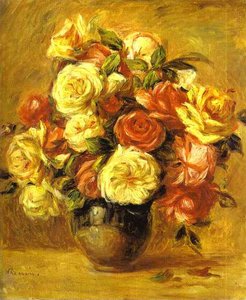
Roses


Admire Renoir's 'Roses,' a delicate Impressionist oil painting of two pink blooms in a vase. Own a museum-quality reproduction, capturing the artist’s mastery of light and color – available now!
 Rodyti daugiau
Pjeras Ogiustas Renuaras (Pierre-Auguste Renoir) – Prancūzų tapytojas, vienas iš garsiausių impresionizmo atstovų. Jo ikoninės drobės įkvėpė daugybę šiuolaikinės meno mokymų ir įvykdė svartą istoriją. Žiūrėtojams įtraukianti šviesos ir spalvos kompozicija.
Įsigykite aukštos skiriamosios raiškos, patobulintą skaitmeninį vaizdą, gerokai pranašesnį už internetinę peržiūrą.
Kiekvieną failą mūsų specialistai kruopščiai paruošia naudojant pažangias technologijas ir profesionalų rankinį retušavimą. Užtikriname, kad kiekvienas vaizdas pasižymėtų išskirtiniu aiškumu, tikslia spalvų atspalviu ir smulkiomis detalėmis.
Baigiamas failas el. paštu pristatomas per 72 valandas; jis optimizuotas nedelsiant naudojimui profesionalioje, redakcinėje ir spausdinimo aplinkoje. Tai ta pati kokybė, kuria pasitiki aukščiausios klasės dizaino studijos, leidyklos ir galerijos.
Skaitmeninis vaizdas
Atsisiųskite didelės raiškos failą asmeniniam naudojimui, spausdinimui ir kūrybiniams projektams. ( Perjungti į spausdinimą Pirkti rankomis tapytą reprodukciją)
Kiekvieną skaitinio vaizdo užsakymą papildė
Profesionalus skaitmeninis vaizdų pristatymas, garantuotas
Pasirinkę TopImpressionists.com, jūs ne tik gaunate paveikslėlį – jūs gaunate profesionaliai patobudintą skaitmeninį kūrinį, sukurtą itin tikniai ir užtikrinantį pasitenkinimą. Štai viską, kas automatiškai pritékia jūsų užsakymui:

Greitas nuotraukų gavimas el. paštu
Jūsų aukštos raiškos skaitmeninis vaizdo failas bus išsiųstas el. paštu per 72 valandas nuo užsakymo – jis bus paruoštas naudoti be jokių papildomų veiksmų.

Skaitmeninis failas su dirbtiniu intelektu
Jūsų meno kūrinys profesionaliai optimizuojamas naudojant pažangius dirbtinio intelekto įrankius ir rankinį redagavimą, užtikrinant maksimalią detalę, aiškumą ir spalvų tikslumą.

Nemokamas visam laikui pakartotinis siuntimas
Atsitiktinai ištrytikote ar praradote savo failą? Nebijokite – bet kuriuo metu atsiųsime jį jums vėl nemokamai.

Jokio importo mokesčio – niekada
Mėgaukitės savo meno kūriniu akimirka – skaitiniai failai visada yra neapmokestinami, todėl nereikės mokėti muitinės, mokesčių ar pristatymo mokesčių.

Spalvų tikslumo garantija
Naudodami profesionalią įrangą ir spalvų valdymo sistemas, užtikriname, kad jūsų skaitmeninis vaizdas kuo tiksliau atspindėtų originalias spalvas.

100 dienų patikimumo garantija
Jei nebuvosite patenkinti įsigyto skaitmeninio vaizdo, mes jį tališkai koreguosime arba grąžinsime 100% sumą per 100 dienų – be jokių klausimų.

100% pinigų grąžinimo garantija
Nesitenkinate? Gaukite visą sumokėtą sumą per 100 dienų nuo skaitmeninio failo gavimo – be jokių papildomų klausimų.

Nuolaidos dideliems užsakymams
Pirkti 3 nuotraukas – 10% nuolaida – Pirkti 5 – 15% nuolaida – Pirkti 10 ir daugiau – 20% nuolaida. Puikiai tinka kūrybiniams projektams, galerijoms bei agentūroms.
A Moment of Delicate Beauty: Pierre-Auguste Renoir’s “Roses”
Pierre-Auguste Renoir's "Roses," painted in 1904, is more than just a still life; it’s an exquisite distillation of Impressionist philosophy and a testament to the artist’s profound ability to capture fleeting beauty. This intimate scene, featuring two blushing pink roses nestled within a simple vase alongside verdant leaves, invites the viewer into a world of soft light, delicate color, and serene contemplation. The painting immediately establishes a mood of quiet elegance – a hallmark of Renoir's mature style.
Renoir’s choice to depict such an ordinary subject—a bouquet of roses—elevates it through his masterful technique. He wasn’t simply rendering flowers; he was translating the *experience* of seeing them: the way light dances on their velvety petals, the subtle variations in color, and the overall sense of freshness and vitality. The slightly larger rose, positioned as if to draw the eye first, suggests a deliberate composition, guiding the viewer's gaze through the scene with an understated grace.
The Impressionist Palette: Light, Color, and Movement
Executed in oil on canvas, “Roses” exemplifies Renoir’s signature Impressionistic style. He employed loose, visible brushstrokes – a deliberate rejection of academic precision – to create a sense of movement and luminosity. Rather than meticulously blending colors, he layered them, allowing the viewer's eye to mix them optically. This technique is particularly evident in the rendering of the petals, where subtle shifts in hue suggest the play of light and shadow. The dominant palette consists of soft pinks, greens, and whites, creating a harmonious and visually soothing effect.
Renoir’s use of color isn't merely descriptive; it’s emotive. The delicate pinks evoke feelings of romance, tenderness, and perhaps even nostalgia – emotions frequently explored in Renoir’s work. The greens provide a grounding element, anchoring the roses within their natural setting and contributing to the overall sense of tranquility.
A Window into Renoir's World
Born in Limoges in 1841, Pierre-Auguste Renoir’s artistic journey began with a practical apprenticeship in porcelain painting. This early experience instilled in him an appreciation for detail and craftsmanship, which he later channeled into his paintings. However, it was his frequent visits to the Louvre that truly ignited his passion for art, exposing him to the works of Old Masters like Raphael and Rembrandt. He absorbed their techniques, particularly their mastery of light and color, ultimately forging a unique style that blended classical influences with Impressionistic innovation.
“Roses,” painted in 1904, reflects this evolution. It’s a moment captured – a fleeting glimpse of beauty within the artist's own world. The painting speaks to Renoir’s lifelong fascination with capturing the essence of everyday life and transforming it into something extraordinary.
Owning a Piece of Art History
TopImpressionists.com offers exquisite, hand-painted reproductions of “Roses,” allowing art lovers to bring this iconic masterpiece into their homes or offices. These meticulously crafted reproductions capture not only the visual details but also the spirit and emotion of Renoir’s original painting. For those seeking a deeper understanding of the artwork, we encourage you to explore additional resources such as WikiArt.org and the Sakıp Sabancı Museum website. You can find more works by Renoir on our site at https://TopImpressionists.com.
Consider, too, the related works like “Roses and Jasmine in a Delft Vase” and “Roses in a Blue Vase,” showcasing Renoir’s consistent exploration of floral themes – demonstrating his enduring fascination with capturing the ephemeral beauty of nature.
问答 (or more naturally for a website heading): Klausimai ir atsakymai
Kaip „Roses“ stilius susijęs su kūrėjo laikmečiu?
„Roses“ priklauso Impressionist Style krypčiai, o jo kūrėjas dirbo XIX amžius laikotarpiu.
Ar galiu pamatyti „Roses“, autorius – Pjero Augustas Renaras rentgeno nuotrauką?
Darbino „Roses“, autorius – Pjero Augustas Renaras puslapio Rentgenas veją yra interaktyvus naršyklė, leidžiantis peržiūrėti vienu metu vienąn ਤੋਂ vienas dvylkant optinių vaizdo sluoksnių, įskaitant rentgeno tipo vaizdą.
Kokias spalvas naudoja „Roses“?
„Roses“, autorius – Pjero Augustas Renaras kūryboje naudojama Earthy spalvų paletė. Ši paletė apibūdina bendrą viso kūrinio spalvų charakterį.
Susiję kūriniai



Autoriaus biografija
Pjero Ogusto Renaro: Šviesos ir Džiaugsmo Simfonija
Gimė 1841 m. vasario 25 d. Limuže, Prancūzijoje, Pjero Ogusto Renaras – tai menininko kelionės istorija nuo kuklių porceliano dailininko pradžių iki tapybos meistro, kuris įkūnijo impresionizmo esmę. Jo ankstyvieji metai, praleisti Paryžiuje su šeima, ieškant ekonominių galimybių, formavo jo meninę jautriąją pusę. Veršantis miestas, kupinas gyvybingo gatvės gyvenimo ir įvairių žmonių, tapo daugelio vėlesnių darbų įkvėpimu. Iš pradžių mokykloje dirbdamas porceliano dailininku – praktinis būdas patenkinti finansinius poreikius – jaunas Renaras rādavo pasislėpdamas muziejuje Liuve, kruopščiai studijuodamas Senosios Meistrų kūrybą ir ugdydamas grožio suvokimą, kuris tapo jo stiliaus požymiu. Šis ankstyvas susidūrimas su menu uždegė jame aistrą, pranokusią paprastą meistriškumą; tai buvo pašaukimas įamžinti šviesos ir gyvenimo nepalioviai kintančias savybes ant drobės. Vėliau jis įstojo į Čarlzo Gleiro studiją, kur užmezgė draugystę su būsimaisiais impresionistų judėjimo lyderiais Klodu Monė, Alfredu Sisleiu ir Frederiku Baziliu – lemiamas momentas, padėjęs pagrindą visam meniniam stiliui.Nuo Realizmo iki Šviesaus Impresionizmo
Renaro meno raida buvo nuostabi transformacija, paveikta įvairių meistrų. Iš pradžių jis prisiartėjo prie Gustave Courbet ir Édouard Manet realizmo, vertindamas jų atsidavimą vaizduoti šiuolaikinį gyvenimą sąžiningai ir tiesiogiai. Tačiau būtent Peterio Paulo Rubenso ir Žano-Antuano Vato dvelkianti paletė bei jausmingos formos tikrai jį sužavėjo, įskiepydamos jo darbams gilią grožio vertinimo dozę ir polinkį vaizduoti džiaugsmo ir laisvalaikio scenas. Šie ankstyvieji įtaka susijungė, kai Renaras pradėjo formuoti savo unikalų stilių, pasižymintį ryškiomis spalvomis, sulaužytais potėpiais ir dėmesiu sutartinai sugauti šviesos nepalioviai kintančių efektų. Dalyvavimas 1874 m. pirmojo impresionistinio parodymo buvo lūžio momentas, nors iš pradžių susilaukė kritikos iš tradicinių meno ratų. Šis drąsus žingsnis paskelbė atsisakymą nuo akademinių konvencijų ir naujos meninės vizijos priėmimo – vienos, kuri siekė ne tik tai, ką mato akys, bet ir kaip jaučiasi patiriant tam tikrą momentą. Tokie paveikslai kaip Šokiai „Le Moulin de la Galette“ (1876) puikiausiai iliustruoja šį požiūrį, panardinant žiūrovus į Paryžiaus naktinio gyvenimo gyvybingą atmosferą su dryžuotu saulės šviesa ir džiaugsmingais veikėjais.Užfiksuojant Gyvenimo Nepalioviai Kintančius Momentus: Pagrindiniai Darbai ir Temos
Renaro kūrinys yra gyvenimo paprastų malonumų šventė – intymūs susitikimai, saulės pamirštos pakrantės ir žmogaus formos spindesio grožis. Palasūdinimas laivuose (1880–81) galbūt yra vienas iš jo labiausiai žinomų darbų, kuriame vaizduojama draugiška grupė mėgaujasi atsipalaiduojančiu popietės momentu ant Senos. Paveikslas yra meistriškumo pamoka, kaip užfiksuoti šviesą ir judesį, veikėjai prausti šiltais saulės spinduliais, o atspindžiai mirguliuoja vandenyje. Po vonios (1885–87) parodo Renaro išskirtinį įgūdžių moters nuotakos vaizdavime, pabrėžiant subtilias odos spalvas ir gražias pozas. Jo paveikslai nėra tik realybės atvaizdai; jie yra persunktinti šilumos, intymumo ir džiaugsmo jausmu, kuris giliai rezonuoja su žiūrovais. Jis nebuvo įsitikinęs didžiulių istorinių pasakojimų ar dramatiškų alegorijų vaizdavimu; vietoj to jis sutelkdavo dėmesį į kasdieniame gyvenime slypinčio grožio užfiksavimą, paaukštindamas paprastus momentus į meno kūrinius. Šokiai Bougival, dar vienas garsus kūrinys, parodo jo gebėjimą sugauti nepalioviai kintančių įspūdžių ir atmosferos efektų, sukurti judesio ir spontaniškumo jausmą.Pokyčiai Link Formos ir Struktūros: Vėlesni Metai ir Palikimas
1890-ųjų dešimtmetyje Renaro stilius patyrė reikšmingų pokyčių. Nors jis niekada visiškai neatmetė savo impresionistinių šaknų, jis pradėjo krypti link labiau skulptūrinio ir klasikinio požiūrio, įkvėptas kelionių į Italiją ir atnaujinto formos bei struktūros susidomėjimo. Šis pokytis buvo dalinai paskatintas ir fiziniais apribojimais – artritas palaipsniui sumažino jo mobilumą, priversdamas jį prisitaikyti prie savo technikos. Nepaisant šių iššūkių, Renaras toliau tapė su nepajudinamam atsidavimu, sukurdamas kūrinius, pasižymėjusius pilnesniais figūrų siluetais ir šiltesne palete. Jo vėlesni paveikslai dažnai atspindi labiau apmąstymo nuotaiką, tačiau jie išlaiko tą pačią esminę grožio šventimo temą, kuri apibrėžė jo ankstyvąjį darbą. Be meninių pasiekimų, Renaro palikimas tęsiasi per jo šeimą; sūnus Žanas Renaras tapo garsiu režisieriumi, perduodamas kūrybiškumo dvasią tarp kartų. Pjero Ogusto Renaras mirė 1919 m., palikęs ilgai trunkantį darbų rinkinį, kuris ir toliau įkvepia ir džiugina publikas visame pasaulyje. Jis išlieka vienu mėgstamiausių figūrų meno istorijoje, šlovinamas dėl savo gebėjimo užfiksuoti gyvenimo džiaugsmą ir žmogaus patirties grožį nepriekaištinga jautrumu ir malone.Amžinas Įtaka
- Renaro įtaka vėlesnėms menininkų kartoms neatsiejama. Jo dėmesys šviesai, spalvai ir nepalioviai kintančių momentų užfiksavimas atidarė kelią daugeliui moderniųjų meninių judėjimo krypčių.
- Jo grožio ir jausmingumo šventė iki šiol rezonuoja su publikomis visame pasaulyje, todėl jo darbai yra visuotinai patrauklūs.
- Jis atliko lemiamą vaidmenį įtvirtinant impresionizmo kaip svarbų faktorių meno istorijoje, iššaukdamas tradicinius konvencijų ir atverdamas naujas galimybes meninei raiškai.
- Jo paveikslų nuolatinis populiarumas – daugybė plakatų, kalendorių ir kitos prekės – liudija jo darbo amžiną kokybę.

Pjero Augustas Renaras
1841 - 1919 , Prancūzija
Pagrindinė informacija
- Artistic Movement Or Style: Impresionizmas
- Artists Or Movements Influenced By This Artist: Impresionizmas
- Artists Who Influenced This Artist:
- Rubensas
- Vataus
- Kurbetas
- Manė
- Date Of Birth: 1841 m. vasario 25 d.
- Date Of Death: 1919 m. gruodžio 3 d.
- Full Name: Pjero Augustas Renuaras
- Nationality: Prancūzas
- Notable Artworks:
- Šokis Muleno de la Galetė
- Valgomojo plaukimo vakarėlis
- Po vonios
- Šokas Bugivalą
- Place Of Birth: Limožas, Prancūzija