


 Peržiūrėti realaus dydžio版
 Siųsti
 Dalintis
 Išsamiau
 Vadovas

 Atsisiųsti
 Panašūs eksponatai
 Rentgeno spindulių nuotrauka
 Diaporama
 Statistika
Landscape in Normady
 Oil On Canvas
- WallArt
- Post-Impressionism
 1920
1920- Modern
 100.0 x 60.0 cm
A vibrant post-impressionist landscape by Pierre Bonnard featuring lush green fields and rolling hills under a clear blue sky, offering a tranquil window into 1920s France for your private collection.
 Rodyti daugiau
Prancūzų post-įspūdinis dailininkas Pierre Bonnard (1867–1947) žinomas dėl intymių scenų, ryškių spalvų ir 'Intimist' stiliaus. Tyrinėkite jo palikimą bei ikoninius kūrinius, tokius kaip "Moteris rombiniame sijone"!
Rankų darbo aliejinės reprodukcijos
Rankiniu būdu tapytas aliejus ant droblio jūsų pageidaujamame dydį ir rėmuose – mūsų menininkų darbas pagal užsakymą. ( Perjungti į spausdinimą Perejti prie skaitmeninių vaizdų)




P118B €10

P118H €10

P118W €10

P438Z €10

P508JH €12

P508YH €12

P805H €10

P805Z €10

P919BZ €10

P919G €10

P919XJ €10

P959ZH €10

P968JZ €12

W106C €8

W218G €10

W218JH €8

W218Y €10

W307PJ €10

W316G €10

W316PJ €8

W316Y €10

W398PJ €8

W4111J €10

W500HY €15

W500JH €15

W692G €12

W849H €8

W940BG €15

W953PJ €8




Standartinis
individualaus dydžio
CM
INCH
Pasirinkite iš mūsų nustatytų dydžių, atitinkančių originalaus meno kūrinio proporcijas.
Loading sizes...

plotis
aukštis
Įveskite jums reikiamą plotį ir aukštį, kad paveikslas atitiktų jūsų rėmą ar sieną. Kadangi šis darbas yra rankinio darbo, siekiant išgauti kitokio formos dydį, paveikslas gali būti šiek tiek didesnis (nuo kraštų bus palikta daugiau erdvės) arba mažesnis – pasirinkite jums patogiausią variantą. Prieš pradedant tapyti, atsiųsime jums skaitmeninį maketą patvirtinimui. Šioje puslapio nuotraukoje matomas vaizdas nėra galutinis rezultatas – jį parodys tik sukurtas maketas.
Ką galima pakeisti (pavyzdžiai): Pakeisti veidą į kliento nuotrauką; Pridėti augintinį (pvz., pakeisti katę šunimi); Įtraukti paslėptą žinutę fone; Pakeisti fono kraštovaizdį ar elementus.
Gavus užsakymą, TopImpressionists.com komanda susisieks su klientu el. paštu dėl instrukcijų ir pateiks maketo pavyzdį
Gavus užsakymą, TopImpressionists.com komanda susisieks su klientu el. paštu dėl instrukcijų ir pateiks maketo pavyzdį
Pristatymas visame pasaulyje () per 3–4 savaites, o ne įprastai – per 5 savaites. (26 spalis). Kokybė lieka nepakeičiama.

Nemokamas greitasis pristatymas visame pasaulyje

Aukštos kokybės lininis drobė

Pilnas siuntimo draudimas

Muitinės mokesčių grąžinimo garantija

Tikro spalvų atitikimo garantija

100 dienų grąžinimo politika (tik esant įtaigoms)

100% pinigų grąžinimo garantija

Nuolaida dideliems užsakymams
 Stiklo variantas prieinamas tik pasirinkus dydį iki 110 cm

Landscape in Normady
Reprodukcijos technika
Reprodukcijos dydis
-


Visų pasirinktų variantų kaina
€ 236
A Symphony of Light and Verdure
In the gentle embrace of Pierre Bonnard’s Landscape in Normandy, we find ourselves transported to a world where the boundaries between reality and memory begin to dissolve. Painted in 1920, this masterpiece serves as a breathtaking testament to the Post-Impressionist spirit, capturing not just a physical location, but an emotional atmosphere. The canvas unfolds with a lush, vibrant green field that seems to pulse with life, stretching toward a horizon where the earth meets a crystalline blue sky. Bonnard, a master of the Nabis movement, utilizes a palette that feels both deeply grounded in nature and dreamily elevated by light. The composition is anchored by dark, intricate trees that provide a rhythmic structure to the scene, their silhouettes acting as delicate lace against the vastness of the heavens.
The technique employed here is nothing short of hypnotic. Eschewing the rigid lines of academic tradition, Bonnard utilizes loose, expressive brushstrokes that allow colors to bleed and dance into one another. This method creates a sense of movement, as if a soft breeze is passing through the foliage at the very moment we gaze upon it. The interplay of light and shadow is particularly masterful; the artist does not merely depict sunlight, but rather captures its warmth and its transformative power over the landscape. For the discerning collector or interior designer, this painting offers a profound sense of depth and three-dimensionality, making it a centerpiece capable of breathing vitality into any sophisticated space.
The Intimacy of the French Landscape
Beyond the technical brilliance lies a deeper, more poignant narrative. During this period of his life, Bonnard was deeply invested in capturing the quiet, domestic, and pastoral rhythms of French life. In Landscape in Normandy, the inclusion of small, indistinct figures adds a layer of human connection to the sprawling natural world. These tiny silhouettes do not dominate the scene; instead, they serve as anchors of scale, reminding us of our humble place within the grandeur of nature. They suggest a moment of quiet repose, a fleeting instance of peace in a world that was, in 1920, still recovering from the tremors of global conflict.
The rolling hills in the background, soft and undulating like waves of silk, contribute to an overwhelming sense of tranquility. There is a rhythmic harmony in the way the green foreground transitions into the deep tones of the middle ground, eventually yielding to the infinite blue above. This seamless flow creates a meditative experience for the viewer, inviting one to lose themselves in the pastoral beauty. For those seeking to curate an environment of serenity and elegance, this reproduction offers more than just decoration; it provides a window into a timeless, sun-drenched era of French art history, embodying a legacy of light, color, and profound emotional resonance.
问答 (or more naturally for a website heading): Klausimai ir atsakymai
Kokia yra „Landscape in Normady“, autorius – Pjeras Bonaras dominuojanti spalva?
Espresso (#49584e) yra pagrindinė kūrinio „Landscape in Normady“, autorius – Pjeras Bonaras spalva.
Kam rekomenduojamas „Landscape in Normady“, autorius – Pjeras Bonaras reprodukcija?
„Landscape in Normady“, autorius – Pjeras Bonaras reprodukcija rekomenduojama Mood. Šis pasiūlymas grindžiamas kūrinio tema, nuotaika ir spalvomis.
Kas sukūrė „Landscape in Normady“ ir kokia metais?
Pjeras Bonaras sukūrė „Landscape in Normady“ 1920 m.
Susiję kūriniai


Autoriaus biografija
Šviesos Pamirštas Pasaulis: Pierre’o Bonnardo Žygytis
Pierre’as Bonnardas, gimęs 1867 metais Paryžiaus priemiestyje Fontenė prie Rozo, nebuvo skirtas meniško gyvenimo. Jo tėvas, aukšto rango Karo ministerijos pareigūnas, sūnui numatė teisės karjerą. Jaunas Pierre atkakliai sekė teisininkų kelią, 1888 metais įgijęs licenciją, tačiau jo širdis ilgosi kažko kito – spalvų ir formų viliojančio pasaulio. Ši dvejopumas, tarp lūkesčių ir aistros susidūrimas, subtiliai paveikė jo meninę kelionę, suteikdamas darbams unikalų jintymą. Jis pirmiausia bandėsi karikatūrų kūrime, lavindamas stebėjimo įgūdžius, kurie vėliau išaugo į nuostabiai atvaizduotus namų interjerus. Tačiau būtent Žiuljano akademijoje Bonnardas tikrai rado savo kelią, susitinkantis su bendamiais, kurie dalijosi jo augančiu nepritarimu akademinėms konvencijoms ir priėmė Paryžių apėmusį avangardinį dvasios. Šis susitikimas nuvedė jį į „Nabių“ grupę – menininkų, kurių tarpe buvo Maurice’as Denis, Paulius Sérusier ir Édouard Vuillard – kurie siekė įpūsti menui dvasingumo ir simbolizmo, peržengdami tiesioginį atvaizdavimą link vidinės patirties tyrinimo.„Nabių“ Metai ir Jintymo Kultivavimas
Bonnardo asociacija su „Nabiais“ buvo kertinis akmuo. Grupės pabrėžtas plokščias formas, ryškios spalvų paletės ir atsisakymas tradicinės perspektyvos giliai rezonavo su jo meniniais jausmais. Įkvėptas japonų gravūrų – jų elegantiškomis linijomis ir harmoninėmis kompozicijomis – bei simbolistinio judėjimo tyrimais dėl subjektyvių emocijų, Bonnardas pradėjo kurti savo unikalų stilių. Jis nebuvo suinteresuotas didžiosiomis naratyvomis ar istorinėmis alegorijomis; vietoj to jis pasuko į vidų, sutelkdamas dėmesį į kasdienio gyvenimo tylias akimirkas: moteris voniojasi, šeima susirenka prie vakarienės, saulėje pamirštas sodas. Tai nebuvo tik scenų atvaizdai, bet jausmų distiliatai – atminties ir atmosferos sukeliami įspūdžiai. Šis dėmesys jintymam pelnė jam „Intimist“ etiketę, terminą, puikiai apibūdinantį jo darbų emocinį atgarsį. Jo paveiklai ne apie *ką* yra pavaizduota, bet apie tai, *kaip jaučiasi* esant tądienio akimirkoje. Jis dirbo iš atminties, kruopščiai piešė ir tada persakydavo tuos įspūdžius ant drobės su nepaprastu jautrumu šviesai ir spalvai.Spalva kaip Emojis: Spalvininkas Virtuoza
Bonnardo spalvų meistriškumas yra, be abejo, jo apibrėžiančia savybe. Jis ne tik *naudojo* spalvas; jis jį *jautė*, leisdamas jam diktuoti paveikslų nuotaiką ir atmosferą. Jo paletė buvo ryški, tačiau niuansuota, dažnai naudojant nuspėjimus spalvų derinius, kurie sukūrė spindinčio šviesumo jausmą. Jis garsiai perskaitė baigtus drobelius, subtiliai koreguodamas spalvas per kelis darbus, kad pasiektų tobulą harmoniją – tai bylojo apie jo įsipareigojimą spalviniam balansui. Tai nebuvo realistinis atvaizdavimas; tai buvo siekis užčiuopti subjektyvią spalvos patirtį, jos gebėjimą sužadinti emocijas ir atmintį. Jis atsisakė tiesioginės stebėjimo, pageidaujant dažniau piešti iš prisiminimų, leidžiantis į jo scenas įpūsti sapnų kokybę. Jo peizažai nebuvo tik vietų vaizdai, bet emociniai atsakymai į juos – filtruojami per asmeninės patirties prizmą.Vėlesnis Gyvenimas ir Patalpintas Palikimas
Bonnardas subrendęs, jo meninis dėmesys vis labiau perkelti į spalvos ir šviesos tyrinimo kryptimi. Jis praleido vis daugiau laiko Pietų Prancūzijoje, sužavėtas Viduržemio jūros kraštovaizdžio ir jo intensyvaus šviesumo. Jo santykis su Marthe de Meligny, jo žmona ir nuolatinė mūza, išliko centrinis jo gyvenime ir darbe. Ji dažnai pasirodo jo paveiksluose, dažniausiai pavaizduota voniojantis arba užsiimanti kasdieniais darbais, jos buvimas spinduliuoja tylią malonę ir jintymą. 1912 metais jis įsigijo „La Roulotte“ Vernonete, netoliese Giverny, sukurdamas glaudžius ryšius su Claude Monet. Šis artumas Impresionizmo meistrui dar labiau paskatino Bonnardo tyrinimus dėl šviesos ir spalvos, nors jis visada išlaikė savo atskirą meninę viziją. Jis tęsė dažyti iki netrukus prieš mirtį 1947 metais, palikdamas kūrinių rinkinį, kuris ir toliau žavi ir įkvepia. Bonnardo įtaka vėlesnėms kartoms menininkų yra neatsiejama. Jo dėmesys subjektyviai patirčiai, spalvų meistriškumas ir kasdienybės šventimas paliko nenusakomą pėdsaką moderniajame mene. Jis parodė, kad grožį galima rasti ne didžiose gestuose ar herojiniuose pasakojimuose, bet kasdieniame gyvenime – pamirštas šviesoje ir įkvėptas emocijomis.Žymūs Darbai & Kolekcijos
- Moteris Žiūrėdama Į Raštus (1890): Ankstyvas pavyzdys jo „Nabių“ įtakoto stiliaus, kuriame parodytos plokščios formos ir ryškūs spalvų deriniai.
- Valgomasis (1913): Tipinis Intimist scenas, užčiuopiantis namų gyvenimo šilumą ir jintymą.
- Vaisinė Dubenėlė (apie 1933 m.): Parodo jo stilizavimo meistriškumą, ryškiomis spalvomis ir spindinčio gylio jausmu.
- Almondo Medis Žydėjimo (1947): Vienas iš paskutinių paveiklų, baigtas likus vos keletui dienų iki jo mirties, parodydamas jo nuolatinį tyrinimus dėl šviesos ir spalvos.
- Musée Marmottan Monet, Paryžius, Prancūzija
- Art Institute of Chicago
- Museum of Modern Art, Niujorkas
- Tate Modern, Londonas

Pjeras Bonaras
1867 - 1947 , Prancūzija
Trumpa informacija apie kūrėją
- Artistic Movement Or Style: Post-Impressionizmas, Intimizmas
- Artists Or Movements Influenced By This Artist:
- Les Nabis
- Intimizmas
- Artists Who Influenced This Artist:
- Polis Gogenas
- Hokusai
- Date Of Birth: 1867 m. spalio 3 d.
- Date Of Death: 1947 m. sausio 23 d.
- Full Name: Pjeras Bonaras
- Nationality: Prancūzas
- Notable Artworks:
- Moteris laikrodžio sijone
- Valgomasis
- Vaisių dubuo
- Žydintis migdolų medis
- Place Of Birth: Fontenė prie Rozo, Prancūzija
Susiję straipsniai

Beyond the Light: Discovering the Soul and Emotional Depth of Post-Impressionism
Embark on a cultural journey through Post-Impressionism. Discover the profound emotional depth of masters like Van Gogh and Cézanne, exploring how they moved beyond light to capture the very soul of human experience through vibrant color and symbolic form.
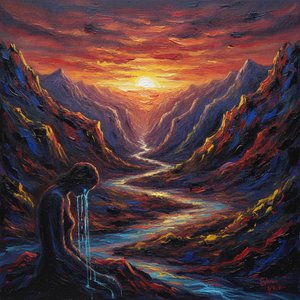
Capturing Emotion: A Journey Through the Soul of Expressionist Landscapes
Explore the profound emotional depth of Expressionist landscapes. Discover how Post-Impressionist masters moved beyond light to capture the soul through vibrant color and form. A curated journey for true art lovers seeking the beauty of expressive mastery.
Tyrinėkite meno kūrinius, suskirstytus pagal temas, stilius ir savybes.


