


 Peržiūrėti realaus dydžio版
 Siųsti
 Dalintis
 Išsamiau
 Vadovas

 Atsisiųsti
 Panašūs eksponatai
 Rentgeno spindulių nuotrauka
 Diaporama
 Statistika
Electricity
 Watercolor
- WallArt
- Fauvism
 1937
1937- Modern
 50.0 x 65.0 cm
A vibrant watercolor capturing the bustling energy of a 1937 cityscape, this masterpiece by French Fauvist Raoul Dufy brings a joyful sense of urban life to your collection through its luminous colors and light.
 Rodyti daugiau
Raoul Dufy (1877-1953) – prancūzų fovizmo meistras, garsėjęs spalvingais paveikslais, džiaugsmingomis scenomis ir dekoratyviu stiliumi. Jo darbai įkvepia optimizmą ir modernumo dvasią.
Rankų darbo aliejinės reprodukcijos
Rankiniu būdu tapytas aliejus ant droblio jūsų pageidaujamame dydį ir rėmuose – mūsų menininkų darbas pagal užsakymą. ( Perjungti į spausdinimą Perejti prie skaitmeninių vaizdų)




P118B €10

P118H €10

P118W €10

P438Z €10

P508JH €12

P508YH €12

P805H €10

P805Z €10

P919BZ €10

P919G €10

P919XJ €10

P959ZH €10

P968JZ €12

W106C €8

W218G €10

W218JH €8

W218Y €10

W307PJ €10

W316G €10

W316PJ €8

W316Y €10

W398PJ €8

W4111J €10

W500HY €15

W500JH €15

W692G €12

W849H €8

W940BG €15

W953PJ €8




Standartinis
individualaus dydžio
CM
INCH
Pasirinkite iš mūsų nustatytų dydžių, atitinkančių originalaus meno kūrinio proporcijas.
Loading sizes...

plotis
aukštis
Galite įvesti savo matmenis, kad jie atitiktų konkretų rėmą ar erdvę. Jei pasirinktas dydis neatitinka originalaus paveikslėlio proporcijų, mes arba apkropsime meno kūrinį, arba papildysime tapybą rankomis dažytい elementais. Prieš pradėdami gamybą, jūsų patvirtinimui atsiųsime skaitmeninį maketą.
Atkreipkite dėmesį, kad ekrane rodomas vaizdas neatspindi tikrojo apkarpymo ar papildymo. Tik maketas tiksliai parodys galutinę kompoziciją.
Nors galima rinktis ir individualius dydžius, rekomenduojame pasirinkti matmenis iš nustatytos sąrašo, kad būtų išlaikytos originalios proporcijos.
Ką galima pakeisti (pavyzdžiai): Pakeisti veidą į kliento nuotrauką; Pridėti augintinį (pvz., pakeisti katę šunimi); Įtraukti paslėptą žinutę fone; Pakeisti fono kraštovaizdį ar elementus.
Gavus užsakymą, TopImpressionists.com komanda susisieks su klientu el. paštu dėl instrukcijų ir pateiks maketo pavyzdį
Gavus užsakymą, TopImpressionists.com komanda susisieks su klientu el. paštu dėl instrukcijų ir pateiks maketo pavyzdį
Pristatymas visame pasaulyje () per 3–4 savaites, o ne įprastai – per 5 savaites. (27 rugsėjis). Kokybė lieka nepakeičiama.

Nemokamas greitasis pristatymas visame pasaulyje

Aukštos kokybės lininis drobė

Pilnas siuntimo draudimas

Muitinės mokesčių grąžinimo garantija

Tikro spalvų atitikimo garantija

100 dienų grąžinimo politika (tik esant įtaigoms)

100% pinigų grąžinimo garantija

Nuolaida dideliems užsakymams
 Stiklo variantas prieinamas tik pasirinkus dydį iki 110 cm

Electricity
Reprodukcijos technika
Reprodukcijos dydis
-


Visų pasirinktų variantų kaina
€ 232
A Symphony of Urban Vitality
In his 1937 masterpiece, Electricity, Raoul Dufy captures the electric pulse of modern existence through a lens of pure, unadulterated joy. This watercolor serves as more than just a depiction of a cityscape; it is a rhythmic dance of light and movement that celebrates the burgeoning energy of the twentieth-century metropolis. As the eye wanders across the canvas, one encounters a bustling urban landscape where grand architectural structures stand alongside smaller, intimate buildings, all interconnected by the invisible currents of human activity. The scene is alive with the presence of people navigating their daily routines, some pausing near parked vehicles while others move through the streets, creating a sense of continuous, flowing motion that mirrors the very subject of the title.
Dufy’s signature style—a luminous blend of Fauvism and Impressionism—is on full display here. Eschewing heavy, somber outlines for a more fluid and decorative approach, he utilizes the transparency of watercolor to allow light to permeate the composition. The technique is characterized by spontaneous, sweeping brushstrokes that suggest form rather than strictly defining it, allowing the viewer's imagination to fill in the vibrant details of the windows, the silhouettes of pedestrians, and even the subtle suggestion of an umbrella, hinting at a recent or passing rain. This delicate interplay between light and pigment creates a shimmering effect, as if the painting itself is vibrating with the kinetic energy of the city.
Beyond its visual splendor, Electricity carries a profound historical resonance. Created in the late 1930s, a period of immense technological and social transformation, the work reflects the fascination with modern progress and the electrification of urban life. The title serves as a metaphor for both the literal power grids transforming cities and the metaphorical spark of human connection and vitality found within the crowd. For the collector or interior designer, this piece offers an unparalleled opportunity to introduce a sense of movement and optimism into a space. Its bright, airy composition and sophisticated use of color make it a versatile centerpiece, capable of breathing life into a contemporary gallery or adding a touch of French joie de vivre to a refined residential setting.
To possess a reproduction of this work is to invite the spirit of Raoul Dufy into one's home—a spirit that finds beauty in the mundane and magic in the mechanical. It is an invitation to pause amidst the chaos of modern life and find, as Dufy did, the rhythmic, colorful, and deeply human heartbeat that exists within the heart of the city.
Susiję kūriniai


Autoriaus biografija
Raoulio Dufy gyvenimo ir kūrybos kelias: spalvų simfonija
Raulis Dufis, 1877 metais gimęs Normandijos uostamiestyje Le Havre, greitai tapo menininku, kurio vardas asocijuojasi su džiaugsmu, gyvybingumu ir išskirtine prancūziška *joie de vivre*. Jo kelionė prasidėjo ne tarp dažų ir molbertų, o praktiniame komercijos pasaulyje – po keturiolikos metų mokyklos palikęs jis dirbo kavos importo įmonėje. Tačiau net tada nesustabdoma buvo meninės ekspresijos trauka. Vakarinės pamokos Le Havre’o Beaux-Arts mokykloje uždegė aistrą, kuri nulemė jo gyvenimą, sukuriant draugystes su Raimond Lecourt ir Othon Friesz – bendraminčiais, kurie dalijosi studija Montmartre ir įsipareigojo tyrinėti naujas vizualines kalbas. Šie ankstyvieji metai buvo giliai įmerkti į impresionizmo įtaką, ypač Claude Monet ir Camille Pissarro šviesius peizažus, padėdami Dufy pamatus vėlesniam šviesos ir spalvos meistriškumui. Jis gavo stipendiją studijuoti École Nationale supérieure des Beaux-Arts Paryžiuje, toliau ugdydamas įgūdžius ir panardindamas save į to meto meno audrą.Fauvizmo apėmimas ir savito stiliaus atradimas
XX amžiaus pradžioje Dufis naršė besikeičiančią šiuolaikinio meno aplinką. Pradinės pastangos nuvedė jį į kubizmą, tačiau Henri Matisse’o novatoriškas *Luxe, Calme et Volupté* 1905 metų Salon des Indépendants parodoje pasirodė tikrai transformuojančiu. Drasus spalvų audringumas ir ekspresijos laisvė, išlaisvintos Matisse’o ir jo „Fauves“ – laukinių žvėrių – giliai rezonavo su Dufiu, stumdamas jį link stiliaus, pasižyminčio ryškiais atspalviais ir atlaisvinta potepais. Tačiau Dufis tiesiogiai nekopijavo; jis įsisavino Fauvizmo energiją ir išgrynino ją iki unikalios savitos formos. Jis atitolė nuo griežto judėjimo kanonų, sukuriant dekoratyvesnį ir sklandesnį požiūrį. Šiuo laikotarpiu jis eksperimentavo su įvairiomis medijomis – iliustracija, tekstilės dizainas Paul Poiret, netgi keramika – rodydamas nepaprastą universalumą, kuris išėjo už tradicinio tapybos ribų. Jo dizainai nebuvo tik taikomasis papuošimas; jie buvo integralios jo artistinės vizijos išraiškos, suteikiančios spalvą ir dinamiką kasdieniniams objektams.Stenografinis stilius: šiuolaikinio gyvenimo užfiksavimas
XX dešimtmetyje Dufis visiškai sužydėjo kaip savo vadinamojo „stenografinio“ stiliaus meistras. Ši technika apėmė greitą plonų spalvų sluoksnių tepimą ant skeletinės struktūros, sukuriant judėjimo ir spontaniškumo įspūdį. Tai buvo metodas, puikiai tinkantis užfiksuoti šiuolaikinio gyvenimo energiją – jachtų regatas, triukšmingus miesto vaizdus, elegantiškus socialinius susibūrimus Prancūzijos Rivjeroje. Dufis nesidomėjo kruopšia detale; jis siekė perteikti atmosferą, emocijas ir trumpalaikį momento grožį. Jo paveikslai tapo laisvalaikio, malonumo ir šiuolaikinės visuomenės gyvybingumo šventėmis. Jis nutapė orkestrus, lenčių trasas ir jūros kraštovaizdžius energingu stiliumi, užfiksavęs Džiazo amžiaus dvasią. Šiuo laikotarpiu jis ėjo didelio masto užsakymus, įskaitant monumentalų *La Fée Electricité* darbą 1937 metų Exposition Internationale Paryžiuje – didžiulį kūrinį, šlovinantį elektros poveikį šiuolaikinio gyvenimo būdui, sukurtą greitai ir išradingai naudojant naują greitai džiūstančią mediją.Palikimas ir nesenstantis patrauklumas
Nepaisydamas sveikatos problemų vėlesniais metais dėl reumatoidinio artrito, Dufis tęsė tapybą nepajudinama aistra iki savo mirties 1953 metais. Jo darbai yra saugomi prestižiniuose kolekcijose visame pasaulyje, įskaitant Karališkosios kolekcijos muziejų Jungtinėje Karalystėje, liudijant jo nesenstantį artistinį reikšmingumą. Dufio įtaka apima ne tik tapybą; jo dizainas ir toliau įkvepia tekstilės ir dekoratyviosios dailės meną. Jis paliko didžiulį kūrinių rinkinį – tūkstančius paveikslų, akvarelių, piešinių, spaudinių ir taikomosios dailės darbų – kurie kolektyviai reprezentuoja gyvenimo, spalvos ir kasdienio grožio šventę. Raulis Dufis nebuvo tik tapytojas; jis buvo savo laikmečio kronikininkas, užfiksavęs amžiaus dvasią unikaliu Fauvizmo energijos, dekoratyvinio stiliaus ir ryškios optimizmo vizijos mišiniu. Jo menas išlieka giliai aktualus šiandien, siūlantis gyvybingą pabėgimą ir priminimus mėgautis *joie de vivre*, kuris persmelkė jo gyvenimą ir kūrybą.Pagrindinės Dufio meno charakteristikos
- Gyvybinga spalvų paletė: Dufis buvo garsėjęs dėl ryškių, prisotintų spalvų naudojimo, dažnai tepiamų plonais sluoksniais.
- Dinamiška kompozicija: Jo paveiksluose dažnai pasirodo energingos kompozicijos, perteikiančios judėjimo ir spontaniškumo jausmą.
- Dekoratyvus stilius: Stiprus dekoratyvinis elementas yra nuolatinis jo darbuose, įkvėptas jo dizaino tekstilės ir keramikos srityse.
- Šiuolaikinio gyvenimo šventė: Dufio menas dažnai vaizduoja laisvalaikio scenas, socialinius susibūrimus ir šiuolaikinės visuomenės malonumus.
- Stenografinė technika: Jo firminiam stiliui būdinga greitas plonų spalvų sluoksnių tepimas ant skeletinės struktūros.

Raulis Diufi
1877 - 1953 , Prancūzija
Trumpa informacija apie kūrėją
- Gimimo Data: 1877 m. birželio 3 d.
- Gimimo Vieta: Le Havre, Prancūzija
- Menininkai, Kuriuos Įtakojo: ['Keramika & Tekstilė']
- Meninis Stilius: Fovizmas
- Mirties Data: 1953 m. kovo 23 d.
- Pilietybė: Prancūzas
- Pilnas Vardas: Raoul Dufy
- Įtakoję Menininkai:
- Monet
- Pissarro
- Matisse
- Žymiausi Darbai:
- The Thoroughbred
- Portrait of Mme. Dufy
- La Fée Electricité
Susiję straipsniai
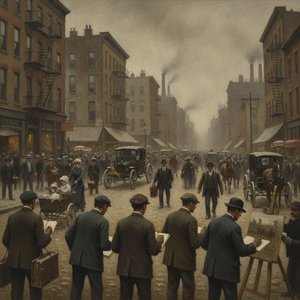
The Ashcan School: Capturing the Raw, Unfiltered Soul of Urban Life through American Realism
Discover the raw beauty of the Ashcan School. Explore how masters like Bellows and Henri captured the gritty, vibrant soul of early 20th-century New York through profound American Realism and evocative urban landscapes.

Wild Colors & Raw Emotion: A Definitive Guide to the Fauvist Art Movement
Explore the vibrant world of Fauvism. Discover how masters like Matisse and Derain revolutionized art through bold colors and raw emotion in this expert guide to the 'Wild Beasts' movement.