

 Peržiūrėti realaus dydžio版
 Siųsti
 Dalintis
 Išsamiau
 Vadovas

 Atsisiųsti
 Panašūs eksponatai
 Rentgeno spindulių nuotrauka
 Diaporama
 Statistika
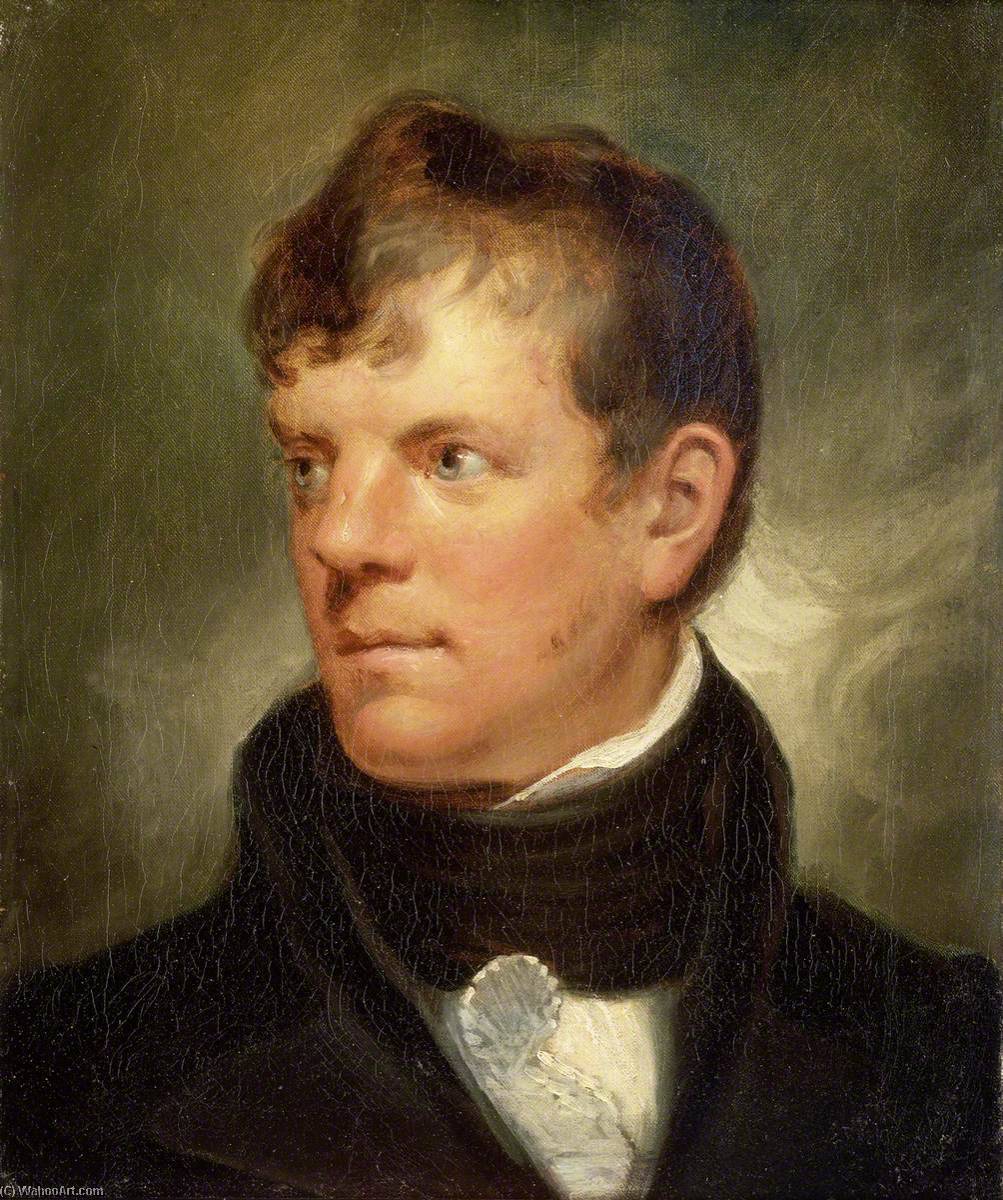
Captain William Rogers (b.1783)
 1808
1808 46.0 x 36.0 cm
A master of portrait and marine painting known for The Death of Nelson. Discover his powerful historical works today.
 Rodyti daugiau
Get a print-ready file that goes far beyond the web preview. Every digital image we sell comes from a high-resolution master in our stock database — usually 5,000 to 15,000 pixels wide — so you can print large, crop tightly, or reproduce fine detail with confidence.
No file leaves our studio untouched. A digital expert checks the colors against the original painting and corrects them if needed, then improves clarity and detail with professional retouching tools — always staying faithful to the artist's brushwork and style. The result is an image that looks like the painting, not like a filtered scan.
You approve before you're done: our expert sends the image by e-mail within 72 hours for your review. Not satisfied? Ask for improvements or corrections, or request a refund if the quality falls short.
This is the quality relied on by publishers, design studios, galleries and print shops.
Skaitmeninis vaizdas
Atsisiųskite didelės raiškos failą asmeniniam naudojimui, spausdinimui ir kūrybiniams projektams. ( Perjungti į spausdinimą Pirkti rankomis tapytą reprodukciją)
Kiekvieną skaitinio vaizdo užsakymą papildė
Profesionalus skaitmeninis vaizdų pristatymas, garantuotas
Pasirinkę TopImpressionists.com, jūs ne tik gaunate paveikslėlį – jūs gaunate profesionaliai patobudintą skaitmeninį kūrinį, sukurtą itin tikniai ir užtikrinantį pasitenkinimą. Štai viską, kas automatiškai pritékia jūsų užsakymui:

Greitas nuotraukų gavimas el. paštu
Jūsų aukštos raiškos skaitmeninis vaizdo failas bus išsiųstas el. paštu per 72 valandas nuo užsakymo – jis bus paruoštas naudoti be jokių papildomų veiksmų.

Skaitmeninis failas su dirbtiniu intelektu
Jūsų meno kūrinys profesionaliai optimizuojamas naudojant pažangius dirbtinio intelekto įrankius ir rankinį redagavimą, užtikrinant maksimalią detalę, aiškumą ir spalvų tikslumą.

Nemokamas visam laikui pakartotinis siuntimas
Atsitiktinai ištrytikote ar praradote savo failą? Nebijokite – bet kuriuo metu atsiųsime jį jums vėl nemokamai.

Jokio importo mokesčio – niekada
Mėgaukitės savo meno kūriniu akimirka – skaitiniai failai visada yra neapmokestinami, todėl nereikės mokėti muitinės, mokesčių ar pristatymo mokesčių.

Spalvų tikslumo garantija
Naudodami profesionalią įrangą ir spalvų valdymo sistemas, užtikriname, kad jūsų skaitmeninis vaizdas kuo tiksliau atspindėtų originalias spalvas.

100 dienų patikimumo garantija
Jei nebuvosite patenkinti įsigyto skaitmeninio vaizdo, mes jį tališkai koreguosime arba grąžinsime 100% sumą per 100 dienų – be jokių klausimų.

100% pinigų grąžinimo garantija
Nesitenkinate? Gaukite visą sumokėtą sumą per 100 dienų nuo skaitmeninio failo gavimo – be jokių papildomų klausimų.

Nuolaidos dideliems užsakymams
Pirkti 3 nuotraukas – 10% nuolaida – Pirkti 5 – 15% nuolaida – Pirkti 10 ir daugiau – 20% nuolaida. Puikiai tinka kūrybiniams projektams, galerijoms bei agentūroms.
Autoriaus biografija
A life shaped by the sea and the brush
Before he ever held a brush in a London studio, Samuel Drummond knew the rhythm of the Baltic trade routes. At thirteen, his world was defined by the salt and wood of ships, spending six or seven years in the sea service. This early time on the water left its mark on his later work, where the movement of waves and the weight of naval history became central themes. After leaving the navy, he worked briefly as a clerk, but the pull of the Royal Academy Schools in 1791 eventually led him away from ledgers and back to the visual arts.
His training began with crayons and oil, a path that saw him exhibit over three hundred works at the Royal Academy. He moved through the ranks of the artistic community, becoming an associate of both the Royal Academy and the British Institution by 1808. His hands were accustomed to the precision required for portraits, yet he found a particular gravity in larger oil paintings that documented the maritime history of the United Kingdom.
The faces and the waves
Drummond had a way of rendering a likeness with speed, a quality that brought him frequent commissions. He sat many notable figures before him, capturing the presence of people such as Walter Scott, Elizabeth Fry, and Marc Isambard Brunel. His work for The European Magazine under James Asperne allowed him to document the leading personalities of the day, including Sir John Soane and Friedrich Accum. In these portraits, one can see a focus on the textures of clothing—the crispness of a white collar or the heavy drape of a coat—and the steady gaze of the sitter.
Beyond the individual portrait, his attention turned to the sea. He used oil on canvas to capture the chaos and weight of naval conflict. His paintings often focused on specific historical moments, such as:
- The Battle of the Nile, 1st August 1798
- Captain William Rogers Capturing the Jeune Richard, 1 October 1807
- Admiral Duncan at the Battle of Camperdown, 11 October 1797
- The Death of Nelson
In these maritime scenes, the brushwork carries the energy of a naval clash. He documented the death of Admiral Horatio Nelson through several works, including a scene on the deck of HMS Victory, where the focus remains on the gathered crowd and the heavy atmosphere of the moment.
A family of artists
The practice of painting was a shared language within his household. Drummond’s life was marked by three marriages, and the creative impulse seemed to pass directly to his children. His daughters, including Rose Emma, Ellen, Eliza Ann, Jane, Rose Hudson, and Rosa Myra, all became artists themselves. Rose Emma, in particular, found her own way as a portrait miniaturist, known for her depictions of theatre actresses.
Despite the professional success of his children and his own standing within the Royal Academy, the later years brought financial difficulties. He often relied on support from the funds of the Royal Academy to sustain his craft until his death in London in 1844. His legacy remains held in collections such as the National Portrait Gallery, the National Maritime Museum, and the Walker Art Gallery.

Samuel Drummond
1766 - 1844
Pagrindinė informacija
- Artistic Movement Or Style:
- Portrait
- Marine
- History painting
- Artists Or Movements Influenced By This Artist:
- Rose Emma Drummond
- Thomas Musgrave Joy
- Full Name: Samuel Drummond
- Nationality: British
- Notable Artworks:
- The Death of Nelson
- Battle of Trafalgar
- Sir John Soane
- James Wilson
- Place Of Birth: London, England
- Date Of Birth: 1766
- Date Of Death: 1844