


 Peržiūrėti realaus dydžio版
 Pasidalinti
 Dalintis
 Išsamiau
 Vadovas

 Atsisiųsti
 Panašūs eksponatai
 Rentgeno spindulių nuotrauka
 Automatinė diorama
 Statistika
Grass and Insects


Experience Shin Saimdang's 'Grass and Insects,' a stunning 16th-century Korean painting of nature’s beauty. Admire the intricate details & vibrant colors in this masterpiece from the National Museum of Korea.
 Skaityti daugiau
Atraskite Shin Saimdang (1504-1551), novatorišką Joseon dynastijos korejiečių artistę. Tyrinėkite jos nuostabius gamtos paveikslus, kaligrafiją ir poeziją – grožio bei išminties palikimą.
Giclée / Meno spausdinimas
Muziejų lygio „giclée“ arba drobos spausdinimas: greita gamyba ir lankstios apdailos parinktys. ( Pirkti rankų darbo tapybą Perejti prie skaitmeninių vaizdų)




P118B €10

P118H €10

P118W €10

P438Z €10

P508JH €12

P508YH €12

P805H €10

P805Z €10

P919BZ €10

P919G €10

P919XJ €10

P959ZH €10

P968JZ €12

W106C €8

W218G €10

W218JH €8

W218Y €10

W307PJ €10

W316G €10

W316PJ €8

W316Y €10

W398PJ €8

W4111J €10

W500HY €15

W500JH €15

W692G €12

W849H €8

W940BG €15

W953PJ €8




Standartinis dydis
pagal užsakymą
CM
INCH
Pasirinkite iš mūsų nustatytų dydžių, atitinkančių originalaus meno kūrinio proporcijas.
Loading sizes...

plotis
aukštis
Įveskite jums reikiamą plotį ir aukštį, kad atvaizdas derėtų prie jūsų rėmo ar sienos. Spausdiną galima tik sumažinti, bet nepadidinti virš originalaus paveikslėlio dydžio, todėl keičiant proporcijas, dalis vaizdo prarandama. Prieš spausdinimą atsiųsime jums skaitmeninį maketą patvirtinimui. Šioje puslapio nuotraukoje matomas pjūvis nėra tikslus – jį rodo tik maketas.
Pristatymas visame pasaulyje () per 2 weeks, o ne įprastas 4/5 savaičių laikotarpis. (28 spalis)

Nemokamas greitasis pristatymas visame pasaulyje

Aukštos kokybės lininis drobė

Pilnas siuntimo draudimas

Muitinės mokesčių grąžinimo garantija

Tikro spalvų atitikimo garantija

100 dienų grąžinimo politika (tik esant įtaigoms)

100% pinigų grąžinimo garantija

Nuolaida dideliems užsakymams
 Stiklo variantas prieinamas tik pasirinkus dydį iki 110 cm

Grass and Insects
Giclée / Meno spausdinimas
Reprodukcijos matmenys
-


Bendroji kaina
€ 61
A Symphony of Nature: Unveiling Shin Saimdang's "Grass and Insects"
Within the hallowed halls of the National Museum of Korea resides a treasure that transcends mere artistry – Shin Saimdang’s “Grass and Insects,” a captivating folding screen painting from 1504. More than just a depiction of flora and fauna, this work offers a poignant glimpse into the life, intellect, and artistic sensibilities of one of Korea's most remarkable women: Shin Saimdang, a pioneering figure who defied societal constraints to become a celebrated poet, calligrapher, painter, and mother.
The painting itself is a testament to Saimdang’s meticulous observation and refined technique. Executed in vibrant colors on paper, it embodies the essence of the mid-Joseon period. Delicate brushstrokes dance across the surface, capturing the subtle nuances of light and shadow, creating an illusion of depth and movement within the seemingly simple composition. The arrangement is carefully considered; a profusion of natural elements – watermelons plump with ripeness, vibrant poppies bursting with color, delicate hibiscus blossoms, and a myriad of insects – are interwoven amongst lush grasses, forming a miniature world teeming with life. Notice particularly the meticulous detail in rendering each individual leaf, petal, and insect wing, showcasing Saimdang’s mastery of her craft.
A Legacy Forged in Ink and Paper
Shin Saimdang's story is inextricably linked to her family history and the tumultuous political landscape of the Joseon Dynasty. Born into a noble lineage – her father, Shin Myeong-hwa, was a Confucian scholar who served under King Jungjong – she received an unusually comprehensive education for a woman of her time. Her upbringing fostered not only artistic talent but also a deep understanding of philosophy, literature, and history. This intellectual foundation profoundly shaped her work, imbuing it with layers of meaning and symbolism.
The painting’s creation coincided with a period of significant social change and political intrigue within the Joseon court. Saimdang's husband, Lee Won-su, was a man of modest means, leading to considerable hardship for their family. This backdrop of personal struggle likely informed her artistic choices – the abundance of natural imagery could be interpreted as a celebration of resilience and beauty amidst adversity, mirroring the enduring spirit of nature itself.
Symbolism Woven into the Landscape
Beyond its aesthetic appeal, “Grass and Insects” is rich in symbolic meaning. The inclusion of various insects – from delicate butterflies to industrious dung beetles – speaks to the interconnectedness of life and the cyclical rhythms of nature. The presence of watermelons and eggplants, staples of Korean cuisine, suggests a connection to daily life and the comforts of home. Even the meticulous rendering of individual leaves and grasses can be seen as an allegory for the complexities of human relationships and the passage of time.
Furthermore, the painting’s placement within a folding screen – a traditional format used for displaying important works – elevates its significance. The eight-panel design allowed for a panoramic view of the scene, inviting contemplation and offering multiple perspectives on the depicted world. The tenth panel, featuring a critique by O Sechang, a renowned calligrapher and art critic, underscores the importance of artistic judgment and the ongoing dialogue surrounding Saimdang’s work.
A Timeless Masterpiece: Capturing the Essence of Joseon
“Grass and Insects” is more than just a beautiful painting; it's a window into the soul of a remarkable woman and a vibrant era. It embodies the artistic spirit, intellectual curiosity, and profound empathy that defined Shin Saimdang’s life. Today, this exquisite work continues to captivate viewers with its delicate beauty, intricate detail, and enduring symbolism – a testament to the legacy of one of Korea's most celebrated artists.
Klausimai ir atsakymai
Kokio meno kryžmės dalis yra „Grass and Insects“ – Šin Saimdang?
„Grass and Insects“ – Šin Saimdang priklauso Joseon Dynasty Art stiliui. Ši dailės kryptis suteikia kūriniui stilistinį kontekstą.
Kokia „Grass and Insects“ kūrinio rūšis?
„Grass and Insects“ yra WallArt kūrinys.
Į kokį meno kryžminę ir kokį laikotarpį priskiriama „Grass and Insects“ – Šin Saimdang?
„Grass and Insects“ – Šin Saimdang priskiriamas Joseon Dynasty Art stiliui, kūrėjo prekiaujantem į Renesansas laikotarpį.
Autoriaus biografija
pionierė korejos joseon dinastijos menė
shin saimdang, daugiaugmenė pietų korejos kūrėja, gyveno joseon laikotarpiu ir paliko neištrinamą pėdsaką korejos meno istorijoje. gimusi 1504 m. spalio 29 d. gangneung, gangwon province, ji buvo ne tik tapybininkė, bet ir rašytoja, kaligrafė bei poetė.ankstyvasis gyvenimas ir meninės pradžios shin saimdang meninės talentai išsiskleidė nuo ankstyvo kūdikystės amžiaus. vos septienių metų ji jau imitavo kitą išmatytą korejos menininką an gyeon tapybos stilių. jos gimimo namai, ojukheon, kuris yra ir jos motinos šeimos namas, iki šiaud dienų išlieka puikiai išsilaikę.
meninės įtakos ir stilius
shin saimdang tapybos darbai, pasižymintys itin smulkiomis griūtelems ir ryškiomis spalvomis, yra dalis dvidešimto panelio skliaustinio ekrano. jos kūriniai, tokie kaip žolės ir vabzdžiai, apima įvairią tematiką, įskaitant arbūzus, valio rugvelius, agurkus, aguonas, hibiscusus ir įvairius insektus. šie paveikslai galima rasti Korejos nacionaliniame muziejuje (Seulas, Pietų Korea), kur jie ir toliau įkvepia meno entuziastus.- peržiūrėti shin saimdang kūrybą TopImpressionists: https://TopImpressionists.com/@/shin-saimdang
- atkrepti dėmesį į korejos nacionalinio muziejaus kolekciją: /en/art/show/national-museum-of-korea-seoul/
- sužinoti daugiau apie joseon dinastijos meno judėjimą: joseon dinastijos meno judėjimas
paliktis ir įtaka
shin saimdang paliktis išsiplėtė už jos kūrybos ribų, nes ji taip pat žinoma kaip yi i, garsaus joseon dynastijos mokSLininkui ir politiko, motina. jos gyvenimas ir darbai tarnauja įkvėpimu daugeliui, įkūnydami joseon laikotarpio korejos meno esmę. pagrindiniai shin saimdang kūriniai:- žolės ir vabzdžiai (Korejos nacionalinis muziejus, Seulas, Pietų Korea)
- kiti pastebimai darbai su smulkiomis griūtelėmis ir aiškiomis, ryškiomis spalvomis, yra dvidešimto panelio skliaustinio ekrano dalis.
- an gyeon, dar vienas išmatytas ankstyvojo joseon laikotarpio korejos tapininkas.

Šin Saimdang
1504 - 1551 , Günyja
Trumpa informacija
- Artistic Movement Or Style: Joseon dynastijos menas
- Artists Or Movements Influenced By This Artist: Joseon dynastijos menas
- Artists Who Influenced This Artist: An Gyeon
- Date Of Birth: 1504 m. gruodžio 29 d.
- Date Of Death: 1551 m.
- Full Name: Shin Saimdang
- Nationality: Korejiečių
- Notable Artworks: ['Žolė ir vabzdžiai']
- Place Of Birth: Gangneung, Pietų Korea
Susiję straipsniai
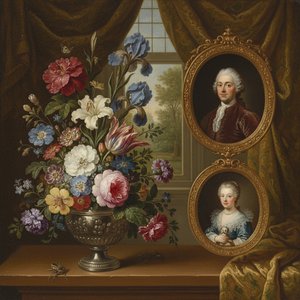
Jan van Kessel the Elder: A Baroque Master of Floral Still Life & Miniature Portraiture
Discover the exquisite detail of Jan van Kessel the Elder's Baroque floral still lifes & captivating miniatures. Explore his artistic legacy, scientific precision, and lasting influence on 17th-century Flemish painting.

Yi Eungro: Bridging East & West in the Landscape of Korean Modernism
Explore the captivating world of Yi Eungro (Lee Ungno), a pivotal figure in Korean modernism. Discover his unique fusion of Eastern and Western artistic traditions, abstract masterpieces, and lasting legacy. A must-read for discerning art collectors.