


 Peržiūrėti realaus dydžio版
 Pasidalinti
 Dalintis
 Išsamiau
 Vadovas

 Atsisiųsti
 Panašūs eksponatai
 Rentgeno spindulių nuotrauka
 Automatinė diorama
 Q&A
Q&A Statistika
St Jerome
 Oil On Canvas
- WallArt
- Baroque
 1615
1615- Early Modern
 158.0 x 131.0 cm
 Liechtenstein Museum
Sir Anthony van Dyck’s 1615 "St Jerome" captures the contemplative soul of the saint with masterful realism and a rich Baroque style. This intimate portrait, influenced by Rubens, offers a profound glimpse into faith and reflection – discover this iconic artwork.
 Skaityti daugiau
Šarūnės meistro darbą „Anthony van Dyck“ žinoma dėl elegantiškų portretų Europiečių aristokratijai ir Čarlo I valdymo. Šviežios spalvos, įmantrios detalės ir aukštas meistriškumas. Užsakykite savo istoriją šiandien!
Giclée / Meno spausdinimas
Muziejų lygio „giclée“ arba drobos spausdinimas: greita gamyba ir lankstios apdailos parinktys. ( Pirkti rankų darbo tapybą Perejti prie skaitmeninių vaizdų)




P118B €10

P118H €10

P118W €10

P438Z €10

P508JH €12

P508YH €12

P805H €10

P805Z €10

P919BZ €10

P919G €10

P919XJ €10

P959ZH €10

P968JZ €12

W106C €8

W218G €10

W218JH €8

W218Y €10

W307PJ €10

W316G €10

W316PJ €8

W316Y €10

W398PJ €8

W4111J €10

W500HY €15

W500JH €15

W692G €12

W849H €8

W940BG €15

W953PJ €8




Standartinis dydis
pagal užsakymą
CM
INCH
Pasirinkite iš mūsų nustatytų dydžių, atitinkančių originalaus meno kūrinio proporcijas.
Loading sizes...

plotis
aukštis
Įveskite jums reikiamą plotį ir aukštį, kad atvaizdas derėtų prie jūsų rėmo ar sienos. Spausdiną galima tik sumažinti, bet nepadidinti virš originalaus paveikslėlio dydžio, todėl keičiant proporcijas, dalis vaizdo prarandama. Prieš spausdinimą atsiųsime jums skaitmeninį maketą patvirtinimui. Šioje puslapio nuotraukoje matomas pjūvis nėra tikslus – jį rodo tik maketas.
Pristatymas visame pasaulyje () per 2 weeks, o ne įprastas 4/5 savaičių laikotarpis. (28 spalis)

Nemokamas greitasis pristatymas visame pasaulyje

Aukštos kokybės lininis drobė

Pilnas siuntimo draudimas

Muitinės mokesčių grąžinimo garantija

Tikro spalvų atitikimo garantija

100 dienų grąžinimo politika (tik esant įtaigoms)

100% pinigų grąžinimo garantija

Nuolaida dideliems užsakymams
 Stiklo variantas prieinamas tik pasirinkus dydį iki 110 cm

St Jerome
Giclée / Meno spausdinimas
Reprodukcijos matmenys
-


Bendroji kaina
€ 61
A Soul in Solitude: The Contemplative Majesty of St. Jerome
In the quietude of a landscape etched with rugged stones and whispering trees, Sir Anthony van Dyck invites us into a moment of profound spiritual introspection. His 1615 masterpiece, St. Jerome, is far more than a mere religious portrait; it is an evocative window into the human psyche, capturing the very essence of devotion and intellectual labor. As we gaze upon the saint, seated upon the earth with his head resting heavily in his hands, we are not merely observing a historical figure, but participating in a silent dialogue of faith. The composition breathes with a sense of heavy, beautiful stillness, where the weight of scholarly pursuit meets the lightness of divine inspiration.
The painting serves as a breathtaking bridge between the grand, muscular dynamism of the Rubensian tradition and the refined, psychological elegance that would later become Van Dyck’s hallmark. While his mentor, Peter Paul Rubens, often filled canvases with swirling movement and epic scale, the young Van Dyck demonstrates a remarkable ability to command intimacy. Through meticulous oil layering, he achieves a tonal gradation so subtle that the light seems to emanate from within the skin of the saint himself. The textures—the rough, unyielding surfaces of the surrounding rocks contrasted against the soft, weathered flesh and the delicate presence of a bird perched nearby—create a tactile reality that pulls the viewer into this secluded, sacred grove.
Symbolism and the Renaissance Ideal
Every element within this frame is steeped in symbolic resonance, designed to communicate the virtues of the scholar-saint. St. Jerome, the patron of translators and linguists, is depicted amidst the tools of his devotion: the book, representing the profound intellectual rigor required to translate the scriptures, and the natural world, which serves as his cathedral. The presence of the book near the bottom of the frame suggests a pause in labor—a moment where study transitions into prayerful meditation. This interplay between the physical act of reading and the spiritual act of reflecting embodies the Renaissance humanist ideal, where the pursuit of knowledge was seen as a pathway to understanding the divine.
For the discerning collector or interior designer, this artwork offers a sophisticated anchor for any space. It possesses a rare ability to command attention through its emotional depth rather than mere spectacle. The muted, earthy palette and the dramatic use of chiaroscuro provide a sense of timelessness, making it an ideal centerpiece for a study, a library, or a formal gallery setting. To possess a reproduction of this work is to bring into one's home not just a piece of Baroque history, but an atmosphere of quiet dignity, intellectual curiosity, and enduring peace.
Klausimai ir atsakymai
Kokios nacionalinės kilmės šaknys slypi „St Jerome“ Baroque?
„St Jerome“ kūrybinę vadovavo Šarūnės Meistras, gimęs/usi Belgija, remiantis Baroque stiliaus tendencijomis. Kūrėjo kilmė sujungia šį kūrinį su Baroque kryptimi, kurios atstovai iš Belgija taip pat laikosi.
Ar „St Jerome“ kūrijas Šarūnės Meistras žinomas에도 kitais vardais?
Šarūnės Meistras taip pat žinomas (žinoma) kaip Antony Van Dyck, Antūnas Van Dyks.
Kaip kontrastas ir harmonija susilieja kūryboje „St Jerome“?
„St Jerome“ – Šarūnės Meistras spalvų kompozicijoje Bold kontrastas susilieja su Balanced Harmony harmonija.
Autoriaus biografija
A Flemish Master at the Courts of Europe
Sir Anthony van Dyck, born in Antwerp on March 22, 1599, emerged as one of the most celebrated and influential portraitists of the Baroque era. His life, though tragically cut short at just forty-two years old, was a whirlwind of artistic exploration and prestigious commissions that took him from his native Flanders to Italy and ultimately to the heart of the English court. From an early age, van Dyck displayed remarkable talent, entering Hendrick van Balen’s workshop as a young apprentice and quickly absorbing the prevailing styles of the time. However, it was his association with Peter Paul Rubens – not merely as a student but as a collaborator – that truly shaped his artistic foundation. He learned from Rubens' dynamic compositions, rich color palettes, and masterful handling of light and shadow, yet van Dyck soon began to forge his own distinct path, one characterized by an elegance and refinement that would become his signature.Early Influences and Artistic Training
Rubens’ influence was profound; he instilled in van Dyck a belief in dramatic expression and the importance of capturing emotion alongside physical likeness. This approach contrasted sharply with earlier portrait conventions, prioritizing psychological depth over mere representation. Van Dyck's apprenticeship under Rubens honed his skills in oil painting and etching—techniques he would master with unparalleled precision. He diligently studied Rubens’ monumental canvases, absorbing his compositional strategies and experimenting with innovative color harmonies. These formative years established the groundwork for van Dyck’s distinctive artistic style, characterized by a luminous palette and masterful rendering of texture.Italian Sojourn and Style Development
Around 1621, Van Dyck embarked on a transformative journey to Italy—primarily Genoa—where he gained patronage from wealthy aristocratic families. During this period, he cultivated the refined style for which he would become renowned: graceful poses, luxurious fabrics, and an almost palpable sense of nobility. Unlike Rubens’ energetic brushstrokes, van Dyck's Italian portraits exuded composure, capturing not just physical likeness but also inner character and social standing. He skillfully employed chiaroscuro—the dramatic interplay of light and shadow—to sculpt figures with remarkable realism and to heighten their emotional impact. This technique became a hallmark of his oeuvre, distinguishing him from many of his contemporaries. His artistic explorations in Italy solidified his reputation as a visionary innovator, pushing the boundaries of portraiture while upholding the highest standards of aesthetic excellence.The King's Painter: Van Dyck in England
In 1632, Van Dyck received an invitation that would forever alter his career trajectory—a summons from Charles I of England to become the court painter. This appointment marked a turning point, not only for van Dyck but also for English portraiture. He arrived in London with considerable renown and swiftly became indispensable to the king, tasked with creating images that projected an aura of power, majesty, and divine right. Van Dyck’s portraits of Charles I are particularly noteworthy; he moved away from stiff conventions, portraying the king as a dynamic leader—a man brimming with charisma and intellect. He employed innovative techniques—dramatic lighting, sweeping gestures, and carefully chosen backgrounds—to create images that were both visually stunning and politically charged. His influence extended beyond the royal family, shaping the visual culture of the English aristocracy for generations to come.Legacy and Enduring Influence
Van Dyck’s untimely death in December 9, 1641, robbed the art world of a prodigious talent—yet his legacy endures to this day. His impact on English portraiture is immeasurable; he established a standard of elegance and sophistication that subsequent artists would strive to emulate. He was a master of both oil painting and etching—constantly experimenting with new techniques. His portraits are characterized by their graceful poses, luxurious fabrics, and subtle psychological insights. He skillfully employed chiaroscuro—the dramatic interplay of light and shadow—to sculpt figures with remarkable realism and to heighten their emotional impact. Beyond his technical prowess, van Dyck possessed an exceptional ability to capture the essence of his sitters—their personality, their social standing, and their aspirations. His works continue to captivate audiences with their beauty, elegance, and enduring psychological depth. The Balbi Children, Charles I in Three Positions, and countless other masterpieces stand as testaments to his genius, ensuring that Sir Anthony van Dyck remains one of the most celebrated artists of the Baroque period. His influence can still be seen today in fashion, photography, and contemporary portraiture—a testament to the timeless appeal of his art.
Šarūnės Meistras
1599 - 1641 , Belgija
Trumpa informacija
- Artistic Movement Or Style: Baroque
- Artists Or Movements Influenced By This Artist: ['English portrait painting']
- Artists Who Influenced This Artist: ['Peter Paul Rubens']
- Date Of Birth: March 22, 1599
- Date Of Death: December 9, 1641
- Full Name: Sir Anthony van Dyck
- Nationality: Flemish
- Notable Artworks:
- Portrait of a woman and child
- Equestrian portrait of Charles I
- Lord John Stuart & brother
- Place Of Birth: Antwerp, Belgium
Susiję straipsniai

Rembrandto van Rijn šedevrai: 25 paveikslai, įkvėpę amžius | TopImpressionists
Atraskite 25 įspūdingiausius Rembrandto paveikslus! Išsami istorija, meno technikos ir simbolika. Olandų baroko šedevrai jūsų interjerui – aukštos kokybės reprodukcijos TopImpressionists.com. Explore the full collection online!

The Grandeur of Baroque Portraiture: Power, Emotion & Artistic Innovation
Explore the grandeur of Baroque portraiture! Discover Rubens, Van Dyck & the masters of 17th-century art. Uncover symbolism, techniques & lasting influence. Expert insights for collectors and enthusiasts.
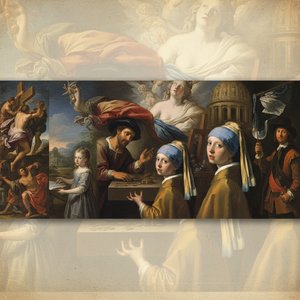
Baroko Šedevrai: 10 Menų Simbolių, Apibūdinusių Epoką | TopImpressionists
Atraskite 10 baroko šedevrų, kurie apibrėžė epoką! Karolis Rubenzas, Berninis ir kiti meistrai – jų kūriniai, istorijos bei spalvos. Aukščiausios kokybės dailės reprodukcijos ir interjero įkvėpimas TopImpressionists.com. Išnagrinėkite visą kolekciją internete!

Sir Anthony van Dyck: Courtly Portraiture & the Shaping of Baroque Identity
Explore the life & legacy of Sir Anthony van Dyck, the leading court painter of his era. Discover his innovative portraiture, Baroque masterpieces, and investment potential for discerning collectors. Learn more at TopImpressionists.

Flemish Baroque: The Ultimate Masterclass in Dramatic Light, Opulent Detail, and Visual Impact
Discover the breathtaking drama of Flemish Baroque art. Explore the mastery of Rubens and Van Dyck through an expert lens, focusing on chiaroscuro, opulent detail, and the emotional intensity that defines this legendary era of visual impact.
Tyrinėkite meno kūrinius, suskirstytus pagal temas, stilius ir savybes.


