


 Peržiūrėti realaus dydžio版
 Siųsti
 Dalintis
 Išsamiau
 Vadovas

 Atsisiųsti
 Panašūs eksponatai
 Rentgeno spindulių nuotrauka
 Diaporama
 Statistika
Flaming June
 Oil On Canvas
- WallArt
- Academic Classicism
 1895
1895- 19th Century
 121.0 x 121.0 cm
Sir Frederic Leighton’s "Flaming June," an opulent Academic masterpiece from 1895, captures the ethereal beauty of slumber amidst a Mediterranean vista—a timeless exploration of classical ideals and sensual grace. Explore exquisite reproductions at TopImpressionists.com.
 Rodyti daugiau
Atraskite serą Frederic Leighton (1830–1896), Pre-rafaelitų ir akademinio stiliaus tapytoją, žinomiausią už paveikslą „Klitija“ bei britų skulptūros atgaivinimą. Tyrinėkite jo klasicinius, biblinius ir istorinius šedevrus Leighton House muziejuje!
Giclée / Meno spausdinimas
Muziejų lygio „giclée“ arba drobos spausdinimas: greita gamyba ir lankstios apdailos parinktys. ( Pirkti rankomis tapytą reprodukciją Perejti prie skaitmeninių vaizdų)




P118B €10

P118H €10

P118W €10

P438Z €10

P508JH €12

P508YH €12

P805H €10

P805Z €10

P919BZ €10

P919G €10

P919XJ €10

P959ZH €10

P968JZ €12

W106C €8

W218G €10

W218JH €8

W218Y €10

W307PJ €10

W316G €10

W316PJ €8

W316Y €10

W398PJ €8

W4111J €10

W500HY €15

W500JH €15

W692G €12

W849H €8

W940BG €15

W953PJ €8




Standartinis
individualaus dydžio
CM
INCH
Pasirinkite iš mūsų nustatytų dydžių, atitinkančių originalaus meno kūrinio proporcijas.
Loading sizes...

plotis
aukštis
Įveskite jums reikiamą plotį ir aukštį, kad atvaizdas derėtų prie jūsų rėmo ar sienos. Spausdiną galima tik sumažinti, bet nepadidinti virš originalaus paveikslėlio dydžio, todėl keičiant proporcijas, dalis vaizdo prarandama. Prieš spausdinimą atsiųsime jums skaitmeninį maketą patvirtinimui. Šioje puslapio nuotraukoje matomas pjūvis nėra tikslus – jį rodo tik maketas.
Pristatymas visame pasaulyje () per 2 weeks, o ne įprastas 4/5 savaičių laikotarpis. (25 spalis)

Nemokamas greitasis pristatymas visame pasaulyje

Aukštos kokybės lininis drobė

Pilnas siuntimo draudimas

Muitinės mokesčių grąžinimo garantija

Tikro spalvų atitikimo garantija

100 dienų grąžinimo politika (tik esant įtaigoms)

100% pinigų grąžinimo garantija

Nuolaida dideliems užsakymams
 Stiklo variantas prieinamas tik pasirinkus dydį iki 110 cm

Flaming June
Giclée / Meno spausdinimas
Reprodukcijos dydis
-


Visų pasirinktų variantų kaina
€ 61
A Vision of Eternal Summer: The Radiance of Flaming June
In the pantheon of Victorian masterpieces, few images possess the hypnotic pull of Sir Frederic Lord Leighton’s Flaming June. Painted in 1895, this monumental canvas is far more than a mere depiction of a sleeping woman; it is an immersive sensory experience that captures the very essence of warmth, languor, and the fleeting beauty of a Mediterranean afternoon. As one gazes upon the vibrant, sun-drenched orange drapery that cascades around the central figure, there is an immediate sense of being transported to a world where time has slowed to a rhythmic, peaceful crawl. The painting serves as a cornerstone of the Academic style, where every fold of fabric and every soft shadow is rendered with a precision that borders on the miraculous, inviting the viewer into a dreamscape of pure, unadultered tranquility.
The technical brilliance of Leighton lies in his ability to marry controlled realism with an almost ethereal luminosity. Eschewing the rapid, spontaneous brushstrokes of the Impressionists, Leighton embraced the rigorous traditions of the masters, utilizing chiaroscuro to sculpt the sleeping form through a delicate interplay of light and deep shadow. The way the sunlight seems to soak into the heavy, silken textures of the orange gown creates an illusion of palpable weight and warmth. This meticulous attention to detail—from the soft waves of the woman's hair to the subtle musculature of her relaxed limbs—ensures that the painting possesses a lifelike presence, making it a breathtaking focal point for any sophisticated interior space.
Classical Echoes and Symbolic Depth
Beyond its surface beauty, Flaming June is steeped in the classical and mythological resonances that defined Leighton’s illustrious career. The composition is far from accidental; the reclining pose of the figure draws a profound line back to the Renaissance, specifically referencing Michelangelo’s exploration of human vulnerability and spiritual repose. This connection to antiquity lends the work a timeless quality, elevating it from a seasonal portrait to a universal symbol of peace and introspection. The choice of a Mediterranean backdrop—visible through an intricate window frame—further reinforces this connection to a classical past, suggesting a world of ancient grandeur and enduring grace.
For the discerning collector or interior designer, the emotional impact of this piece lies in its ability to evoke a sense of "aestheticism"—a movement that prioritized beauty for beauty's sake. The painting does not demand attention through shock or narrative complexity; instead, it seduces through color harmony and atmospheric depth. The contrast between the fiery, warm tones of the central figure and the cooler, distant blues of the sea and mountains creates a balanced tension that is both stimulating and soothing. To possess a high-quality reproduction of this work is to bring a piece of history into the home—a window into an era of unparalleled elegance and a permanent invitation to contemplate the sublime.
问答 (or more naturally for a website heading): Klausimai ir atsakymai
Kas yra „Flaming June“ autorius ir kokia kūrinio data?
„Flaming June“ kūrybinį darbinį sukūrė Frederikas Leightonas 1895 metais.
Kokia technika sukurta „Flaming June“, autorius – Frederikas Leightonas?
Frederikas Leightonas kūriniui „Flaming June“ panaudojo Oil On Canvas techniką. Ši technika apibrėžė originalaus kūrinio medžiaginę prigimtį.
Ar „Flaming June“, autorius – Frederikas Leightonas naudoja ryškius kontrastus ar švelnias harmonijas?
„Flaming June“, autorius – Frederikas Leightonas spalvų kompozicija sujungia Statement kontrastą su Strong Color Unity harmonija.
Autoriaus biografija
Gyvenimo Šviesoje: Seras Frederikas Leightonas ir Jo Pasaulis
Gimęs 1830 metais Scarborough mieste, Anglijoje, Frederiko Leightono kelias į meno pasaulio pripažinimą buvo nutiestas unikaliu turtų, išsilavinimo ir begalinio klasikinio pasaulio smalsumo susidūrimu. Jo senelio, garsaus gydytojo Rusijos carų dvare, finansinė parama suteikė jaunajam Frederikui galimybę siekti savo aistros be jokių apribojimų – retas pranašumas XIX amžiaus menininko gyvenime. Ši laisvė leido jam keliauti po Europą, pasinerti į Italijos, Vokietijos ir Prancūzijos meno sroves. Būtent tais formavimo metais, studijuodamas pas tokius meistrus kaip Eduard von Steinle ir Giovanni Costa, Leightonas pradėjo kurti savo savitą stilių – akademinio tikslumo, prerafaelitizmo jausmingumo ir gilaus pagarbiai klasikinės senovės derinį. Ypač įsimintinas momentas jo ankstyvoje gyvenime įvyko septyniolikos metų amžiaus, kai jis susitiko filosofą Arthūrą Schopenhauerį Frankfurte, sukuriant vienintelį žinomą viso kūno portretą garsiai atsiskyrusiam mądytojui. Ši sutikimas užuomina apie Leightono intelektualinį gilumą ir jo pomėgį tyrinėti žmogaus būklės sudėtingumus – temas, kurios dešimtmečius persmelkė jo meną.Tapybos Apėmimas: Mitas Ir Istorija
Leightono artistinė karjera klestėjo epochoje, užvaldžiusioje istorinius pasakojimus, biblinius siužetus ir klasikinę mitologiją. Jis ne tik iliustravo šias temas; jis *gyveno* jose, kruopščiai tyrinėdamas kostiumus, aplinką ir senovės gyvenimo niuansus, kad sukurtų darbus, kurie atrodė autentiški ir dramatiškai įtraukiantys. Jo paveikslai nebuvo tik vaizdai – tai buvo įtraukios patirtys, perkeliančios žiūrovą į dievų, herojų ir pamestų imperijų pasaulius. Klytija, galbūt vienas garsiausių jo darbų, yra puikus to požiūrio pavyzdys. Paveiksle vaizduojama nimfa Klytija, paversta saulėgrąža, trokštanti saulės dievo Apolono. Tai ne tik gražus paveikslas; tai tyrinėjimas apie nesunaudotą meilę, ilgesį ir gamtos transformuojančią galią – perteiktas kvapą gniaužiančia detale ir šviesumu, kuris atrodo sklindantis iš vidaus. Panašiai, Dafneforija, vaizduojanti procesiją pagerbiant dievą Apoloną, demonstruoja Leightono meistriškumą kompozicijoje, spalvoje ir jo gebėjimą užfiksuoti judesį ir energiją drobėje. Jis nebijo naudoti prabangius tekstūras, turtingus audinius ir dramatišką apšvietimą – elementus, kurie prisidėjo prie jo darbo gryno vizualinio puotumo.Už Drobės Ribų: Skulptūra Ir Architektūrinė Vizija
Nors dažniausiai žinomas kaip tapytojas, Leightono artistinės ambicijos apėmė ir dvimačius pasaulius. Jis buvo talentingas skulptorius, o jo Atletą kovojantį su Pitonu, sukurtą tarp 1888 ir 1891 metų, galima laikyti esminiu momentu britų skulptūroje – dažnai priskiriamu inicijavusiu šiuolaikinės skulptūros atgimimą, žinomą kaip „Naujoji Skulptūra“. Šis darbas, iškaltas gryno balto marmuro, įkūnija fizinę galią ir dramatišką įtampą. Tačiau Leightono kūrybinė vizija nesustojo ties tuo. Jis taip pat buvo aistringas meno ir artefaktų kolekcioneris, ypač iš Artimųjų Rytų. Šie lobiai nebuvo tik eksponuojami; jie buvo integruoti į jo namų audinį – Leightono namą Holando parke Londone. Sukurtas George Aitchisono, Leightono namas yra meistriškumo pavyzdys savaime – nuostabus estetizmo pavyzdys, tarnavęs tiek rezidencija, tiek studija. Ikoninė Arabų salė, su savo sudėtingomis plytelėmis ir aukštais arkais, liudija Leightono eklektiškus skoniuos ir jo norą sukurti totalinį meno kūrinį – aplinką, kuri įkvėptų ir maitintų jo kūrybiškumą.Palikimas Ir Epochos Aidas
Leightono įtaka britų menui buvo didžiulė. Jis ėjo Karališkos akademijos prezidento pareigas nuo 1878 metų iki savo mirties 1896 metais, užimdamas šią poziciją su pasitikėjimu, propaguodamas meno meistriškumą ir skatindamas gyvybingą kūrybinę bendruomenę. Jis buvo įšventintas riteriu 1878 metais, suteiktas baroneto titulas 1886 metais ir nuostabiai, jam buvo suteiktas bajoro titulas tik prieš dieną mirštant – liudijimas apie didžiulį pagarbą, kuria jis naudojosi meno pasaulyje ir už jo ribų. Nors jo darbai kurį laiką iškrito iš malonės po jo mirties, užgožti modernizmo kilimo, pastaraisiais dešimtmečiais atsirado didelis susidomėjimas Leightono menu. Šiandien jo paveikslai ir skulptūros yra švenčiami dėl savo techninio meistriškumo, įtaugos galios ir gebėjimo perkelti žiūrovus į grožio ir stebuklų pasaulius.- Jo darbai toliau įkvepia menininkus ir žavi auditoriją visame pasaulyje.
- Leightono namas muziejus yra amžinas jo artistinės vizijos atminimas ir išlieka gyvybinga kultūros vieta.
- Jis reprezentuoja įdomų Viktorijos idealų, klasikinės įtakos ir prerafaelitizmo jautrumo sankirtą – unikalų balsą britų meno istorijoje.

Frederikas Leightonas
1830 - 1896 , Jungtinė Karalystė
Trumpa informacija apie kūrėją
- Gimimo Data: 1830 m. gruodžio 3 d.
- Gimimo Vieta: Skardboras, Jungtinė Karalystė
- Meninis Stilius: Akademizmas, Praprafealitai
- Mirties Data: 1896 m. sausio 25 d.
- Pilietybė: Britų
- Pilnas Vardas: Seras Frederikas Lordas Leightonas
- Turėjo Įtakos:
- Eduardas fon Šteinle
- Giovanni Costa
- Įtakojo: ['Naujasis skulptūros judėjimas']
- Žymiausi Darbai:
- Klitija
- Deganti Birželio mėnuo
Susiję straipsniai
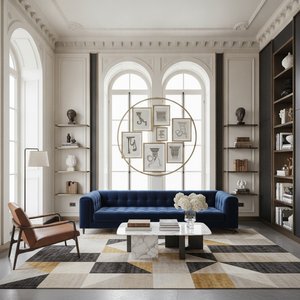
Beyond the Basics: The Power of Academic Classicism Reimagined for Modern Interiors
Discover the enduring power of Academic Classicism reimagined. Explore how technical mastery, light, and form from historical masterpieces can elevate modern interiors through premium, hand-painted oil reproductions and expert art consultation.

Edmund Blair Leighton: Victorian Romance & Narrative Painting's Golden Age
Explore the captivating world of Edmund Blair Leighton, Victorian master of romantic narrative painting. Discover his iconic works & Pre-Raphaelite influences at TopImpressionists.

The Enduring Legacy of Oil on Canvas: Technique, History & Aesthetic Impact
Explore the rich history & techniques of oil painting – from Renaissance masters to Impressionism. Discover pigments, layering methods, and why this timeless medium endures. Expert insights for artists & art enthusiasts.

Mastering Perfection: A Definitive Guide to the Elegance and Precision of Academic Classicism
Discover the profound beauty of Academic Classicism. Explore the principles of order, anatomical precision, and the enduring legacy of Neoclassical masters through this expert guide to timeless elegance and technical perfection in fine art.

Sir Frederic Leighton: Aestheticism, Academic Mastery & Victorian Masculinity
Explore the life & art of Sir Frederic Leighton, a master of Victorian Aestheticism. Discover his academic training, sculptural innovations, and captivating depictions of beauty. Expert insights for collectors.