

Paveikslėlyje: · Su rėmu:
 Peržiūrėti realaus dydžio版
 Pasidalinti
 Dalintis
 Išsamiau
 Vadovas

 Atsisiųsti
 Panašūs eksponatai
 Rentgeno spindulių nuotrauka
 Automatinė diorama
 问答
问答 Statistika


€ 240
Rankų darbo aliejinės reprodukcijos
Rankiniu būdu tapytas aliejus ant droblio jūsų pageidaujamame dydį ir rėmuose – tai mūsų menininkų pagal užsakymą sukurtas darbas. ( Perjungti į spausdinamus版作品 Perejti prie skaitmeninių vaizdų)
Dydis
·Standartinis dydis
pagal užsakymą
CM
INCH
Pasirinkite iš mūsų nustatytų dydžių, atitinkančių originalaus meno kūrinio proporcijas.
Kraunami dydžiai...

plotis
aukštis
Įveskite jums reikiamą plotį ir aukštį, kad paveikslas atitiktų jūsų rėmą ar sieną. Kadangi šis darbas yra rankinio darbo, siekiant išgauti kitokios formos dydį, paveikslas gali būti šiek tiek didesnis (nuo kraštų bus palikta daugiau erdvės) arba mažesnis – pasirinkite jums patogiausią variantą. Prieš pradedant tapyti, atsiųsime jums skaitmeninį maketą patvirtinimui. Šioje puslapio nuotraukoje matomas vaizdas nėra galutinis rezultatas – jį parodys tik sukurtas maketas.
 Skaityti daugiau
Baigiamasis etapas
·
Baltas apasutojimas €1

Išblėstantis šonas €1

Išplėstinis €1

P118B €10

P118H €10

P118W €10

P438Z €10

P508JH €12

P508YH €12

P805H €10

P805Z €10

P919BZ €10

P919G €10

P919XJ €10

P959ZH €10

P968JZ €12

W106C €8

W218G €10

W218JH €8

W218Y €10

W307PJ €10

W316G €10

W316PJ €8

W316Y €10

W398PJ €8

W4111J €10

W500HY €15

W500JH €15

W692G €12

W849H €8

W940BG €15

W953PJ €8

H24-GOLD €30

H24-SILVER €30

H36-GOLD €45

H36-SILVER €45
Siunčiama saugiame vamzdelyje, paruošta patys sukomentuoti jūsų rėmeliais.
Virš 105 cm rėmas siunčiamas kaip rinkinys profesionaliam rėmininkui — skaitykite detales.
Papildomos paslaugos
nebūtinaKą apima papildomos paslaugos?
Pavyzdžiai, ką galima pakeisti: pakeisti veidą nuotrauka su klientu; pridėti augintinį (pvz., pakeisti kucingą šuniu); įtraukti paslaptingą žinutę fone; pakeisti fono kraštotvę ar elementus.
Gavus užsakymą, TopImpressionists.com komanda susisieks su klientu el. paštu dėl nurodymų ir pateiks preliminarią maketą.
Gavus užsakymą, TopImpressionists.com komanda susisieks su klientu el. paštu dėl nurodymų ir pateiks preliminarią maketą.
Pristatymas visame pasaulyje () per 3–4 savaites, o ne įprastai – per 5 savaites. (7 lapkritis). Kokybė lieka nepakeičiama.
Apsauginis lakas
Pavadinimo lentelė
Išgraviruotos bronzinės plokštelės detalės
This elegant plaque features the artist's name and the title of the artwork, finely engraved for a timeless presentation.
It is made from bronze with a refined, elegant finish. The text is precisely laser-engraved for a sharp and permanent result. Measuring 9x2 cm, the plaque is compact yet easy to read. It's built to be durable and scratch-resistant, offering a professional, museum-quality look. Mounting is simple thanks to the included adhesive backing.
Skaidrios akrilo plokštelės informacija
The plaque includes essential engraved details such as the artist's name, the title of the artwork, the date it was created, the type of media used-like oil on canvas or watercolor-a brief description of the piece, and a QR code that links to the complete artwork information.
It is crafted from clear acrylic, offering a sleek, modern appearance. The text is UV-engraved in black to ensure strong visual contrast. With a size of 10x15 cm, it ensures optimal readability. It comes equipped with two metal hooks for secure wall mounting. The plaque is designed to be weather-resistant, making it suitable for various environments, and it includes interactive features that work seamlessly with smartphone scanning.
Juodos akrilo plokštelės informacija
This elegant plaque includes engraved information such as the artist's name, the title of the artwork, the date it was created, the type of media used (like oil on canvas or watercolor), a short description of the artwork, and a QR code for quick access to more information.
The plaque itself is made from refined black acrylic with a premium finish. The text is laser-engraved in white for high contrast and readability. Its size is 10x15 cm, designed to be easy to read. It comes with two metal hooks for professional mounting. The design is sleek and fits any interior style. It is also weather-resistant and durable, with built-in digital integration for mobile compatibility.
Stiklo variantas prieinamas tik pasirinkus dydį iki 110 cm
 Stiklo variantas prieinamas tik pasirinkus dydį iki 110 cm
- Nemokamas greitasis pristatymas visame pasaulyje
- Aukštos kokybės lininis drobė
- Pilnas siuntimo draudimas
- Muitinės mokesčių grąžinimo garantija
- Tikro spalvų atitikimo garantija
- 100 dienų grąžinimo politika (tik esant įtaigoms)
- 100% pinigų grąžinimo garantija
- Nuolaida dideliems užsakymams


Kolekcinio objekto aprašas
Experience George Clausen’s "The Farmyard," an Impressionist masterpiece capturing a serene rural scene with a young boy and ancient oak. This 1908 painting evokes timeless beauty and the rhythms of English countryside life – discover or own this iconic artwork.
Autoriaus biografija
Sir George Clausen (1852–1944): britų impresionistas, žinomas ryškiomis kaimo scenomis ir jaudinančiais karo darbais, įskaitant „Jaunystės gedulą“. Naujojo Anglijos meno klubo įkūrėjas.
Apie paveisdelį
A Pastoral Vision: George Clausen’s “The Farmyard”
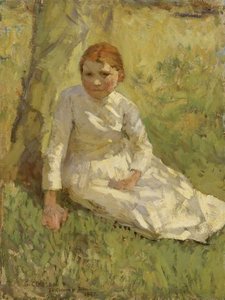
George Clausen's "The Farmyard," painted in 1908, isn’t merely a depiction of rural life; it’s a carefully constructed tableau brimming with quiet observation and a profound appreciation for the rhythms of the English countryside. More than just a snapshot, this Impressionist landscape invites us into a moment suspended between labor and leisure, capturing the golden light of a summer afternoon bathing a humble farm scene in an ethereal glow. Clausen, a key figure in establishing British modernism, moved beyond the rigid conventions of academic painting, embracing instead a looser brushstroke and a heightened sensitivity to color and atmosphere – qualities powerfully evident in this work.
The composition immediately draws the eye towards the young boy, a central figure against the backdrop of a weathered farmhouse. His purposeful stride, carrying a wooden plank, suggests an active role within the farm’s operations, yet his youthful face holds a hint of serenity, suggesting a connection to this land that transcends mere toil. To his left, the ancient oak tree stands as a silent sentinel, its gnarled branches and dappled shade providing a grounding element to the scene. The careful rendering of the leaves – in shades ranging from vibrant emerald to muted olive – speaks to Clausen’s meticulous attention to detail and his ability to capture the subtle nuances of light filtering through foliage. The rustic farmhouse itself, with its thatched roof and simple construction, embodies a timelessness, anchoring the painting within a tradition of rural life.
Impressionist Techniques and Light's Dance
Clausen’s mastery lies in his skillful manipulation of light and color – hallmarks of the Impressionist movement. He eschews sharp outlines and precise detail in favor of loose brushstrokes that create an almost shimmering effect, particularly noticeable in the depiction of the sky and the foliage. The colors aren't blended smoothly; instead, they are juxtaposed to create a vibrant interplay of hues, mimicking the fleeting effects of sunlight on the landscape. Observe how the warm yellows and oranges of the afternoon sun illuminate the boy’s figure and cast long shadows across the ground, while cooler blues and greens dominate the distant fields and trees. This dynamic use of color isn't simply decorative; it conveys a sense of movement and vitality, capturing the ephemeral quality of light at that specific moment in time.
The artist’s technique is particularly noteworthy in his rendering of texture. The rough bark of the oak tree, the weathered planks of the boy’s load, and the thatched roof of the farmhouse are all depicted with a tactile realism achieved through short, broken brushstrokes. This attention to surface detail adds depth and dimension to the painting, inviting us to almost feel the warmth of the sun on our skin and the scent of the countryside in the air.
Symbolism and the Dignity of Labor
Beyond its purely aesthetic qualities, “The Farmyard” carries a subtle layer of symbolic meaning. The young boy’s presence suggests themes of childhood innocence, connection to nature, and the continuation of rural traditions. His purposeful walk speaks to a sense of responsibility and engagement with the land – a quiet dignity often overlooked in depictions of farm life. The inclusion of the wooden plank hints at the physical labor involved in farming, while the farmhouse represents the stability and continuity of family life. The painting isn’t romanticized; it presents a realistic portrayal of rural existence, acknowledging both its hardships and its inherent beauty.
Furthermore, the composition subtly evokes a sense of harmony between humanity and nature. The boy is integrated seamlessly into the landscape, suggesting a mutual respect and interdependence. This theme resonates with the broader Victorian interest in pastoralism – a longing for an idealized rural past that offered respite from the rapid industrialization and social upheaval of the era. “The Farmyard” serves as a poignant reminder of this enduring fascination with the English countryside and its timeless appeal.
A Timeless Masterpiece: Reproduction Considerations
Reproductions of "The Farmyard" capture the essence of Clausen’s original vision, offering a window into a bygone era. When selecting a reproduction, consider the quality of materials and printing techniques used to ensure accurate color representation and detail. Hand-painted reproductions offer the most authentic experience, meticulously recreating the artist's brushstrokes and atmospheric effects. These are particularly valuable for collectors seeking an investment that honors the artistry of this significant British painter. For interior design enthusiasts, “The Farmyard”’s tranquil scene provides a touch of rustic charm and timeless elegance to any space – a reminder of the beauty and serenity found in the natural world.
Klausimai ir atsakymai
Kas yra „The Farmyard“ autorius ir kokia kūrinio data?
Seras Džordžas Klousenas sukūrė „The Farmyard“, nufiksavęs/usi nufiksavęs/usi 1908 m.
Kuriam muziejui priklauso originalus „The Farmyard“?
Kūrinys „The Farmyard“ – Seras Džordžas Klousenas rodomas Leeds Art Gallery, Leidas, Jungtinė Karalystė. Muziejaus informacija nuoroda į originalą, o ne į reprodukciją.
Ar „The Farmyard“ galima peržiūrėti papildydami realybę?
„The Farmyard“ galima peržiūrėti papildytoji realybės formatu: kūrinio Peržiūra papildintajai realybei puslapyje, naudodami suderinamą įrenginį, galite pamatyti jį savo erdvėje.
Trumpos faktinės datos ir meno viktorina
Apie Seras Džordžas Klousenas

Seras Džordžas Klousenas
1852 - 1944, Jungtinė Karalystė
Autoriaus biografija
Gyvenimo Šviesoje Nutapyta: Seras Džordžas Klousenas
Seras Džordžas Klousenas, vardas galbūt ne toks žinomas kaip kai kurių jo impresionistų kolegų, tačiau užima svarbią ir unikaliai britišką vietą XIX amžiaus pabaigos ir XX amžiaus pradžios meno istorijoje. 1852 metais Londone gimęs menininkas gyveno per didžių socialinių ir artistinių pokyčių erą, o jo drobės atspindi tiek Anglijos kaimo ilgalaikį grožį, tiek gilaų nerimą dėl pasaulio, susiduriančio su modernumu ir karu. Klousenas ne tik buvo *įtakotas* impresionizmo – jis pritaikė šio judėjimo principus kurdamas kažką savito: stilių, kuris derino trumpalaikes šviesos akimirkas ir atmosferą su giliu įsipareigojimu kaimo gyvenimui ir darbininkų orumui. Jo kelionė prasidėjo tradicinio akademinio mokymo ribose Karališkosios Akademijos mokyklose, tačiau nerami dvasia ir stebėjimo aštrumas greitai nuvedė jį prie progresyvesnių artistinių horizontų. Kelionės po Europą buvo svarbios, supažindindamos jį su klestinčiu impresionistų judėjimu Prancūzijoje ir įkvepdamos aistrą *plein air* tapybai – tiesiogiai iš gamtos fiksuojant šviesos ir atmosferos tiesmumo.Nuo Kaimo Idylių iki Modernaus Gyvenimo Scenų
Klouseno artistinė kūryba pasižymi nepaprastu jautrumu jo temoms, nesvarbu, ar tai būtų didingi kraštovaizdžiai, ar intymūs kasdienio gyvenimo portretai. Jis rado įkvėpimo žemės ūkio ritmoje, vaizduodamas derliaus nuėmimo, arimo ir glaudymo scenas beveik pagarbiai atkreipdamas dėmesį į detales. Paveikslai tokie kaip *Paukščių baidymas*, *Merginėlė* ir *Arimas* nėra tik kaimo darbo vaizdai; tai šventės, skirtos žmogaus ryšiui su žeme, kupinos tylios orumo ir poetiško grožio. Jis turėjo nepaprastą gebėjimą užfiksuoti trumpalaikius šviesos efektus – saulėlydžio auksinį spindesį lauke, šešėlį po gyvatvore – suteikdamas savo kraštovaizdžiams luminescencinę kokybę, kuri yra tiek žavinga, tiek emociškai rezonuoti. Tačiau Klouseno vizija neapsiribojo idiliškais kaimo vaizdais. Jis tyrė ir modernaus gyvenimo temas, atvaizduodamas triukšmingas gatves ir intymius namų interjerus su lygia verta įgūdiu ir jautrumu. Pavyzdžiui, *Kiniečių vazonas* demonstruoja jo meistriškumą šviesos ir šešėlio naudojime interjero aplinkoje, fiksuodamas tylios kontempliacijos akimirką. Jis neslugo nuo besikeičiančio pasaulio sudėtingumo, tačiau priėjo prie jo su niuansuotu supratimu ir užuojauta.Pokyčių Pradininkas: Naujasis Anglijos Meno Klubas
Klouseno įsipareigojimas artistinei inovacijai apėmė ne tik jo pačio praktiką. Jis buvo svarbi figūra 1886 metais įkuriant Naująjį Anglijos meno klubą, grupę, kuri iššūkiojo Karališkosios Akademijos konservatyvius standartus ir gynė progresyvesnį tapybos požiūrį. NAAC suteikė platformą menininkams, kurie siekė išsivaduoti iš akademinių apribojimų ir priimti laisvesnius potepius, ryškesnes spalvas ir didesnį dėmesį subjektyvios patirties užfiksavimui. Šis artistinis maištas įtvirtino Klouseno poziciją kaip pagrindinį balsą britų meno pasaulyje, demonstruodamas jo atsidavimą skatinant kūrybiškumą ir kvestionuojant nusistovėjusias normas. Jo išrinkimas Karališkosios Akademijos nariu 1906 metais signalizavo platesnį pripažinimą šių naujų idėjų pagrindiniame meno pasaulyje, nors jis niekada neatsisakė nepriklausomos artistinės ekspresijos. Jis tvirtai tikėjo menininkų galia formuoti įvaizdžius ir atspindėti savo laikmečio realybę.Karo Šešėlis: Stebint Besikeičiantį Pasaulį
Pirmasis pasaulinis karas giliai paveikė Klouseno gyvenimą ir kūrybą. Buvęs paskirtas oficialiu karo menininku, jis dokumentavo konfliktą tiek tapybomis, tiek litografijomis, siūlydamas jaudinantį žvilgsnį į karo patirties realybę. Tačiau galbūt giliausia tragedija turėjo didžiausią poveikį jo menui. Jo dukters sužadėtinio mirtis per karą įkvėpė *Jaunystės gedulą*, vaizdingą paveikslą, kuriame jauna moteris suglemžta liūdesyje apleistame kraštovaizdyje. Šis darbas nėra tik sielvarto atvaizdas; tai kolektyvinės tautos traumų įkūnijimas, susiduriančios su nesuvokiamomis netektimis. Jo indėlis į spaudinių rinkinį *Britanijos pastangos ir idealai* per šešias litografijas toliau demonstruoja jo atsidavimą dokumentuojant karo pastangas, rodant pramonės gamybą, palaikančią karius fronte. Šis laikotarpis pažymėjo poslinkį Klouseno artistinėje orientacijoje, pereinant nuo idiliškų kaimo scenų prie liūdesnių apmąstymų apie karo kainą žmogui.Palikimas ir Tvarus Poveikis
Seras Džordžas Klousenas mirė 1944 metais, palikęs turtingą ir įvairiapusį kūrybos palikimą, kuris ir šiandien rezonuoja su publika. Jo istorinę reikšmę lemia ne tik jo indėlis kuriant britų impresionizmą, bet ir jo gebėjimas užfiksuoti besikeičiančio pasaulio esenciją jautrumu, įgūdiu ir giliu emociniu gilumu. Jis sėkmingai sujungė tradicines akademines technikas ir modernius artistinius jautrumus, sukūręs stilių, kuris buvo tiek novatoriškas, tiek giliai įsišaknijęs anglų meno tradicijose. Štai keletas pagrindinių pasiekimų:- Išrinktas Karališkosios Akademijos nariu
- Naujojo Anglijos Meno klubo įkūrėjas
- Kaimo gyvenimas
- Šviesa ir atmosfera
- Žmogiškos figūros
- Karo menas
- Impresionizmas
- Jules Bastien-Lepage
- Plein air tapyba
Trumpa informacija apie Seras Džordžas Klousenas
- Gimimo Data: 1852 m.
- Gimimo Vieta: Londonas, Jungtinė Karalystė
- Menininkai, Kuriuos Įtakojo: ['Naujasis Anglijos meno klubas']
- Meninis Stilius: Impresionizmas
- Mirties Data: 1944 m.
- Pilietybė: Britų
- Pilnas Vardas: Seras Džordžas Klosenas
- Įtakoję Menininkai: ['Žiulis Bastjen-Lepage’as']
- Žymiausi Darbai:
- Kinų vazonas
- Mažos baltos rožės
- Jaunystės gedas
panašūs kūriniai




Seras Džordžas Klousenas
The Farmyard
() ·
Su rėmu: · Rankiniu būdu tapyta aliejumi ant lineno
Viso suma