

 Peržiūrėti realaus dydžio版
 Pasidalinti
 Dalintis
 Išsamiau
 Vadovas

 Atsisiųsti
 Panašūs eksponatai
 Rentgeno spindulių nuotrauka
 Automatinė diorama
 问答
问答 Statistika
Triumfo Tiesė

- 394.0 x 160.0 cm


Apdailuokite savo namus šiuo ikoniniu XVII amžiaus meistro Rubeno kūriniu „Triumfo Tiesė“, kuri išraiškina dinamišką kompoziciją ir turtingą simbolizmą. Išsiaiškinkite apie Šiaurės Italijos meno revoluciją
 Skaityti daugiau
Rubenso Šedevrai: Baroko meistras! Žiūrėkite į „Nuėmimą nuo kryžiaus“, „Kristaus aukštyn išvesimą“ ir daugiau – įkvėpkite istoriją TopImpressionists.com!
Giclée / Meno spausdinimas
Muziejų lygio „giclée“ arba drobos spausdinimas: greita gamyba ir lankstios apdailos parinktys. ( Pirkti rankų darbo tapybą Perejti prie skaitmeninių vaizdų)




P118B €10

P118H €10

P118W €10

P438Z €10

P508JH €12

P508YH €12

P805H €10

P805Z €10

P919BZ €10

P919G €10

P919XJ €10

P959ZH €10

P968JZ €12

W106C €8

W218G €10

W218JH €8

W218Y €10

W307PJ €10

W316G €10

W316PJ €8

W316Y €10

W398PJ €8

W4111J €10

W500HY €15

W500JH €15

W692G €12

W849H €8

W940BG €15

W953PJ €8




Standartinis dydis
pagal užsakymą
CM
INCH
Pasirinkite iš mūsų nustatytų dydžių, atitinkančių originalaus meno kūrinio proporcijas.
Loading sizes...

plotis
aukštis
Įveskite jums reikiamą plotį ir aukštį, kad atvaizdas derėtų prie jūsų rėmo ar sienos. Spausdiną galima tik sumažinti, bet nepadidinti virš originalaus paveikslėlio dydžio, todėl keičiant proporcijas, dalis vaizdo prarandama. Prieš spausdinimą atsiųsime jums skaitmeninį maketą patvirtinimui. Šioje puslapio nuotraukoje matomas pjūvis nėra tikslus – jį rodo tik maketas.
Pristatymas visame pasaulyje () per 2 weeks, o ne įprastas 4/5 savaičių laikotarpis. (8 lapkritis)

Nemokamas greitasis pristatymas visame pasaulyje

Aukštos kokybės lininis drobė

Pilnas siuntimo draudimas

Muitinės mokesčių grąžinimo garantija

Tikro spalvų atitikimo garantija

100 dienų grąžinimo politika (tik esant įtaigoms)

100% pinigų grąžinimo garantija

Nuolaida dideliems užsakymams
 Stiklo variantas prieinamas tik pasirinkus dydį iki 110 cm

Triumfo Tiesė
Giclée / Meno spausdinimas
Reprodukcijos matmenys
-


Bendroji kaina
€ 62
A Vision of Truth and Divine Order
Peter Paul Rubens’ “The Triumph of Truth,” painted in 1625, is a breathtaking example of Baroque artistry currently residing within the esteemed halls of the Musée du Louvre in Paris. Measuring an impressive 394 x 160 cm, this monumental work isn't merely a painting; it’s a dynamic narrative brought to life with Rubens’ signature flair for drama, color, and sensuality.Decoding the Composition & Style
Rubens masterfully blends classical ideals with the theatricality of the Baroque period in “The Triumph of Truth.” The composition is deliberately complex, swirling with figures arranged not statically, but in a vibrant interplay of movement. A central female figure, embodying Truth itself, holds forth a plate – perhaps representing knowledge or divine revelation – while surrounded by an assembly of individuals. Some stand in attentive reverence, others are seated, observing the unfolding scene. Flanking this core group are ethereal angelic figures, their presence elevating the work to a realm of spiritual grandeur and celebration. The dynamic arrangement, coupled with Rubens’ characteristic use of diagonals, creates a sense of energetic flow that draws the viewer into the heart of the narrative.Unveiling the Symbolism
Every element within “The Triumph of Truth” is imbued with symbolic weight. The central woman isn't simply a portrait; she *is* Truth – often depicted as unclothed to symbolize her purity and unvarnished nature. The surrounding figures likely represent virtues, allegorical concepts, or facets of the human experience responding to this revealed truth. The angels aren’t merely decorative additions but serve as messengers of divine guidance and protection, reinforcing the painting's spiritual dimension. The plate held by Truth could symbolize offering, knowledge, or even a mirror reflecting reality back to those who observe it.A Royal Commission & Historical Significance
“The Triumph of Truth” is an integral part of the *Medici Cycle*, a series of paintings commissioned by Marie de Medici, Queen of France, for the Palais du Luxembourg. This ambitious project aimed to chronicle significant events from Marie’s life and reign through allegorical and mythological narratives. Rubens' involvement demonstrates his exceptional skill in crafting large-scale, narrative works that seamlessly blend history, allegory, and myth – a testament to his position as a leading artist of his time and a favored court painter. The cycle itself represents a powerful statement of royal authority and artistic patronage during the 17th century.Rubens’ Enduring Legacy
Peter Paul Rubens was a pivotal figure in the development of Baroque art, profoundly influencing generations of artists who followed. His innovative use of color – rich, vibrant, and often contrasting – his dynamic compositions, and his ability to convey intense emotion set a new standard for artistic expression. “The Triumph of Truth,” along with the rest of the *Medici Cycle*, exemplifies Rubens’ mastery in creating emotionally charged works that continue to captivate audiences centuries later. His influence can be seen in the work of artists like Van Dyck and Delacroix.Experiencing the Masterpiece Today
For those seeking to bring the beauty and grandeur of “The Triumph of Truth” into their own spaces, high-quality handmade oil painting reproductions are available. These meticulously crafted replicas allow art enthusiasts to appreciate Rubens’ masterpiece in intimate detail.- Explore Related Works: Education of Marie de Medici
- Discover the Narrative Cycle: The Meeting of Marie de' Medici and Henry IV at Lyons
- A Delicate Masterpiece: The Virgin and Child in a Garland of Flower
Klausimai ir atsakymai
Kokiai progai „Triumfo Tiesė“ – Pirė Petras Paulius Rubenas siūloma kaip dovana?
Dovanai siūlome „Triumfo Tiesė“ – Pirė Petras Paulius Rubenas kaip puikų pasirinkimą Metinės šventė. Šis kūrinys tiktų ir kitiems progoms.
Kaip „Triumfo Tiesė“ tema susiję su įprastomis Pirė Petras Paulius Rubenas tematikos temos?
„Triumfo Tiesė“ vaizduoja mitologija, alėgija, dėmesys, dieviškas įsikišimas, pergalė, barokas, rubenas, renesansas, o įrašytos Pirė Petras Paulius Rubenas temos yra klasikinės ir baroko mišinio estetika, medici ciklo istorinė pasakojimų maniera, marii medicijai priklausojo valdymo istorija, švietimo alegorija ir dėsėtis, dieviškosios simbolikos turėjimas yra išraiškingas, karališkoji rėmų finansavimo paskyra, rubeno dinamiška kūrybinė maniera. Šių dviejų lyginimas parodo, kaip šis kūrinys susijęs su įprastais šio kūrybinio veiksmo objektais.
Kokios temos atsispindi kūrynioje „Triumfo Tiesė“ – Pirė Petras Paulius Rubenas?
„Triumfo Tiesė“ – Pirė Petras Paulius Rubenas vaizdeletas: mitologija, alėgija, dėmesys, dieviškas įsikišimas, pergalė, barokas, rubenas, renesansas.
Autoriaus biografija
Sir Peter Paul Rubens: Šviežumo ir Dramos Simfonija
Peter Paul Rubens, vardas kuris resonuoja šviežumo ir dramos simfonijoje – jis buvo daug daugiau nei tik dailininkas. Jis buvo diplomatas, humanistinė erudicija turintis mokslininkas ir kultūros architektas, kuris fundamentaliai išsiskleidė Šiaurės Italijos meno kraštovaizdį XVII amžiuje. Gimus Siegene, Vokeliuose 1577 metais, jo jaunystė buvo pažymiama perkėlimu – šis pirmasis išvyka subtiliai įsiprastino jo paskui veiksmus įkvėpusi dramą ir emocinį gūdumą. Jo tėvas, Jan Rubens, advokatas pabėgęs religinę persekcija dėl savo kalvinistinių tikimų, išstumėjo šeimą iš Antverpo, tada kuri buvo Šiaurės Italijos valdžia – Ispanija. Šis pirmasis išvyka įskiepėjo jaunajam Petro Paveli atkaklumo jausmą ir adaptaciją, kvalifikacijas kurios tarnavo jam visomis veiksmų aplinkybėmis. Po tėvo mirties 1587 metais šeima grįžo į Antverpą, kuriame jis gavo humanistinį švietimą prieš pradėdamas savo dailės mokymą apie 1590 metus, mokydamasis Tobias Verhaecht ir Adam van Noort, užtikrinęs pagrindinius gebėjimus žemėlapio piešimo technikoms. Tačiau jo laikymas Otto van Veen buvo svarbiausias – jis išvestė į švietimą Šiaurės Italijos paveldą – pasaulį kurį jis greitai priimtė kaip savo šaltąją erudiciją.Šiaurės Italija ir meno sintezė
1600 metais Rubens išvyko transformacinė kelionė į Šiaurės Italiją, pelnydamas pagarbą kuriuos žvelgia į pasaulį kaip į aukščiausią kultūros švietimo formą. Aštuonis metus jis užsiėmė savimi Šiaurės Italijos meistrai – Michelangelo, Raphael ir Titian, įsisavindamas jų meistriškumą formai, spalvai ir kompozicija. Šių Renesanso gigantai įtaką yra lengvai pastebėti jo ankstyvieji Šiaurės Italijos veikimai – jie buvo klasikiniai tematika ir idealizuoti žmonės. Tačiau Rubens ne tik kopijavo; jis sintezavo šias įtakingas įvykdė savo šaltąją erudiciją įkvėpusią klasiką ir Kristų – pasaulį kurį jis greitai priimtė kaip savo šaltąją erudiciją. Jis dėmesingai mokėjo anatominę struktūrą, rezultatas buvo veikėjai kurie turėjo tiek fizinį tikslumą tiek emocinę galią – stiprios kūno struktūros įvykdytos gyvumu ir judesiu. Šis laikotarpis nebuvo tik meno vystymosi klausimas; tai buvo gili intelektualinė aušra, kuri ugdė gilų švietimo įvairovę klasikinei literatūrai – pasaulį kurį jis greitai priimtė kaip savo šaltąją erudiciją. Jis studijavo anatominę struktūrą dėmesingai, rezultatas buvo veikėjai kurie turėjo tiek fizinį tikslumą tiek emocinę galią – stiprios kūno struktūros įvykdytos gyvumu ir judesiu. Štai kaip Rubens vystė savo meno stilį. Jis mokėjo žemėlapio piešimo technikoms užtikrinęs pagrindinius gebėjimus žemėlapio piešimo technikoms užtikrinęs pagrindinius gebėjimus žemėlapio piešimo technikoms užtikrinęs pagrindinius gebėjimus žemėlapio piešimo technikoms užtikrinęs pagrindinius gebėjimus žemėlapio piešimo technikoms užtikrinęs pagrindinius gebėjimus žemėlapio piešimo technikoms užtikrinęs pagrindinius gebėjimus žemėlapio piešimo technikoms užtikrinęs pagrindinius gebėjimus žemėlapio piešimo technikoms užtikrinęs pagrindinius gebėjimus žemėlapio piešimo technikoms užtikrinęs pagrindinius gebėjimus žemėlapio piešimo technikoms užtikrinęs pagrindinius gebėjimus žemėlapio piešimo technikoms užtikrinęs pagrindinius gebėjimus žemėlapio piešimo technikoms užtikrinęs pagrindinius gebėjimus žemėlapio piešimo technikoms užtikrinęs pagrindinius gebėjimus žemėlapio piešimo technikoms užtikrinęs pagrindinius gebėjimus žemėlapio piešimo technikoms užtikrinęs pagrindinius gebėjimus žemėlapio piešimo technikoms užtikrinęs pagrindinius gebėjimus žemėlapio piešimo technikoms užtikrinęs pagrindinius gebėjimus žemėlapio piešimo technikoms užtikrinęs pagrindinius gebėjimus žemėlapio piešimo technikoms užtikrinęs pagrindinius gebėjimus žemėlapio piešimo technikoms užtikrinęs pagrindinius gebėjimus žemėlapio piešimo technikoms užtikrinęs pagrindinius gebėjimus žemėlapio piešimo technikoms užtikrinęs pagrindinius gebėjimus žemėlapio piešimo technikoms užtikrinęs pagrindinius gebėjimus žemėlapio piešimo technikoms užtikrinęs pagrindinius gebėjimus žemėlapio piešimo technikoms užtikrinęs pagrindinius gebėjimus žemėlapio piešimo technikoms užtikrinęs pagrindinius gebėjimus žemėlapio piešimo technikoms užtikrinęs pagrindinius gebėjimus žemėlapio piešimo technikoms užtikrinęs pagrindinius gebėjimus žemėlapio piešimo technikoms užtikrinęs pagrindinius gebėjimus žemėlapio piešimo technikoms užtikrinęs pagrindinius gebėjimus žemėlapio piešimo technikoms užtikrinęs pagrindinius gebėjimus žemėlapio piešimo technikoms užtikrinęs pagrindinius gebėjimus žemėlapio piešimo technikoms užtikrinęs pagrindinius gebėjimus žemėlapio piešimo technikoms užtikrinęs pagrindinius gebėjimus žemėlapio piešimo technikoms užtikrinęs pagrindinius gebėjimus žemėlapio piešimo technikoms užtikrinęs pagrindinius gebėjimus žemėlapio piešimo technikoms užtikrinęs pagrindinius gebėjimus žemėlapio piešimo technikoms užtikrinęs pagrindinius gebėjimus žemėlapio piešimo technikoms užtikrinęs pagrindinius gebėjimus žemėlapio piešimo technikoms užtikrinęs pagrindinius gebėjimus žemėlapio piešimo technikoms užtikrinęs pagrindinius gebėjimus žemėlapio piešimo technikoms užtikrinęs pagrindinius gebėjimus žemėlapio piešimo technikoms užtikrinęs pagrindinius gebėjimus žemėlapio piešimo technikoms užtikrinęs pagrindinius gebėjimus žemėlapio piešimo technikoms užtikrinęs pagrindinius gebėjimus žemėlapio piešimo technikoms užtikrinęs pagrindinius gebėjimus žemėlapio piešimo technikoms užtikrinęs pagrindinius gebėjimus žemėlapio piešimo technikoms užtikrinęs pagrindinius gebėjimus žemėlapio piešimo teknikoms užtikrinęs pagrindinius gebėjimus žemėlapio piešimo teknikoms užtikrinęs pagrindinius gebėjimus žemėlapio piešimo teknikoms užtikrinęs pagrindinius gebėjimus žemėlapio piešimo technikoms užtikrinęs pagrindinius gebėjimus žemėlapio piešimo teknikoms užtikrinęs pagrindinius gebėjimus žemėlapio piešimo teknikoms užtikrinęs pagrindinius gebėjimus žemėlapio piešimo teknikoms užtikrinęs pagrindinius gebėjimus žemėlapio piešimo teknikoms užtikrinęs pagrindinius gebėjimus žemėlapio piešimo teknikoms užtikrinęs pagrindinius gebėjimus žemėlapio piešimo teknikoms užtikrinęs pagrindinius gebėjimus žemėlapio piešimo teknikoms už
Pirė Petras Paulius Rubenas
1577 - 1640 , Vokietija
Trumpa informacija
- Artistic Movement Or Style: Barokas
- Artists Or Movements Influenced By This Artist:
- Antonijs van Dykas
- Jakob Jordans
- Artists Who Influenced This Artist:
- Mikėjolas Angelusas
- Rafaelis
- Tijanas
- Date Of Birth: 1577 m.
- Date Of Death: 1640 m.
- Full Name: Sir Peter Paul Rubens
- Nationality: Belgas
- Notable Artworks:
- Šventosios Švietimo Atsikėlimo Nukrypimas
- Kryžiaus Atkūrimas
- Izabela Brant portretas
- Place Of Birth: Siegenas, Vokietija
Susiję straipsniai

Paul Cézanne: 25 Šedevrai, Keičiantys Meno Pasaulį | TopImpressionists.lt
Atraskite 25 Paul Cézanno šedevrus! Išsami analizė, istorijos ir įkvėpimas interjero dekorui. Modernus menas, impresionizmas, natiurmortai – viskas TopImpressionists.com. Explore the full collection online!

Alte Pinakothek: 25 Šedevrai, Įkvėpę Kartas | Tapyba, Menininkai ir Interjero Dekoracijos
Atraskite 25 įspūdingiausius 'Alte Pinakothek' šedevrus! Renesanso ir Baroko paveikslai, Albrecht Dürer, Rembrandtas ir kiti garsūs menininkai. Įkvėpkite interjerui su aukštos kokybės reprodukcijomis – TopImpressionists.com

Paul Klee: 25 Šedevrai, Įkvėpę Kartas | Tapyba, Dekorai ir Meninis Palikimas
Atraskite 25 Paul Klee šedevrus! Išsami analizė, meno istorija ir įkvėpimas interjerui. Abstraktaus meno kūriniai, ekspresionizmas, spalvų harmonijos. Aukštos kokybės reprodukcijos – TopImpressionists.com
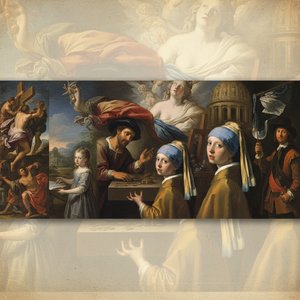
Baroko Šedevrai: 10 Menų Simbolių, Apibūdinusių Epoką | TopImpressionists
Atraskite 10 baroko šedevrų, kurie apibrėžė epoką! Karolis Rubenzas, Berninis ir kiti meistrai – jų kūriniai, istorijos bei spalvos. Aukščiausios kokybės dailės reprodukcijos ir interjero įkvėpimas TopImpressionists.com. Išnagrinėkite visą kolekciją internete!

Peter Paul Rubens: A Baroque Master's Life, Legacy & Enduring Influence
Discover the life & art of Peter Paul Rubens, the most influential artist of the Flemish Baroque tradition. Explore his masterpieces, legacy, and impact on art history with TopImpressionists.
Tyrinėkite meno kūrinius, suskirstytus pagal temas, stilius ir savybes.


