Peržiūrėti realaus dydžio版
 Siųsti
 Dalintis
 Išsamiau
 Vadovas

 Atsisiųsti
 Panašūs eksponatai
 Rentgeno spindulių nuotrauka
 Diaporama
 Statistika
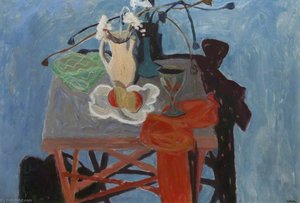
Florence
 Acrylic On Canvas
- WallArt
- Cubist Modernism
 1924
1924 66.0 x 91.0 cm
 Royal Scottish Academy of Art - Architecture
Sir William George Gillies’ "Florence" captures the vibrant Italian city with its iconic bridge and bustling scene. A stunning example of his artistic style, this painting showcases a beautiful representation of Florence's charm.
 Rodyti daugiau
Atraskite W.G. Gillies' Škotijos peizažus ir natūralius medicinus. Sužinokite apie kubizmo įtaką, ryšį su „1922 grupės“, Edinburgo meno kolegijos palikimą ir didelę įtaką 20-ajam amžiaus menui.
Šiame puslapyje rodomas meno kūrinys yra saugomas autorių teisių įstatymais, todėl neturime teisės legaliai kurti ar parduoti jo identiškos reprodukcijos. Ši apsauga užtikrinama remiantis tokiais tarptautiniais susitarimais kaip Bernės konvencija ir pagal nacionalines įstatymų nuostatas, įskaitant tas, kurias nurodo JAV autoriškos teisės įstatymas – 17-asis skyrius.
Šis metodas visiškai atitinka autorių teises, nes jame nėra kūrinio kopijavimo ar dubliavimo. Tai yra kūrybinė reinterpretacija – naujas paveikslas, kurį įkvėpė originalas, tačiau kuris nėra jo identiškas.
Giclée / Meno spausdinimas
Muziejų lygio „giclée“ arba drobos spausdinimas: greita gamyba ir lankstios apdailos parinktys. ( Pirkti rankomis tapytą reprodukciją Perejti prie skaitmeninių vaizdų)




P118B €10

P118H €10

P118W €10

P438Z €10

P508JH €12

P508YH €12

P805H €10

P805Z €10

P919BZ €10

P919G €10

P919XJ €10

P959ZH €10

P968JZ €12

W106C €8

W218G €10

W218JH €8

W218Y €10

W307PJ €10

W316G €10

W316PJ €8

W316Y €10

W398PJ €8

W4111J €10

W500HY €15

W500JH €15

W692G €12

W849H €8

W940BG €15

W953PJ €8




Standartinis
individualaus dydžio
CM
INCH
Pasirinkite iš mūsų nustatytų dydžių, atitinkančių originalaus meno kūrinio proporcijas.
Loading sizes...

plotis
aukštis
Įveskite jums reikiamą plotį ir aukštį, kad atvaizdas derėtų prie jūsų rėmo ar sienos. Spausdiną galima tik sumažinti, bet nepadidinti virš originalaus paveikslėlio dydžio, todėl keičiant proporcijas, dalis vaizdo prarandama. Prieš spausdinimą atsiųsime jums skaitmeninį maketą patvirtinimui. Šioje puslapio nuotraukoje matomas pjūvis nėra tikslus – jį rodo tik maketas.
Pristatymas visame pasaulyje () per 2 weeks, o ne įprastas 4/5 savaičių laikotarpis. (24 spalis)

Nemokamas greitasis pristatymas visame pasaulyje

Aukštos kokybės lininis drobė

Pilnas siuntimo draudimas

Muitinės mokesčių grąžinimo garantija

Tikro spalvų atitikimo garantija

100 dienų grąžinimo politika (tik esant įtaigoms)

100% pinigų grąžinimo garantija

Nuolaida dideliems užsakymams
 Stiklo variantas prieinamas tik pasirinkus dydį iki 110 cm

Florence
Giclée / Meno spausdinimas
Reprodukcijos dydis
-


Visų pasirinktų variantų kaina
€ 61
The Heart of Tuscany Captured: An Exploration of Gillies’ “Florence”
William George Gillies' "Florence," painted in 1924, isn’t merely a depiction of an Italian city; it’s a vibrant distillation of its spirit – a testament to the enduring beauty and bustling life of one of Europe’s most historically significant urban centers. This captivating canvas transports us directly to the heart of Tuscany, offering a glimpse into a world brimming with energy, commerce, and artistic resonance. The painting immediately draws the eye towards the graceful bridge that dominates the composition, its arched form acting as a visual anchor amidst the dynamic scene below. This isn’t a photographic representation; rather, Gillies employs a masterful blend of observation and imagination to create an atmosphere thick with movement and light.
Gillies, a key figure in the 1922 Group – a collective dedicated to promoting modern art in Scotland – was deeply influenced by both the Impressionists and the burgeoning Cubist movement. His early travels to Paris and Italy exposed him to these revolutionary styles, which he skillfully integrated into his own distinctive approach. “Florence” showcases this evolution; while retaining elements of traditional landscape painting, it’s imbued with a sense of fractured perspective and flattened planes reminiscent of Cubism, particularly in the treatment of the buildings lining the riverbank. The careful layering of color and brushstrokes creates an illusion of depth, inviting the viewer to lose themselves within the bustling cityscape.
A Symphony of Color and Light
The painting’s palette is remarkably rich and evocative. Gillies masterfully utilizes a range of warm ochres, deep blues, and vibrant reds to capture the essence of Florentine light. The sun, though not explicitly depicted, casts a golden glow across the scene, illuminating the reflections shimmering on the river's surface. Notice how he employs broken color – small dabs and strokes of contrasting hues – to suggest texture and form, particularly in the details of the buildings and boats. This technique adds a dynamic quality to the composition, preventing it from feeling static or overly formal.
- Dominant Colors: Warm ochres, deep blues, vibrant reds, and touches of green.
- Light & Shadow: Gillies expertly utilizes light and shadow to create a sense of depth and atmosphere.
- Brushwork: Loose, expressive brushstrokes contribute to the painting’s dynamic feel.
Symbolism and Historical Context
Beyond its aesthetic qualities, “Florence” is steeped in historical significance. The city itself represents a pivotal moment in Western civilization – the birthplace of the Renaissance, a period marked by an unprecedented flourishing of art, science, and culture. The bridge, a recurring motif in Gillies’ work, symbolizes connection and transition, linking the past with the present. The numerous boats navigating the river evoke the importance of trade and commerce to Florence's prosperity during this era. Furthermore, the painting subtly references the city’s architectural grandeur – the imposing buildings lining the riverbank are reminiscent of the palaces and churches that define Florence’s iconic skyline.
Painted in 1924, “Florence” reflects a period of renewed interest in classical art and culture following World War I. Gillies' work embodies a spirit of optimism and renewal, capturing the vibrant energy of a city poised to embrace the future while honoring its rich heritage. The painting’s enduring appeal lies not only in its technical brilliance but also in its ability to transport us back in time and evoke the timeless beauty of Florence.
Bringing “Florence” Home: A Reproduction for Your Space
TopImpressionists offers meticulously crafted, hand-painted reproductions of William George Gillies’ "Florence," ensuring that you can experience the full impact of this remarkable artwork within your own home. Our skilled artisans use traditional techniques and high-quality materials to faithfully recreate Gillies' unique style and color palette. Whether you are an art collector, a design enthusiast, or simply someone seeking to add a touch of timeless elegance to your space, our reproduction of “Florence” is the perfect choice. It’s more than just a print; it’s a window into the heart of Tuscany, capturing the spirit and beauty of one of the world's most beloved cities.
问答 (or more naturally for a website heading): Klausimai ir atsakymai
Kokia buvo Sir William George Gillies amžius sukuriant „Florence"]?
Kai 1924 m. buvo sukurta „Florence“, Sir William George Gillies – gimęs 1898 m. – buvo 26 metų amžiaus.
Kokia spalva labiausiai išsiskiria kūryniame „Florence“?
Espresso (#513e27) yra pagrindinė kūrinio „Florence“, autorius – Sir William George Gillies spalva.
Kur galiu rasti statistiką apie „Florence“, autorius – Sir William George Gillies?
Eksistuoja Statistika puslapis kūriniui „Florence“. Jame pateikiama mėnesio apžiūrų diagrama, apimanti šį kūrinį bei kitus šio kūrybinio veikėjo darbus, su skirstymu pagal šalis ir kalbas.
Autoriaus biografija
Sir William George Gillies: Gyvenimas Škotijos paveikslėstėje
Pradiniai metai ir išsilavinimas
- Gimė: Hadingtone, East Lothian, Jungtinėje Karalystėje, 1898 m.
- Gillies pirmiausia įsidėmėjo Edinburgo meno kolegijoje, tačiau jo studijų pertrauką lėmė tarnyba Pirmojo pasaulinio karo metu karinėse inžinerijos vadų pajėgose.
- Baigus karą, jis sugrįžo į Edinburgo meno kolegiją užbaigti mokslus, įgavo laipsnį ir vėliau tapo ištikimu dėstytoju šioje instituciją virš pilk plaukų, dirbdamas ten daugiau nei 40 metų.
Meninė plėtra ir įtodiniai veiksmai
- Gillies meninė kelionė prasidėjo kubizmo tyrinėjimu po to, kai studijavo André Lhote vadovavimu Paryzuje (1923 m.) ir lankėsi Italijoje (1924 m.).
- Ankstyvieji darbai, tokie kaip „Du puodeliai, saujelė ir vaisius“ (1933 m.), demonstruoja šį įtaką, atskleisdami Cézanne įkvėptą kompoziciją su Braque ir Picasso subtiliomis spalvų paletėmis.
- Lūžio momentas įvyko 1934 m., kai jis susipažino su Paul Klee kūryba, kuri įkvėpė jį naudoti vaizduotingesnę spalvą ir vaikštiškąsias savybes savo kompozicijose.
- Jis palaipsniui atsisakė griežto kubizmo, sukurdamas išskirtinę stilių, įsišakantį Škotijos peizažo ir natūralaus mirties (still life) tradicijose.
„1922 grupė“ ir bendradarbiavimo dvasia
- 1922 m. Gillies kartu su kitais menininkais, įskaitant Williamą Crozier, Williamą Geissler ir Williamą MacTargt, braižė „1922 grupės“ pagrindus.
- Ši parodų draugija dešimtmetį tarnavo platforma kylančiam Škotijos menininkams pristatyti savo darbus Edinburgo „New Gallery“ galerijoje.
- Grupė skatino bendruomeniškumą ir inovacijas visoje Škotijos meno scenoje.
Temos ir kūrybos objektai
- Peizažai: Gillies yra garsėjantis savo Lothian, Fife ir Border regionų Škotijos vaizdinimais. Jis su jautrumu užfiksavo šių kraštlandžių esmę.
- Natūralūs mirties (still life) paveikslai: Kompozicijos su natūralaus mirties objektais buvo dar viena svarbi jo dėmesio zona; dažnai juose matoma keramika, sukuriama jo jaunesnaja seserys Emma Smith Gillies, kurios ankstyva mirtis 1936 m. jį giliai suplitino.
- Portretas: Nors savo karjeros pradžioje jis eksperimentavo su portretais, peizažai ir natūralaus mirties paveikslai tapo jo pagrindiniais temų objektais.
Didieji pasiekimai ir pripažinimas
- Gillies tarnavo Edinburgo meno kolegijos vadovu nuo 1959 m. iki savo pensijos 1966 m.
- Jo gausi kūryba ir atsidavimas mokymui turėjo gili įtaką keliugenerių Škotijos paveikslėtojų.
- Jis buvo išrinktas Karališkųjų akademikų (RA) nariu, kas patvirtino jo didelį pripažinimą meno pasaulyje.
Istorinė reikšmė ir palikimas
- Sir William George Gillies laikomas vienu svarbiausių XX amžiaus Škotijos paveikslėtojų.
- Jo kūryba padeda tiltinti šios amžiaus pradžios modernizmo ir išskirtinės Škotijos meninės tapatybės spragą.
- Palikimas: Jo įtaka išsiplėčia už jo paveikslų ribų, formuojant Škotijos meno kryptį per jo mokymą ir mentorystę.
- Jis mirė 1973 m., palikdamas turtingą kūrybos veislę, kuri ir šiandien yra vertinama dėl savo grožio, jautrumo ir neblėstančios aktualybės.

Sir William George Gillies
1898 - 1973 , Jungtinė Karalystė
Trumpa informacija apie kūrėją
- Gimimo Data: 1898
- Gimimo Vieta: Haddington, Jungtinė Karalystė
- Krovas:
- Kubizmas
- Škotijos koloristai
- Mirties Data: 1973
- Tautybė: Škotijos
- Vardas: Sir William George Gillies
- Įkvėpė:
- André Lhote
- Cézanne
- Braque
- Picasso
- Paul Klee
- Žinomos Darbai:
- Jaunas berniukas su arbatinuku
- Viduržemio jūros peizažas su pilku dangumi
- Natreptinis vaizdas – geltonas ąsotas ir juostėtas audinys
- Pripiešės kilmis (Jacopo Tintoretto stiliaus)
Susiję straipsniai

Hudson River School: 10 Šedevrai, Apibrėžę Amerikos Peizažo Meną
Atraskite 10 legendinių Hudson River School kūrinių! Thomas Cole, Frederic Church ir kiti meistrai sukuria nepakartojamą gamtos grožio vaizdą. Išmokite apie jų techniką ir įkvėpkite savo interjerą aukštos kokybės reprodukcijomis iš TopImpressionists.com!

10 Romantinių Peizažų Simbolių: Tapybos Majestatės Viršūnės
Atraskite 10 legendinių romantinio peizažo kūrinių! Pasinerkite į Claude Lorrain, Caspar David Friedrich ir J.M.W. Turner genijaus pasaulį. Išmokite apie tapybos meistriškumą bei gamtos grožį. Aukščiausios kokybės meno reprodukcijos – TopImpressionists.com. Tyrinėkite kolekciją!

Džono Konsteblio Šedevrai: 25 Išskirtiniai Darbai Jūsų Interjerui | TopImpressionists
Atraskite 25 įspūdingiausius Džono Konsteblio paveikslus! Romantizmo meistro gamtos vaizdai, Dedham Vale peizažai ir meno istorijos šedevrai. Meno reprodukcijos jūsų interjerui – TopImpressionists.com

Evocations of Place: A Historical Journey Through Landscape Art
Explore the rich history of landscape art with TopImpressionists. Discover renowned artists, movements like Impressionism & tonalism, and expert guidance for collecting timeless pieces. Find your perfect serene escape today!

Evocations of Place: A Historical Journey Through Landscape Art
Explore the rich history of landscape art with TopImpressionists. Discover renowned artists, movements like Impressionism & Romanticism, and expert guidance for collecting timeless pieces. Find your perfect serene escape today!
Tyrinėkite meno kūrinius, suskirstytus pagal temas, stilius ir savybes.