


 Peržiūrėti realaus dydžio版
 Siųsti
 Dalintis
 Išsamiau
 Vadovas

 Atsisiųsti
 Panašūs eksponatai
 Rentgeno spindulių nuotrauka
 Diaporama
 Statistika
Hawking
 Acrylic On Canvas
- WallArt
 1902
1902- 19th Century
 120.0 x 104.0 cm
 National Trust
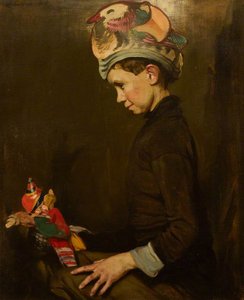
Sir William Nicholson's 'Hawking' (1902) depicts a young boy with a bird, alongside dogs and a horse – a poignant portrait reflecting early 20th-century life.
 Rodyti daugiau
Atraskite Serą Viljamą Nicholsoną (1872–1949), britų tapytoją, garsėjantį įspūdingais portretais, elegantiškais natiūrmortais ir novatoriškomis medžio graviūromis. Tyrinėkite jo "Beggarstaffs" partnerystę ir ilgalaikį poveikį ankstyvųjų XX amžiaus meno scenai.
Įsigykite aukštos skiriamosios raiškos, patobulintą skaitmeninį vaizdą, gerokai pranašesnį už internetinę peržiūrą.
Kiekvieną failą mūsų specialistai kruopščiai paruošia naudojant pažangias technologijas ir profesionalų rankinį retušavimą. Užtikriname, kad kiekvienas vaizdas pasižymėtų išskirtiniu aiškumu, tikslia spalvų atspalviu ir smulkiomis detalėmis.
Baigiamas failas el. paštu pristatomas per 72 valandas; jis optimizuotas nedelsiant naudojimui profesionalioje, redakcinėje ir spausdinimo aplinkoje. Tai ta pati kokybė, kuria pasitiki aukščiausios klasės dizaino studijos, leidyklos ir galerijos.
Skaitmeninis vaizdas
Atsisiųskite didelės raiškos failą asmeniniam naudojimui, spausdinimui ir kūrybiniams projektams. ( Perjungti į spausdinimą Pirkti rankomis tapytą reprodukciją)
Kiekvieną skaitinio vaizdo užsakymą papildė
Profesionalus skaitmeninis vaizdų pristatymas, garantuotas
Pasirinkę TopImpressionists.com, jūs ne tik gaunate paveikslėlį – jūs gaunate profesionaliai patobudintą skaitmeninį kūrinį, sukurtą itin tikniai ir užtikrinantį pasitenkinimą. Štai viską, kas automatiškai pritékia jūsų užsakymui:

Greitas nuotraukų gavimas el. paštu
Jūsų aukštos raiškos skaitmeninis vaizdo failas bus išsiųstas el. paštu per 72 valandas nuo užsakymo – jis bus paruoštas naudoti be jokių papildomų veiksmų.

Skaitmeninis failas su dirbtiniu intelektu
Jūsų meno kūrinys profesionaliai optimizuojamas naudojant pažangius dirbtinio intelekto įrankius ir rankinį redagavimą, užtikrinant maksimalią detalę, aiškumą ir spalvų tikslumą.

Nemokamas visam laikui pakartotinis siuntimas
Atsitiktinai ištrytikote ar praradote savo failą? Nebijokite – bet kuriuo metu atsiųsime jį jums vėl nemokamai.

Jokio importo mokesčio – niekada
Mėgaukitės savo meno kūriniu akimirka – skaitiniai failai visada yra neapmokestinami, todėl nereikės mokėti muitinės, mokesčių ar pristatymo mokesčių.

Spalvų tikslumo garantija
Naudodami profesionalią įrangą ir spalvų valdymo sistemas, užtikriname, kad jūsų skaitmeninis vaizdas kuo tiksliau atspindėtų originalias spalvas.

100 dienų patikimumo garantija
Jei nebuvosite patenkinti įsigyto skaitmeninio vaizdo, mes jį tališkai koreguosime arba grąžinsime 100% sumą per 100 dienų – be jokių klausimų.

100% pinigų grąžinimo garantija
Nesitenkinate? Gaukite visą sumokėtą sumą per 100 dienų nuo skaitmeninio failo gavimo – be jokių papildomų klausimų.

Nuolaidos dideliems užsakymams
Pirkti 3 nuotraukas – 10% nuolaida – Pirkti 5 – 15% nuolaida – Pirkti 10 ir daugiau – 20% nuolaida. Puikiai tinka kūrybiniams projektams, galerijoms bei agentūroms.
The Enigmatic Figure of Hawking
William Nicholson’s “Hawking,” painted in 1902, isn't merely a portrait; it’s a carefully constructed tableau of Victorian sensibilities layered with subtle anxieties and burgeoning modernity. The subject, a young boy holding a bird on his arm while accompanied by two dogs, immediately evokes a sense of domesticity—a scene seemingly plucked from the heart of Edwardian England. Yet, closer inspection reveals a complex interplay of elements that hint at deeper currents beneath the surface of this carefully arranged image. The boy’s posture is slightly awkward, his gaze averted, suggesting a quiet introspection or perhaps a touch of unease. The bird he cradles, likely a finch, symbolizes freedom and innocence, but its presence within the confines of the scene introduces an element of fragility and vulnerability.
A Collaboration Born of Artistic Vision
“Hawking” was a product of a remarkable artistic partnership between Nicholson and James Pryde, known collectively as the Beggarstaffs. This duo revolutionized illustration in the late 19th and early 20th centuries by employing a distinctive style characterized by bold lines, flattened perspectives, and a deliberately unpolished aesthetic. Their work rejected the fussy detail of academic portraiture, opting instead for a more immediate and dynamic approach. Nicholson’s contribution to this project was crucial; he brought a sophisticated understanding of composition and characterization, while Pryde provided the technical expertise in woodcut and lithography. The Beggarstaffs' style reflected a shift away from traditional illustration towards a more journalistic and evocative form of visual storytelling.
The Victorian Context: Restraint and Subversion
To fully appreciate “Hawking,” it’s essential to understand the broader context of Victorian England. The era was marked by strict social conventions, rigid moral codes, and a profound sense of propriety. Yet, beneath this veneer of respectability lay currents of change—industrialization, urbanization, and growing anxieties about modernity. Nicholson subtly captures these tensions within his painting. The dogs, symbols of loyalty and domesticity, are juxtaposed with the boy’s withdrawn demeanor, hinting at a disconnect between traditional values and emerging individualistic sensibilities. The inclusion of the bird, representing freedom, further underscores this subtle subversion of Victorian norms.
Symbolism and Emotional Resonance
Beyond its stylistic merits, “Hawking” is rich in symbolic meaning. The boy’s posture suggests a sense of isolation or perhaps a questioning of authority—a common theme in the literature of the period. The bird, as mentioned earlier, represents innocence and vulnerability, while the dogs embody loyalty and companionship. The overall composition creates a feeling of quiet contemplation, inviting the viewer to ponder the complexities of human relationships and the challenges of navigating a rapidly changing world. Nicholson’s masterful use of light and shadow further enhances the painting's emotional impact, creating a sense of depth and atmosphere that draws the eye inward.
A Legacy of Artistic Innovation
Sir William Nicholson’s “Hawking” stands as a testament to his artistic versatility and his ability to capture the spirit of his time. It is a remarkable example of Beggarstaff illustration, blending technical skill with evocative storytelling. Reproductions of this painting offer a captivating glimpse into Victorian England—a world of restrained elegance, hidden anxieties, and burgeoning modernity. Its enduring appeal lies in its ability to resonate with viewers on multiple levels, inviting them to contemplate the complexities of human experience and the timeless themes that continue to shape our understanding of ourselves and the world around us.
问答 (or more naturally for a website heading): Klausimai ir atsakymai
Iš kokio laikotarpio yra „Hawking“?
Istorinis laikotarpis kūriniam „Hawking“, autorius – Seras Viljamas Nikolsonas yra 19th Century. Ši klasifikacija priskiria šį kūrinį konkrečiam meno istorijos etapui.
Ar „Hawking“ spalvos atrodo ryškios ar švelnios?
„Hawking“, autorius – Seras Viljamas Nikolsonas pasižymi Balanced spalvų intensyvumu.
Kokia yra „Hawking“, autorius – Seras Viljamas Nikolsonas dominuojanti spalva?
Dominiruojanti „Hawking“ spalva yra Walnut (#603d06). Pagrindinė spalva yra naudinga pritaikant kūrinį interjerui.
Susiję kūriniai


Autoriaus biografija
Ankstyvas gyvenimas ir meninės pradžios
Sir William Newzam Prior Nicholson, gimęs 1872 metais Newark-on-Trent mieste, užaugo šeimoje, kurioje pragmatiškumas derinosi su estetiniais polinkiais. Jo tėvas – sėkmingas inžinierius ir konservatorius parlamento narys – įskiepijo discipliną, o motinos giminės šaknys siejosi su Oksfordšyro meno tradicijomis. Dar jaunystėje Nicholson parodė meninius gabumus, kuriuos ugdė pamokos pas vietinį tapytoją William Cubley, kuris pats kilo iš sero Joshua Reynoldso mokyklos. Ši ankstyva patirtis padėjo pamatą karjerai, apimančiai įvairias priemones ir stilius. Trumpas laikotarpis Hubert von Herkomer’io meno mokykloje buvo lemtingas – ne tik tobulinant įgūdžius, bet ir susipažįstant su Mabel Pryde, kuri taps jo žmona ir svarbiausiu bendradarbiu. Būtent per Mabel jis sutiko jos brolį James Pryde’ą, partnerystę, netrukus sukursią revoliucją grafikos dizaino srityje.„Beggarstaffs“ ir plakato meno revoliucija
William Nicholson ir James Pryde bendradarbiavimas, žinomas kaip „J. & W. Beggarstaff“, buvo posūkis britų vizualinėje kultūroje. Atmetais viktorietiškų plakatų puošnumą, jie pasirinko drąsų paprastumą, pasižymintį ryškiais siluetais, plokščiomis spalvomis ir sąmoningu tradicinės perspektyvos atsisakymu. Jų dizainai nebuvo tik reklama; tai buvo pareiškimai – galingos grafinės kompozicijos, užkariavusios visuomenės vaizduotę. Plakatai tokioms produkcijoms kaip „Don Quixote“ ir leidiniams, pavyzdžiui, „Harper’s Magazine“, tapo akimirksniu atpažįstami, įtakodami visą kartą menininkų ir dizainerių. Šis laikotarpis nebuvo tik apie komercinį meną; tai buvo apie vizualinės komunikacijos perkūrimą. „Beggarstaffs“ darbai iššuko konvencijas, nubruko kelią šiuolaikiniam grafikos dizainui ir įtvirtino Nicholson reputaciją kaip novatorių. Jų poveikis rezonavo toli už plakatų ribų, paveikdamas iliustraciją ir net tapybą pabrėžiant stiprią formą ir sąmoningą kompoziciją.Nuo medžio pjūvio iki portretų: besivystantis stilius
Nutraukus „Beggarstaff“ partnerystę, Nicholson ėmėsi stilistinių paieškų periodo. Jis kreipė dėmesį į medžio pjūvį ir graviūrą, technikas, leidusias toliau tobulinti linijų ir formų meistriškumą. James McNeill Whistler’io skatinamas, jis pasirinko šiuos metodus, kurdamas sudėtingus ir vaizdingus spaudinius, demonstruojančius augantį meninį brandumą. Šie darbai parodė nepaprastą gebėjimą užfiksuoti esmę minimaliomis detalėmis – kokybę, kuri taps jo stiliaus vizitine kortele. Tuo pat metu Nicholson ėmėsi įsitvirtinti kaip portretų tapytojas, gaudamas užsakymus iš žymių to meto asmenybių. Jo portretai nebuvo tik panašumai; tai buvo gilūs charakterio tyrimai, atskleidžiantys subjekto vidinį pasaulį subtiliomis išraiškos ir pozos niuansais. Darbai, tokie kaip *Lady in Furs, Mme. P.*, iliustruoja šį įgūdį, užfiksuodami ne tik fizinę išvaizdą, bet ir asmenybės bei socialinę padėtį.Stilistinė kompozicija, kraštovaizdžiai ir ilgalaikis palikimas
Vėlesniuose karjeros etapuose Nicholson vis daugiau dėmesio skyrė stilistinei kompozicijai ir kraštovaizdžio tapybai. Jo stilistinės kompozicijos, tokios kaip *The Lowestoft Bowl*, garsėja išskirtiniu dėmesiu detalėms, harmoningais spalvų deriniai ir tykiu intimumo jausmu. Jis įprastinius daiktus apgaubė poetiška kokybe, pakeldamas juos virš paprasto vaizdavimo iki grožio ir kontempliacijos simbolių. Jo kraštovaizdžiai, dažnai atspindintys kelionių Ispanijoje ir Italijoje scenas, atskleidžia jautrumą šviesai ir atmosferai, užfiksuodami vietos esmę nepaprastu įgūdžiu. Visą gyvenimą Nicholson liko universaliu menininku, nuolat eksperimentavęs su naujomis technikomis ir metodais. Jis rašė vaikų knygas, kūrė teatrui ir tęsė spaudinių gamybą kartu su tapybos darbais. Sir William Nicholson įtaka apima ne tik jo paties vaisingą produkciją; jis įkvėpė visus kartos menininkus savo atsidavimu meistriškumui, novatoriškam dvasiui ir gebėjimui rasti grožį kasdienybėje. Jo darbai išlieka liudijimu meno galiai apšviesti žmogaus patirtį ir pakeisti mūsų suvokimą aplinkinio pasaulio. Jis mirė 1949 metais, palikęs turtingą meninį palikimą, kuris ir šiandien žavi ir įkvepia.
Seras Viljamas Nikolsonas
1872 - 1949 , Jungtinė Karalystė
Pagrindinė informacija
- Gimimo Data: 1872 vasario 5 d.
- Gimimo Vieta: Newark, Jungtinė Karalystė
- Meninis Stilius: Portretas, natiūrmortas
- Mirties Data: 1949 gegužės 16 d.
- Pilietybė: Britų
- Pilnas Vardas: Sir William Newzam Prior Nicholson
- Įtakoję Menininkai:
- James Pryde
- Whistler
- Žymiausi Darbai:
- Lady in Furs
- The Lowestoft Bowl