

 Peržiūrėti realaus dydžio版
 Pasidalinti
 Dalintis
 Išsamiau
 Vadovas

 Atsisiųsti
 Panašūs eksponatai
 Rentgeno spindulių nuotrauka
 Automatinė diorama
 Q&A
Q&A Statistika
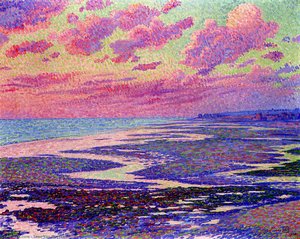
Seascape


Experience Theo van Rysselberghe's 'Seascape,' a captivating Neo-Impressionist oil painting of a serene coastal scene. Admire the vibrant colors, dreamy atmosphere, and masterful brushwork in this iconic masterpiece.
 Skaityti daugiau
Atraskite Théo van Rysselberghe ryškius neo-impresionistinius paveikslus! Tyrinėkite jo peizažus, portretus ir marokiečių scenas – svarbią Les XX grupės figūrą, sujungiančią šviesą ir spalvą.
Giclée / Meno spausdinimas
Muziejų lygio „giclée“ arba drobos spausdinimas: greita gamyba ir lankstios apdailos parinktys. ( Pirkti rankų darbo tapybą Perejti prie skaitmeninių vaizdų)




P118B €10

P118H €10

P118W €10

P438Z €10

P508JH €12

P508YH €12

P805H €10

P805Z €10

P919BZ €10

P919G €10

P919XJ €10

P959ZH €10

P968JZ €12

W106C €8

W218G €10

W218JH €8

W218Y €10

W307PJ €10

W316G €10

W316PJ €8

W316Y €10

W398PJ €8

W4111J €10

W500HY €15

W500JH €15

W692G €12

W849H €8

W940BG €15

W953PJ €8




Standartinis dydis
pagal užsakymą
CM
INCH
Pasirinkite iš mūsų nustatytų dydžių, atitinkančių originalaus meno kūrinio proporcijas.
Loading sizes...

plotis
aukštis
Įveskite jums reikiamą plotį ir aukštį, kad atvaizdas derėtų prie jūsų rėmo ar sienos. Spausdiną galima tik sumažinti, bet nepadidinti virš originalaus paveikslėlio dydžio, todėl keičiant proporcijas, dalis vaizdo prarandama. Prieš spausdinimą atsiųsime jums skaitmeninį maketą patvirtinimui. Šioje puslapio nuotraukoje matomas pjūvis nėra tikslus – jį rodo tik maketas.
Pristatymas visame pasaulyje () per 2 weeks, o ne įprastas 4/5 savaičių laikotarpis. (1 lapkritis)

Nemokamas greitasis pristatymas visame pasaulyje

Aukštos kokybės lininis drobė

Pilnas siuntimo draudimas

Muitinės mokesčių grąžinimo garantija

Tikro spalvų atitikimo garantija

100 dienų grąžinimo politika (tik esant įtaigoms)

100% pinigų grąžinimo garantija

Nuolaida dideliems užsakymams
 Stiklo variantas prieinamas tik pasirinkus dydį iki 110 cm

Seascape
Giclée / Meno spausdinimas
Reprodukcijos matmenys
-


Bendroji kaina
€ 61
A Symphony of Light and Sea: Theo van Rysselberghe’s “Seascape”
Theo van Rysselberghe's "Seascape," painted in 1893, isn’t merely a depiction of the ocean; it’s an immersion into a world where light dances upon water and tranquility reigns supreme. This oil on canvas, currently residing within the Indianapolis Museum of Art, embodies the heart of Post-Impressionism – a movement characterized by its vibrant color palettes, subjective perspectives, and a deliberate departure from strict realism. Van Rysselberghe, a pivotal figure bridging Impressionism and Neo-Impressionism, masterfully captures not just the visual elements of the seascape but also an elusive sense of mood and atmosphere, inviting the viewer into a contemplative space.
The painting immediately draws the eye to its luminous sky – a wash of yellows and blues that suggest both dawn and dusk. These aren’t the sharp, defined colors of traditional landscape art; instead, they bleed into one another with remarkable fluidity, creating an ethereal quality. Below this celestial expanse unfolds a deep azure ocean, punctuated by the gentle whitecaps of waves. The artist's brushstrokes are loose and expressive, avoiding meticulous detail in favor of conveying the *feeling* of movement and light. Two small boats navigate these waters, their forms subtly rendered against the vastness of the sea, hinting at human presence without dominating the scene.
Neo-Impressionism’s Dance with Light
Van Rysselberghe's approach aligns perfectly with the tenets of Neo-Impressionism. This movement, emerging in the late 19th century, built upon Impressionism but sought to introduce a more scientific and deliberate method to color theory. Artists like Van Rysselberghe employed “pointillism” – applying tiny dots of pure color to create an optical mixture when viewed from a distance. While not as rigorously executed as in works by Seurat or Signac, the influence is evident in the layering of colors and the overall effect of shimmering light. The painting’s vibrancy isn't achieved through blending on the palette but through the careful juxtaposition of individual hues.
The inclusion of a solitary figure near the left center adds an intriguing layer to the composition. This individual, seemingly lost in contemplation against the backdrop of the expansive sea, serves as a focal point for the viewer’s gaze. It's not a portrait in the traditional sense; rather, it represents humanity’s smallness and vulnerability when confronted with the immensity of nature. The figure’s presence subtly elevates the painting beyond a simple seascape, transforming it into a meditation on scale, perspective, and the human condition.
A Moroccan Echo & Belgian Roots
Van Rysselberghe's artistic journey was profoundly shaped by his extensive travels, particularly his sojourns in Morocco between 1882 and 1883. These experiences ignited a passion for capturing the intense light and vibrant colors of the North African landscape. The influence of these travels is palpable in “Seascape,” evident in the warm tones and the evocative depiction of the sea’s surface. His time in Morocco also fostered an appreciation for the interplay between color, shadow, and atmosphere – elements that he skillfully integrates into this painting.
Born in Ghent, Belgium, Van Rysselberghe's early training instilled a grounding in traditional realism. However, his travels and engagement with contemporary artistic movements propelled him toward a more expressive and subjective style. “Seascape” represents a harmonious synthesis of these influences – a testament to the artist’s ability to blend technical skill with emotional depth.
Capturing Tranquility: A Reproduction for Your Space
Reproductions of "Seascape" offer a remarkable opportunity to bring this evocative artwork into your home or office. The meticulous detail and vibrant colors are faithfully recreated, allowing you to experience the painting’s serene atmosphere firsthand. Whether displayed in a coastal room, a study, or a gallery wall, this reproduction serves as a constant reminder of the beauty and tranquility found within nature – a timeless piece that speaks to the soul.
Consider commissioning a hand-painted replica from TopImpressionists.com for an authentic experience, capturing the nuances of Van Rysselberghe’s technique and ensuring a treasured addition to your collection. The painting's legacy continues through these reproductions, allowing its beauty to be shared with a wider audience.
Klausimai ir atsakymai
Kokią emociją perteikia „Seascape“ – Téo Van Riselbergas?
„Seascape“ kūryboje Calm nuotaika lydi Tranquil emociją.
Ar „Seascape“ – Téo Van Riselbergas yra paveikslas, piešinys ar grafika?
Kataloge „Seascape“ – Téo Van Riselbergas priskirtas kategorijai WallArt. Ši kategorija padeda rasti panašius kūrinius.
Kiek harmoningai dera „Seascape“ – Téo Van Riselbergas spalvos?
„Seascape“ – Téo Van Riselbergas pasižymi Strong Color Unity spalvų harmonija.
panašūs kūriniai





Autoriaus biografija
Šviesos Pradininkas: Theo van Rysselberghe’o Gyvenimas ir Kūryba
Théophile “Théo” van Rysselberghe’o, gimęs 1862 metais Gentuose (Belgija), iškilo kaip svarbiausias tiltas tarp impresionizmo ir neoimpresionizmo. Jo kelias nebuvo tiesioglinis stilistinis pasirinkimas, o nuolatinė patirtys, intelektualiniai mainai ir nenustramus siekis užfiksuoti šviesos esmę. Kilęs iš komfortabiliškos, prancūziškai kalbančios buržuazijos šeimos, van Rysselberghe’o pirmasis meninis ugdymas vyko Gento akademijoje pas Theo Canneel, o vėliau – prestižinėje Karališkojoje dailės akademijoje Briuselyje. Šie formavimo metai suteikė jam pagrindą, įsitvirtinusį tradiciniame realizme, matomą ankstyvuose darbuose, tokiuose kaip *Autoportretas su pypke* (1880), pasižyminčiu niūriais tonais ir kruopščia detalėmis – tai atspindi vyraujantį belgų meno klimatą. Tačiau net ir šiuose ankstyvuose kūriniuose ėmė ryškėti augantis jautrumas šviesai ir spalvai, pranašaujantis jo ateities kryptį. Svarbus darbas iš šio laikotarpio, *Vaikas atviroje miško erdvėje* (1880), žymėjo subtilų nukrypimą, užuominą į ryškesnę paletę ir laisvesnį potepį, kuris apibrėžtų jo vėlesnį stilių.Marokiečių Įspūdžiai ir “Les XX” Gimimas
Transformuojantis skyrius išsiskleidė su van Rysselberghe’o kelionėmis į Maroką tarp 1882 ir 1888 metų. Šios ilgesnės viešnagės panardino jį į spalvingų spalvų, intensyvaus saulės apšvietimo ir egzotiškų kraštovaizdžių pasaulį – ryškus kontrastas su ankstesnių darbų prislopintais tonais. Paveikslai, tokie kaip *Arabų gatvės batų taisytojas* (1882), *Arabų berniukas* (1882) ir *Pailsintis sargybinis* (1883), demonstruoja augantį susidomėjimą šviesos poveikiu formoms, atsisakant griežto realizmo link impresionistinio jautrumo. Marokiečių patirtis nebuvo tik vizualinė stebėjimo priemonė; tai buvo įsipainiojimas į kitą kultūrą, kuri praplėtė jo meninius horizontus ir suteikė amžiną meilę kelionėms. Grįžęs į Briuselį, van Rysselberghe’o tapo pagrindine jėga belgų meno scenoje, 1883 metais bendradarbiaudamas su Octave Maus ir Émile Verhaeren įkūręs įtakingą grupę *Les XX* (Dvidešimt). Ši kolektyvinė platforma tarnavo kaip vieta avangardinio meno demonstravimui, pristatant naujus judėjimus, tokius kaip impresionizmas ir simbolizmas belgų auditorijai, kuri nebuvo susipažinusi su tokiais inovacijomis. *Arabų fantazija* (1884), didelio masto egzotinis paveikslas, tapo jo garsiausiu darbu iš šio laikotarpio, demonstruodamas jo meistriškumą šviesos ir kompozicijos srityje.Pasineriant į Neoimpresionizmą: Mokslinis Spalvos Požiūris
Tikras posūnis van Rysselberghe’o meninėje plėtroje įvyko susipažinus su Georges Seurat’s *Sekmadienis La Grande Jatte saloje* aštuntojo impresionistų parodoje Paryžiuje 1886 metais. Iš pradžių skeptiškas dėl Seurat’o kruopštaus “pointilisto” – sistemingo grynos spalvos taškelių panaudojimo – van Rysselberghe’o palaipsniui įvertino jo mokslinį pagrindą ir potencialą pasiekti šviesos efektus. Jis ėmė eksperimentuoti su divisionizmu, neoimpresionistine metodika, atskiriant spalvas į jų sudėtines dalis ir leidžiant žiūrovo akiai jas optiškai sumaišyti. Tai nebuvo tik techninis poslinkis; tai buvo fundamentalus jo požiūrio į tapybą pokytis – perėjimas prie analitiškesnės ir objektyvesnės šviesos ir spalvos reprezentacijos. Jis užmezgė artimus draugiškus santykius su kitais neoimpresionistų dailininkais, tokiais kaip Paul Signac, keliavo kartu su juo Prancūzijos Rivjeros pakrante ir keitėsi idėjomis apie techniką bei teoriją. Van Rysselberghe’o išskyrė judėjime tai, kad taškizmą pritaikė ne tik kraštovaizdžiams, bet ir portretams, kurdamas ryškiai spalvingus ir psichologiškai įžvalius savo šeimos ir draugų atvaizdus – tokie darbai kaip *Madame Charles Maus* (1890) yra puikūs pavyzdžiai.Už Taškizmo Ribų: Tvari Palikimas
Nors ilgą laiką buvo giliai įsipareigojęs neoimpresionizmui, van Rysselberghe’o vėliau perėjo ribas jo griežtus principus 1890-ųjų pabaigoje. Jis siekė didesnės laisvės savo potepiuose ir kompozicijose, tyrinėdamas naujus būdus išreikšti emocijas ir atmosferą. Jis liko produktyvus menininkas, dirbdamas įvairiose medijose, įskaitant baldų dizainą, knygų iliustracijas ir dekoratyvinį meną. Jo įtaka apėmė ne tik Belgiją, paveikdama tokius atlikėjus kaip Piet Mondrian ir Jan Toorop, kurie buvo įkvėpti jo novatoriško spalvų ir šviesos panaudojimo. Van Rysselberghe’o palikimas slypi ne tik jo gražiuose paveiksluose, bet ir jo vaidmenyje katalizatoriaus meno pokyčiams – modernizmo čempione, padėjusiame pristatyti naujas idėjas ir technikas belgų meno pasauliui. Jo darbai dabar laikomi žymiausiuose muziejuose visame pasaulyje, įskaitant Musée du Luxembourg Paryžiuje ir Museum voor Schone Kunsten Gente, užtikrinant, kad jo indėlis į meno istoriją bus švenčiamas ir vertinamas ateities kartų. Jo atsidavimas tyrinėti šviesos, spalvos ir formos sąveiką įtvirtino jį kaip tikrą modernios tapybos pradininką.
Téo Van Riselbergas
1862 - 1926 , Lietuva
Trumpa informacija
- Gimimo Data: 1862 m. lapkričio 23 d.
- Gimimo Vieta: Gentas, Belgija
- Meninis Stilius: Neo-Impresionizmas
- Mirties Data: 1926 m. gruodžio 13 d.
- Pilietybė: Belgas
- Pilnas Vardas: Théo van Rysselberghe
- Turėjo Įtakos:
- Jean-François Portaels
- Georges Seurat
- Paul Signac
- Įtakojo:
- Piet Mondrian
- Jan Toorop
- Žymiausi Darbai:
- Arabų fantazija
- Ispanė
- Sevilijos moteris
Susiję straipsniai

The Soul of Impressionism: Why Oil on Canvas Captures Eternal Light and Timeless Emotion
Discover the enchanting alchemy of Impressionism. Explore how the mastery of oil on canvas, through glazing and impasto, captures eternal light and emotion. Perfect for lovers of Monet and Van Gogh seeking the profound depth of hand-painted fine art.
Tyrinėkite meno kūrinius, suskirstytus pagal temas, stilius ir savybes.

