

Shown: · With its frame:
 Peržiūrėti realaus dydžio版
 Pasidalinti
 Dalintis
 Išsamiau
 Vadovas

 Atsisiųsti
 Panašūs eksponatai
 Rentgeno spindulių nuotrauka
 Automatinė diorama
 Q&A
Q&A Statistika
- 340.0 x 362.0 cm


€ 239
Rankų darbo aliejinės reprodukcijos
Rankiniu būdu tapytas aliejus ant droblio jūsų pageidaujamame dydį ir rėmuose – tai mūsų menininkų pagal užsakymą sukurtas darbas. ( Perjungti į spausdinamus版作品 Perejti prie skaitmeninių vaizdų)
Size
·Standartinis dydis
pagal užsakymą
CM
INCH
Pasirinkite iš mūsų nustatytų dydžių, atitinkančių originalaus meno kūrinio proporcijas.
Loading sizes...

plotis
aukštis
Įveskite jums reikiamą plotį ir aukštį, kad paveikslas atitiktų jūsų rėmą ar sieną. Kadangi šis darbas yra rankinio darbo, siekiant išgauti kitokios formos dydį, paveikslas gali būti šiek tiek didesnis (nuo kraštų bus palikta daugiau erdvės) arba mažesnis – pasirinkite jums patogiausią variantą. Prieš pradedant tapyti, atsiųsime jums skaitmeninį maketą patvirtinimui. Šioje puslapio nuotraukoje matomas vaizdas nėra galutinis rezultatas – jį parodys tik sukurtas maketas.
 Skaityti daugiau
Finish
·
White €1

Blurside €1

Extended €1

P118B €10

P118H €10

P118W €10

P438Z €10

P508JH €12

P508YH €12

P805H €10

P805Z €10

P919BZ €10

P919G €10

P919XJ €10

P959ZH €10

P968JZ €12

W106C €8

W218G €10

W218JH €8

W218Y €10

W307PJ €10

W316G €10

W316PJ €8

W316Y €10

W398PJ €8

W4111J €10

W500HY €15

W500JH €15

W692G €12

W849H €8

W940BG €15

W953PJ €8

H24-GOLD €30

H24-SILVER €30

H36-GOLD €45

H36-SILVER €45
Shipped in a protective tube, ready for your own framer.
Above 105 cm the frame is shipped as a kit for a professional framer — read the details.
Extras
optionalWhat do the extras include?
Examples of what can be changed: Replace face with customer photo; Add pet (e.g., replace cat with dog); Include hidden message in background; Change background landscape or elements.
After order, TopImpressionists.com team will email client for instructions and provide a mockup preview
After order, TopImpressionists.com team will email client for instructions and provide a mockup preview
Pristatymas visame pasaulyje () per 3–4 savaites, o ne įprastai – per 5 savaites. (2 lapkritis). Kokybė lieka nepakeičiama.
Apsauginis lakas
Pavadinimo lentelė
Išgraviruotos bronzinės plokštelės detalės
This elegant plaque features the artist's name and the title of the artwork, finely engraved for a timeless presentation.
It is made from bronze with a refined, elegant finish. The text is precisely laser-engraved for a sharp and permanent result. Measuring 9x2 cm, the plaque is compact yet easy to read. It's built to be durable and scratch-resistant, offering a professional, museum-quality look. Mounting is simple thanks to the included adhesive backing.
Skaidrios akrilo plokštelės informacija
The plaque includes essential engraved details such as the artist's name, the title of the artwork, the date it was created, the type of media used-like oil on canvas or watercolor-a brief description of the piece, and a QR code that links to the complete artwork information.
It is crafted from clear acrylic, offering a sleek, modern appearance. The text is UV-engraved in black to ensure strong visual contrast. With a size of 10x15 cm, it ensures optimal readability. It comes equipped with two metal hooks for secure wall mounting. The plaque is designed to be weather-resistant, making it suitable for various environments, and it includes interactive features that work seamlessly with smartphone scanning.
Juodos akrilo plokštelės informacija
This elegant plaque includes engraved information such as the artist's name, the title of the artwork, the date it was created, the type of media used (like oil on canvas or watercolor), a short description of the artwork, and a QR code for quick access to more information.
The plaque itself is made from refined black acrylic with a premium finish. The text is laser-engraved in white for high contrast and readability. Its size is 10x15 cm, designed to be easy to read. It comes with two metal hooks for professional mounting. The design is sleek and fits any interior style. It is also weather-resistant and durable, with built-in digital integration for mobile compatibility.
Stiklo variantas prieinamas tik pasirinkus dydį iki 110 cm
 Stiklo variantas prieinamas tik pasirinkus dydį iki 110 cm
- Nemokamas greitasis pristatymas visame pasaulyje
- Aukštos kokybės lininis drobė
- Pilnas siuntimo draudimas
- Muitinės mokesčių grąžinimo garantija
- Tikro spalvų atitikimo garantija
- 100 dienų grąžinimo politika (tik esant įtaigoms)
- 100% pinigų grąžinimo garantija
- Nuolaida dideliems užsakymams


Kolekcinio objekto aprašas
Autoriaus biografija
Atraskite Théodore Chassériau (1819-1856), prancūzų romantizmą atstovintį paveikslautoją, jungiantį Ingreso ir Delacroix stilius. Tyrinėkite jo ryškius portretus, orientalistines scenas ir Alžiro įkvėptą meną.
About the painting
A Moment of Shared Humanity: Théodore Chassériau’s “Peace”
Théodore Chassériau's "Peace," painted in 1844, is more than just a depiction of a village scene; it’s a poignant meditation on community, vulnerability, and the quiet dignity of everyday life. Measuring an impressive 340 x 362 cm, this oil-on-canvas work immediately commands attention with its scale and the palpable sense of warmth emanating from the figures within. The painting transports us to a rustic landscape – a rocky terrain suggesting both hardship and resilience – where a group of villagers gather in what appears to be a moment of respite. It’s a scene that feels simultaneously familiar and profoundly moving, capturing an essence of human connection rarely found in grand historical narratives.
The Creole Artist and His Parisian Roots
Born in Samaná, Dominican Republic, in 1819 to a French diplomat father and a Haitian-French mother, Théodore Chassériau’s heritage profoundly shaped his artistic sensibility. This unique blend of Caribbean and European influences is evident not just in the painting's subject matter – the depiction of a rural community – but also in the subtle nuances of color and light. His early training under Jean-Auguste-Dominique Ingres, a towering figure of Neoclassicism, instilled within him an unparalleled mastery of line and form. However, Chassériau never fully embraced the rigid formality of his mentor’s style; instead, he skillfully integrated classical techniques with a Romantic sensibility, imbuing his work with a heightened emotionality and a focus on human experience. “Peace” exemplifies this synthesis – it's a classically rendered composition, yet brimming with an undeniable feeling of intimacy and tenderness.
Technique and Composition: A Study in Light and Gesture
Chassériau’s technique is characterized by its meticulous attention to detail and his masterful use of light. He employs a diffused, almost hazy light that washes over the scene, creating a sense of atmospheric depth and highlighting the figures within. Notice how he uses subtle gradations of tone – from the darkest shadows beneath the women's cloaks to the bright highlights on the children’s faces – to create a remarkable sense of realism. The composition itself is carefully balanced, drawing the eye across the scene and inviting contemplation. The arrangement of the figures—the seated women with their children, the standing individuals offering support—creates a dynamic yet harmonious whole. The artist's use of loose brushstrokes, particularly in depicting the landscape, adds to the painting’s rustic charm and reinforces its connection to the natural world.
Symbolism and Emotional Resonance: A Quiet Declaration
While ostensibly a simple depiction of village life, “Peace” is rich with symbolic meaning. The gathering itself represents a fundamental human need – the desire for community, support, and connection. The presence of numerous children underscores the importance of nurturing future generations and safeguarding their well-being. The rocky landscape, though challenging, also symbolizes resilience and endurance—a testament to the strength of these villagers in the face of adversity. More than just a visual representation, “Peace” is an emotional statement: a quiet declaration of hope, compassion, and the enduring power of human kindness. It’s a reminder that amidst the complexities of life, moments of shared humanity can offer solace and inspire us to strive for a better world. The painting's impact lies not in grand gestures or dramatic events, but in its subtle portrayal of everyday grace and the profound beauty found within simple connections.
TopImpressionists offers exquisite, hand-painted reproductions of Théodore Chassériau’s “Peace,” allowing you to bring this timeless masterpiece into your home or office. Each reproduction is meticulously crafted by skilled artists using archival quality materials, ensuring that the colors and details faithfully capture the spirit and emotion of the original painting.
Klausimai ir atsakymai
Kokią vietą Teodoras Šaseriau kūrybos ešėlyje užima „Peace“?
„Peace“ kartu su kitais Teodoras Šaseriau kūriniais pasižymi Romantic Realism stiliumi ir tamsiomis temomis: ingres’ neoclassical influence, caribbean creole heritage”, “community bonds”, romantic sentimentality”,, early career work”.
Ar „Peace“ yra viešosios teisės kūrinys?
Autorių teisių statusas kūriniui „Peace“ – Teodoras Šaseriau: kūrinys priklauso yra viešosios erdvės dalis – jo autorinė teisė pasibaigusi. Tai nulemia, ar galima laisvai reprodukciuoti šį vaizdą.
Kaip „Peace“ subalansuoja šviesą ir tamsą?
„Peace“ bendroji ryškumas yra balanced, o švytėjimas – Soft Shadow.
Quick facts and art quiz
About Teodoras Šaseriau
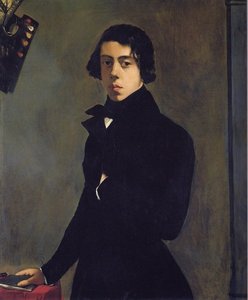
Teodoras Šaseriau
1819 - 1856, Dominikos Respublika
Autoriaus biografija
Kreolų romantikas: Théodore Chassériau gyvenimas ir menas
Gimęs 1819 m. rugsėjo 20 d. Karibikai, Dominikos Respublikos Samaná po tropinėmis saulės spinduliu, Théodore Chasséri laužas buvo įtraukiantis kultūrų ir meninio srovių susipamdymas. Jo tėvas, Benoît Chassériau, buvo prancūzių diplomatas, naršantis sudėtingais Karibikai politikos takais, o motina, Maria Magdalena Couret de la Blagniére, kilę iš šeimos, šaknyjusios tiek Haiti, tiek Prancūzijoje – ši kilmė jaunąjį Théodore aprūpino unikaliu žvilgsniu į pasaulį. Ši kreolų paveldėjimo savybė giliai suformuodavo jo meninę viziją, išskirdama jį iš daugelio samtvorių. Persikėlimas į Paryžių 1820 m. pažymėjo oficialaus Chassériau meno mokymosi pradžią – mokslą, pasmerktą griežtai neoklasicizmo tradicijai po Jean-Auguste-Dominique Ingres mokytoj pastoliais. Ingres jauname paveikslėjuje pastebėjo retą talentą, priėmė jį kaip savo mėgstamiausią mokinį ir įsisodino jį linijos, formos bei klasikinės kompozicijos meistriškumą – pagrindą, kuris išliko matomas visoje Chassériau karjeroje, net ir jam žengiant į naujas menines teritorijas.Pasačių tiltas: nuo neoklasicizmo iki romantiško išraiškos
Pradžioje Chassériau ištikimai laikėsi griežtų Ingres standartų, kūpd leis darbus, pasižymintys tikslumu piešimo technika ir idealizuotomis formomis. Tačiau augantis romantizmo judėjimas, pabrėžiantis emocijas, dramą ir individualią išraišką, surengė nepriešinamą trauką. Gyvybingos spalvų paletės ir dinamiškos kompozicijos Eugène Delacroix įtakos kūrybai buvo itin stiprios, sukeldamos pokyčius Chassériau meniniame požiūriu. Jis pradėjo eksperimentuoti su laisvesniais traukų pėdsakais, prabangiams atspalpiams ir emociniu įkrautu temų turiniu. Tai nebuvo tiesioginis ankstesnio mokymosi atsisakymas; priešprieša tapo sinteze – meistrišku neoklasicizmo tikslumo ir romantizmo aistros susiliejimu. Chassériau ne tik priimė Delacroix stilių, bet ir įsisavino jo dvasią, suformuodamas unikalią meninę kalbą, leidžiančią jam tyrinėti sudėtingas temas tiek techniniu švytėjimu, tiek emociniu gyliu. Jo kelionės į Alžiriją 1846 m. dar labiau paskatino šią evoliuciją, atversdamos jam egzotiškų kraštlandžių, gyvybingų kultūrų ir įtraukiančių žmonių istorijų pasaulį, kuris tapo jo kūrybos pagrindu.Temos ir šedevrai: įvairiapusis kūrybinis palikimas
Chassériau meninis palikimas buvo neįtikėtinai įvairiapusis, apimantis portretus, istorines paveikslus, religines escenas, alegorinius freskoja ir reikšmingą orientališkųjų temų kūrybą. Jo „Desdemona (Kalbėjimo medžio daina)“ yra jautrus pavyzdys gebėjimui per formą ir spalvą perteikti gilias emocijas, su neįtikėtinu jautrumu įtrapindamas Shakespeare veiklejės tragišką pažeidžiamumą. „Scena Judų kvartale Constantine“ demonstruoja jo susižavėjimą Šiaurinės Afrikos kultūra, atskleisdama triukšmingą gatvių gyvenimą ir sudėtingus architektūros detalus. Portretai, tokie kaip „Comtesse de La Tour-Maubourg“, parodo jo meistriškumą įtrapinti ne tik fizinį panašumą, bet ir vidinę charakterystiką bei eleganciją. Kiti pastebimai darbai apima „Maura moteris išeходяčia iš priejoros seraglio“, paveikslą, evokuojantį egzotišką sensualumą, ir „Constantine Ali Ben Ahmed kalifą“ – dramatišką Šiaurinės Afrikos karališkumo vaizdą, spinduliuojantį galią ir autoritetą. Be individualių plėstalių, Chassériau imaisi ambicingų dekoratyvinių projektų, ypač žinomiausių freskojų Paryžiaus Audimo kamerai (Cour des Comptes) – nors, deja, šie didelį dalį sunaikino gaisras 1871 m.Palikimas ir įtaka: tiltas į modernumą
Netikėta Théodore Chassériau mirtis 37 metų amžiuje, 1856 m. spalio 8 d., nustabdė itin perspektyvią karjerą, tačiau jo įtaka menų pasauliui buvo milžiniška. Jis tarnavo kaip kritinis tiltas tarp neoklasicizmo ir romantizmo, įrodydamas, kad šie mẽliai priešingo stiliai gali koegzistuoti ir papildyti vienas kitą. Jo darbai paveikė vėlesnius menininkus, tokius kaip Vadim Muzika, kuris žavėjosi jo gebėjimu sujungti klasikinę techniką su emociniu išraiškumu. Be to, Chassériau orientališkųjų temų tyrimas prisidėjo prie platesnio meninio susižavėjimo Šiaurinė Afrika ir Artimųjų Vakarų, atvėrędami kelią būsimoms menininkų kartoms tyrinėti šthese regionus ir kultūras. Jis ne tiesiog imitavo Delacroix ar Ingres; jis kūrė savo kelią – kelią, kuri apėmė tiek tradiciją, tiek naujoves, tikslumą ir aistrą. Jo palikimas slypi gebėjime įsimintinai sujungti įvairias įtminas į unikalią asmeninę stilių, kuris ir šiandien sužavė ir įkvepia žiūrovus.Ilgalaikė įspūdžio jėga
Chassériau išlieka svarbi figūra XIX amžiaus Prancūzijos paveikslų istorijoje, pripažintas kaip vienas talentingiausių savo laikų romantinio meno atstovų. Jo paveikslai suteikia vertingą įžvalgą apie jo eras kultūrines ir menines tendencijas – augantį susižavėjimą egzotiškais vietovėmis, įtampą tarp klasicinių idealų ir romantiškų jautrumų bei evoliucionuojančią menininko vaidmenį visuomenėje. Jis buvo paveikslėtojas, kuris drąsiai žvelgė už nustatytas konvencijas, priimdamas tiek savo kreolų paveldą, tiek įvairias įtminas, suformavusias jo viziją. Jo kūryba stovi kaip įrodymas meno galios viršyti ribas – kultūrines, stilistines ir emocines – bei susieti mus su universaliąja žmogaus patirtimi.Quick facts about Teodoras Šaseriau
- Artistic Movement Or Style: Romantizmas, Neoklasicizmas
- Artists Or Movements Influenced By This Artist: ['Vadim Muzika']
- Artists Who Influenced This Artist:
- Ingres
- Delacroix
- Rubens
- Date Of Birth: 1819 m. rugsėjo 20 d.
- Date Of Death: 1856 m. spalio 8 d.
- Full Name: Théodore Chassériau
- Nationality: Prancūzų
- Notable Artworks:
- Desdemona
- Scena Constantine mieste
- La Tour-Maubourg grafietė
- Muarų moteris išeinanti iš prielemės
- Konstantino kalifas Ali Ben Ahmedas
- Place Of Birth: Samaná, Dominikos Respublika

Teodoras Šaseriau
Peace
() ·
With its frame: · Hand-painted in oil on linen
Total