


 Peržiūrėti realaus dydžio版
 Siųsti
 Dalintis
 Išsamiau
 Vadovas

 Atsisiųsti
 Panašūs eksponatai
 Rentgeno spindulių nuotrauka
 Diaporama
 Statistika
Slumbering sea, Mentone
 Acrylic On Canvas
- WallArt
- Australian Impressionism
 1887
1887 51.0 x 76.0 cm
 Nacionalinės Viktorijos galerija
Experience 'Slumbering Sea, Mentone' by Tom Roberts – a captivating Australian Impressionist painting of a serene beach scene, capturing light and life with masterful detail.
 Rodyti daugiau
Atraskite Tomą Robertsą (1856–1931), Australijos impresionizmo ir Heidelbergo mokyklos pionierę. Paženkitis ikonines kūrybos, tokias kaip „Rugių trimuvas“, ir sužinokite apie jo svarbų vaidmenį formuojant Australijos meninę tapatybę.
Rankų darbo aliejinės reprodukcijos
Rankiniu būdu tapytas aliejus ant droblio jūsų pageidaujamame dydį ir rėmuose – mūsų menininkų darbas pagal užsakymą. ( Perjungti į spausdinimą Perejti prie skaitmeninių vaizdų)




P118B €10

P118H €10

P118W €10

P438Z €10

P508JH €12

P508YH €12

P805H €10

P805Z €10

P919BZ €10

P919G €10

P919XJ €10

P959ZH €10

P968JZ €12

W106C €8

W218G €10

W218JH €8

W218Y €10

W307PJ €10

W316G €10

W316PJ €8

W316Y €10

W398PJ €8

W4111J €10

W500HY €15

W500JH €15

W692G €12

W849H €8

W940BG €15

W953PJ €8




Standartinis
individualaus dydžio
CM
INCH
Pasirinkite iš mūsų nustatytų dydžių, atitinkančių originalaus meno kūrinio proporcijas.
Loading sizes...

plotis
aukštis
Įveskite jums reikiamą plotį ir aukštį, kad paveikslas atitiktų jūsų rėmą ar sieną. Kadangi šis darbas yra rankinio darbo, siekiant išgauti kitokio formos dydį, paveikslas gali būti šiek tiek didesnis (nuo kraštų bus palikta daugiau erdvės) arba mažesnis – pasirinkite jums patogiausią variantą. Prieš pradedant tapyti, atsiųsime jums skaitmeninį maketą patvirtinimui. Šioje puslapio nuotraukoje matomas vaizdas nėra galutinis rezultatas – jį parodys tik sukurtas maketas.
Ką galima pakeisti (pavyzdžiai): Pakeisti veidą į kliento nuotrauką; Pridėti augintinį (pvz., pakeisti katę šunimi); Įtraukti paslėptą žinutę fone; Pakeisti fono kraštovaizdį ar elementus.
Gavus užsakymą, TopImpressionists.com komanda susisieks su klientu el. paštu dėl instrukcijų ir pateiks maketo pavyzdį
Gavus užsakymą, TopImpressionists.com komanda susisieks su klientu el. paštu dėl instrukcijų ir pateiks maketo pavyzdį
Pristatymas visame pasaulyje () per 3–4 savaites, o ne įprastai – per 5 savaites. (23 spalis). Kokybė lieka nepakeičiama.

Nemokamas greitasis pristatymas visame pasaulyje

Aukštos kokybės lininis drobė

Pilnas siuntimo draudimas

Muitinės mokesčių grąžinimo garantija

Tikro spalvų atitikimo garantija

100 dienų grąžinimo politika (tik esant įtaigoms)

100% pinigų grąžinimo garantija

Nuolaida dideliems užsakymams
 Stiklo variantas prieinamas tik pasirinkus dydį iki 110 cm

Slumbering sea, Mentone
Reprodukcijos technika
Reprodukcijos dydis
-


Visų pasirinktų variantų kaina
€ 236
Tom Roberts’ “Slumbering Sea, Mentone” – A Moment of Australian Harmony
“Slumbering Sea, Mentone,” painted in 1887 by Tom Roberts, is more than just a depiction of a coastal scene; it's a carefully constructed meditation on light, color, and the burgeoning sense of national identity within Australia. This work, housed at the National Gallery of Victoria, offers a captivating glimpse into the heart of the Heidelberg School’s artistic philosophy – a movement that sought to capture the unique spirit of the Australian landscape and its people.
Roberts, born in England but deeply rooted in the burgeoning Australian art scene, was a pivotal figure in establishing a distinctly ‘Australian’ visual language. He moved to Melbourne in 1869 and quickly immersed himself in the local artistic community, influenced by Louis Buvelot's traditional landscape training while simultaneously absorbing the vibrant Impressionistic techniques he encountered during his European travels. “Slumbering Sea, Mentone” exemplifies this synthesis – a masterful blend of observation, technique, and a profound understanding of light’s transformative power.
A Composition Woven with Triangles
The painting immediately draws the eye to its intricate composition. Roberts doesn't simply present a seascape; he orchestrates it through a sophisticated interplay of geometric forms. The foreground is dominated by interlocking triangles, subtly layered and overlapping, creating a sense of depth and spatial complexity. These triangular motifs aren’t merely decorative; they act as visual anchors, guiding the viewer’s eye across the canvas and contributing to the painting's overall harmony.
The central figure – a woman and boy with their loyal dog – seated on the shore serves as a crucial compositional device. Roberts strategically positions them within this triangular framework, drawing attention towards the distant boat and its journey into the bay. This placement creates a narrative flow, inviting the viewer to participate in the scene’s unfolding drama.
The Language of Color and Light
Roberts' masterful use of color is central to the painting’s evocative power. He eschews the bright, saturated hues often associated with Impressionism, instead favoring a more restrained palette dominated by earthy tones – umbers, ochres, and chalky whites – that perfectly capture the muted light and atmosphere of Mentone. These grounded colors are then brilliantly contrasted with delicate blues in the sky and sea, and the vibrant whites of the figures’ clothing, the boat, and the distant sail.
The painting is a testament to Roberts' ability to render the effects of light on color. He skillfully captures the hazy quality of the air, the shimmering reflections on the water, and the subtle gradations of tone that define the Australian landscape. The sparing use of black – in the sashes of the women’s dresses, the dog, and the boat’s rim – adds depth and definition without overwhelming the overall luminosity.
Symbolism and a Moment of Tranquility
Beyond its technical brilliance, “Slumbering Sea, Mentone” is rich in symbolic meaning. The scene evokes a sense of tranquility and connection to nature—a key theme within Australian art at the time. The boat represents progress and exploration, while the figures embody domesticity and the values of family life. The painting can be interpreted as a celebration of the Australian way of life – a harmonious blend of rural simplicity and burgeoning modernity.
Roberts’ choice to paint *en plein air*—outdoors directly from nature—underscores this connection. He sought not just to replicate what he saw, but to capture the very essence of the scene, imbuing it with his own emotional response. “Slumbering Sea, Mentone” is a beautiful and enduring testament to Roberts’ skill as a colorist and a painter who truly understood the soul of Australia.
问答 (or more naturally for a website heading): Klausimai ir atsakymai
Kokia buvo „Slumbering sea, Mentone“ kūrimo metai ir kokiam stiliui jis priklauso?
„Slumbering sea, Mentone“ sukurtas 1887 m., priklausantį Australian Impressionism stiliui.
Kokio meno kryžmės dalis yra „Slumbering sea, Mentone“, autorius – Tom Roberts?
„Slumbering sea, Mentone“ yra Australian Impressionism kūrinys. Šis stilius nurodo meninę tradiciją, kurios šis darbas yra dalis.
Kuriame namų kambaryje gerai tiktų „Slumbering sea, Mentone“ reprodukcija?
„Slumbering sea, Mentone“ reprodukcija puikiai tinka į Living Room.
Susiję kūriniai


Autoriaus biografija
Australijos šviesos pionierius: Tomo Robertsas gyvenimas ir kūryba
Pradėjęs savo kelią 1856 m. kovo 8 d. Anglijos Dorchester, Thomas William Roberts tapo itin svarbi figūra formuojant skirtingą australijską meninę identitetą. Jo vaikystę pažymėjo šeimos kelionė į Melburną 1ng 1869 m., kuris negrįžtamai pakeitė jo meninę viziją. Beribiškos Australijos peizažai ir unikalus šviesos žaidimas įsimegino jame aistrą įamžinti savo priimtosios šalies esmę. Pradėjęs dirbti kaip fotografo padėjėjas, Roberts tobulino savo stebėjimo įgūdžius ir išugdė kompozicijos pojūtį – savybes, kurios vėliau tapo jo šedevrų žyminumu. Kartu su tuo jis siekė oficialaus meno išsilavinimo, mokydamasis iš Louis Buvelot, kurio įtantis jį įkvėpė meilę peizažų tapybai ir suteikė pagrindus tradiciniams technikos metodams. Tačiau tik 1881 m. atvykimas į Europą tikrai išplėtė Robertso menines horizontus.Australijos impresionizmo kūrimas
Robertsas Europoje, ypa veng lankydamas Londono Karališkąją akademiją, susipažino su naujausiomis meno tendencijomis, įskaitant sparčiai besivystantį impresionizmo judėjimą. Jis pasisavino „plein air“ tapybos technikas – tiesioginę darbą lauke, iš gamtos – ir susikoncentravo į trumpalaikių šviesos bei atmosferos momentų įamžinimą. Grįžęs į Australiją 1ng 1885 m., jis su savo kūryba atnešė ne tik techninius įgūdžius, bet ir karštą troškimą sukurti tikrai australijską meną. Ši ambicija paskatino jį bendradarbiauti su kitais menininkais – Fredericku McCubbinu, Arthuru Streetonu ir Charlesu Conderiu – taip suformuojant tai, kas vėliau tapo žinoma kaip Heidelbergos mokykla, ar Australijos impresionizmas. Ši grupė įkūrė menininkų stovyklas Box Hill ir Eaglemont regione, pasirinkdama gyvenimo būdą, skirtą stebėti ir tapyti australijų kietąją gamtą. Tai nebuvo tik meninės pastangos; tai buvo kultūrinės nepriklausomybės deklaracija, atsisakant Europos konvencijų ir švenčiant savo tautos unikalesnį charakterį. 1889 m. „9x5 impresionizmo paroda“, kurioje eksponuoti buvo nedidelės tapybos darbai ant kedro cigarietų dėželių dangtelių, tapo drąsia šios naujos vizijos išraiška – iššūkiu įsigründusioms normoms ir lūžio momentu Australijos meno istorijoje.Tautinės naratyvai ir neblėstantis palikimas
Nors Robertsas buvo giliai įsipareig žmogui impresionizmo principams, jis nedrobino tik paprastai atkartoti peizažus. Jis siekė kurti „tautinius naratyvus“ – paveikslus, vaizduojančius kasdienį Australijos gyvenimą ir švenčiančius jos žmones. „Rugių kirpimas“ (1890), galbūt jo garsiausias darbas, puikiai atspindi šią ambiciją. Šis paveikslas yra galingas kaimo darbo vaizdas, įamžijantis pilkų rugių kariautojų energiją ir bendrystę dirbant. Tai nėra tik veiklos įrašas; tai australijos vyriškumo ir žemės ūkininko darbo svarbos šventė. „Išbėgimas!“ (1891), su savo dinamine kompozicija ir saulės apšviesta atmosfera, taip pat įamžija esminį Australijos gyvenimo momentą – grupę žvėrių drovinčių karavus per platybes. „Apsupimas“ (1895), nors ir mažiau šventiška, suteikia įtraukiantį žvilgsnį į sviežios ribos gyvenimo realybę, vaizduodama vežėją, užpuntą bushrangerių. Šie darbai nebuvo tik estetiškai gražūs; jie buvo bandymai per meną apibrėžti tai, kas reiškia būti australiju. Be šių ikoniškų paveikslų, Robertsas taip pat padėjo didelę įtaką kaip portretininkas, o 1903 m. užbaigė „Didiklį paveikslą“ – monumentalų kūrinį, užsakytą paminėti pirmųjų Australijos Parlamento atidarymą, tapusį vizualiniu tautos gimimo įrašu.Australijos meno globėjas
Tomo Robertso įtaka išsilygo daug daugiau nei jo paties tapyba. Jis buvo neustrans ir ištvermingas Australijos meno scenos plėtros šalininkas, aktyviai skatinęs savo kolegų darbus ir kovojęs už nacionalinių institucijų kūrimą, kad palaikytų bei pristatytų australijų talentus. Jis pilnai tikėjo svarba sukurti išskirtinę australijską meninę identitetą – tokią, kuri atspindėtų unikalius šalies peizažus, žmones ir patirtis. Jis buvo pirmasis viešai pasisakęs už Australijos nacionalinę portretų galeriją, atpažindamas portretavimo galią įamžinti tautos dvasią. Jo atsidavimas gyvybingai meno kultūrai užtvirtino jo vietą ne tik kaip lygiavertį menininką, bet ir kaip vizionierišką lyderį, padėjusį nustatyti Australijos meno istorijos kryptį. Jo palikimas ir toliau įkvepia menininkų kartas ir išlieka įrodymu nesivėsinančios meno galios apibrėžti bei švęsti nacionalinę tapatybę.Kolekcijos ir tolimesnė paž palestra
- Tyrinėkite Tomo Robertso kūrybą TopImpressionists.com svetainėje.
Vikipediją apie Tomą Robertsą. - Peržiūrėkite Viktorijos nacionalinės galerijos Australijos meno kolekciją, įskaitant Robertso darbus, Ian Potter Centre centre, Federation Square, Melburne.
- Gilinkitės į jo biografiją ir meninę plėtrą naudodamiesi tokiomis išteklėmis kaip Australijos biografijų žodynas.

Tom Roberts
1856 - 1931 , Jungtinė Karalystė
Trumpa informacija apie kūrėją
- Artistai, Kurie Paveikė Šį Artistą:
- Louis Buvelot
- Whistler
- Velazquez
- Gimimo Data: 1856 m. kovo 8 d.
- Gimimo Vieta: Dorchester, JK
- Menų Kryptis Ar Stilius: Impresionizmas
- Mirties Data: 1931 m. rugsėjo 14 d.
- Tautybė: Australijetis
- Vardas, Pavardė: Thomas William Roberts
- Šį Šį Artistą Įkvėlusios Grupės Ar Menų Kryptys:
- Heidelbergo mokykla
- Australijos menas
- Žinomos Kūriniai:
- Shearing the Rams
- A Break Away!
- Bailed Up
- Coming South
- Big Picture
Susiję straipsniai

Hubert Robert: Picturing Ruins, Preserving Memory – A Study of Romantic Antiquarianism & Artistic Innovation
Explore the captivating world of Hubert Robert, master of Romantic landscape painting & 'capriccio' ruins. Discover his historical context, artistic innovations, and collecting insights with TopImpressionists.

Robert Bevan: Pioneering British Post-Impressionism & the Camden Town Group's Intimate Vision
Explore the life & work of Robert Bevan, a pioneer of British Post-Impressionism and founding member of the Camden Town Group. Discover his vibrant landscapes and lasting impact on early 20th-century art.

Impressionism's Masterpieces: 10 Paintings That Defined a Movement | TopImpressionists
Journey through Impressionism's heart with 10 iconic paintings by Monet, Renoir & Degas. Explore light, color & the stories behind these masterpieces. Find museum-quality art reproductions and elevate your home decor on TopImpressionists.com.

Robert Julian Onderdonk: Pioneering Texas Impressionism & Capturing Regional Light
Explore the life & art of Robert Julian Onderdonk, 'the Father of Texas Painting.' Discover his vibrant Impressionist landscapes, iconic bluebonnets, and lasting legacy. Learn about collecting Onderdonk's work today.
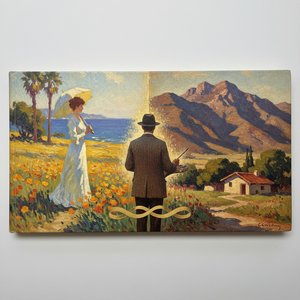
Joseph Kleitsch: Bridging Impressionism & California Regionalism – A Study of Light and Identity
Explore the life & work of Joseph Kleitsch, a pivotal California Impressionist painter. Discover his vibrant landscapes, portraits, and legacy within the Laguna Beach art colony. A comprehensive study for collectors & enthusiasts.
Tyrinėkite meno kūrinius, suskirstytus pagal temas, stilius ir savybes.
